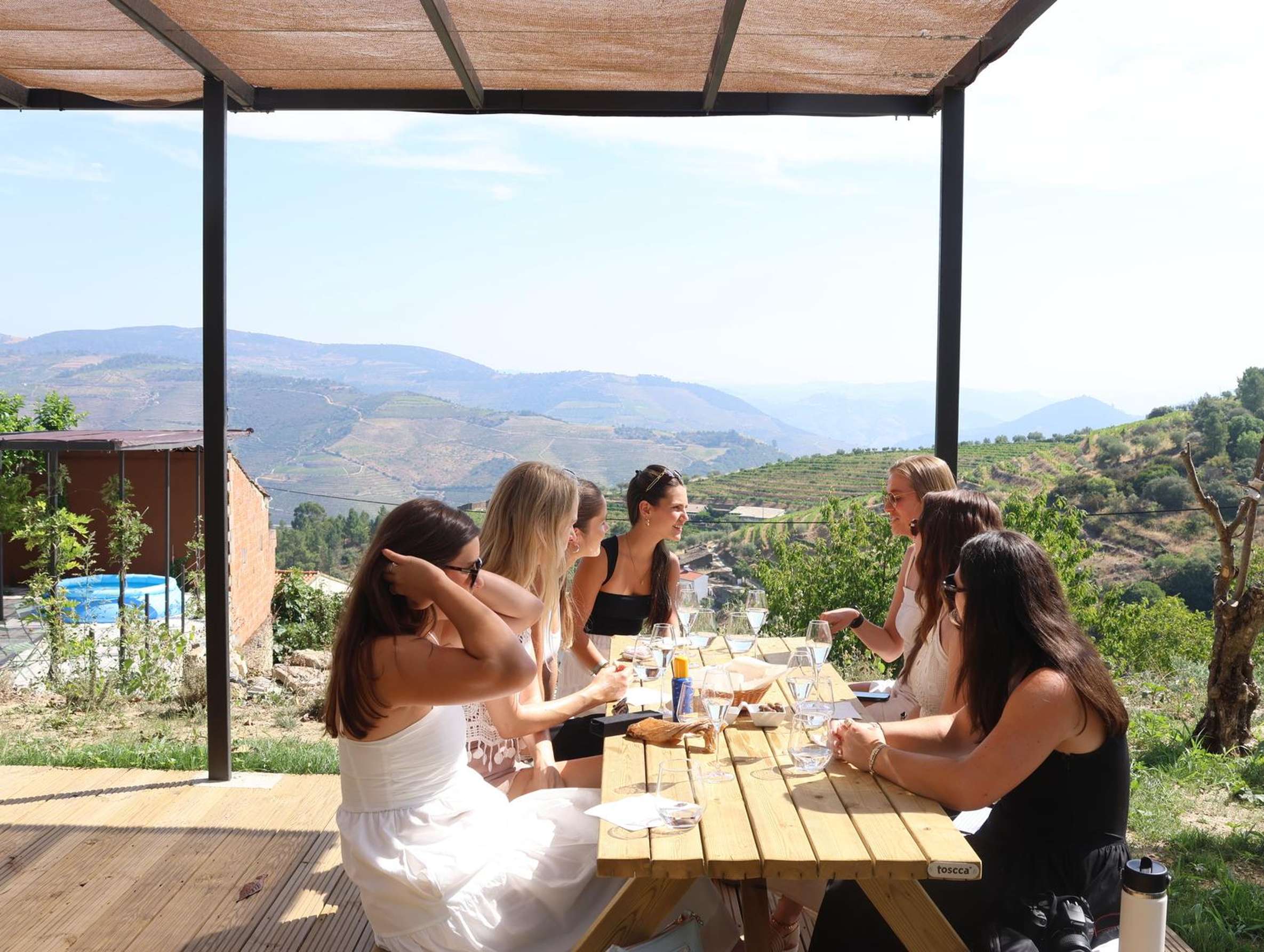
Half Day Douro Valley Tours Short Itineraries from Porto
See the Douro without giving up your whole day. Half day Douro valley tours get you to a family-run quinta, a wine tasting and a river cruise in about six hours, so you are back in Porto by mid-afternoon with time left for the city. Pick a morning brunch departure or a later start.
"Perfect tour when you're short on time in Porto but want the Douro. Amazing guide, great viewpoint stops, fun boat ride. The vineyard was the best, endless snacks and incredible wine. Highly recommend!"
4.7★average rating42,652traveler reviews100%free cancellation42countries travelers came from
Half day Douro Valley tours - which one is yours
Half day Douro Valley tours from Porto come in two shapes: guided outings by van that last six to eight hours, or a short three-hour circuit that starts at the quay in Pinhão if you are already in the valley. Both pair a winery visit with time on the river. The one difference that decides is where your day starts.
DocumentsCertain tours ask you to bring a passport or ID card, so check before you leave the hotel.
Drinking ageParticipants under 18 cannot drink alcohol on any tasting.
KidsTour vans must follow Portuguese child car seat rules, so children under 12 or under 135 cm ride in an approved restraint in the rear seats.
Getting thereThe drive from Porto takes about 1.5 hours each way, so the shorter day trims activities on site, not road time.
BookingsMany quintas take no walk-ins, and popular boat departures can sell out a day or two ahead, so reserve before you travel.
Meeting timesArrive at meeting points 15 minutes early, or 30 minutes early at the kiosk on Pinhão's quay.
RainTours run rain or shine, with tastings moved indoors and cruises on covered boats if the weather turns.
FootwearWear sturdy closed-toe shoes with grip for steep, uneven vineyard terraces; leave the flip-flops behind.
Weather swapIn adverse weather, an operator may replace the river cruise with another activity, and some boats run on reduced winter schedules.
AccessSeveral tours list stairs and uneven surfaces at wineries, so they are not suitable for wheelchair users or travelers with significant mobility limits.
importantPortuguese law does not allow anyone under 18 to drink the wine and Port poured at tastings on a half day Douro Valley tour.
Travelers under 18 can still join the drive, the winery visit and the boat ride, but book with that in mind and let the tour operator know the ages in your group when you reserve.
Worth booking - the shorter half day in the Douro Valley
Shortest option
3 hours·Portuguese, English
4.5(526)
From Pinhão: Douro Valley Tour w/ Wine Tasting and Boat Trip
A 3-hour circuit from Pinhão quay with a 50-minute boat ride, a winery visit and tasting, and minivan transport included.
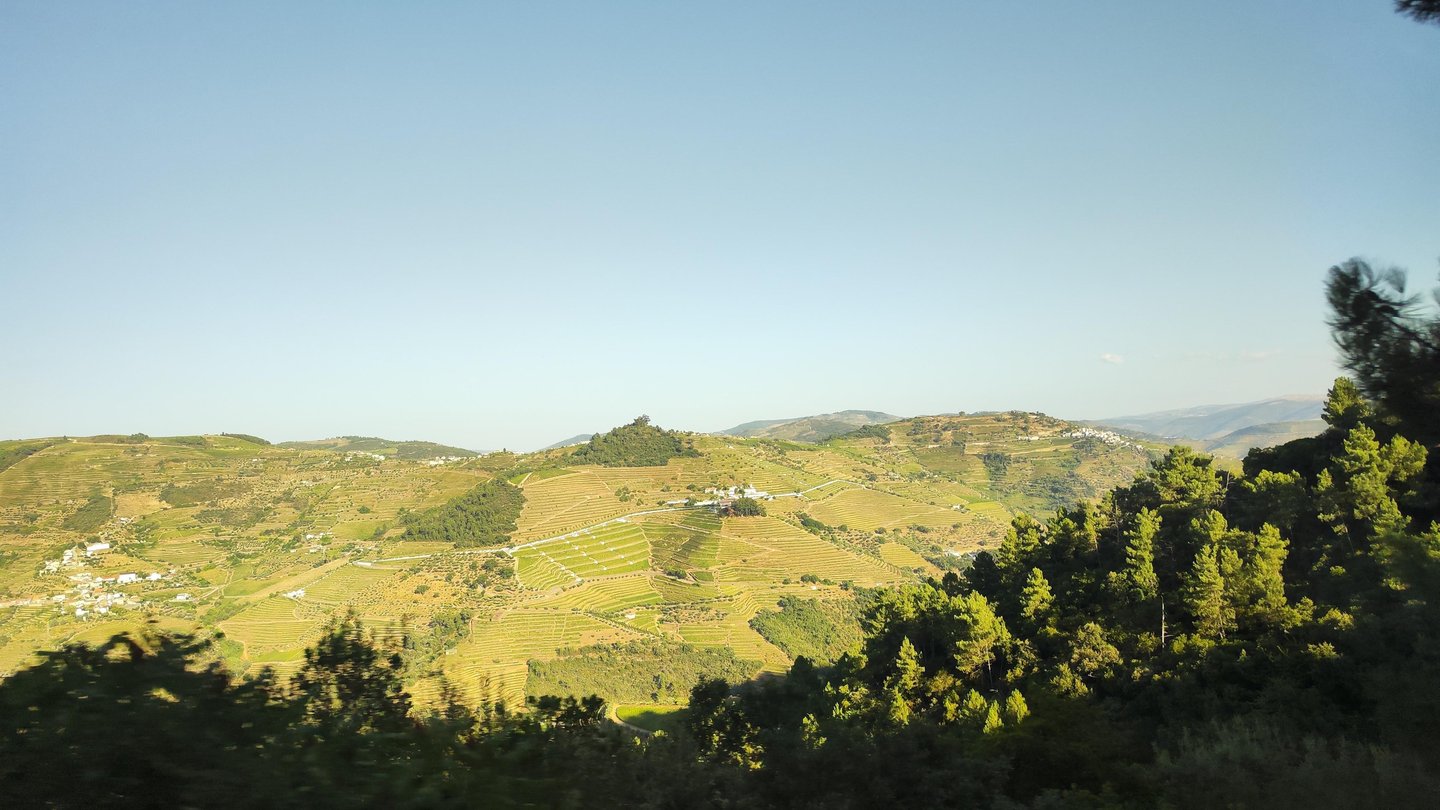
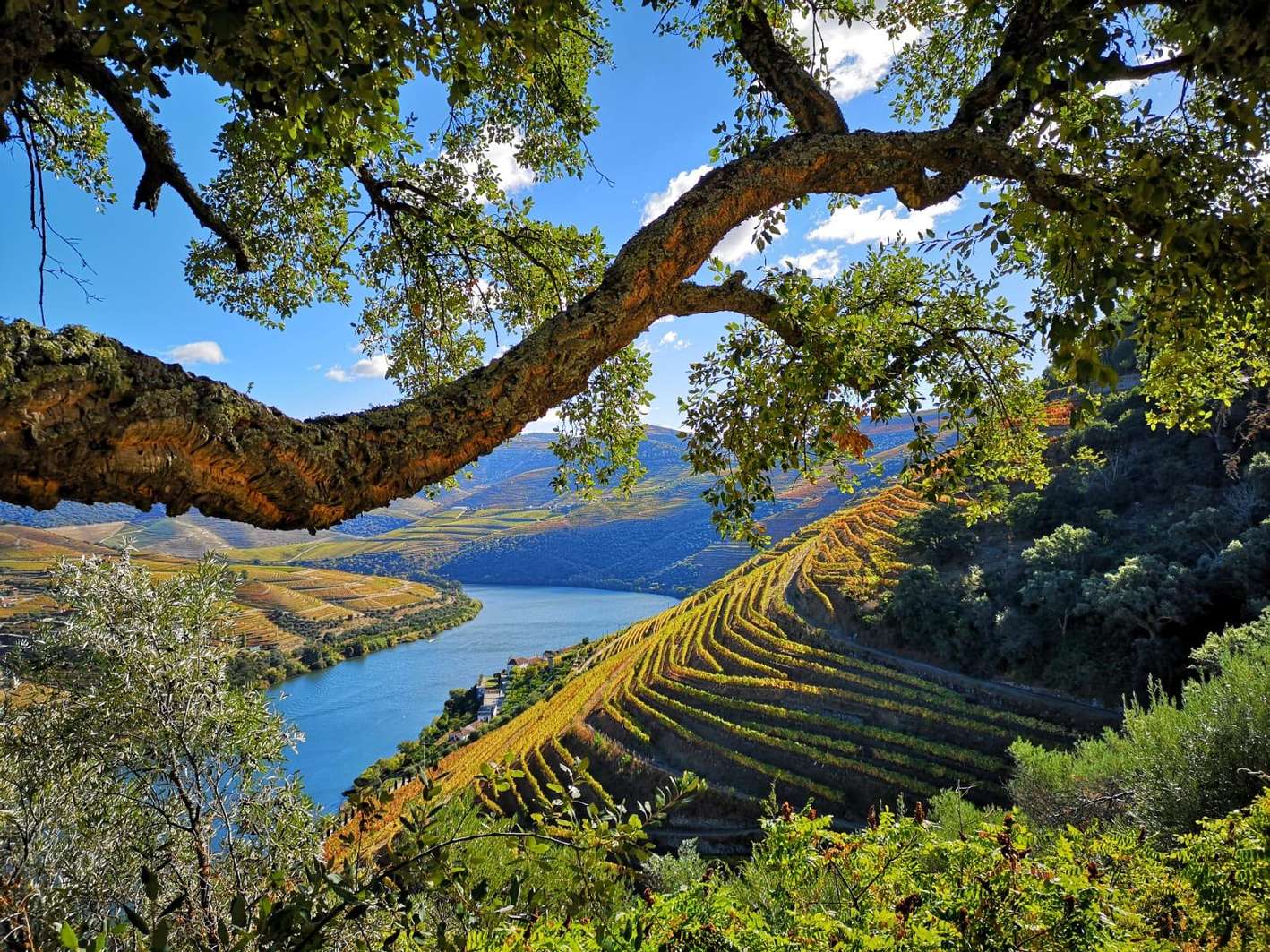
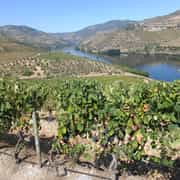
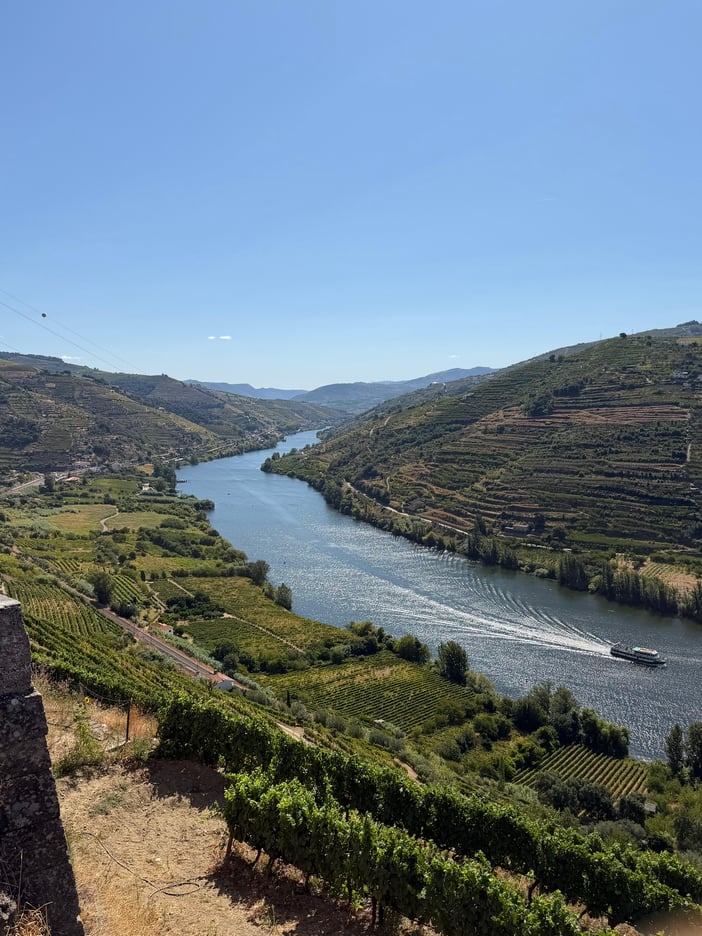
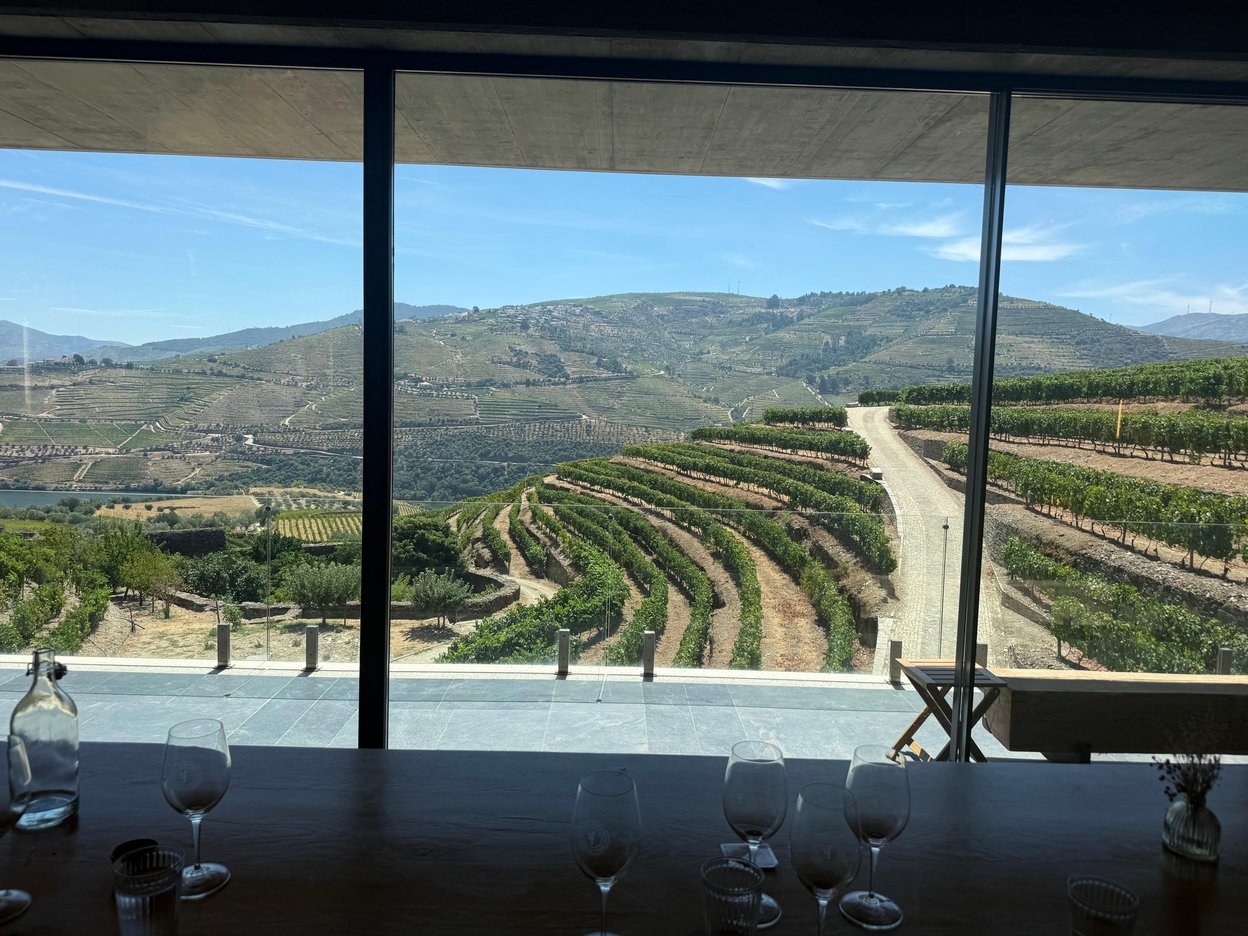
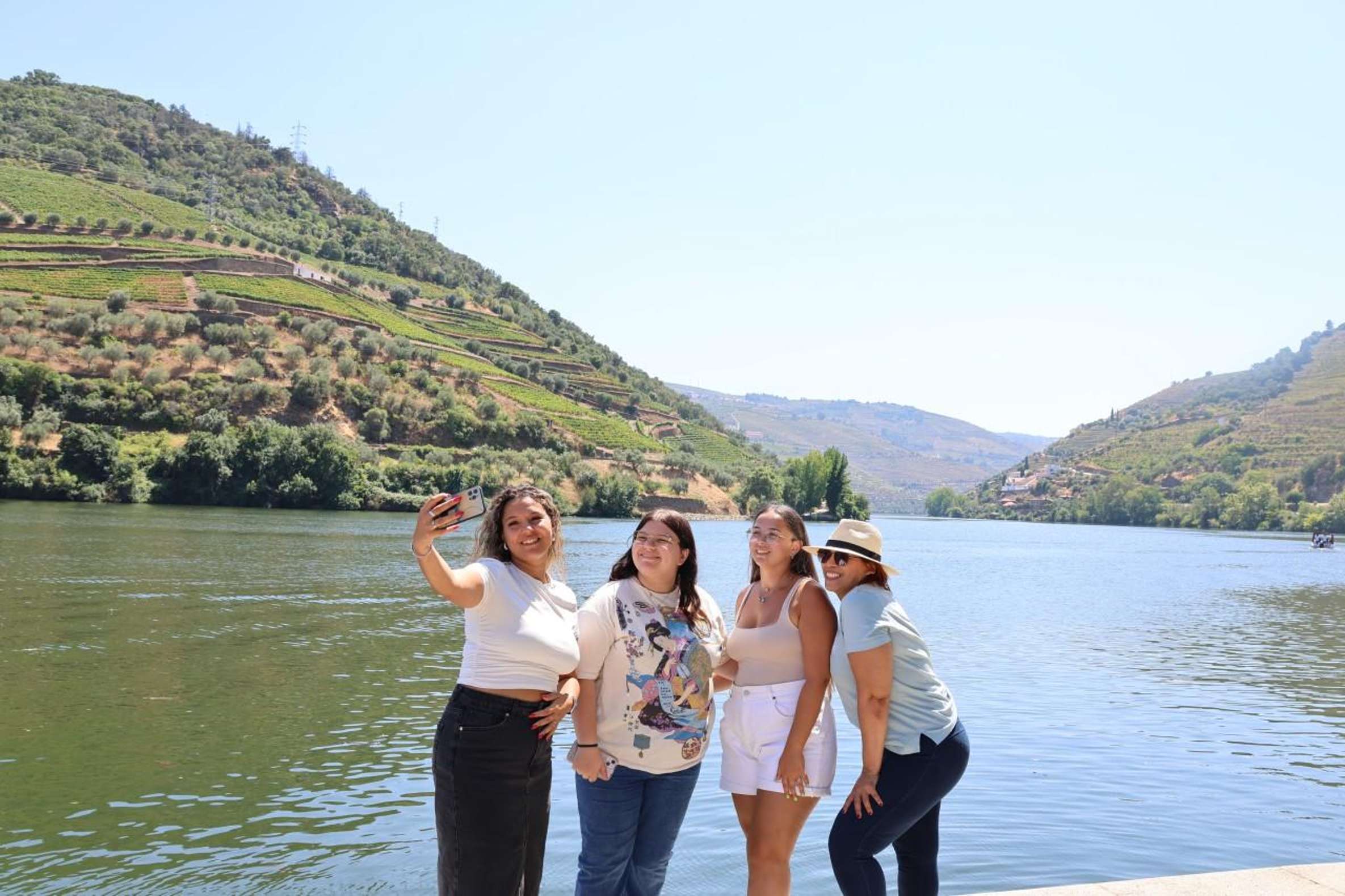
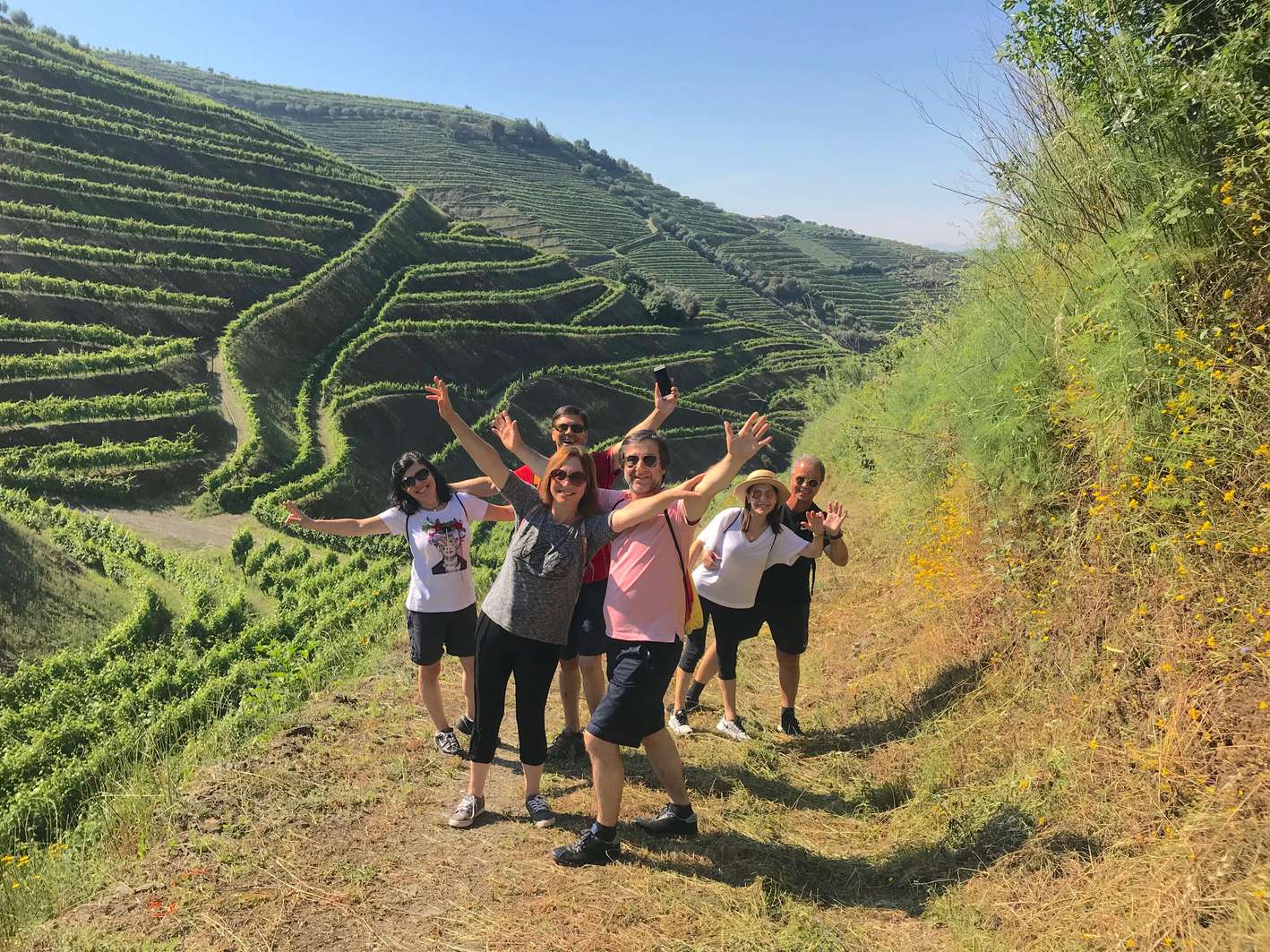
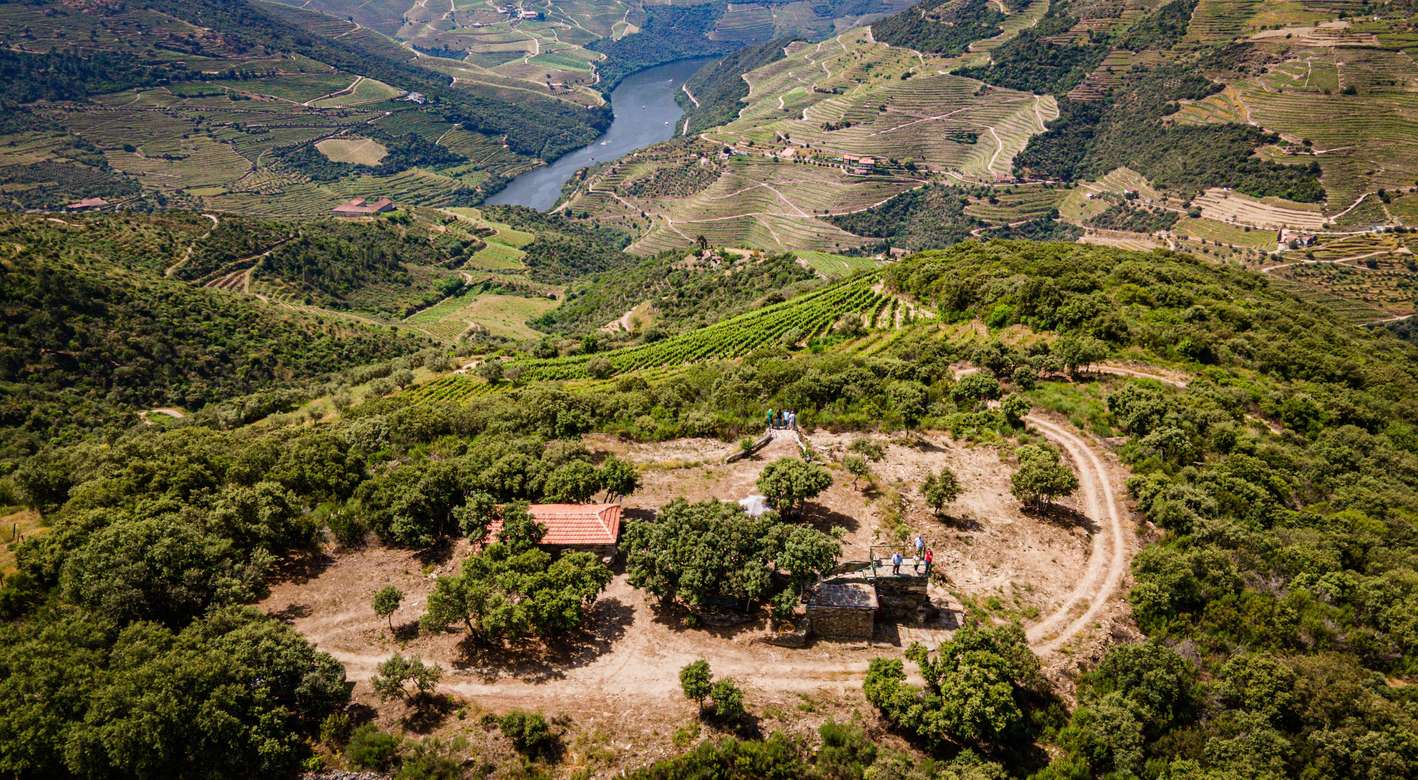
The first proper look at the valley comes from Miradouro de Adorigo, a viewpoint above the river where the terraced slopes stack up for photos.
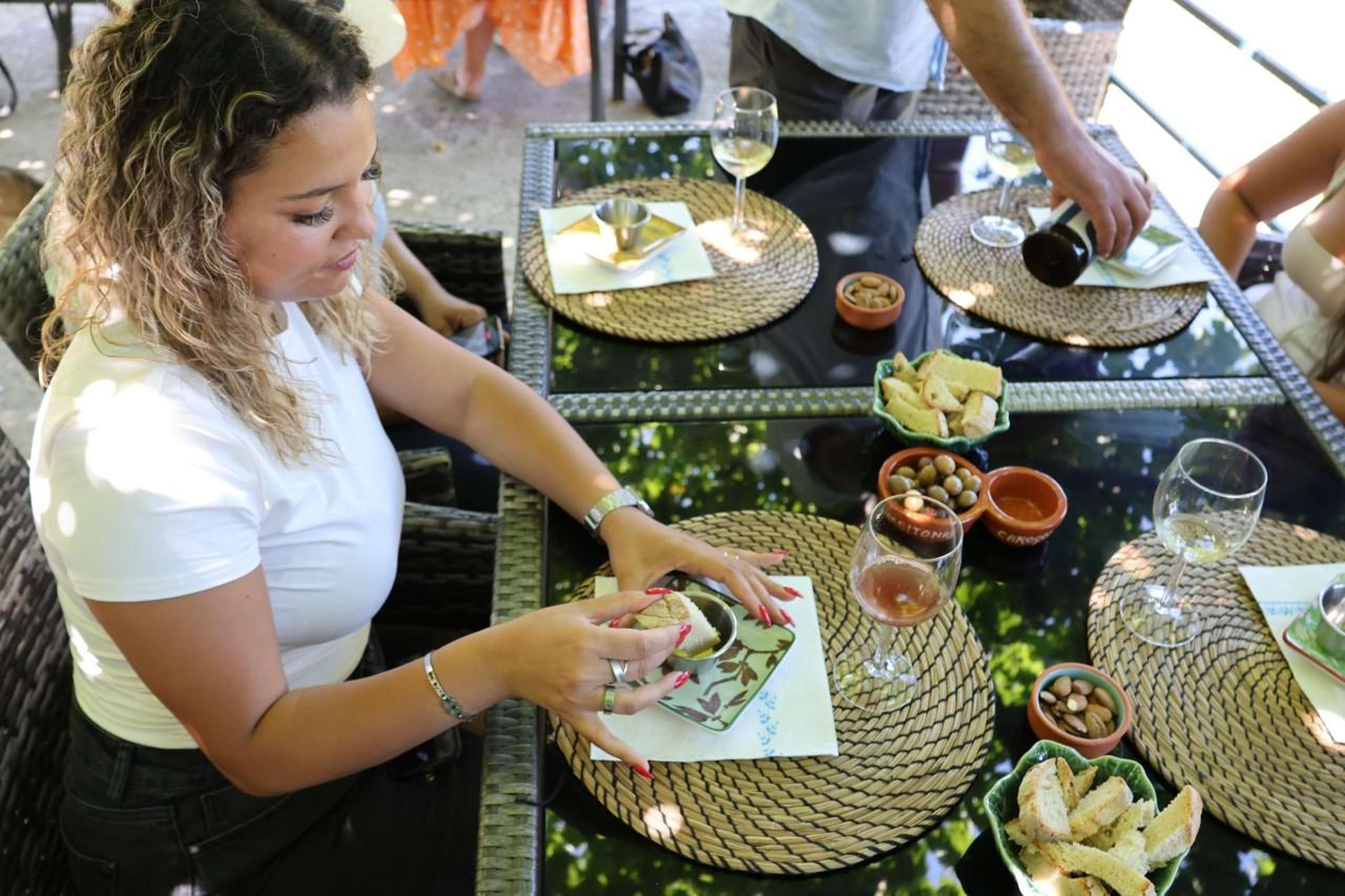
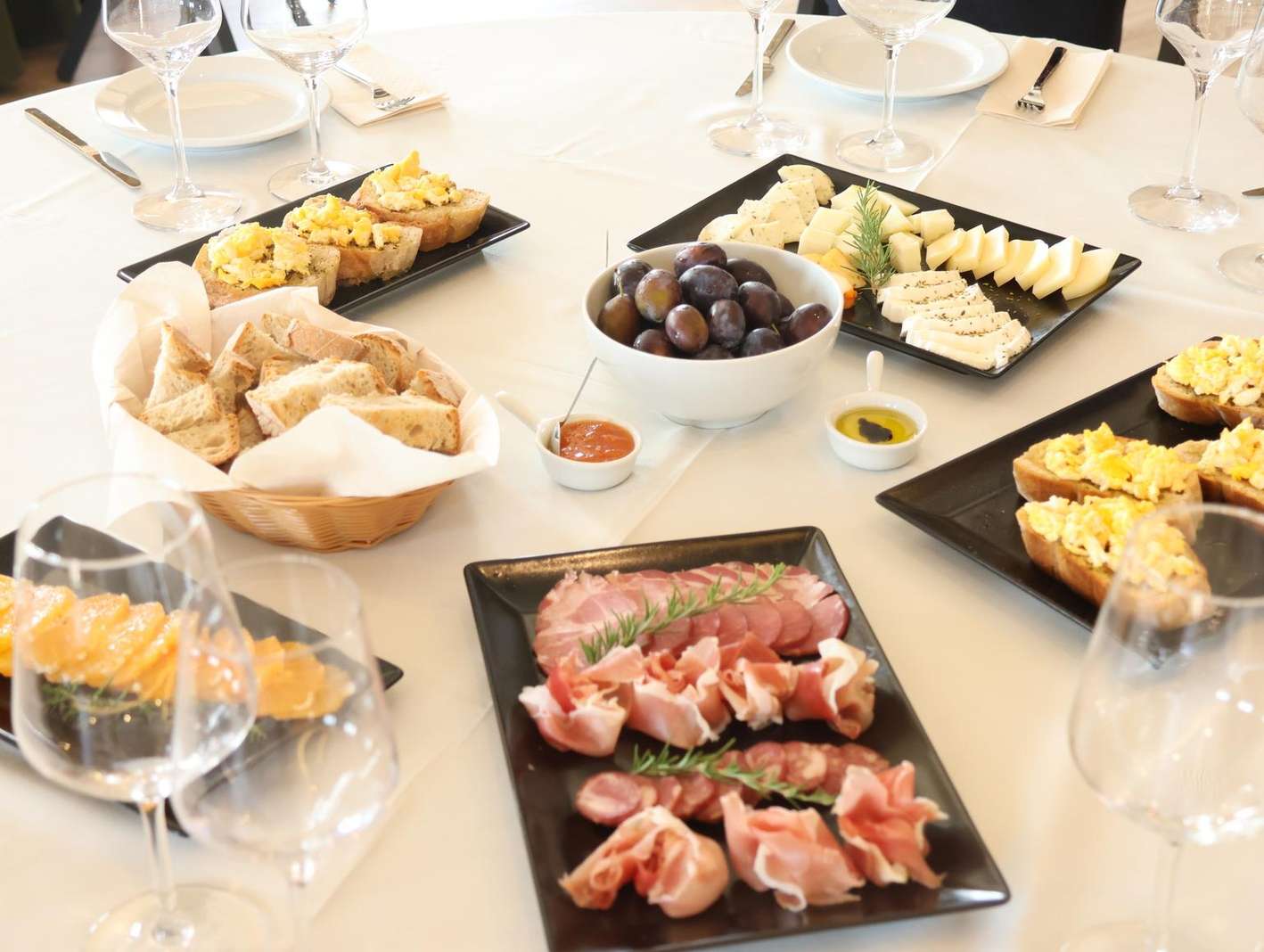
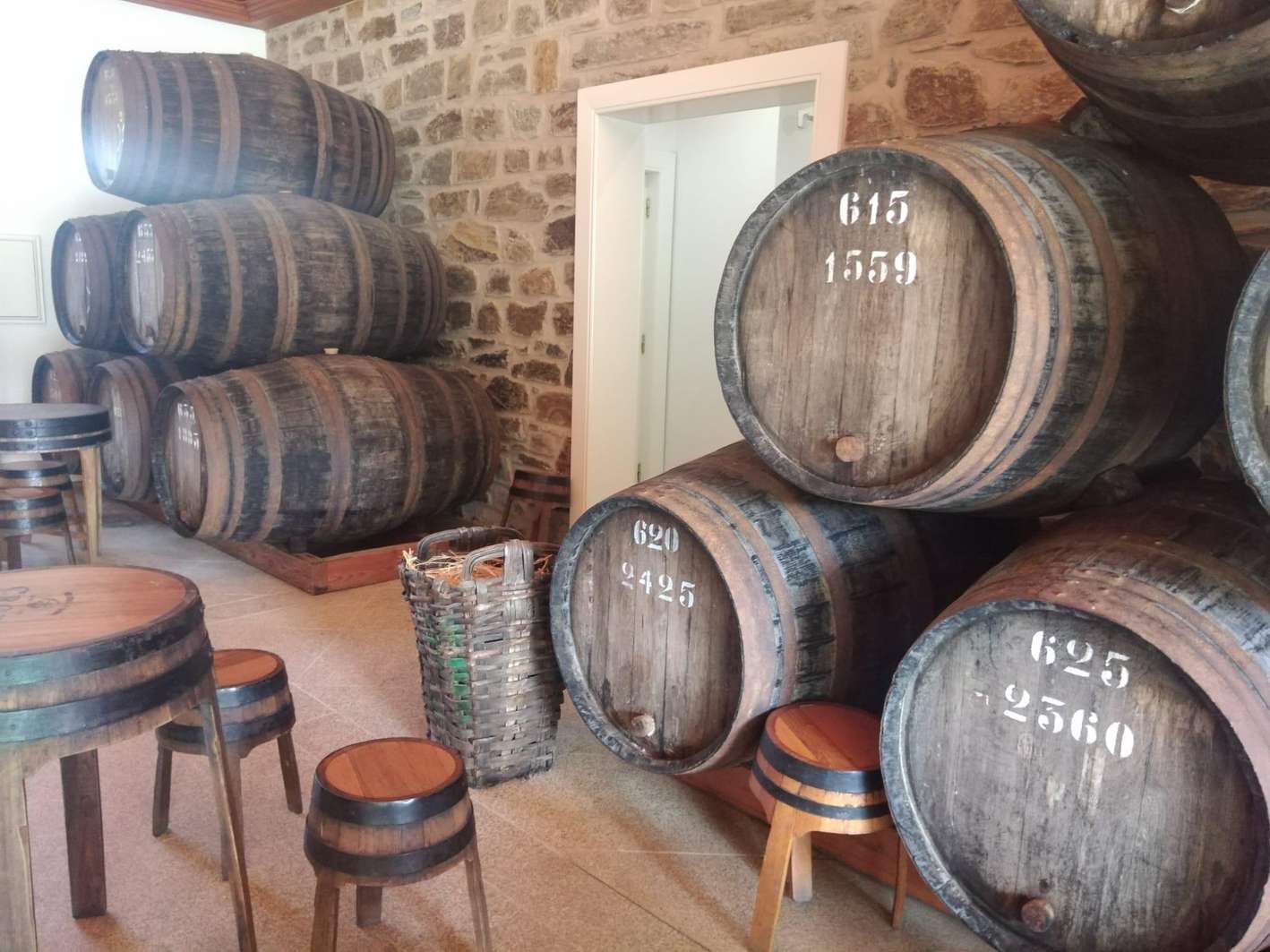
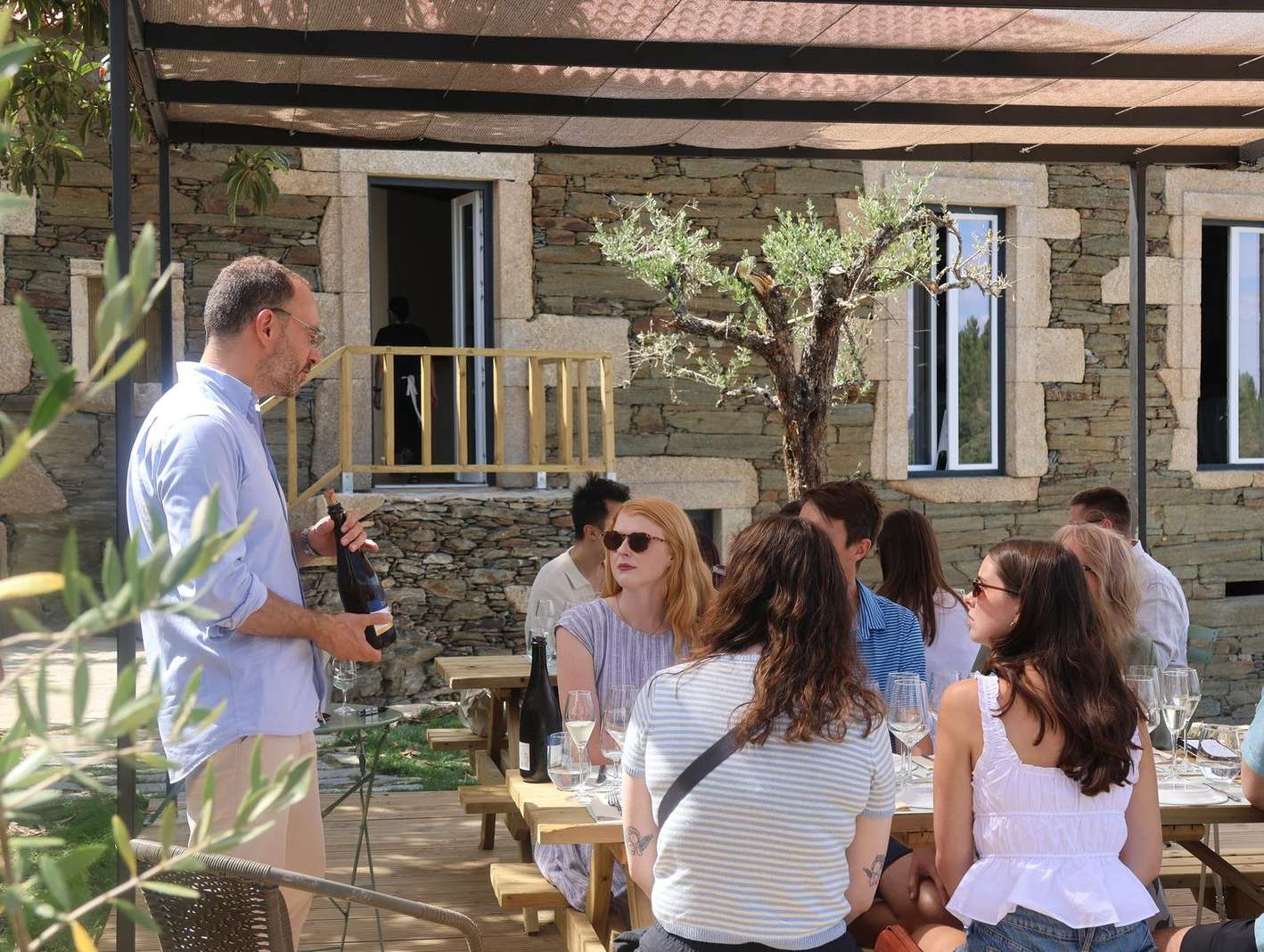
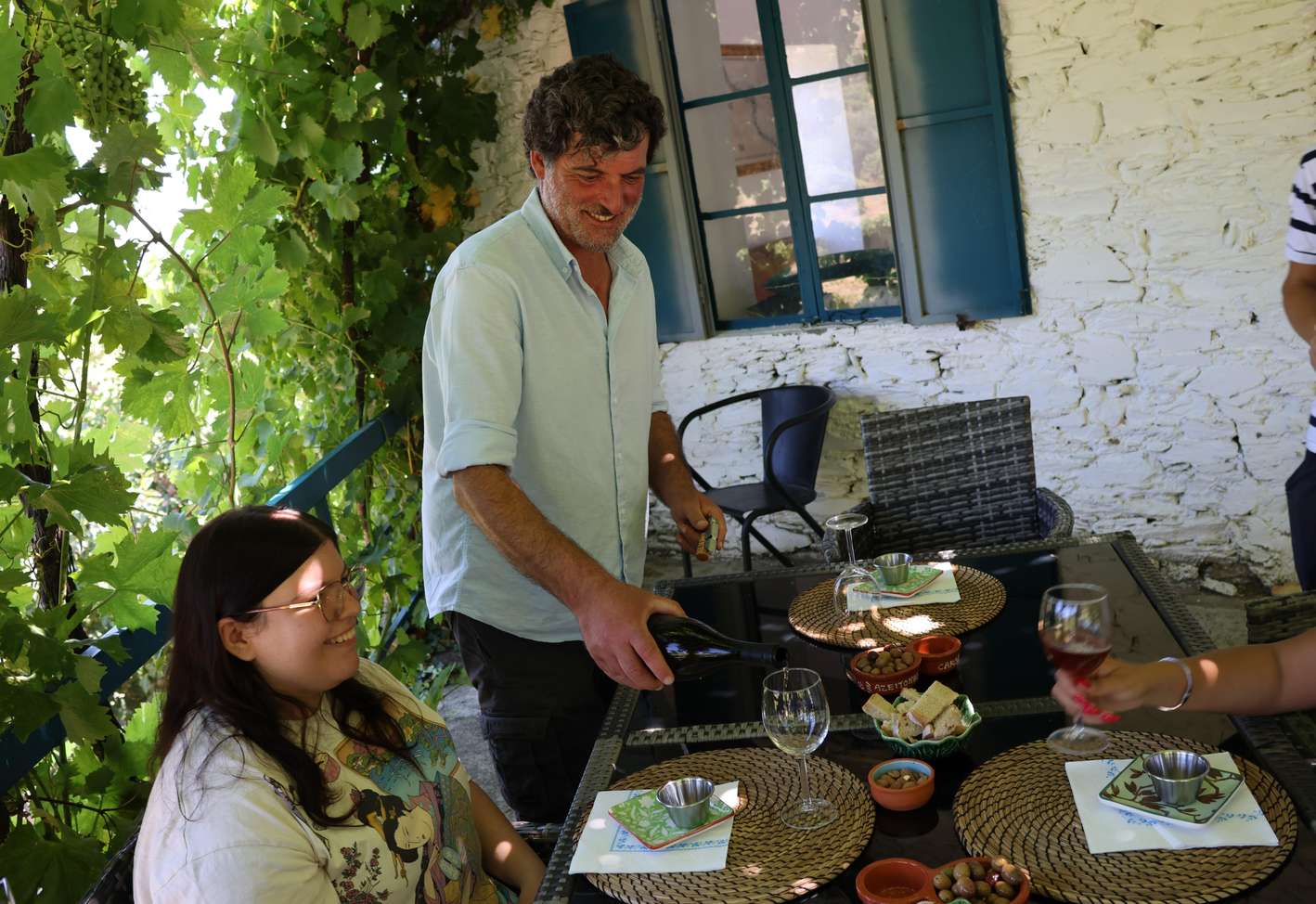
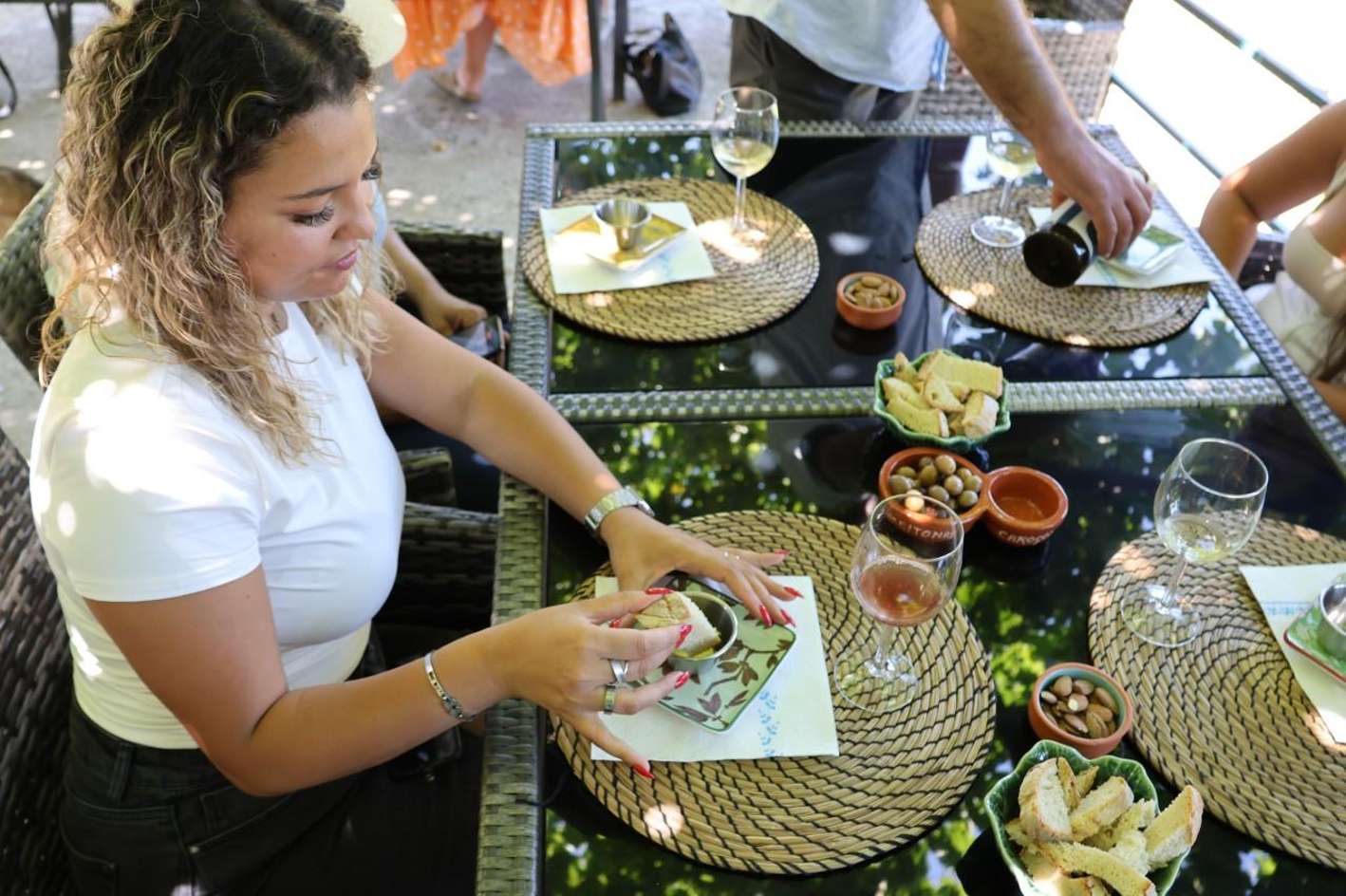
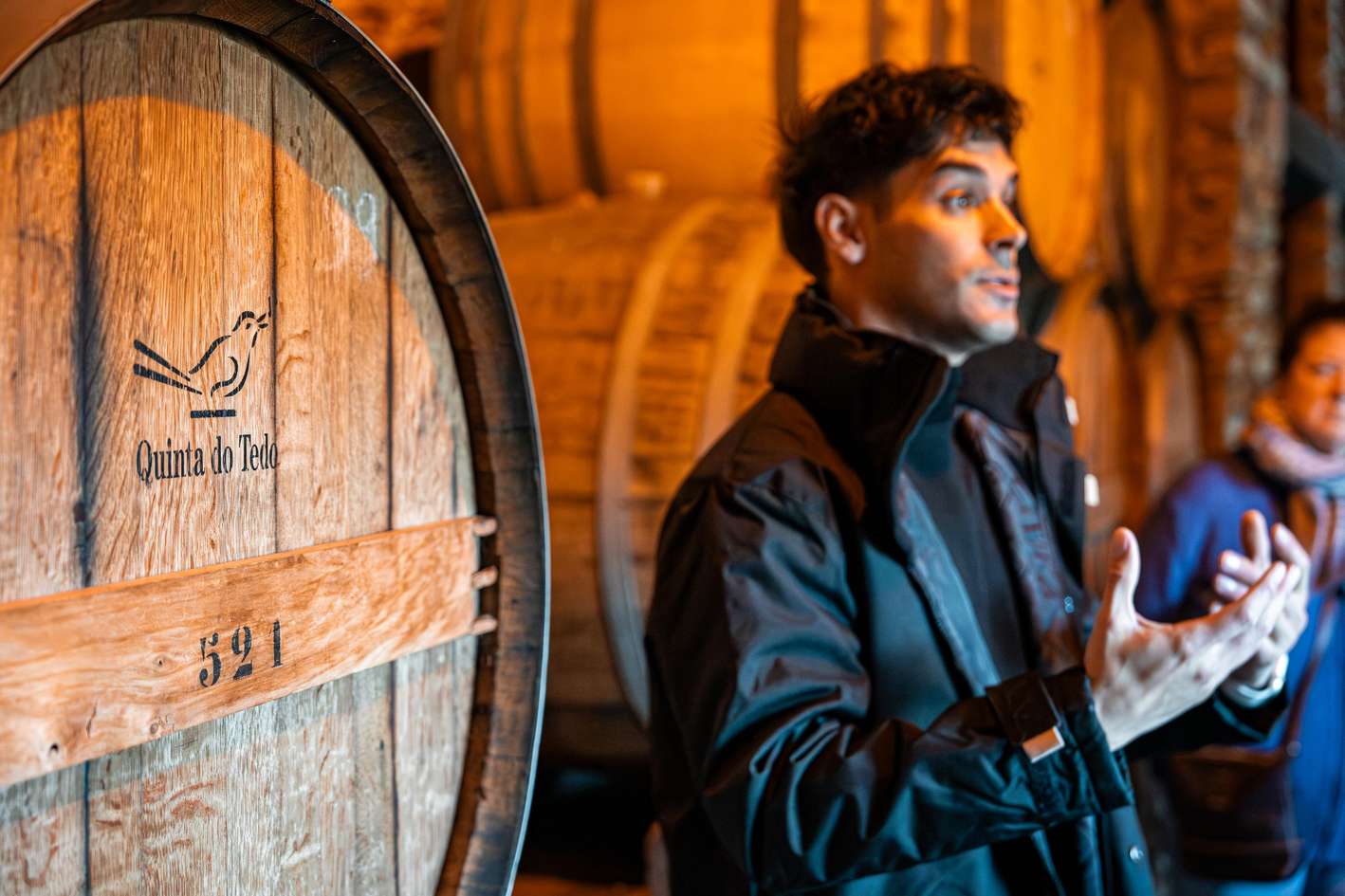
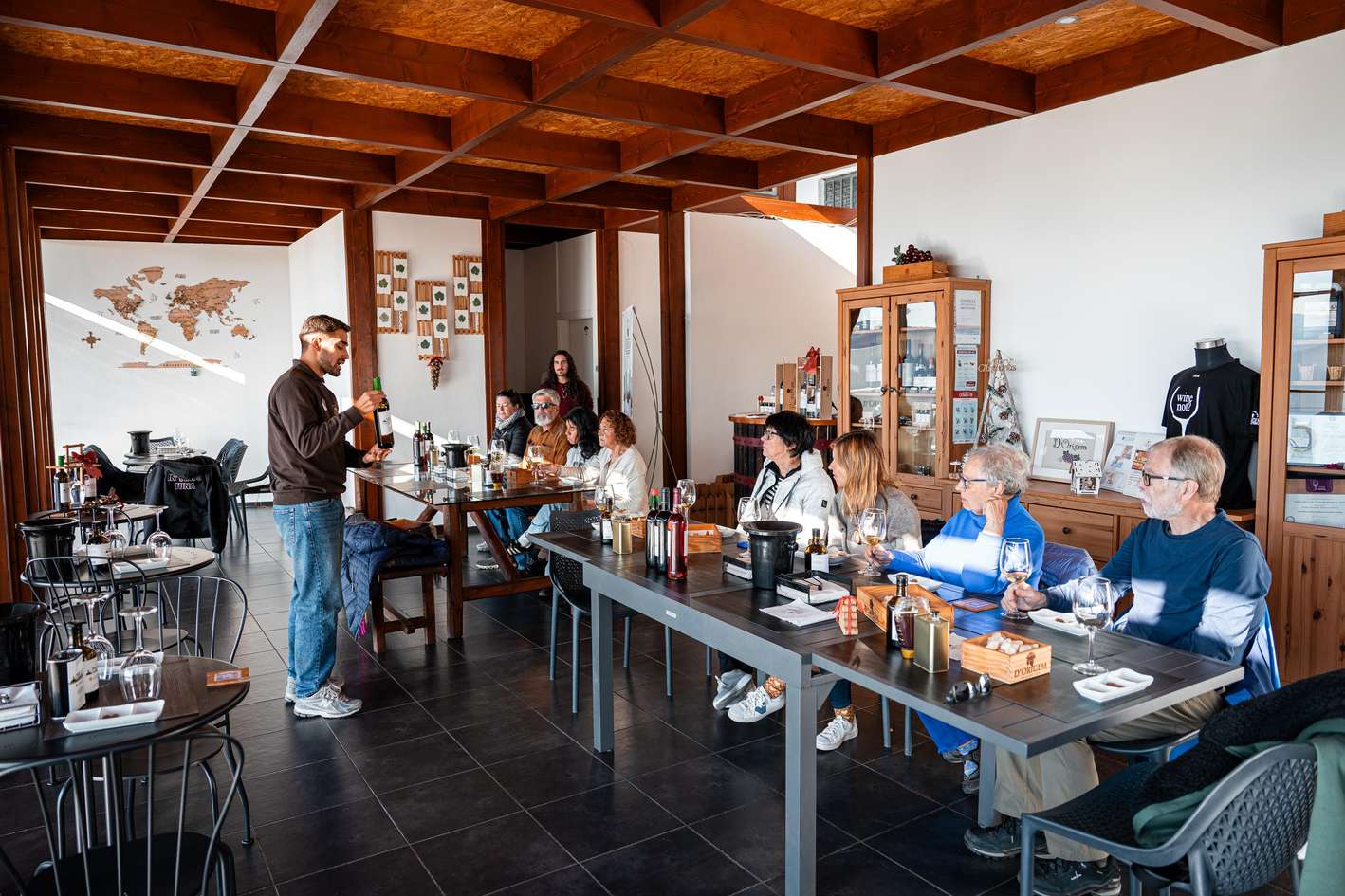
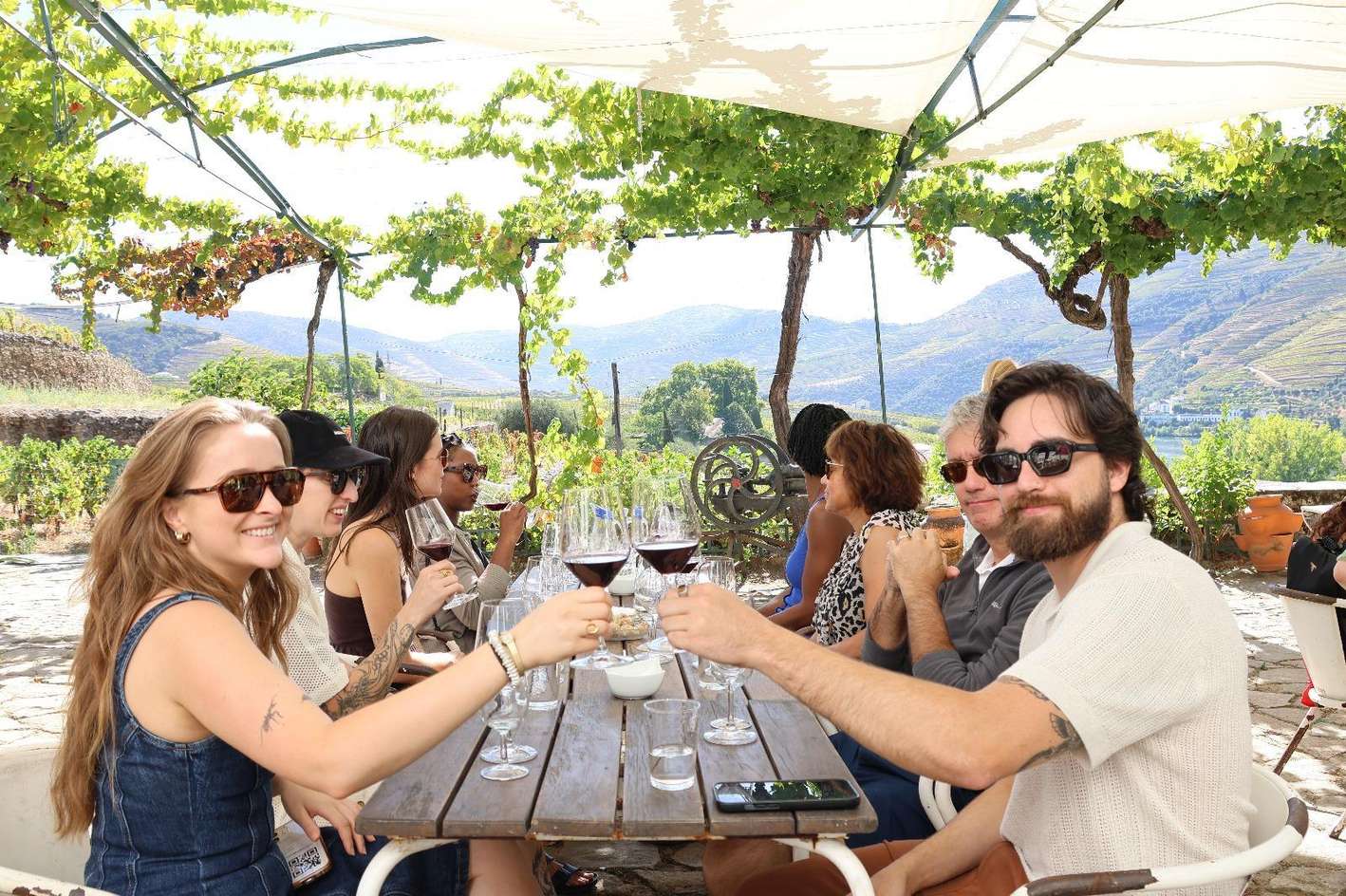
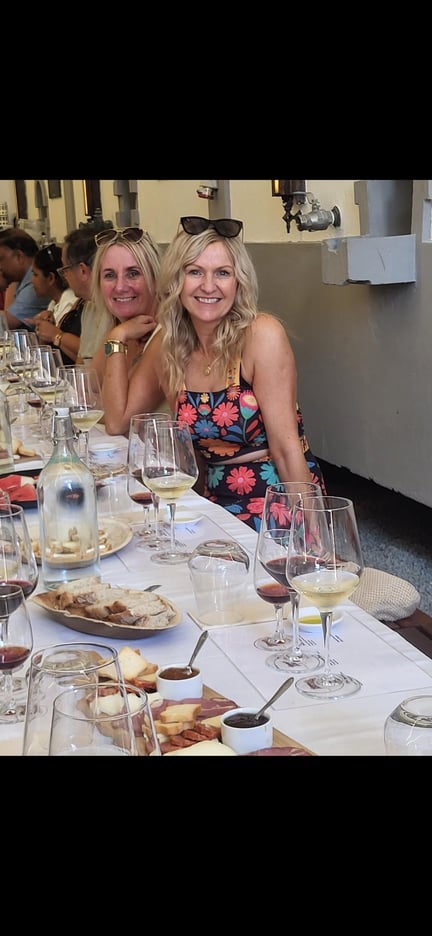
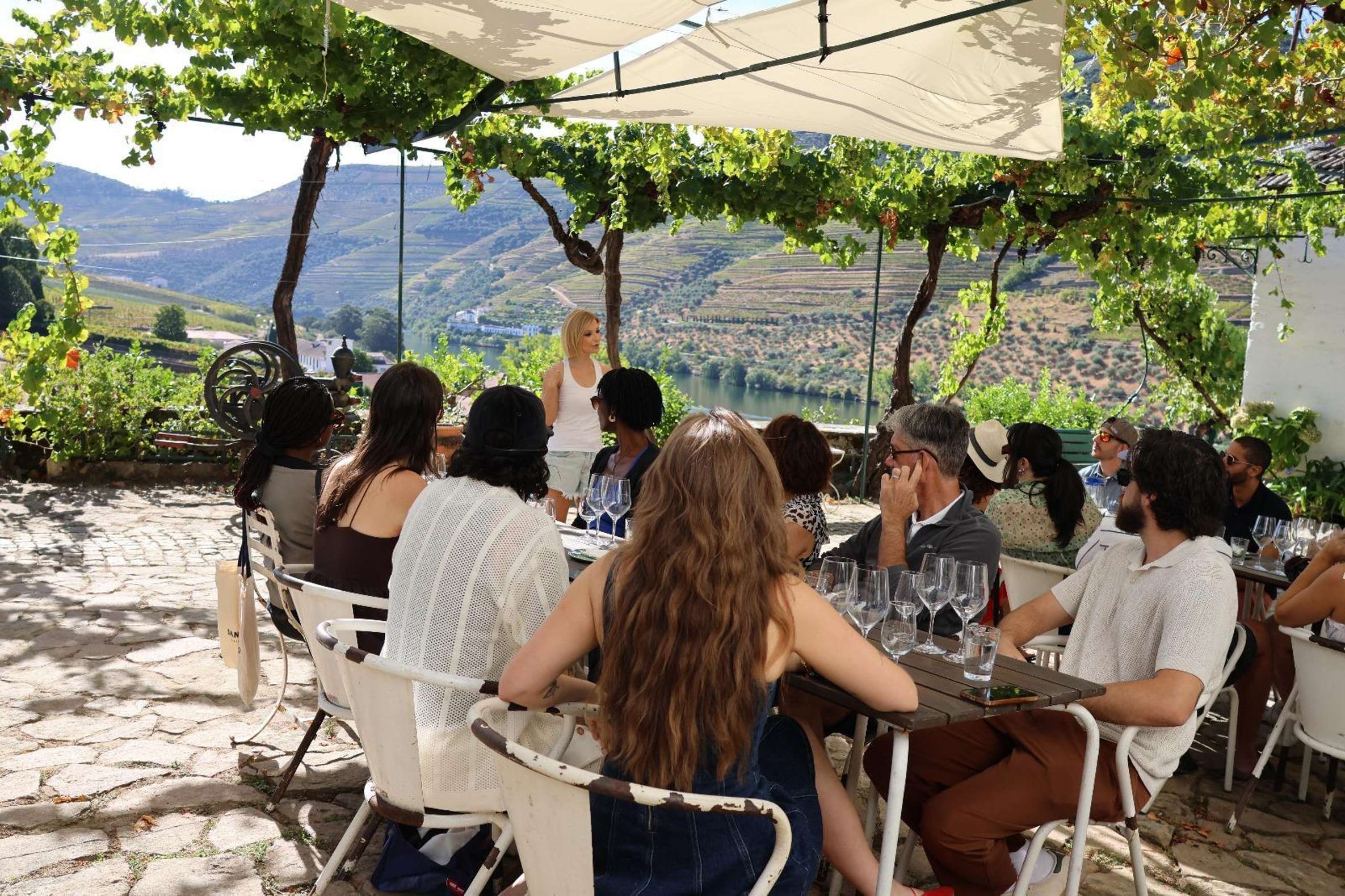
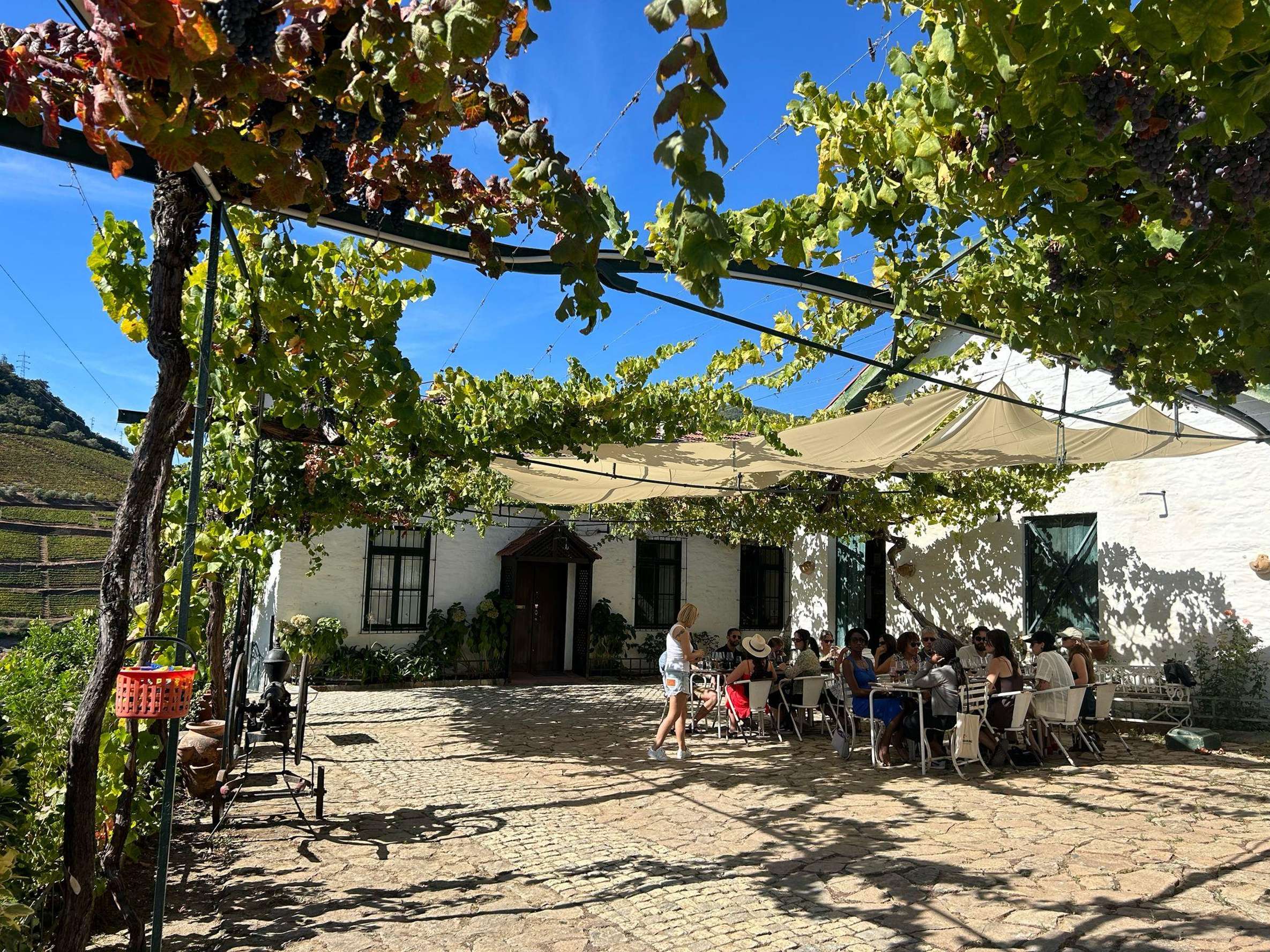
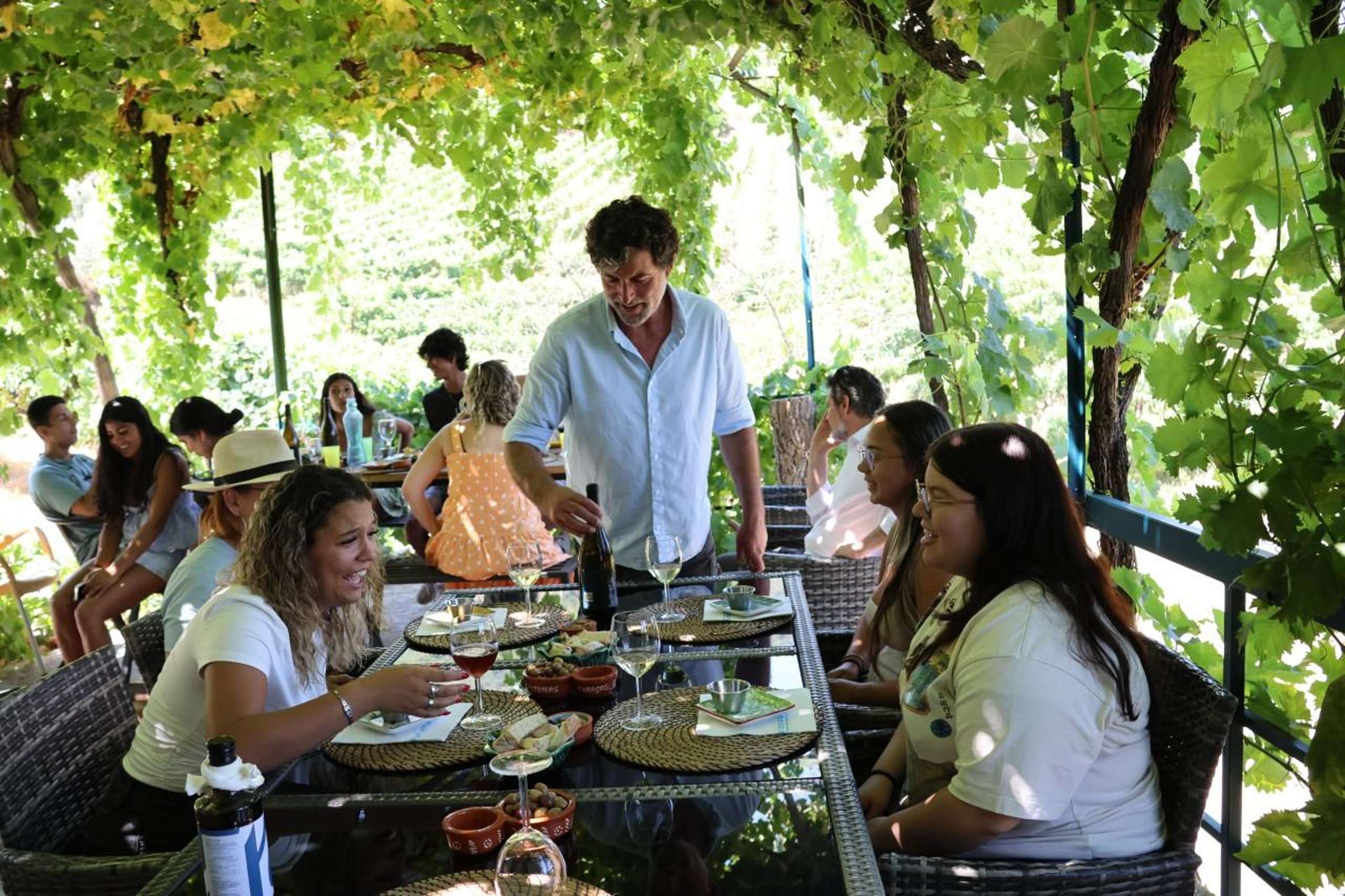
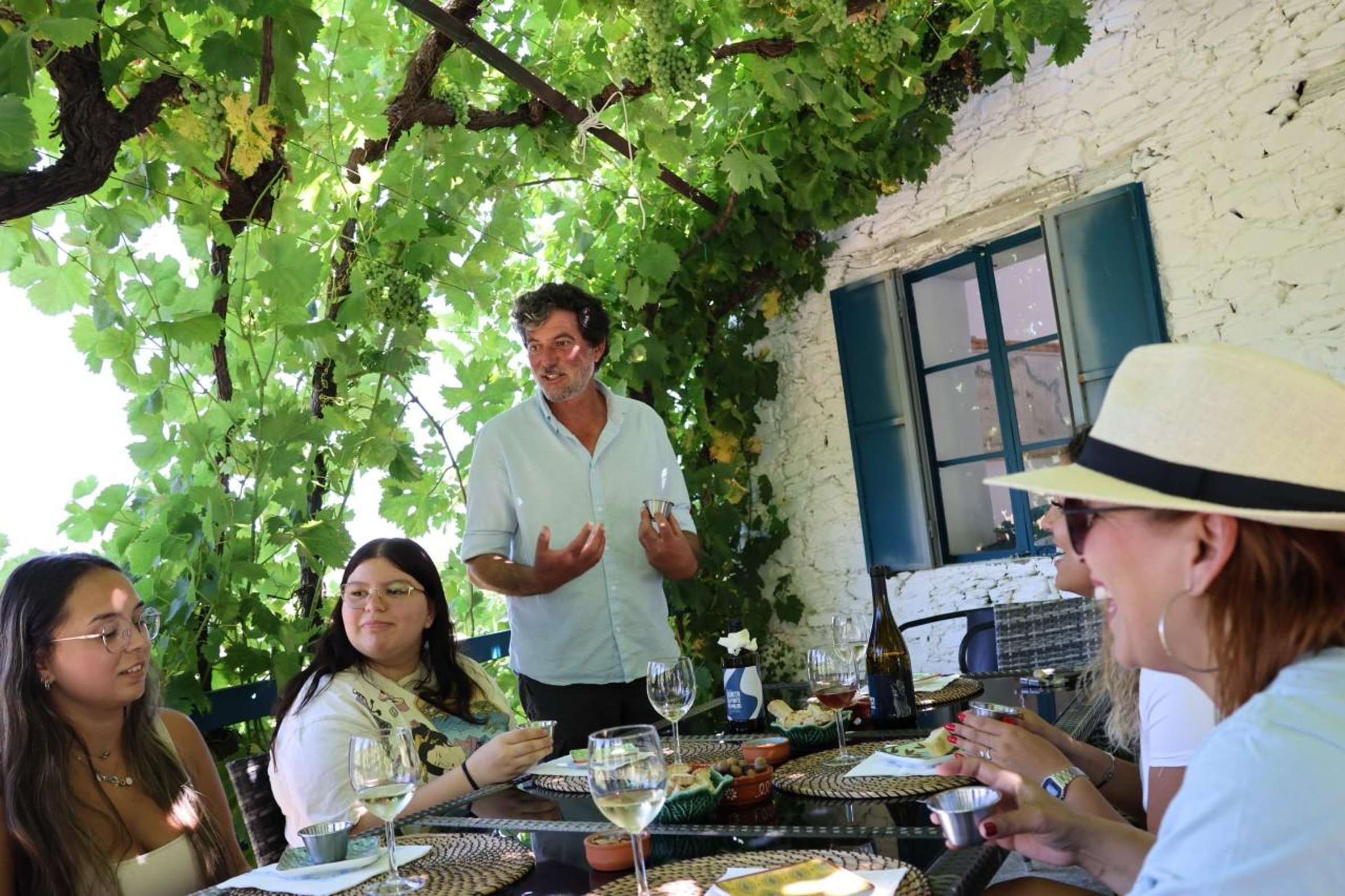
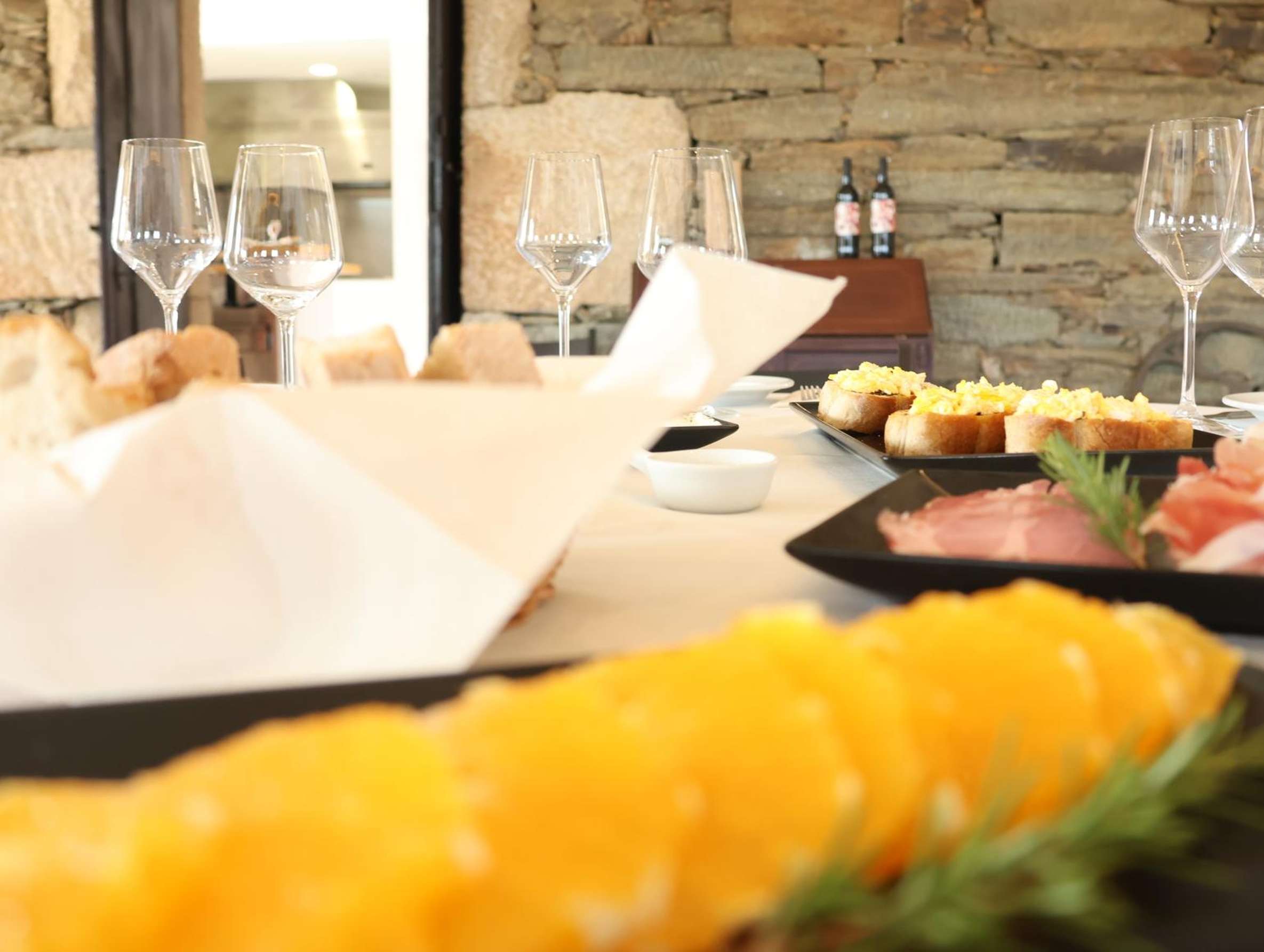
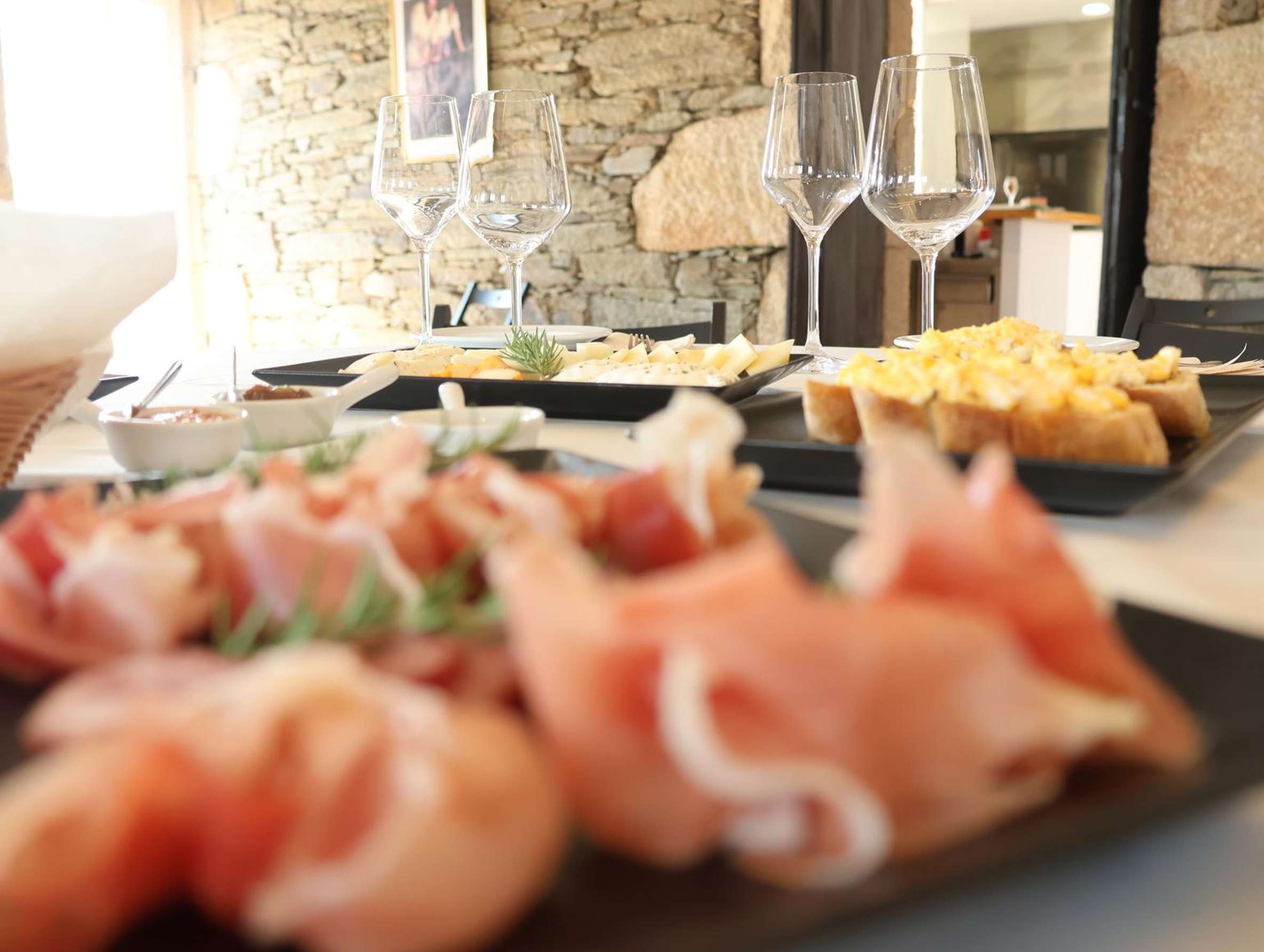
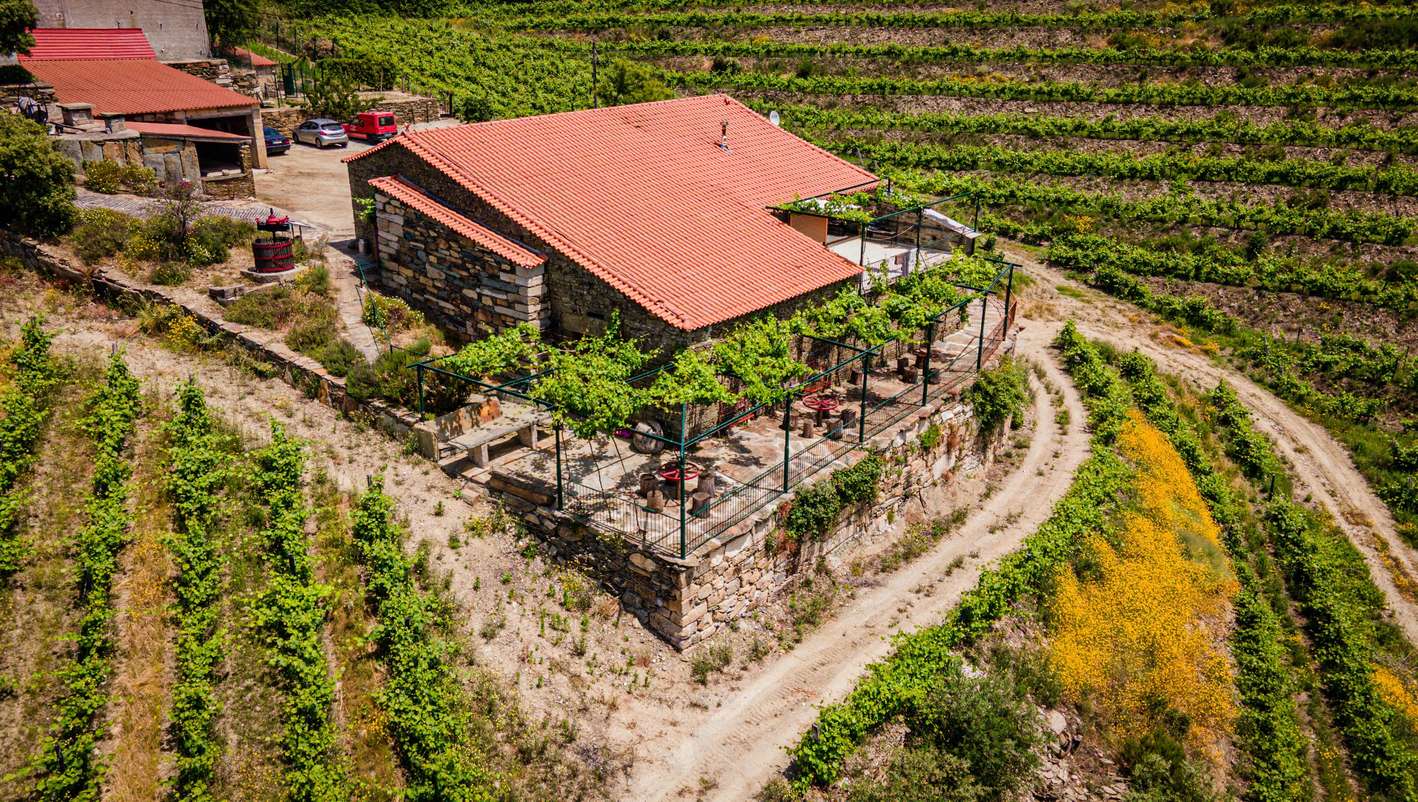
From there the route drops to a small family-run quinta for a generous stop: brunch from local producers, red and white wines, homemade olive oil, and the family telling how they make it all.
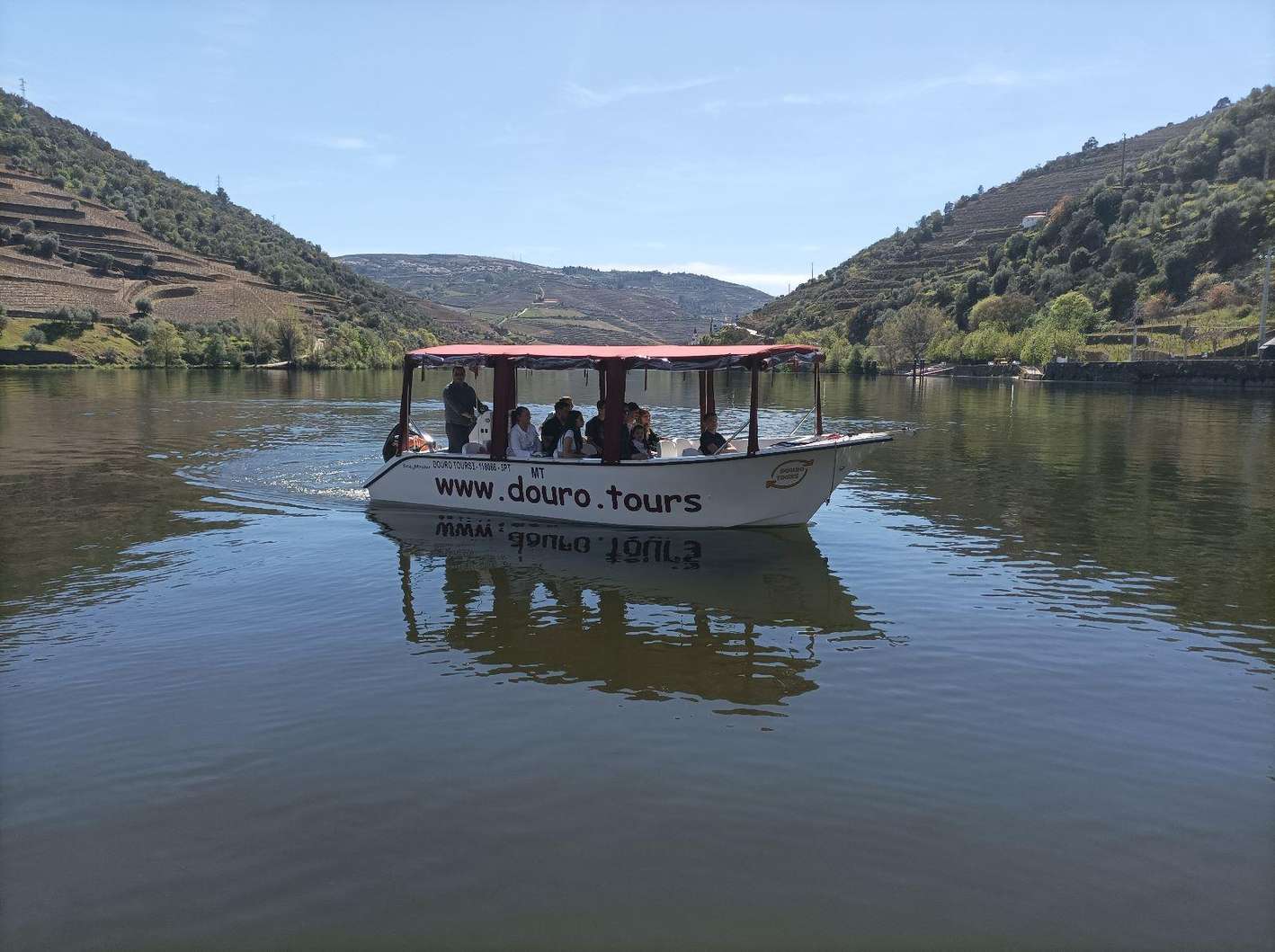
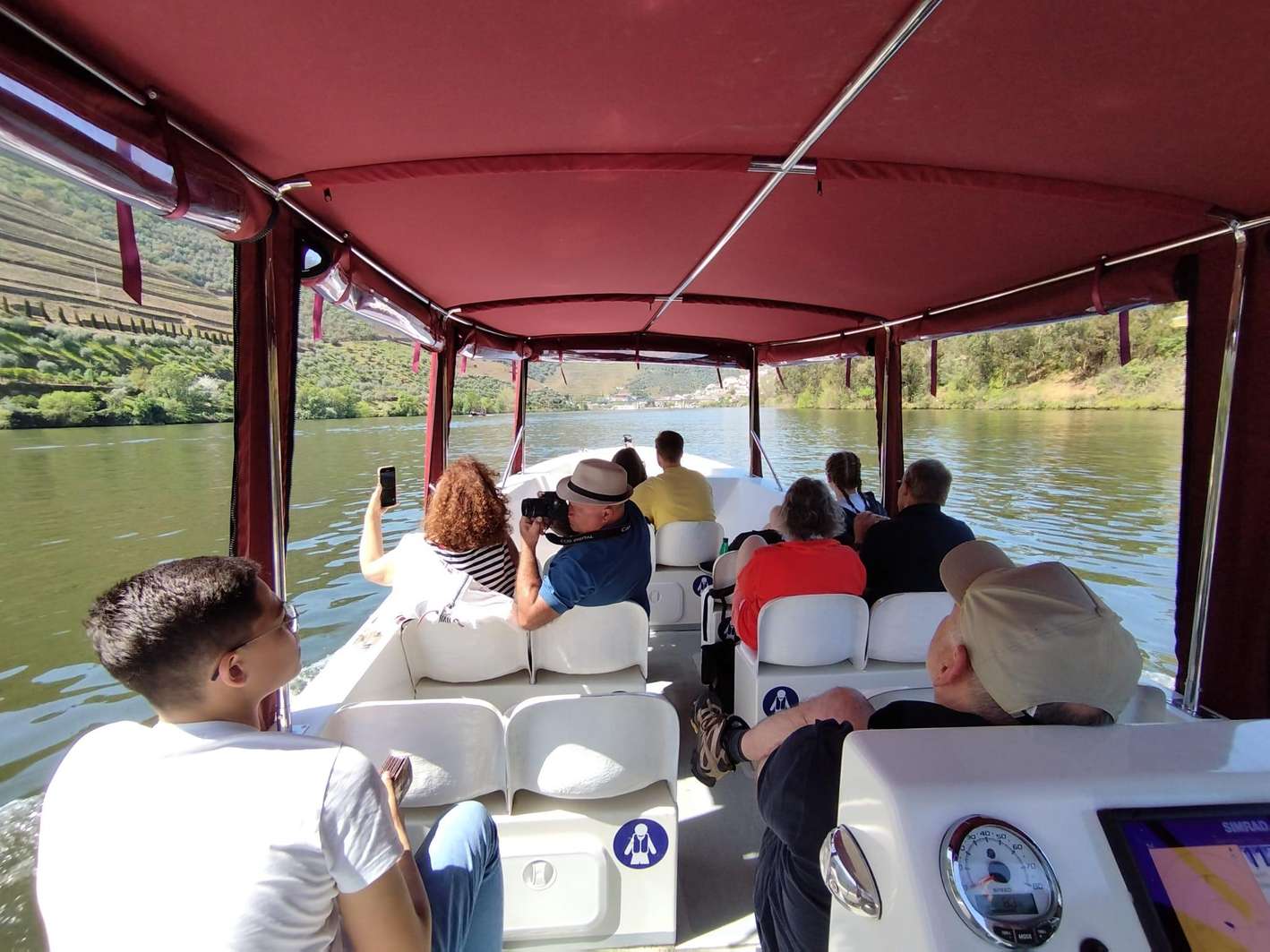
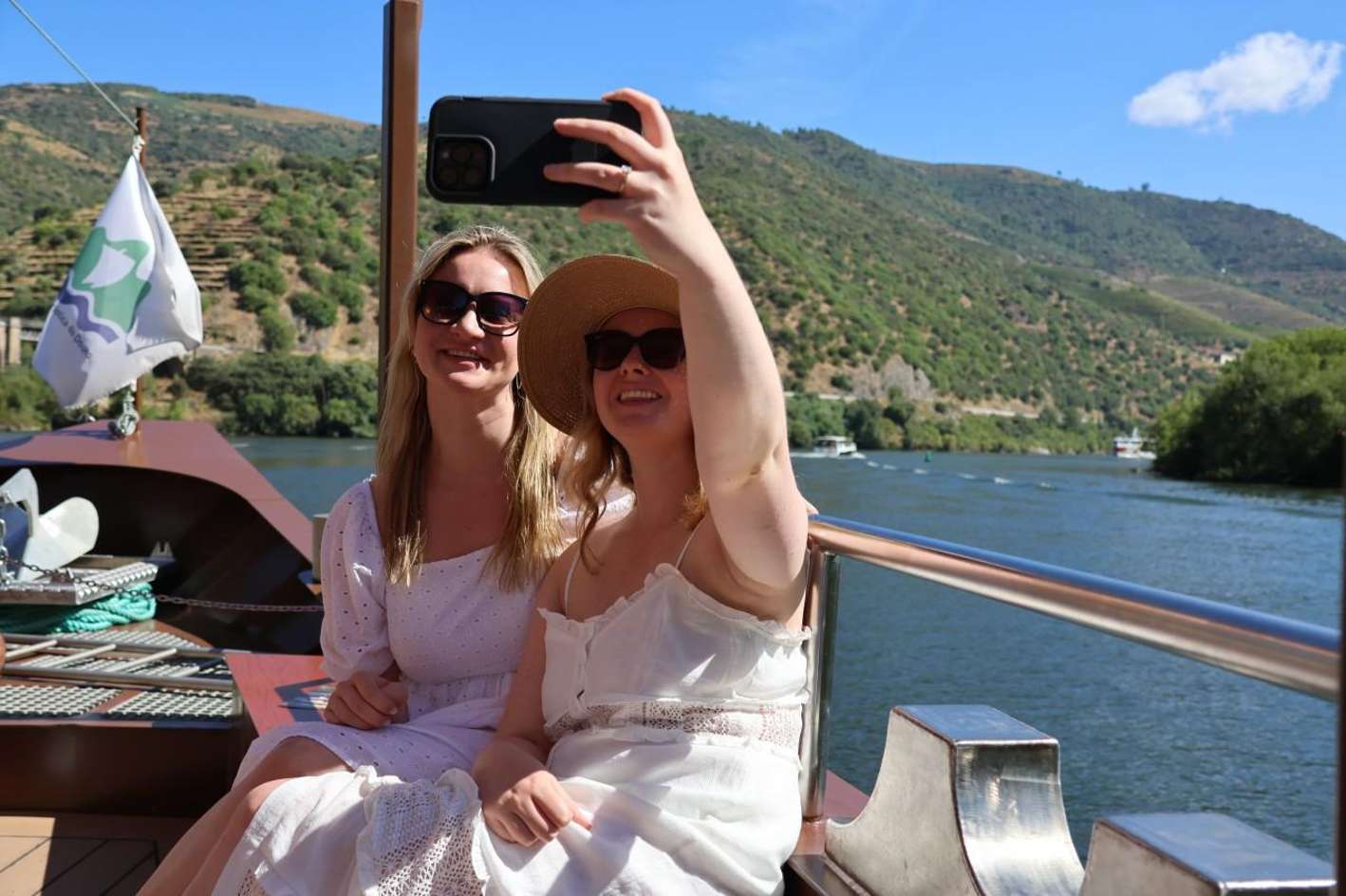
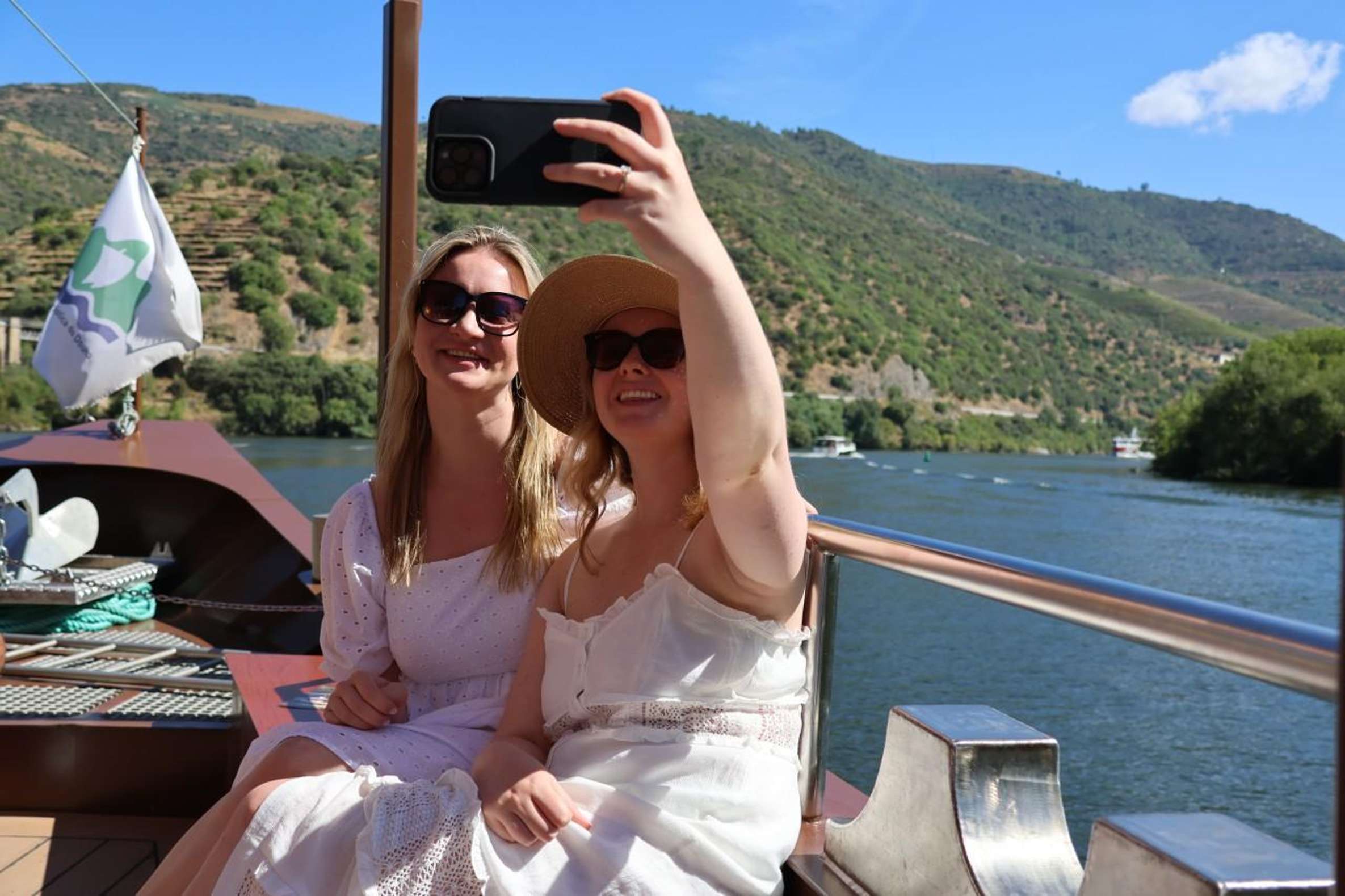
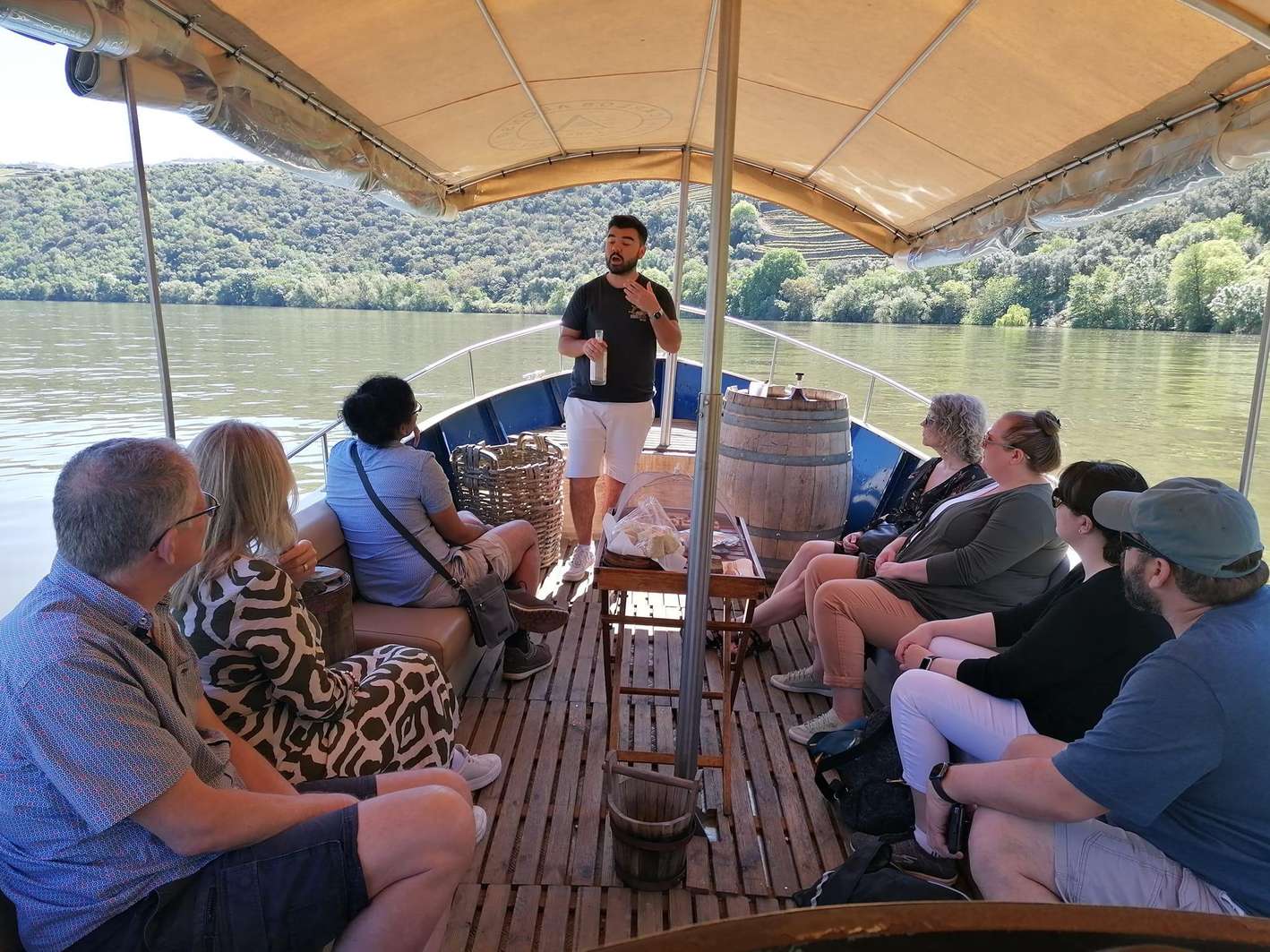
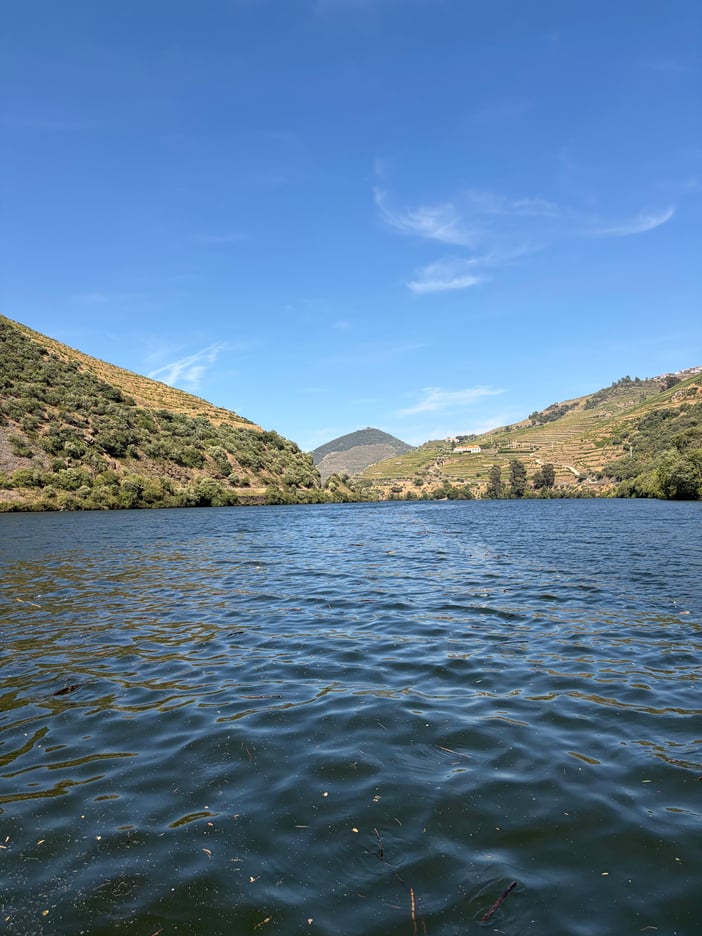
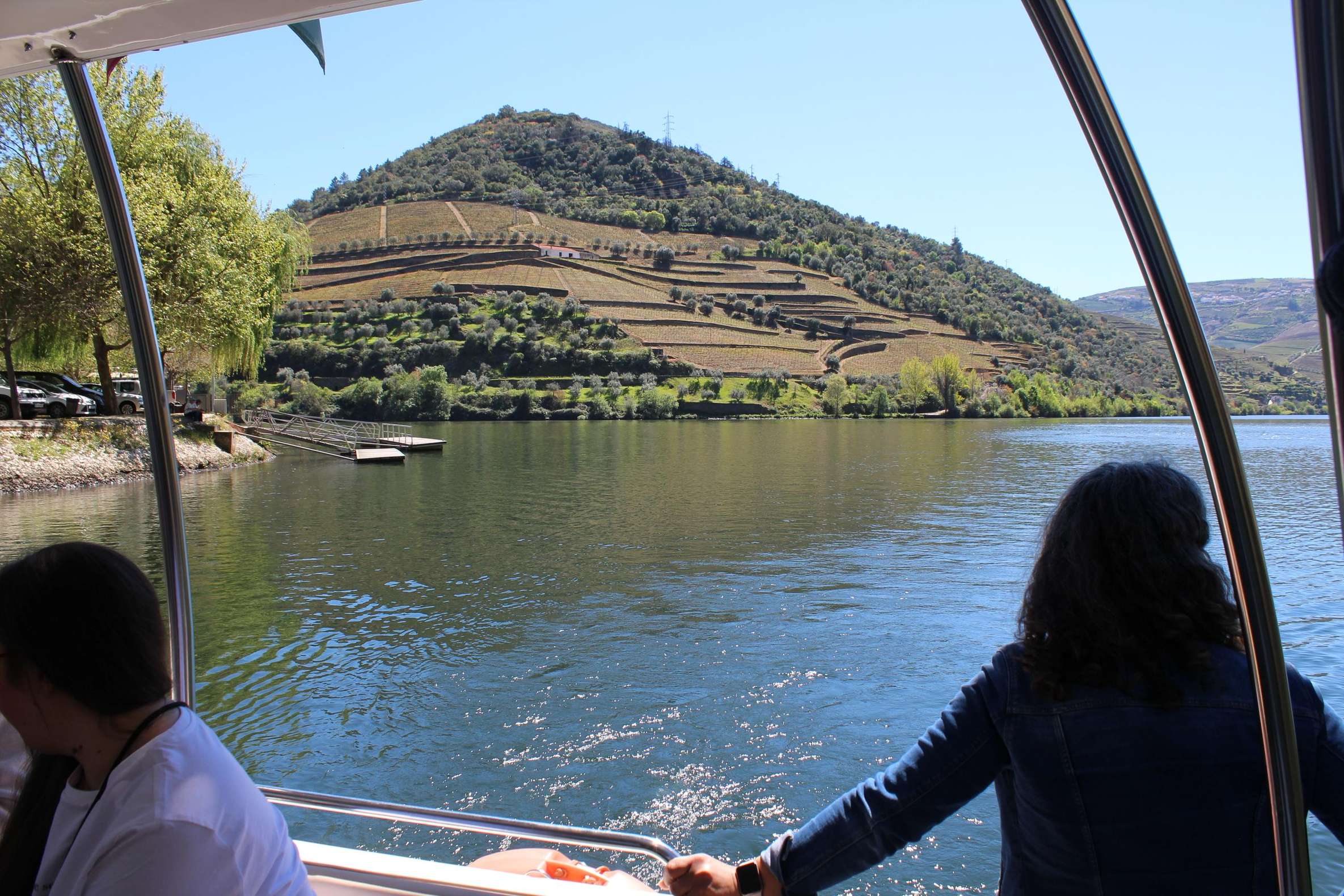
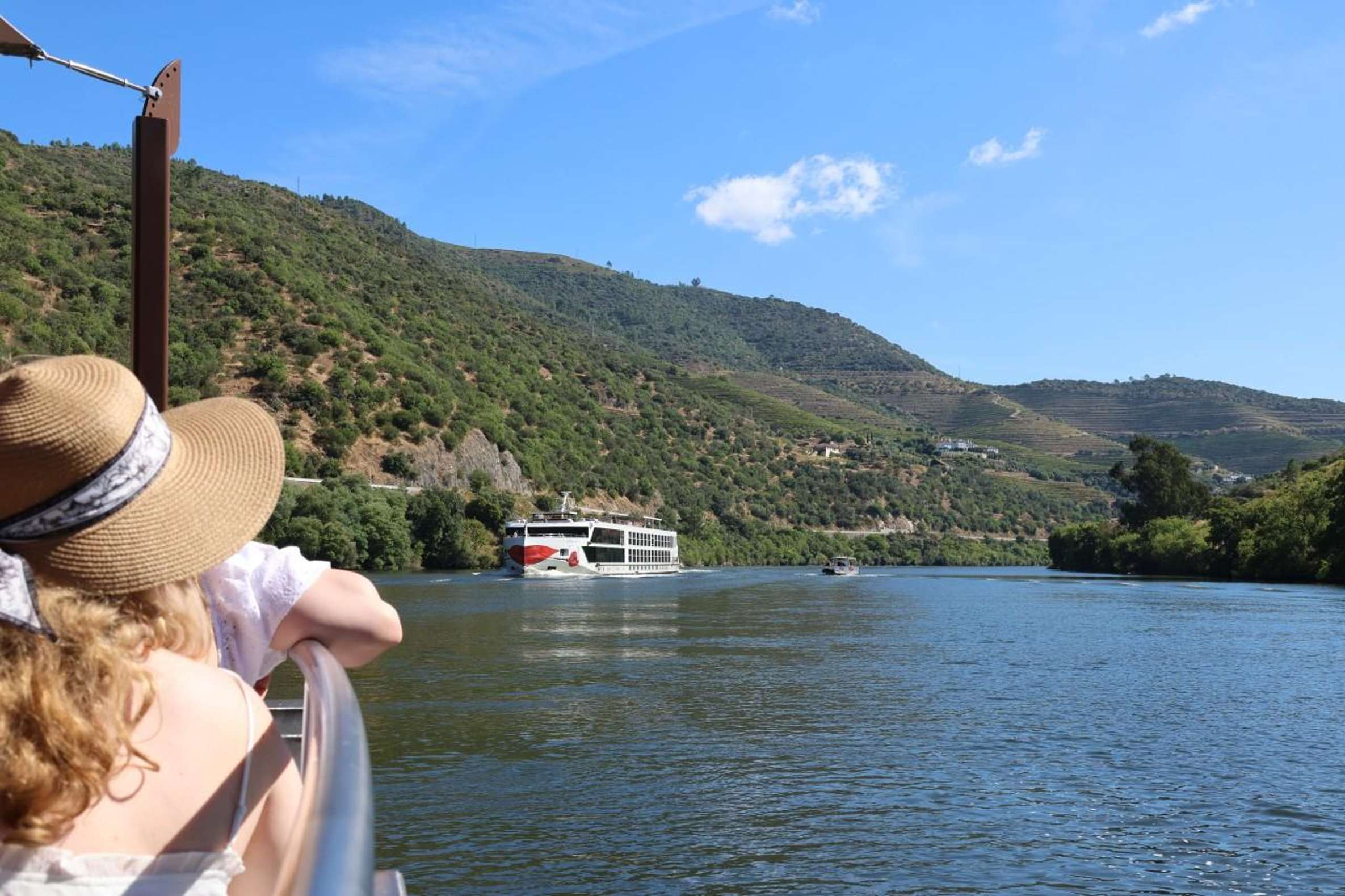
Then comes the water. In Pinhão you board a boat for an hour on the Douro, sliding past the terraces with a glass of sparkling wine, and pass the railway station famous for its azulejo murals of the grape harvest.
A second viewpoint on the way back rounds off a morning that runs roughly six hours, door to door from central Porto.
Meeting pointR. de Mouzinho da Silveira 34The tour ends where it began, back at the meeting point in central Porto, with the afternoon still open.Street View2Miradouro de Adorigo· 5 minA viewpoint over the Douro, your first look at the terraced hillsides from above. A short photo stop before heading down to the quinta.Street View3Quinta do Laranjo· 90 minA small family-run winery. Brunch of local products, tastings of red and white wines and homemade olive oil, and stories from the winemaking family.4Pinhão· 60 minA riverside village on the Douro. Board at the quay for a one-hour cruise past the terraces, with sparkling wine and snacks served aboard.5Miradouro São Cristovão· 5 minA last viewpoint stop on the drive back, for a final panorama over the river and vineyards before the return to Porto.Street ViewDrop-offR. de Mouzinho da Silveira 34The tour ends where it began, back at the meeting point in central Porto, with the afternoon still open.Street View
Where the other tours go
Peso da RéguaPinhão
From Porto: Douro Valley w/ Boat Tour, Wine Tasting & Lunch
Scenic drive through the Douro ValleyVisit to a family-run wineryTasting of red and white winesHomemade olive oil tasting1-h boat tour at Pinhão with a drink aboardStories from the winemaking family
Most reviewers praise their guides, naming them as funny, knowledgeable and full of stories about the valley.
Best surprise
Many travelers say the short trip far exceeded what they expected, with several calling the winery visit the best part.
Most common wish
Several couples wished there had been more wine tastings, mentioning just three short pours at the first stop.
How to book a half day Douro Valley tour
01
Pick your date and slot
Choose a morning or afternoon half day slot against your plans in Porto. Some Pinhão-based short tours run daily at 10 am and 2 pm; from Porto, morning options start around 7:30 am and afternoon escapes later in the day.
Pro tipAn early departure reaches the valley viewpoints before the buses that leave Porto at 8 am arrive around 9 am
RecommendedPick a date you can still cancel, since most of these tours refund in full up to 24 hours before
02
Choose the right option
Read what changes between options, because it is more than the language. Half day variants drop the lunch and the second winery: one morning option runs about 7 hours without lunch, while a 6-hour option adds a winery brunch and a boat ride.
Common mistakeBooking a full day variant by accident when you meant the half day one, then losing an afternoon you had planned
Pro tipBook the same option as your travel companions, since groups who book separately must tell the operator in advance to share a vehicle
03
Decide on hotel pickup
Some half day options run from a meeting point, others collect you at your hotel. If you choose pickup, enter your accommodation at checkout or contact the operator at least 32 hours before; otherwise you default to the meeting point.
ImportantHotel pickup times for morning tours fall between 7:30 am and 8 am, and the exact time arrives the day before
Pro tipIn central Porto the vehicle may stop up to 5 minutes on foot from your door, because narrow streets cannot be accessed
04
Check your confirmation
After payment you get a voucher with the meeting point and start time. Arrive 15 minutes early for meeting-point tours; the Pinhão short tours ask you at the quay kiosk 30 minutes before departure. Keep an eye on messages from the operator.
ImportantCertain Douro Valley day tours require a passport or ID card, so carry it on the day
Common mistakeAssuming a no-show grace period; one operator allows only 5 minutes of waiting after the scheduled start
05
Prepare for the morning
Pack light the night before: comfortable shoes, sun protection and water. Pinhão boats and popular weekday departures fill up close to the day, so if your date falls in harvest season, book a week or more ahead rather than walking up.
RecommendedBook weekend Pinhão cruises one to two weeks ahead in September and October, since they sell out
Pro tipOn harvest weekends the N222 slows with tractors carrying grapes, so favor the earliest slot you can get
What to know before you book a half day tour
Can stop the dayGood to knowGood news
01
ChoosingWhat it is, who it suits, when to go
5
Group size
Half-day trips work best in a small van, where 8 to 12 people can reach the narrow hillside roads that lead to family-run wineries. Large coaches mostly stick to valley towns and big, mass-capacity estates. Book with a smaller operator if you want the boutique quintas.
What is included
A short option typically bundles transport, one winery visit with tastings and a boat cruise, sometimes with a brunch or regional snacks instead of a sit-down lunch. Tips, extra drinks and bottled water usually cost extra. Olive oil tastings often come with the wine.
Driving time
The A4 motorway through the Marão Tunnel gets you to Peso da Régua in about 75 to 85 minutes each way. A half-day tour saves almost no road time: the shorter day comes from fewer stops, so expect roughly 3 hours of driving in total.
Motion sickness
The scenic N222 between Peso da Régua and Pinhão packs 93 bends into 27 kilometres. Drivers on these tours know the road and give you a heads-up before the winding stretches, so sit up front and keep your eyes ahead if you are prone to car sickness.
Booking aheadCan stop the day
Most quintas require advance reservations and turn walk-ins away, so a short visit with no booked tasting can end with little to do. In the September and October harvest, boutique tastings and estate lunches fill 3 to 4 weeks ahead.
02
BookingHow far ahead, and what happens if plans change
2
Cancellation
The tours on this page allow you to cancel up to 24 hours in advance for a full refund. Tastings and lunches run rain or shine, with covered boats and indoor rooms when the weather turns, so a grey day does not end the plan.
Minimum guestsCan stop the day
One of the brunch-and-cruise options runs only with at least 3 participants booked. If you and your companions reserve separately, tell the operator in advance so your transport can be coordinated; asking on the day may be too late.
03
Before you goPapers, health, what to bring
3
Documents
Some Douro Valley day tours require you to bring a passport or national ID card, so carry it in your day bag. A physical document is what counts at check-in, not a photo on your phone.
Age limits
Under 18s cannot drink alcohol at tastings. Some tours from Porto do not accept children under 6 at all, so check the age rule on the option you pick before booking.
What to wear
Wear sturdy closed-toe shoes with good grip for the steep, uneven schist terraces, and skip flip-flops and smooth soles. In July and August the valley runs 3.5°C to 4.7°C hotter than Porto, so bring a hat, sunscreen and water.
04
On the dayWhere to be, when, and how you get there
2
Meeting point
Tours leaving from a central meeting point ask you to arrive 15 minutes before the start time, and the guide waits only 5 minutes after that. Pinhão-based tours ask you at the quay kiosk 30 minutes ahead. Check your booking for which applies.
Hotel pickup
Most Porto tours pick you up at your hotel between 7:30 am and 8 am, with the exact time sent the day before. Some historic streets are too narrow for vans, so you may be asked to walk up to 5 minutes to a nearby spot.
The half day Douro Valley wine guide
The valley sits nearly two hours from Porto, yet five or six hours there can still deliver a tasting, a viewpoint and an hour on the water. What a short day cuts, costs and keeps is exactly what decides whether it deserves your only free morning.
Porto· 41.14° N, 8.61° W
If you only remember three things
1
Leave Porto by 7:30 am, or the coaches get to the viewpoints before you do.
2
Plan for about 1.5 hours of driving each way, because the shorter itinerary spends its savings at the estate, where one winery replaces two.
3
Cancel up to 24 hours ahead for a full refund, so booking early costs you nothing if plans shift.
Is a half day in the Douro Valley enough?
The doubt is fair. Porto's wine story has a second act across the river in Vila Nova de Gaia, where the historic port lodges sit in a row and a tasting fills an afternoon of city wandering. So why drive inland at all?
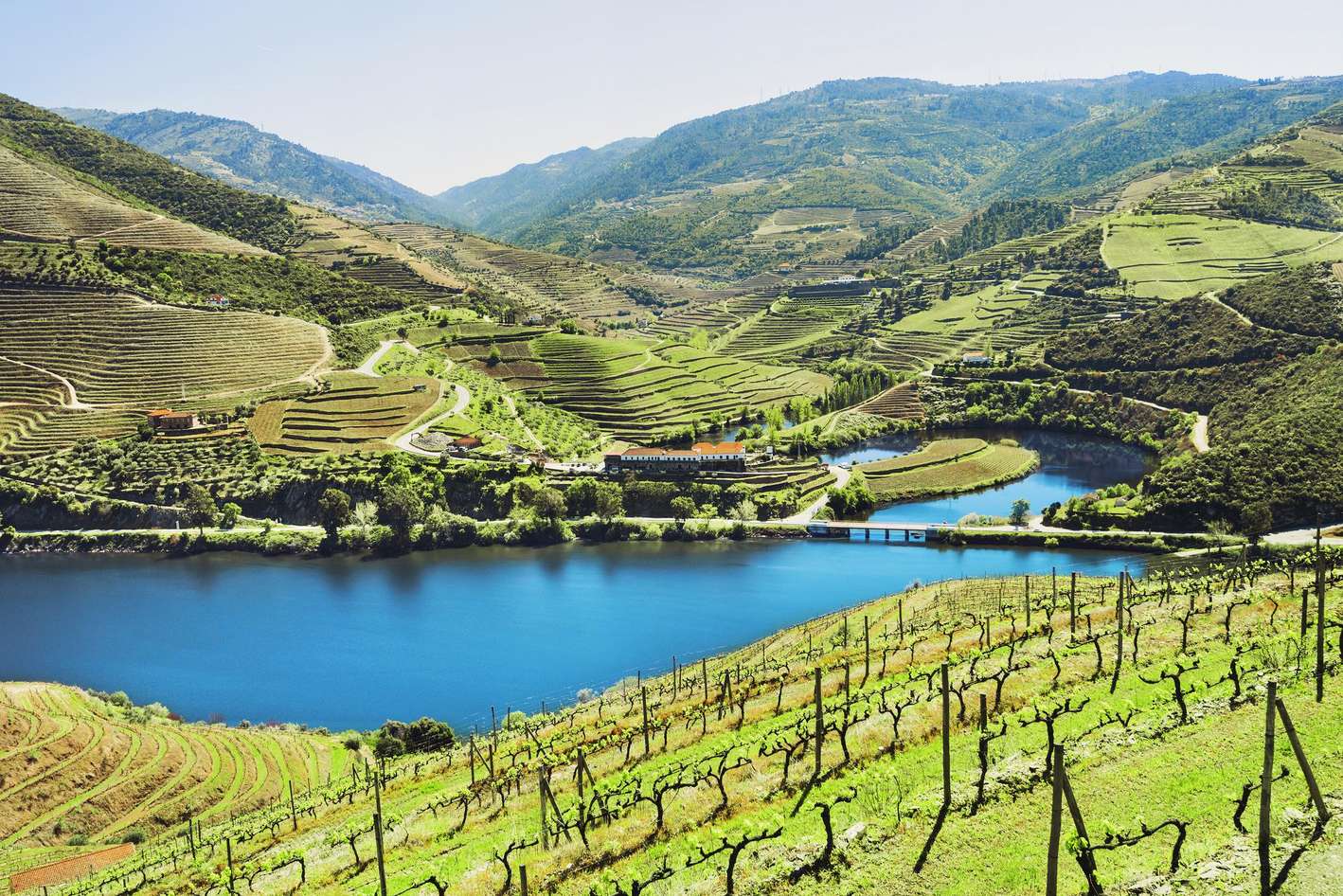
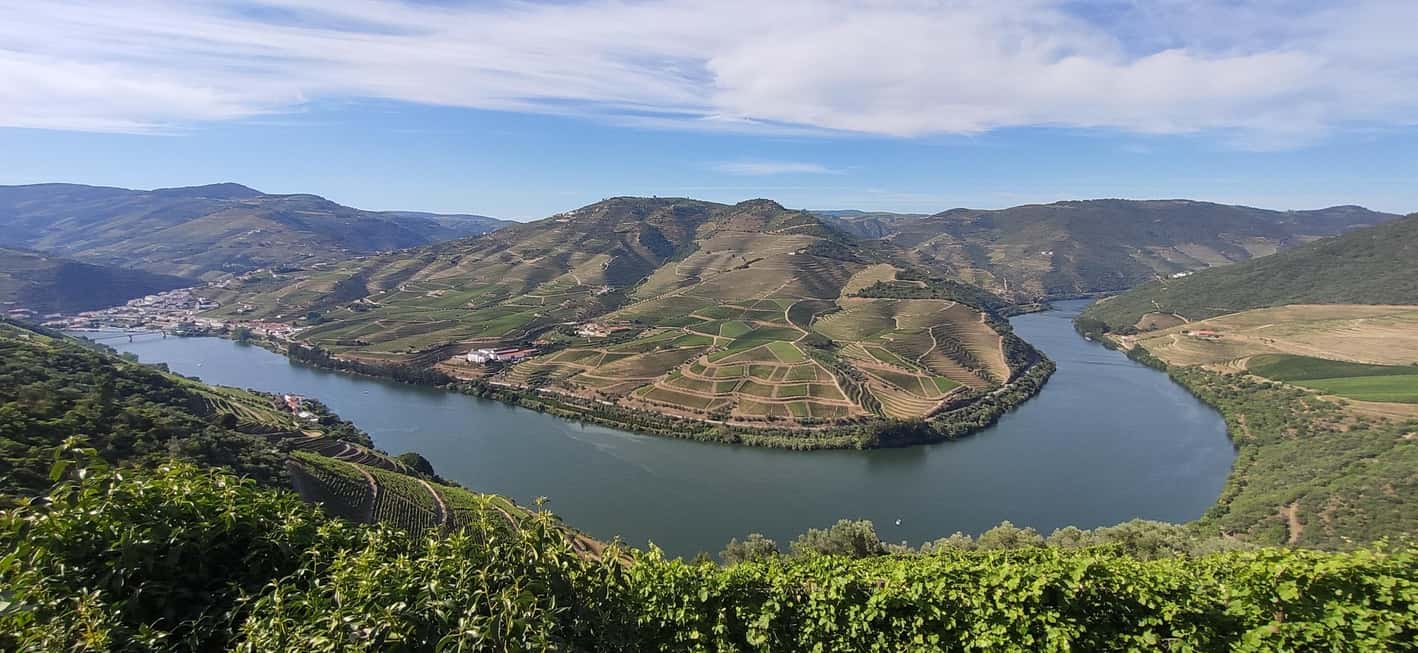
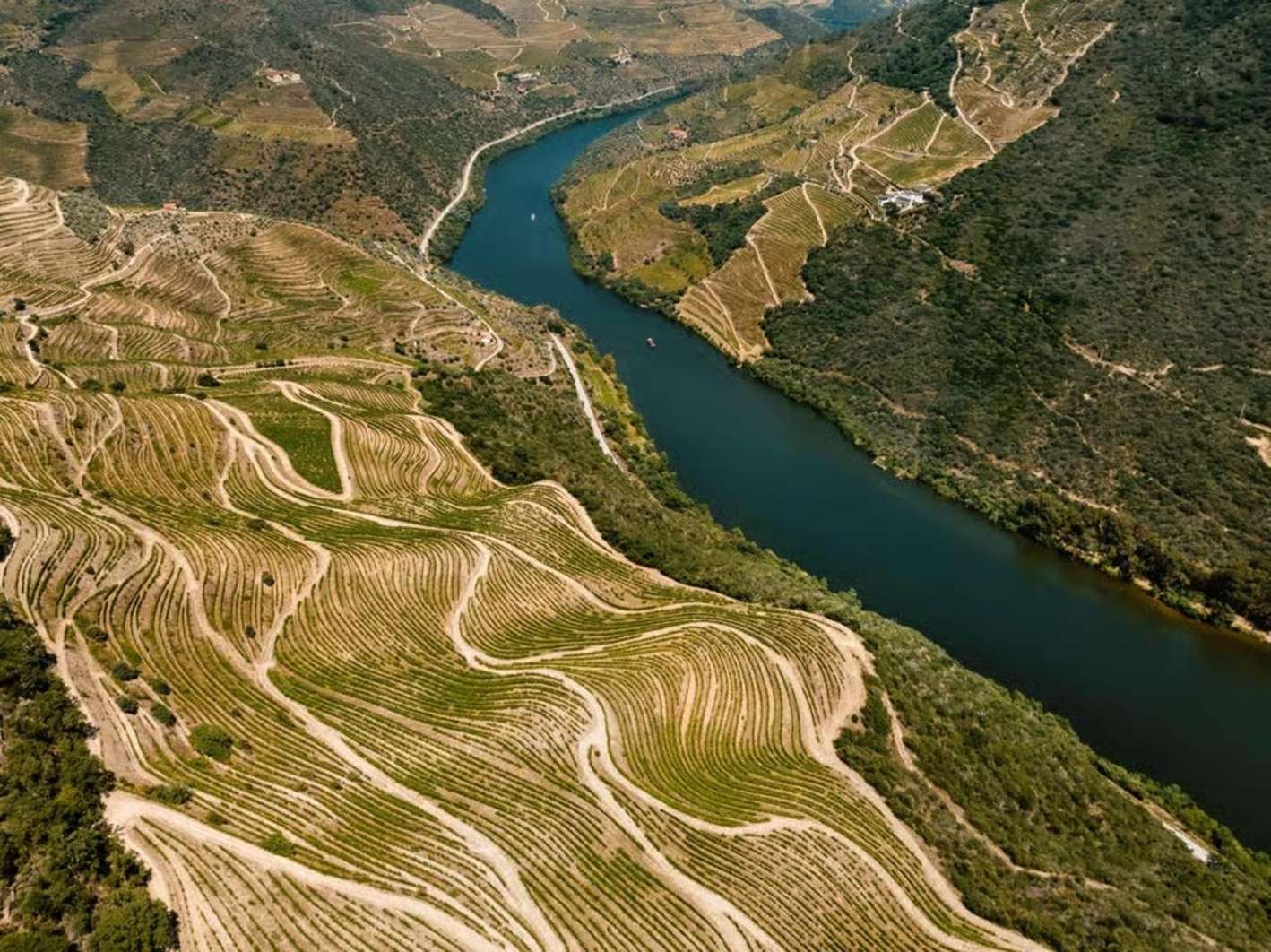
Because the two are different days. Gaia gives you cellars and city streets. The valley gives you the source: hand-built schist terraces climbing hillsides so steep that UNESCO has protected the stonework itself since 2001, as part of a living wine landscape shaped over two thousand years.
A single focused excursion is enough to taste that. You do not need a multi-day route or the full-length train journey to feel the place; one estate, one viewpoint and an hour on the water carry it.
The honest condition is your Porto stay. With two days in the city, stay in the city. With three, the valley works beautifully as your third day, especially if wine drew you here in the first place.
A few beliefs travelers carry up the river deserve sorting before you book.
What people wrongly assume
MythThe Douro only rewards a multi-day trip or a full-day epic
Reality
One well-chosen estate, a viewpoint and an hour on the river deliver the essentials in half a day
MythA short tour means a whole day of roadside driving
Reality
The scenic stops and the estate are the trip; the driving is roughly the same as on a long tour
MythThe valley can replace your Porto sightseeing
Reality
Porto needs two full days of its own; the valley is a third day, a different kind of one
Doubt settled on its own terms: if wine and terraces are the reason you came to northern Portugal, half a day upriver beats another afternoon among cellar counters in Gaia.
Tour for this
Porto: Douro Valley with Lunch (Optional), Tastings & Cruise4.7★ (9,516) · 6 - 10 hours · Hotel pickup · Free cancellation
The formula is one quinta, a few good pours and an hour of river. Full days manage two wineries without rushing; a half day realistically covers one, and that is no loss. A single estate visited slowly beats two raced through.
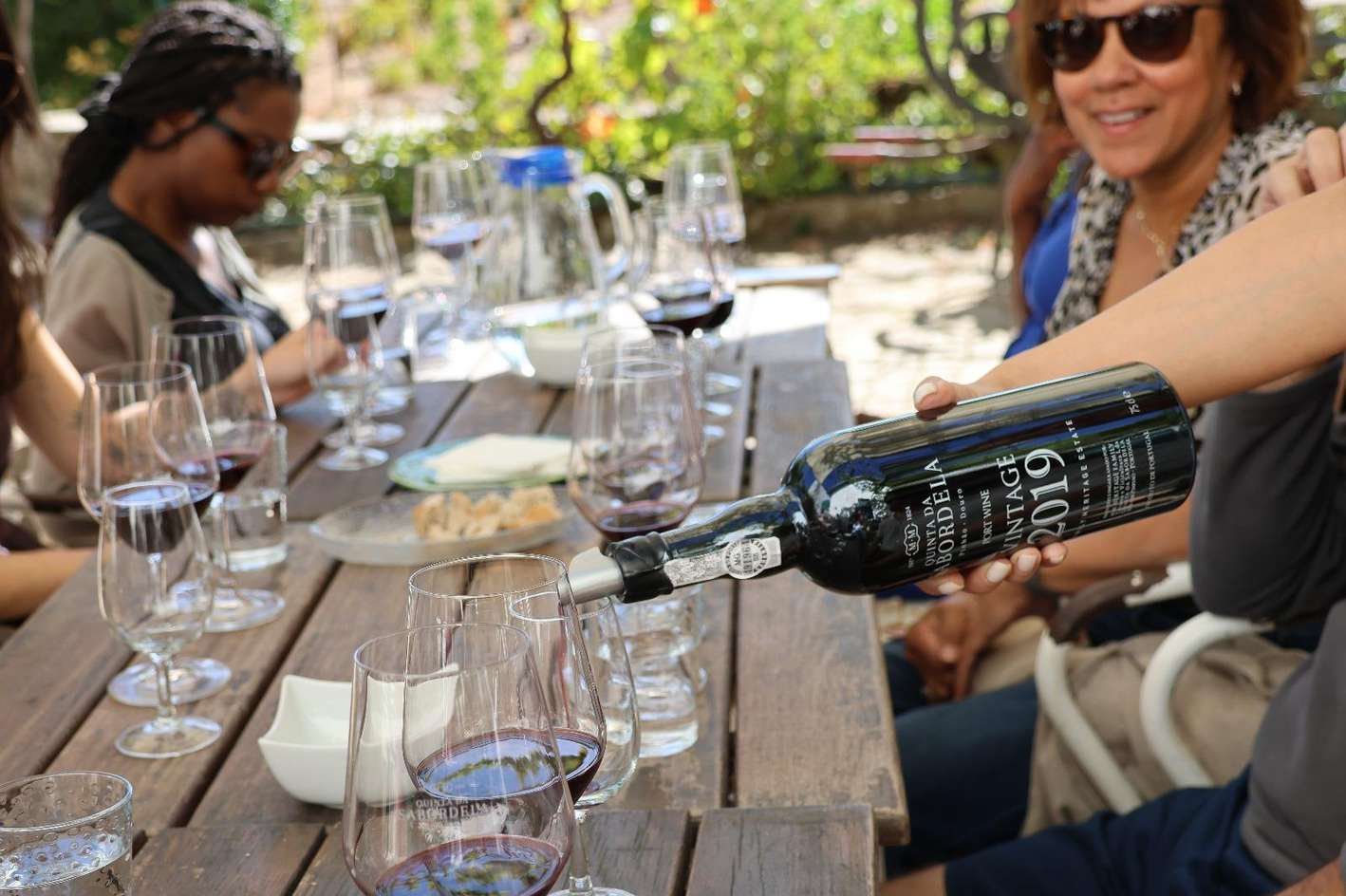
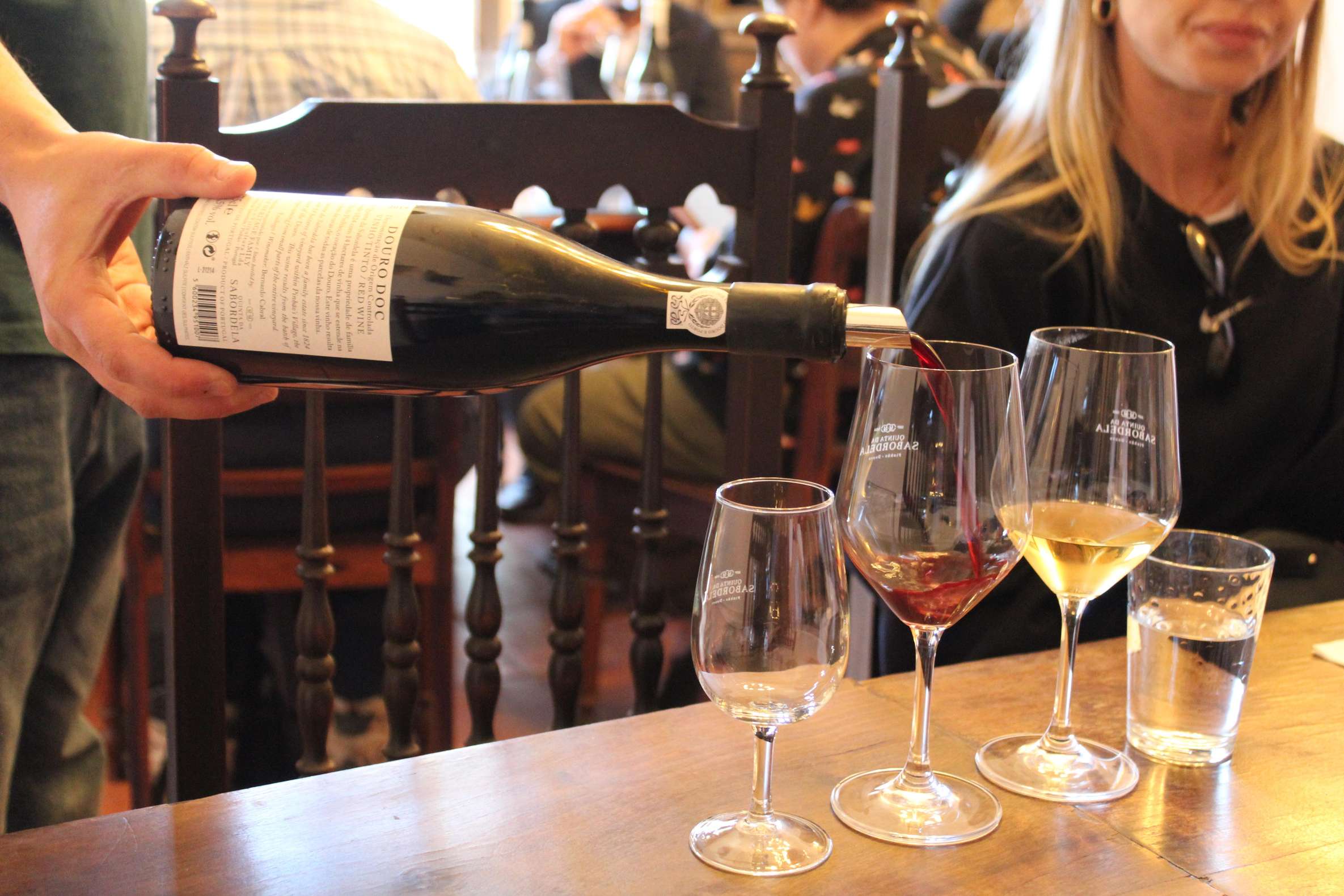
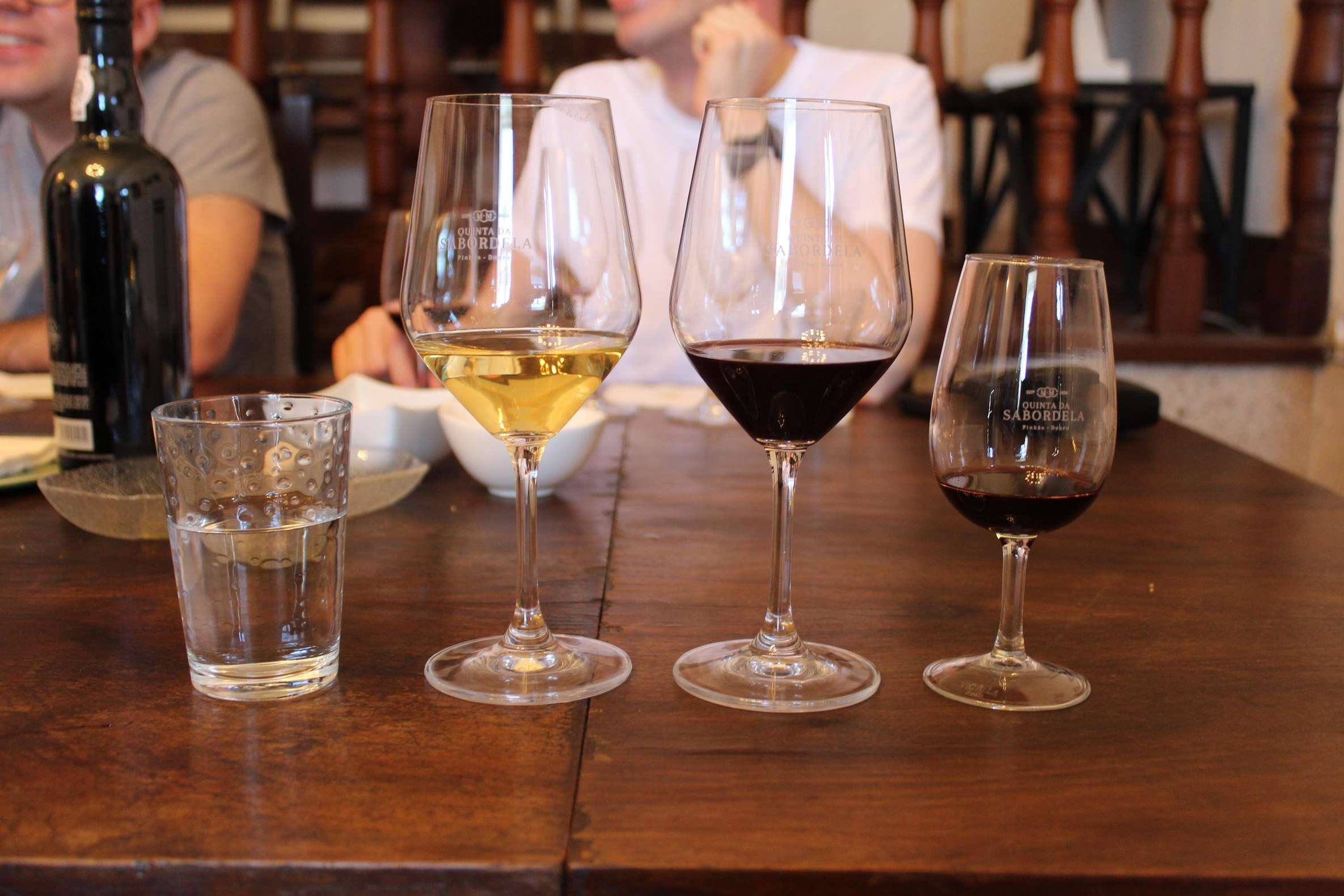
Expect roughly three samples at the tasting room, usually a red, a white and a port, though some visits stretch to six. Sweet port is only part of the story: modern quintas pour serious dry DOC table wines, and many tastings lead with them.
The river hour is the pause everyone remembers. Five dams hold the Douro back upstream, so the water runs flat and still, and the cruise drifts past terraces built by hand over centuries. Nobody gets seasick on a reservoir.
Already in Pinhão? One operator runs a 3-hour loop from the quay: a 50-minute boat trip, a minivan hop to a local winery, a guided tasting, and back at the kiosk by early afternoon. It is the shortest route to the full picture, and it leaves your entire day intact.
Tour for this
Douro Valley Wine Tour, Tastings, Cruise & Lunch (Optional)4.8★ (2,201) · 10 hours · Hotel pickup · Free cancellation
The clock starts at pickup. Some Porto hotels sit on streets a van cannot enter, so your guide may ask you to walk up to five minutes to the meeting corner. Arrive a few minutes early; the departure waits only about five.
Coaches leave Porto between 8 am and 9 am, so the tours that pull out at 7:30 am reach the first viewpoints ahead of the fleet.
Getting to a Baixo Corgo miradouro like São Leonardo da Galafura before 9 am means you share the ledge with morning mist while the buses are still on the highway.
A five-to-six-hour half day, hour by hour
1
7:30 am to 8 am
Pickup in central Porto and the highway out of the city
The exact pickup time arrives the day before
2
Mid-morning
Arrival at the estate for the cellar tour and tasting
A half day covers one winery, visited properly
3
Late morning
Viewpoint stops along the valley roads
Before 9 am the miradouros are still quiet
4
Around noon
The 50-minute to 1-hour river cruise at Pinhão
Calm dammed water, terraces on both banks
5
Early afternoon
The drive back and drop-off in Porto
The 7:30 am slot lands you in the city around 2 pm
That return time is the whole argument. Back by 2 pm, you keep the Ribeira, a late lunch and your evening. The morning trip gives the valley its due and leaves your afternoon untouched.
Tour for this
From Porto: Douro Valley w/ Boat Tour, Wine Tasting & Lunch4.7★ (23,728) · 7 - 10 hours · Hotel pickup · Free cancellation
Each season redraws the valley. Spring turns the terraces bright green under almond and cherry blossom, with mild days and thinner crowds. Mid-September to mid-October is harvest, when crews hand-pick the slopes and the hillsides burn amber and red; it is the busiest and most theatrical time to stand in a working quinta.
Summer needs respect. July and August average highs around 28 to 29°C, several degrees hotter than coastal Porto, with long dry sunshine. A hat, sunscreen and a water bottle stop the gorge from flattening you, and morning departures dodge the worst of it.
Winter is the quiet trade-off. Some quintas shorten their hours, but the major wineries stay open for uncrowded cellar visits, and bare vines reveal the stone skeleton of the terraces through morning river mist. Lock maintenance closes the long cruises from December to late March, though short local boat trips around Pinhão keep running.
Douro Valley weather compared to Porto and tour busyness by month
April: 5 out of 5 for how busy it gets. Tour bookings surge into high season as pleasant 17°C valley temperatures make vineyard tastings and boat rides popular.
HighestApr to Jun, Aug to Oct
In betweenMar, Jul
LowestNov to Feb
Darker: a higher how busy it gets score, out of 5
Tap a month to read it.
August: highs around 29.3°C. Summer crowds face the valley's hottest weather of the year, with daytime highs reaching 29°C and virtually no rain.
HighestJun to Aug24.1 to 29.3 °C
In betweenApr to May, Sep to Oct16.5 to 22.2 °C
LowestNov to Mar8.9 to 12.7 °C
Darker months: higher, from 8.9 to 29.3 °C
Tap a month to read it.
August: lows around 16.2°C. Summer crowds face the valley's hottest weather of the year, with daytime highs reaching 29°C and virtually no rain.
HighestJun to Sep12.2 to 16.2 °C
In betweenMay, Oct9.1 to 11.2 °C
LowestNov to Apr2.8 to 6.4 °C
Darker months: higher, from 2.8 to 16.2 °C
Tap a month to read it.
October: 159 mm of rain. Tours remain popular for autumn foliage despite cooler 19°C days and the return of heavy autumn rains.
HighestOct to Jan112 to 159 mm
In betweenFeb to May, Sep59 to 94 mm
LowestJun to Aug6 to 49 mm
Darker months: higher, from 6 to 159 mm
Tap a month to read it.
July: highs around 24.6°C. Tours stay busy as summer heat peaks at 28°C under dry, sunny skies that are significantly hotter than the coast.
HighestJun to Oct21.1 to 24.6 °C
In betweenApr to May18.5 to 20 °C
LowestNov to Mar13.9 to 17 °C
Darker months: higher, from 13.9 to 24.6 °C
Tap a month to read it.
One more dial: the day of the week. Tuesdays draw the fewest crowds at the estates, Wednesdays run close behind, and Saturdays bring the heaviest surges. For a short trip, a quiet Tuesday buys you a more personal tasting room.
Tour for this
Porto: Douro Valley Tour with Wine Tasting, Cruise and Lunch4.6★ (3,096) · 7 - 10 hours · Hotel pickup · Free cancellation
Two decisions shape the booking. The first is the slot. A morning departure catches the river at its flattest around 10 am, with soft light for photos and little competing traffic on the water.
Afternoon and sunset runs chase golden hour, but the deck cools fast once the sun drops, and you trade sleep for the glow.
The second is the vehicle, and it matters more than people expect. A forty-seat coach sticks to valley towns and mass-capacity estates, because the small boutique quintas hide down narrow hillside lanes an articulated bus cannot take.
An eight-to-twelve-seat minivan reaches them, stops when a view deserves a photo, and puts you face to face with the people who made the wine.
The three ways of spending a short Douro day line up like this.
Three ways to spend a short Douro day
Small-group minivan
Large coach
Boat-and-tasting from Pinhão
Group size
About 8 to 12 guests
40 or more
Small, self-organised
Estate access
Small family-run quintas down the side roads
Mass-capacity estates and town venues
One walkable winery near the quay
Flexibility
Photo stops when the view earns one
Fixed large-bus schedule
Fixed two daily departures
Day consumed
5 to 6 hours door to door
Long day, same road time
3 hours on site only
Small-group minivan
Group size
About 8 to 12 guests
Estate access
Small family-run quintas down the side roads
Flexibility
Photo stops when the view earns one
Day consumed
5 to 6 hours door to door
Large coach
Group size
40 or more
Estate access
Mass-capacity estates and town venues
Flexibility
Fixed large-bus schedule
Day consumed
Long day, same road time
Boat-and-tasting from Pinhão
Group size
Small, self-organised
Estate access
One walkable winery near the quay
Flexibility
Fixed two daily departures
Day consumed
3 hours on site only
One tour that gets this right is the Douro Valley: Half-Day w/ Brunch, Tastings & Scenic Cruise, which pairs a family-run winery and olive oil tasting with a full hour on the water.
Here is the arithmetic nobody puts on the tour card: a condensed itinerary saves almost no transit time. The road takes about 1.5 hours each way whether you stay five hours or ten. The short day is built entirely by cutting things on the ground, the second winery, the town stop, the sit-down lunch.
The A4 does the heavy lifting. It runs through the Marão Tunnel, about four minutes of mountain bypassed, and reaches Peso da Régua in roughly 75 to 85 minutes without traffic. Continuing up the river road to Pinhão adds about half an hour more.
Travel times from Porto to Peso da Régua and Pinhão
The train looks tempting and is the wrong tool for a short trip. The Linha do Douro takes about two and a half hours to Pinhão, and it only moves you point to point, with no winery visits and no hillside estates.
String together the schedules and you are back in Porto around 8 pm, so the train quietly turns your short day into a long one anyway. A guided van solves it: one vehicle, hillside estates included, no connections to miss.
Travel routes to Peso da Régua from Porto and Pinhão
The outward leg by rental car is genuinely easy. The A4 tunnels straight under the Serra do Marão in about four minutes and delivers you to Peso da Régua in roughly 75 to 85 minutes, no switchbacks involved.
The valley itself is where the plan wobbles. Roads between quintas are steep, narrow and winding, river crossings are scarce, and estate-to-estate driving takes far longer than the map admits.
The famous stretch of the N222 between Régua and Pinhão packs 93 bends into 27 kilometres, gentle at a slow pace, relentless at a hurried one.
Then there is the tasting. Portugal's limit is 0.5 g/l for experienced drivers, and just 0.2 g/l if you have held a licence under three years; police run checks on the rural roads, and a single pour can edge a driver past the line. One of your party would have to skip the wine entirely.
Add limited Pinhão parking in high season and the trade clears itself: the rental suits travelers who want scenery and viewpoints and no tastings at all. For everyone else, the guided van is the honest choice.
Porto to Peso da Régua
PortoPorto District
128 km
Peso da Régua
CarEasiest
Fastest route through the Marão TunnelDirections →
Read the route table as permission to relax about the motorway and as a caution about everything after it: the tunnel is effortless, and the last half hour of bends is where a hired driver earns the seat.
Tour for this
From Pinhão: Douro Valley Tour w/ Wine Tasting and Boat Trip4.5★ (526) · 3 hours · Free cancellation
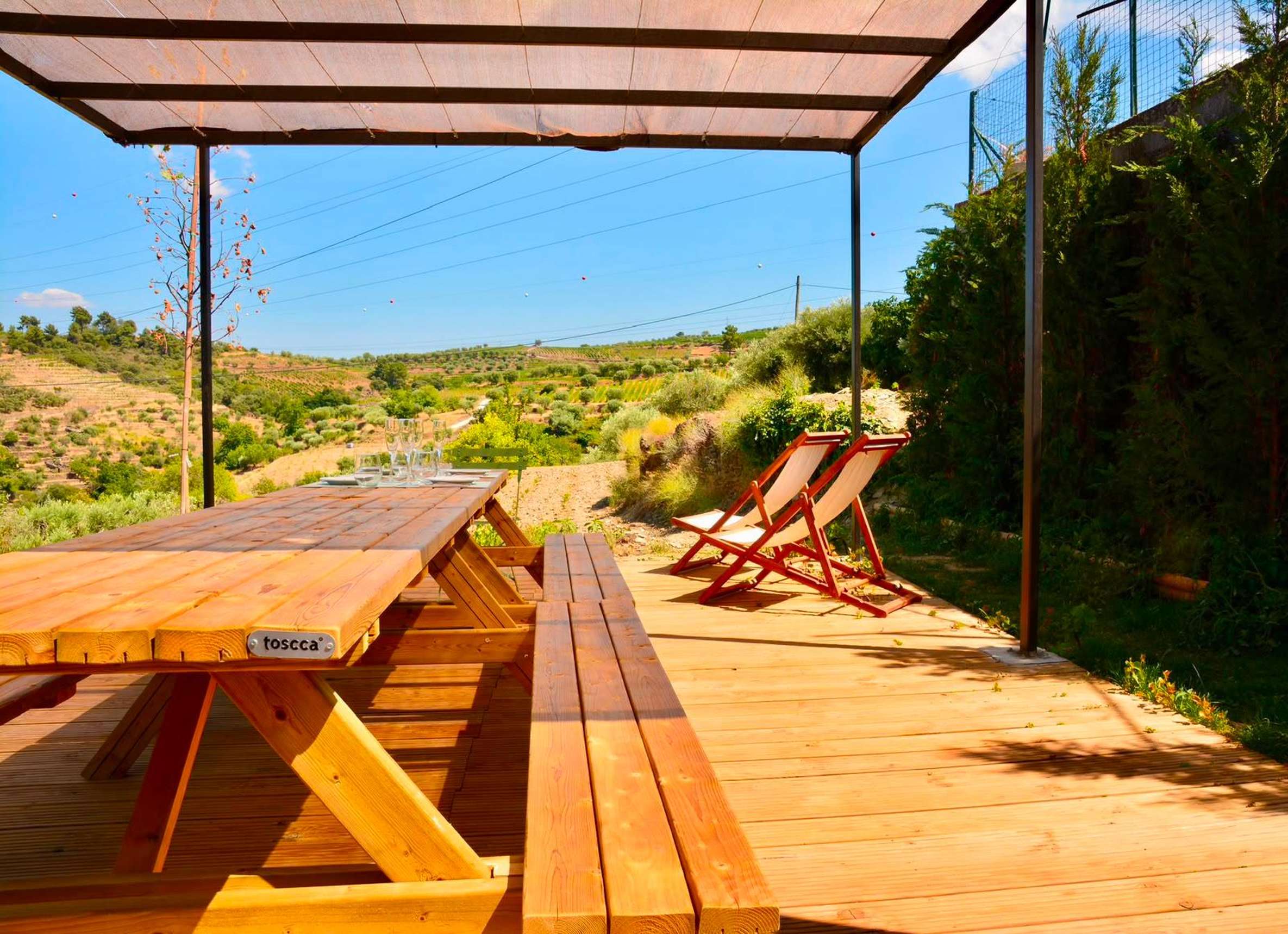
One outfit has to survive three settings: the terrace, the cellar and the boat deck. The terraces decide it. They are cut into steep schist gravel and stone steps, so closed-toe shoes with real grip are non-negotiable. Flip-flops and smooth soles end the walk early.
Cellars run cool even in August, and the river breeze feels sharp on an open deck, so layers beat a single warm coat. On spring and autumn boat legs, daytime highs of 13 to 22°C sit under a wind that needs a windproof layer on top.
Summer evenings drop hard, from around 31°C at peak to the mid-teens after sunset; a light windbreaker over summer clothes covers the gap.
Clothing and footwear by season for Douro terraces
Jun to AugHot and dry with highs near 29°C; wear breathable lightweight clothing, a wide-brim sun hat, sunglasses, and grippy closed-toe shoes.
Sep to OctWarm harvest days cooling to 11°C with autumn rains; wear breathable layers, a water-resistant shell, and sturdy shoes with solid traction.
Nov to FebCold and wet with highs around 9-13°C and slick schist; wear warm thermal layers, a waterproof jacket, and hiking shoes with deep tread.
Mar to MayMild spring weather with cool mornings and passing showers; wear adaptable layers, a light rain jacket, and supportive walking shoes.
Pack the sun kit regardless of season: the upper valley gets up to 14 hours of daily summer sun with little shade on the exposed rows. Bring water.
And bring euro cash for the boat bar, because the on-board kiosks and riverside stalls frequently refuse cards for water and extra drinks. A compact umbrella earns its place between October and April, when rain visits on roughly one day in three.
Book ahead, and book properly. Many smaller and prestigious quintas simply refuse walk-ins, so arriving unannounced risks standing at a closed gate.
Boat departures sell out too, sometimes a day or two ahead, and during the September and October harvest the Pinhão weekend sailings fill one to two weeks out while popular weekday slots go inside 24 to 48 hours. Top estate tables book out months ahead in harvest season.
The exit routes are real, which is why early booking is safe. Cancel up to 24 hours ahead and the tours refund you in full, so locking a scarce morning slot costs nothing.
Rain does not cancel the day: tastings and lunches move into covered cellars and indoor rooms, and cruises run with covered boats or indoor seating. Only when the river itself turns unsafe, storm alerts, strong currents, floating debris, do operators swap the boat for a land activity, with a date change or refund on offer.
What happens when plans change
If this happens
What happens then
You cancel more than 24 hours before departure
Full refund, no questions
Heavy rain rolls in
Tastings shift indoors and the cruise runs covered; the day goes on
The river turns unsafe
The boat leg is replaced with a land activity, a new date or a refund
A tour needs a minimum number to run
The operator cancels and refunds if the minimum is not met
Bring a passport or ID card where the tour asks for one, and request an English-language tasting when you reserve, since estate sessions run on request.
Families do better here than the standard long itinerary suggests, with two rules to respect first. Under Portuguese law, children under 12 or shorter than 135 cm must ride in an approved child restraint in the back seats, and tour vans comply, so say how many children and their ages when you book.
At the tastings, under-18s cannot drink alcohol, though many estates pour olive oil and honey alongside the wine, which children find genuinely interesting.
A half day is also the right length for young passengers. The full-day runs to the upper valley exhaust small children; a short loop with a boat hour keeps them engaged with bridges, passing vessels and the captain's stories.
Mobility deserves a straight answer. Terraces, stairs and uneven schist paths cannot be adapted, and several tours list themselves as unsuitable for wheelchair users and travelers with significant mobility limits. Check that when you book.
The fact that can end the visit
Many estate walks and tours are explicitly unsuitable for wheelchair users and people with significant mobility impairments Confirm suitability when booking, and use the taxi rank one minute from Pinhão station, which runs visitors up to the panoramic viewpoints without any climbing
For readers weighing that last row, the taxi rank is the working answer in Pinhão itself: the big views cost no climbing at all when a driver takes you up, and a boat hour at the quay asks nothing of your legs.
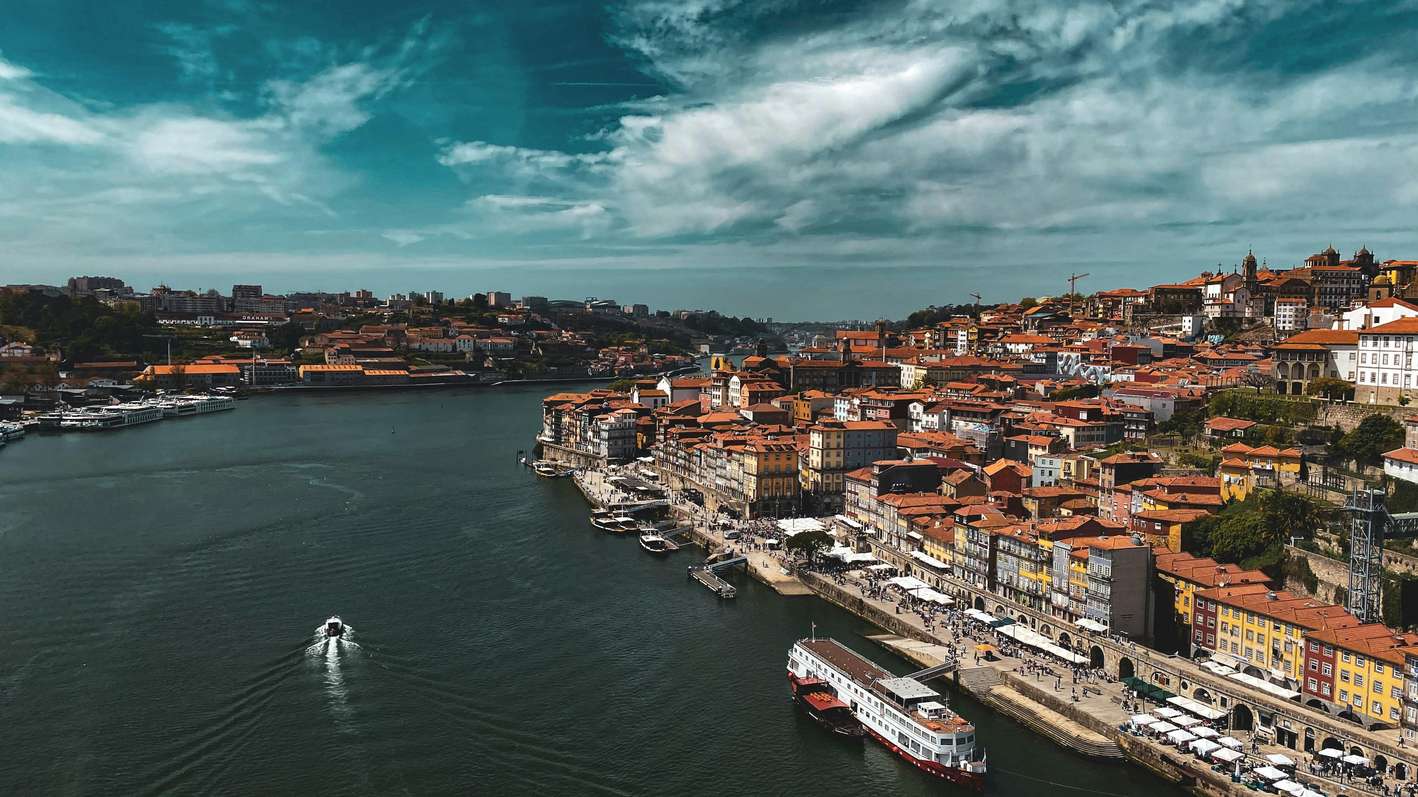
Back in Porto by mid-afternoon, the city half opens up. Walk the Ribeira waterfront, cross to the Gaia quays where the historic port lodges line the hillside, or climb to the upper deck of the Luís I Bridge, 60 metres above the river, for the view that pairs the whole city with its wine.
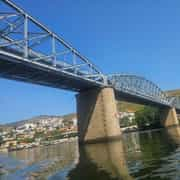
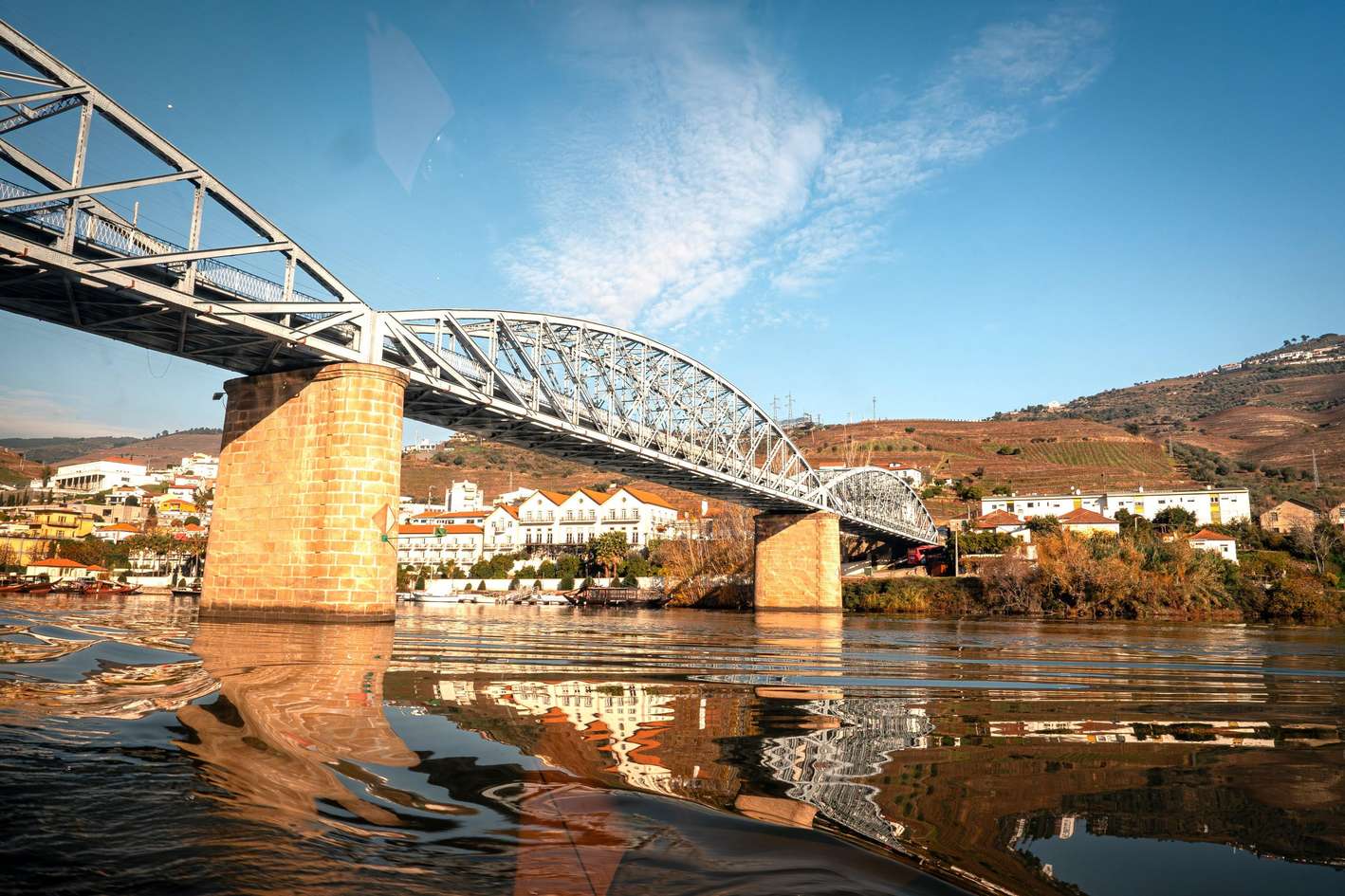
If your short tour starts in Pinhão, the town itself repays an hour. The station's azulejo panels show the grape harvest in full swing, the 1906 iron bridge gives you the river from above, and Quinta do Bomfim sits a five-minute walk from the platforms, with Quinta das Carvalhas just across the bridge.
Carvalhas also runs an open-top bus 400 metres up into its vineyards, which is how you get a 360-degree panorama without the two-hour round-trip hike to the Casal de Loivos viewpoint.
Lunch solves itself within 300 metres of the quay: riverside tables at Restaurante Douro Bites, Rabelo Restaurante or the Vale do Tábua wine bar.
The boat docks, the station and the taxis all sit within a short walk of one another, which is exactly why Pinhão works as a base for a day with no car in it.
The last stop is the estate shop, and the rules are simpler than they look. Standard 750 ml bottles never pass airport security in a carry-on, so everything goes into checked luggage. Port sits under 24% alcohol, which means no hazardous-materials quantity limit, only your airline's weight allowance.
Pack the bottles like you mean it: each one in a leak-proof sleeve or wrapped in soft clothing, cushioned and kept away from the suitcase edges.
Keep the receipts, since customs may ask you to prove value and personal use, and declare wine and food on arrival.
Outside the EU, the United States allows a duty-free litre of alcohol per traveler over 21, with extra bottles fine if declared and taxed. If your itinerary touches a second airport security checkpoint, the duty-free cabin exception voids itself, so buy before check-in or after the last one.
Several quintas ship internationally through specialist carriers in proper packing boxes; ask at the shop before you buy, since availability and import rules vary by destination.
One small custom closes the day. Tipping in northern Portugal is optional and paid in euro cash; nobody expects anything from the boat skippers, while an exceptional sommelier or driver earns a thank-you that is noticed.
Ricardo and Andres were a great team around this beautiful area. Ricardo was funny, knowledgeable, added fun touches like journey soundtracks, gave great local tips, and pre-trip info was clear. Delicious lunch, great guides!
A half day in the Douro is a different shape of day, and a good one. Leave Porto at 7:30 am in a small van, stand on one family terrace, drift an hour down flat water, and you are back for a 2 pm lunch with the city still ahead of you.
Pick the season with intent, Tuesday over Saturday, and book early because the good slots sell out.
Go ifYou have three or more days in Porto and want the valley as your wine dayYou want a tasting, a viewpoint and a river hour without losing your afternoonYou are traveling with young children and a long coach day would flatten them
Skip ifYou have only two days in Porto and the city itself is unfinished businessYou want three or four wineries in one day; that needs the full-day formatYou are starting from Lisbon; the round-trip drive alone takes most of a day
Short answers to the logistics questions readers ask before booking a shorter Douro trip.
How much of a half day tour goes to driving from Porto?
The drive itself runs about an hour and a half each way, so roughly three hours on the road. Shortening the day works by trimming activities such as the second winery, town stops, and sit-down lunches, and by keeping the driving identical to a full-length itinerary.
How many wines do you taste on a half day quinta visit?
Plan on around three samples, usually a red, a white, and a Port. Some half day options go further and pour up to six tastings.
Do short Douro Valley tours include the boat cruise?
Several five- and six-hour options do, usually a one-hour cruise from Pinhão. Inclusions vary from operator to operator, so check the option you book.
Morning or afternoon departure: which fits a short visit better?
A morning start from Porto leaves space for a late lunch back in the city, with returns around 2 pm from the earliest departures. An afternoon start lets you sleep in, and the Pinhão-based three-hour option runs at 10 am or 2 pm daily.
Will a half day wine tour feel rushed?
Good short itineraries avoid the rush by going deep instead of wide: one small, family-run estate, unhurried tasting, a brunch or regional spread, and the river cruise. You get the three essentials, a terrace, a pour, and the water, without stretching the day.
Do Douro tastings pour only Port, or dry wines too?
Both. Quintas pair DOC Douro reds, whites, and rosés with their fortified wines, and many of the valley's best producers focus mainly on dry table wines. You can taste Port styles like Ruby and Tawny alongside still wines on the same visit.
Can I take the train to the Douro Valley instead of a tour van?
Yes. Direct Linha do Douro trains from São Bento or Campanhã reach Peso da Régua about 9 to 11 times a day, taking roughly two hours each way. From Pinhão station, wineries such as Quinta do Bomfim sit about five minutes on foot, though the train gives you no commentary or hillside stops.
How is a valley tasting different from the port cellars in Gaia?
The Gaia lodges sit across the river from Porto and pour in a city setting, while a valley quinta puts you among the terraces where the wine grows. For a half day away from Porto, the valley estate gives you scenery with your glass; Gaia fits a spare city afternoon.
Can I just show up at a winery for a tasting?
Many smaller and prestigious quintas turn away walk-ins, and arriving without a booking can leave you with little to do, especially from the train stations. Reserve your tastings in advance, and request an English-language session when you do.
What happens if I have to change my plans?
A booking made on this site can be dropped up to 24 hours before departure for a full refund. For estate visits and tasting reservations booked directly, rules run stricter at some quintas, so read their cancellation terms before you commit.
Is a half day Douro trip worth it if I only have a few days in Porto?
It works well as a third day. Two full days cover Porto itself, and a shortened valley trip on day three gives you the terraces, a tasting, and the river without giving up an entire day to it.
Half day Douro plans that end too soon - keep reading