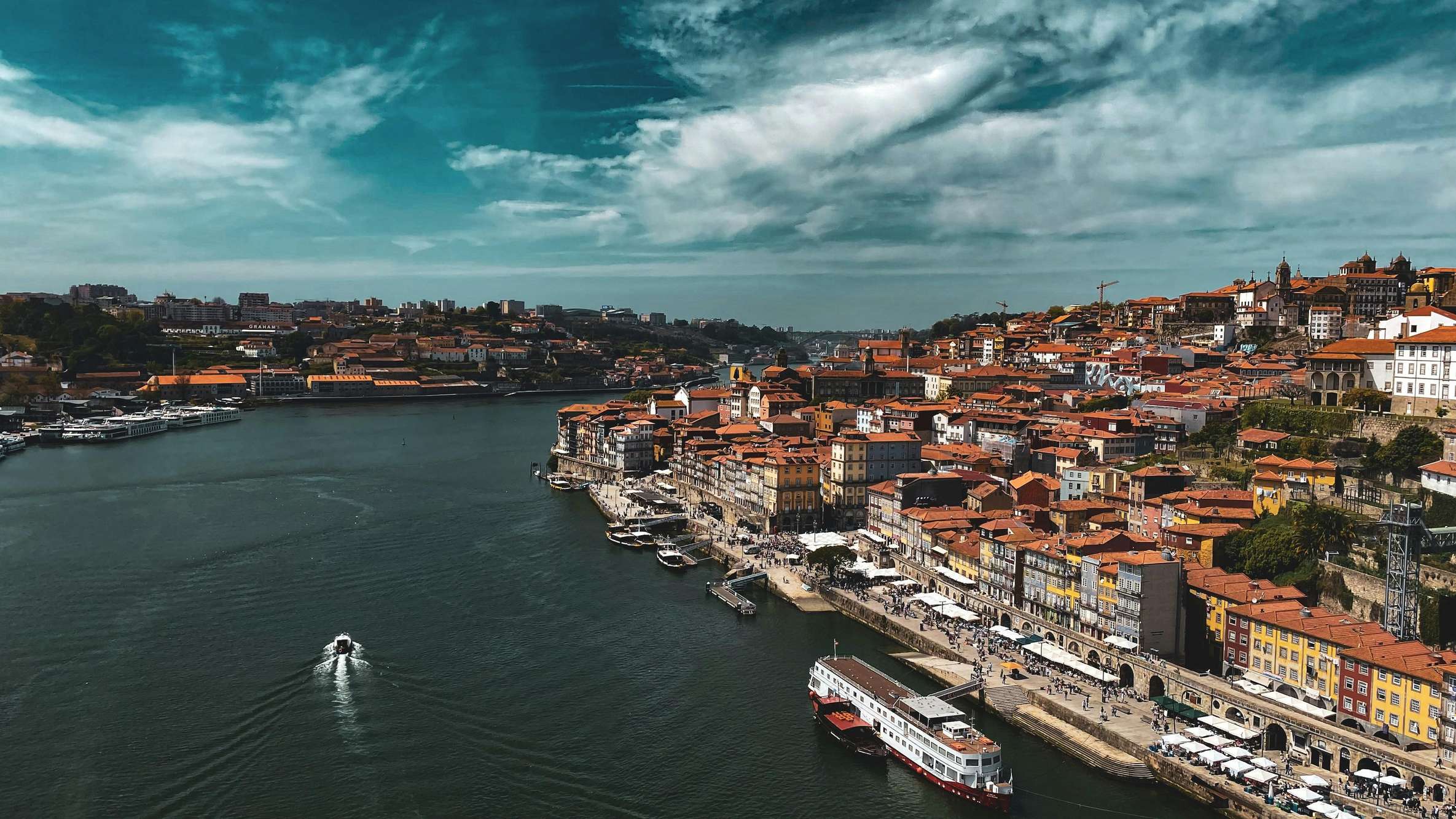
- 1
Leave Porto between 7:30 and 8 am, or 7:00 to 7:30 in harvest season, to beat the coaches.
- 2
The locks close for winter maintenance from December through late March, so multi-day sailings pause.
- 3
On short overnight trips you sleep in a riverside hotel or wine estate; cabins belong to the week-long hotel ships.
Overnight river cruise reviews from the valley
Sleeping in the valley let them watch the mist lift over the river before day-trippers arrived.
Many travelers say the lock crossing, where the boat rose 35 metres between steel walls, became the trip's highlight.
Several reviewers wished the sailing lasted longer, saying two nights felt too short for the quiet upper reaches.
 ★★★★★
Best tour I've done in Europe, hands down.
A traveler · United States ★★★★★
Amazing day. Guide and driver were a fun duo, two passionate winery tastings, a Douro River boat with gorgeous scenery, great food. The valley felt so quiet, like we almost had it to ourselves.
A traveler · Denmark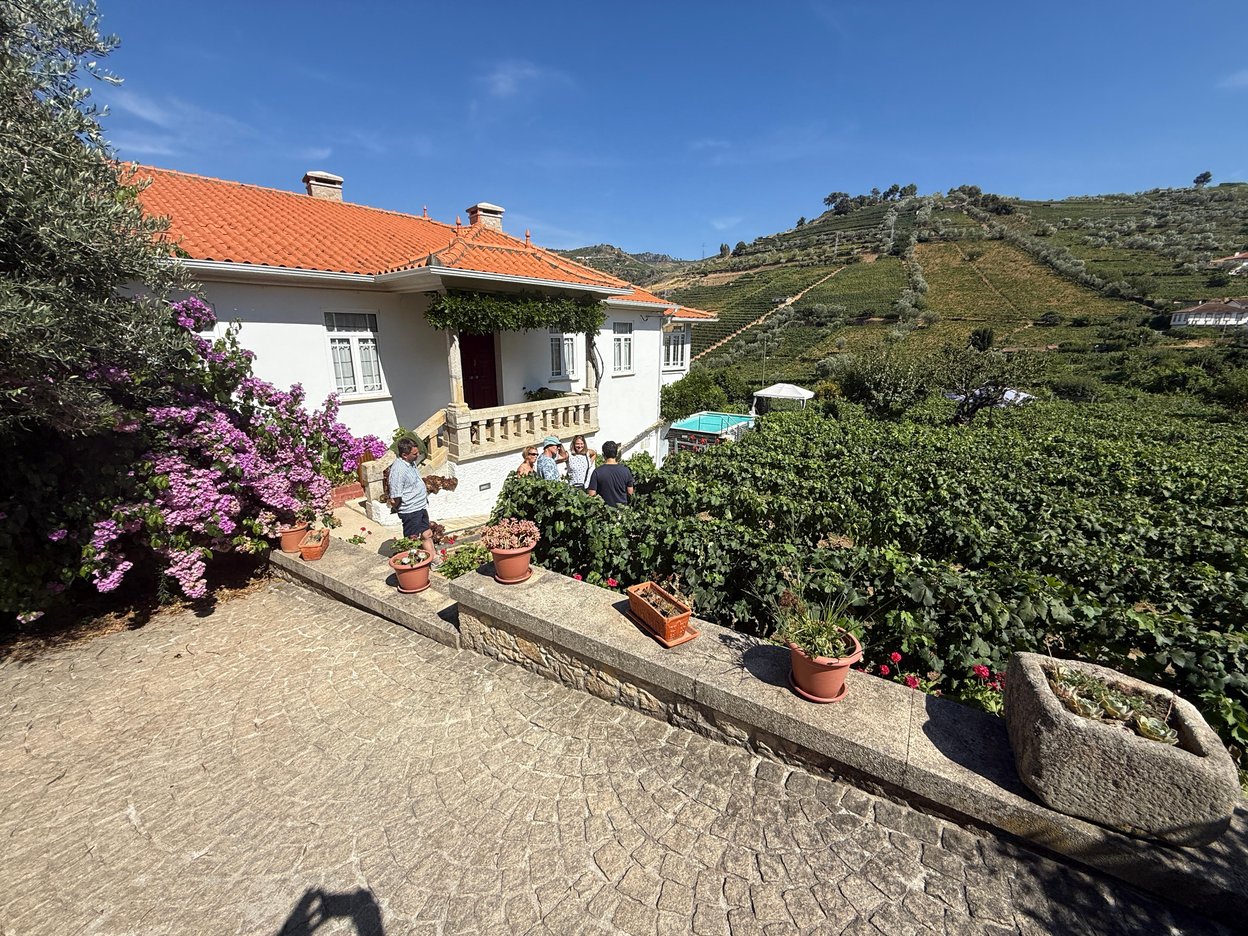 ★★★★★
Wonderful Douro day! Joao was fun, energetic, informative, even sang at lunch. Delicious homemade vineyard food, wine flowing, comfy van with big windows. Short but lovely river cruise. Don't miss this from Porto!
A traveler · United States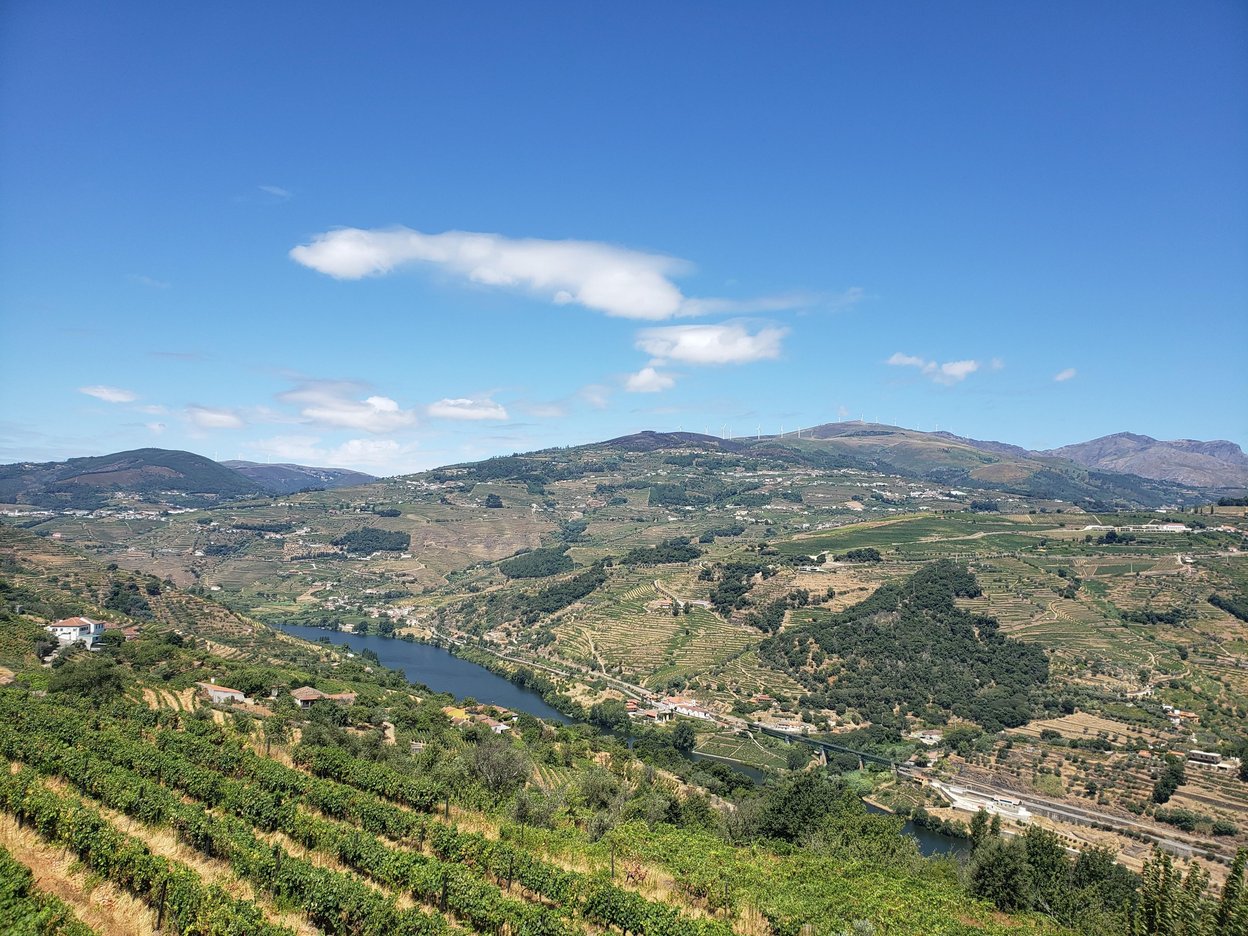 ★★★★★
Beautiful trip. Driver Pedro shared so much about Portugal, drove safely, kept us comfy with water and AC. Onboard, captain Adriano and informative Lily offered snacks.
Samantha · United States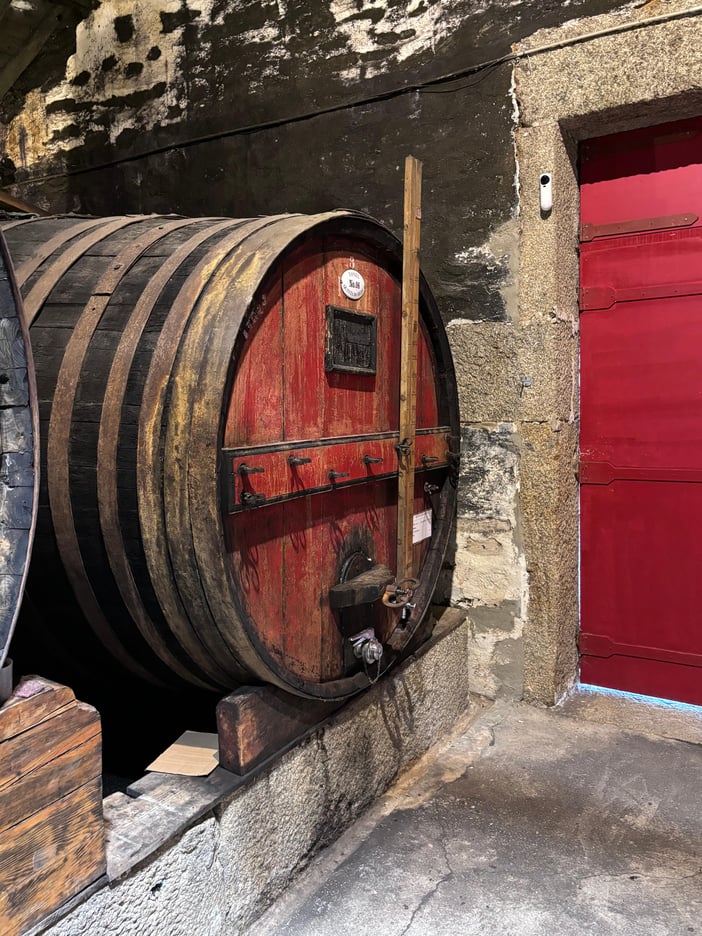 ★★★★★
Wow, what a day! Delfina was a wonderful guide. The valley is breathtaking, the private boat felt intimate, and the.
Peter · United States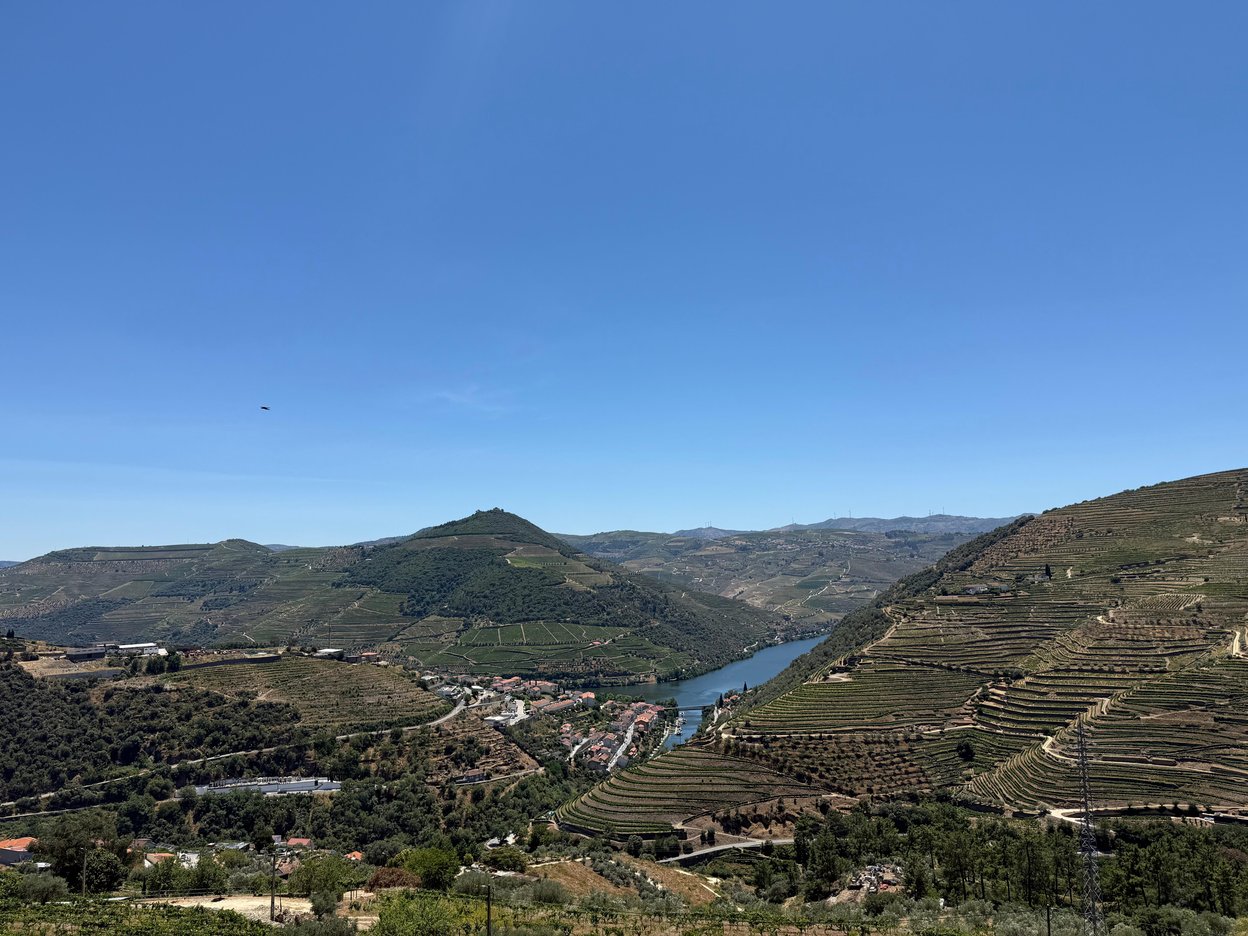 ★★★★★
Unforgettable day with our guide David, amazing wine, delicious food, stunning scenery, photo stops, a private Douro cruise, winery lunch and fascinating wine tour. He kept us comfortable the whole time. Highly recommend!
A traveler · Germany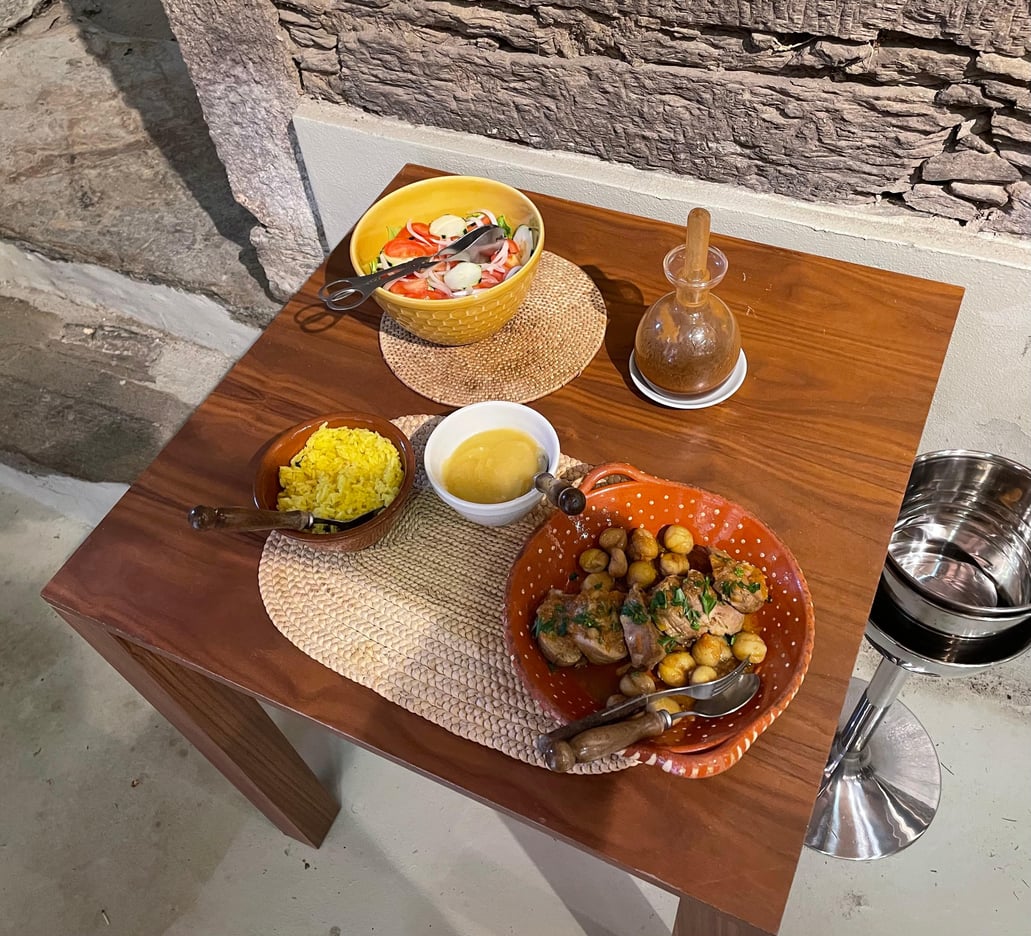 ★★★★★
Sehr gut. Carlos was a super guide with great humor, it felt like a day out with good friends.
A traveler · Switzerland
Is an overnight Douro river cruise worth it
The day-trip boats turn back well before the river gets interesting. A multi-day sailing keeps going, as far as the Spanish border near Barca d'Alva on the longest itineraries, past the gorge the day cruises never reach. That extra reach is the first thing the extra day buys.
The second is the evening. A standard day tour from Porto runs 8 to 10 hours, most of it driving. Overnight, the valley empties in the late afternoon and the terraces go quiet. Two nights in the valley beats one rushed day, and travelers who do both usually say so.
Short overnight trips run two days with one night in a local hotel or wine estate. A seven-day hotel ship is a different animal, sleeping aboard the whole way. The two-day format pairs the boat with return travel by train or bus and lodging on land.
The pacing shows how unhurried it is:
Pier check-in and departure upstream with breakfast served on board
Crestuma-Lever dam lock transit and onboard lunch while cruising
Hotel breakfast followed by return to Porto by train or boat
A full morning on the water, lunch while cruising, and a second day that starts with hotel breakfast: nobody is checking a watch.

Where you sleep on an overnight Douro cruise - hotel or ship cabin
The question travelers ask first is where the night happens. On short overnight trips, you sleep in a riverside hotel or wine estate. Cabins come only with the multi-night hotel ships, the floating-hotel format. A two-day trip moors the boat and puts you in a bed in Régua, Pinhão or a quinta.
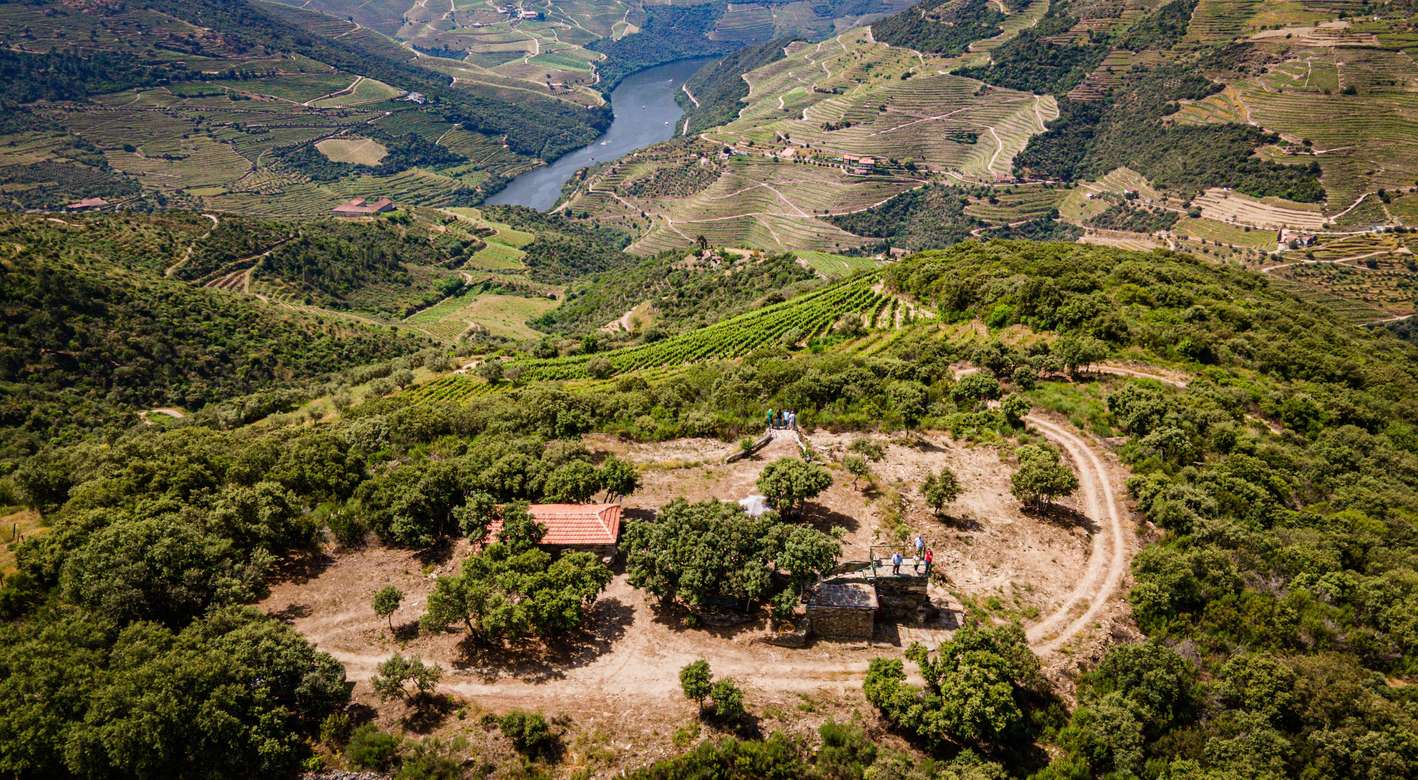
That night ashore is the part people remember. Day crowds thin out by late afternoon, and staying directly on a vineyard estate means dinner where you sleep, with the valley to yourself afterward.
Book dinner at the estate or hotel where you stay: the rural roads here turn steep and winding after dark, and a tasting makes them no friendlier.
The boat has its own curfew. Navigation between sunset and sunrise counts as nocturnal on the Douro and is barred for tour boats, because of submerged hazards, lock operations and river stretches without night signaling.
Boats dock before dark year-round, and the cutoff moves with sunset: around 5:03 pm in December, closer to 7:25 pm at the height of August. Sail late in summer, dock early in winter.
One traveler put the evenings this way:
Unforgettable day with our guide David, amazing wine, delicious food, stunning scenery, photo stops, a private Douro cruise, winery lunch and fascinating wine tour. He kept us comfortable the whole time. Highly recommend!
That is the point of staying over: the day belongs to the itinerary, the evening belongs to you.
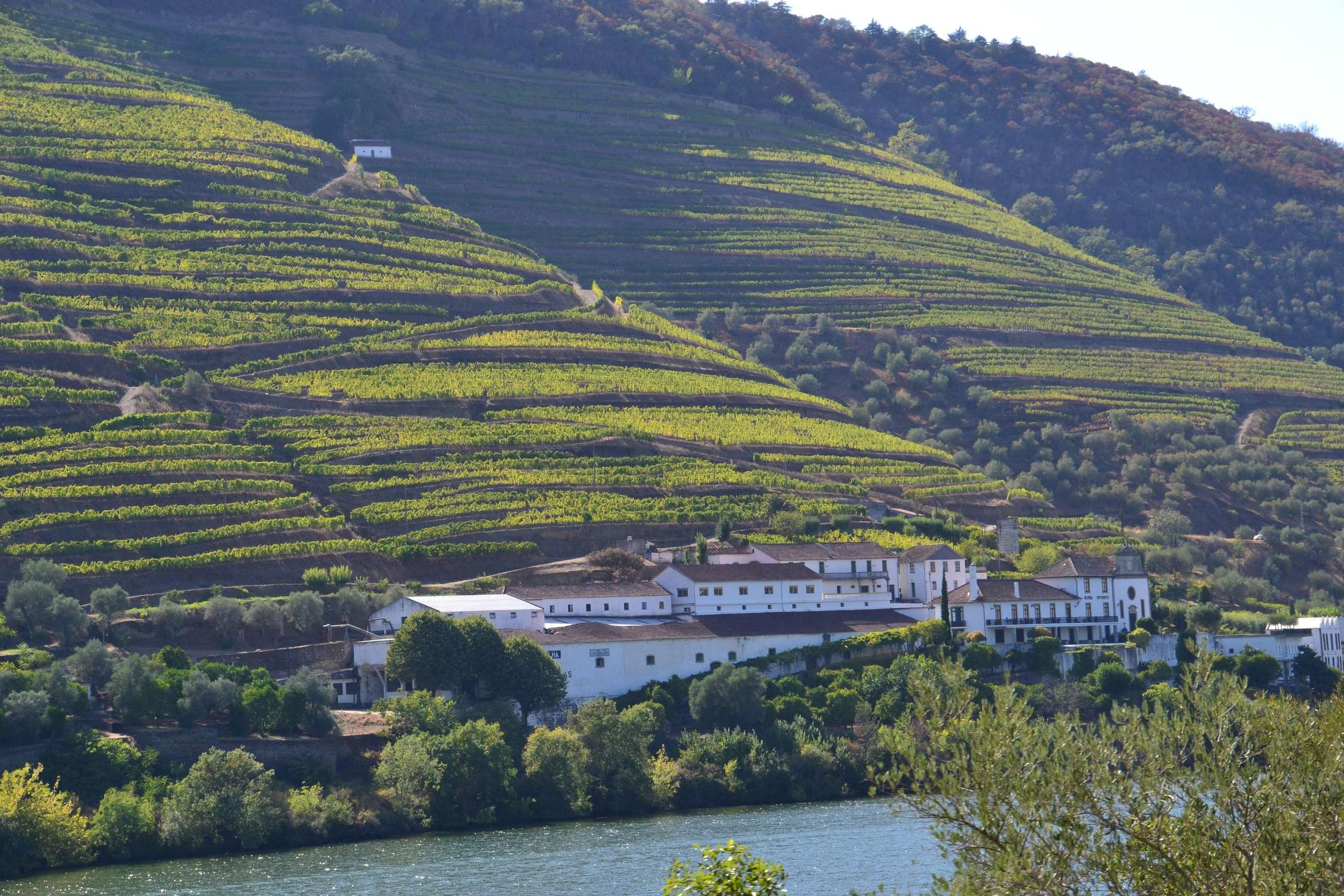
Best time of year for an overnight Douro river cruise
Start with what can stop the trip entirely. The locks shut for winter maintenance from December to late March, with the first closures in late November and full operations resuming around March 21.
During the shutdown, multi-day sailings and full-day cruises cannot pass between the dams, though short local trips continue around Pinhão and Porto. Plan a lock-crossing itinerary for April onward.
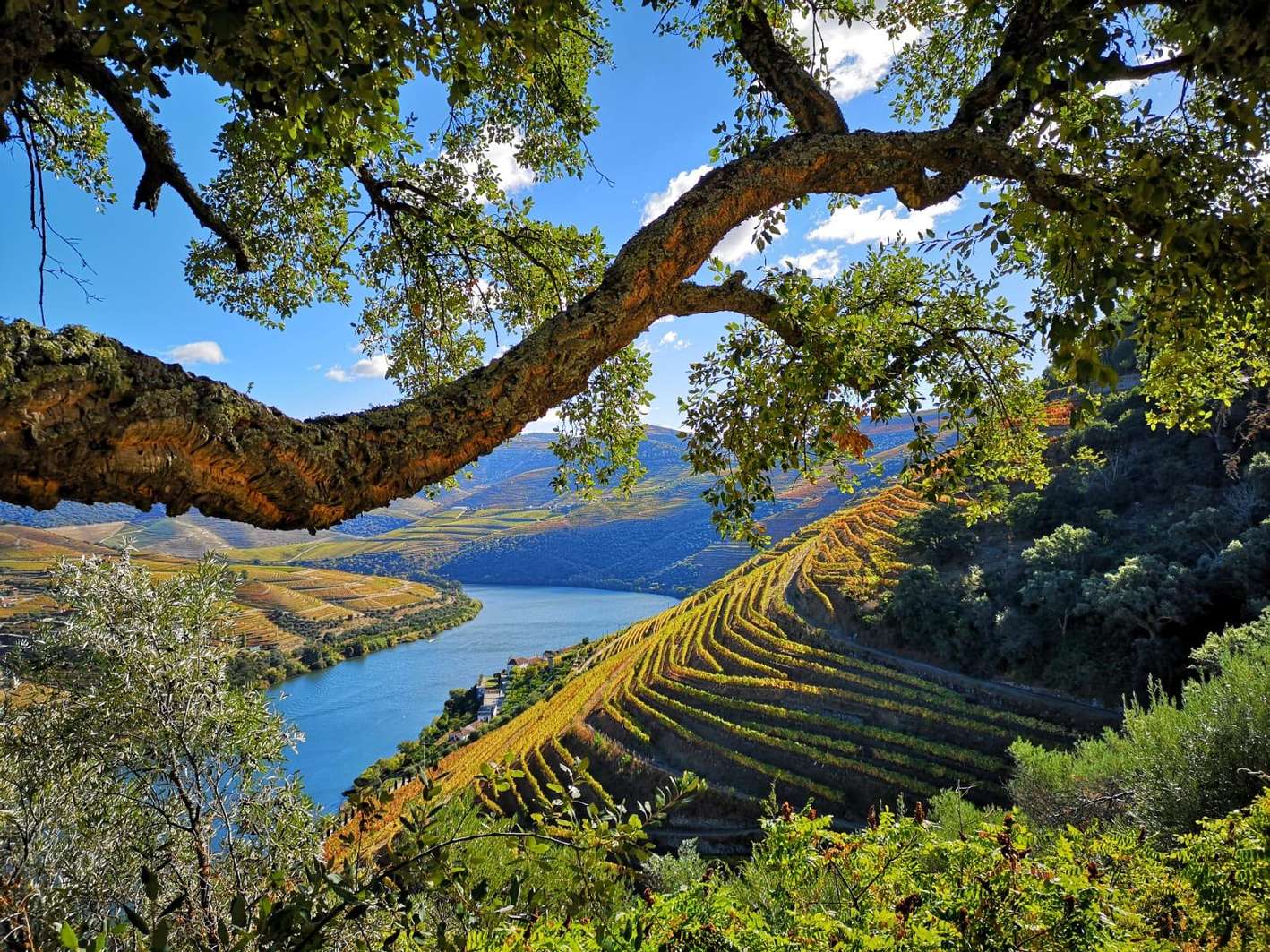
Spring from late April to June brings green terraces, blossom and comfortable highs, and the smallest crowds of the busy months.
Then comes the heat: July and August run about 4 degrees hotter than Porto, with afternoon decks in the upper valley averaging around 29 degrees and fourteen hours of sun. Light clothes, a hat and a water bottle stop that from being a problem.
Mid-September to mid-October is harvest, the vindima, when crews hand-pick the slopes and the air smells of fermenting grapes. Quintas run at full capacity and September is the busiest month of the year for winery visits.
Choose it for the amber hillsides and the working estates; choose October's milder afternoons if you want fewer wet-weather surprises.
April: 5 out of 5 for how busy it gets. Tour bookings surge into high season as pleasant 17°C valley temperatures make vineyard tastings and boat rides popular.
Tap a month to read it.
August: highs around 29.3°C. Summer crowds face the valley's hottest weather of the year, with daytime highs reaching 29°C and virtually no rain.
Tap a month to read it.
August: lows around 16.2°C. Summer crowds face the valley's hottest weather of the year, with daytime highs reaching 29°C and virtually no rain.
Tap a month to read it.
October: 159 mm of rain. Tours remain popular for autumn foliage despite cooler 19°C days and the return of heavy autumn rains.
Tap a month to read it.
July: highs around 24.6°C. Tours stay busy as summer heat peaks at 28°C under dry, sunny skies that are significantly hotter than the coast.
Tap a month to read it.
Whatever the month, Tuesday and Wednesday keep the estates calmest, while Saturdays draw the heaviest crowds from tourists and local events.

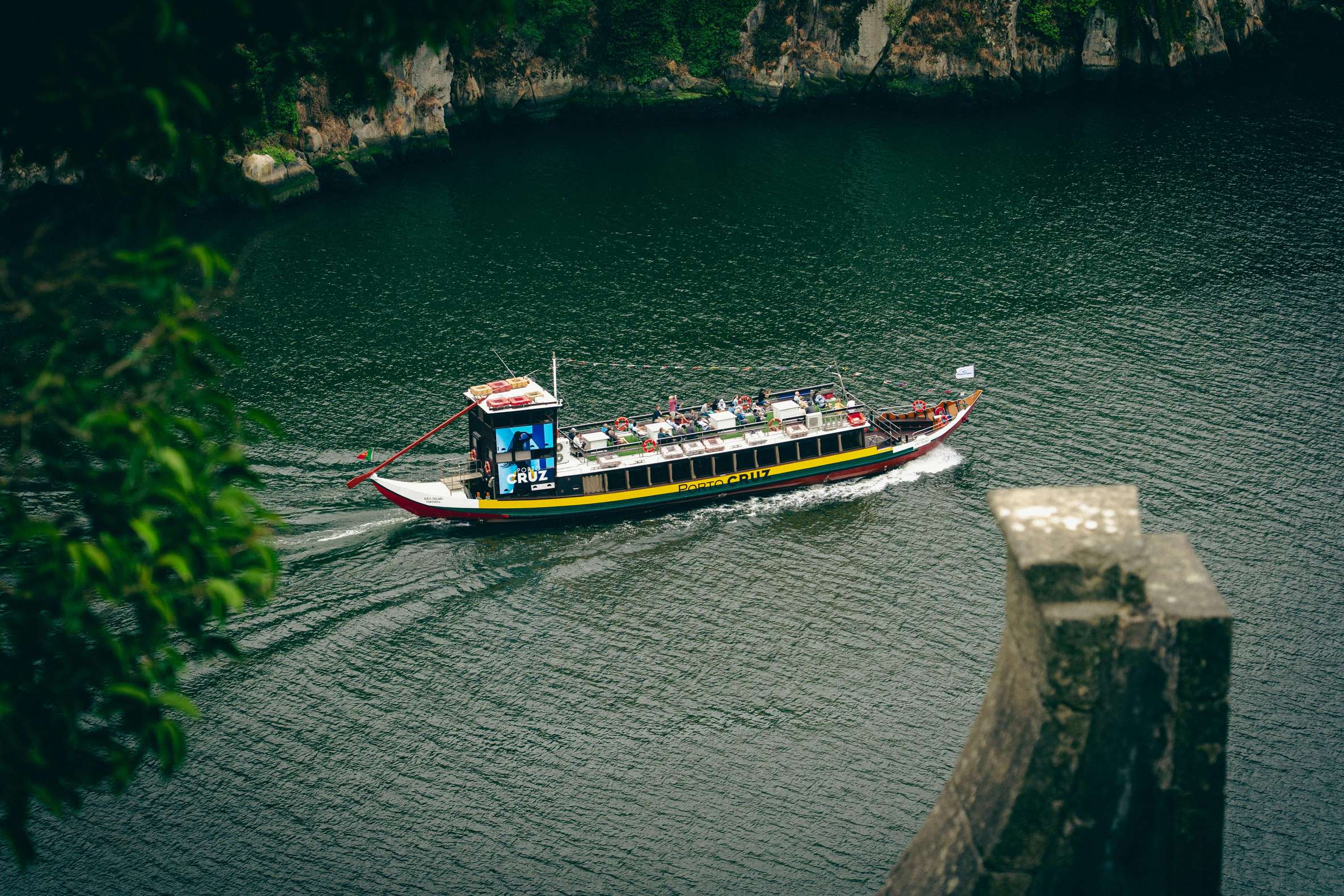
How to get from Porto to the Douro Valley
The road does the first stretch quickly. The A4 dives under the Serra do Marão through the Marão Tunnel, about four minutes of tunnel, and covers the 123 kilometers to Peso da Régua in roughly 75 to 85 minutes without traffic. Pinhão, deeper in the valley, takes around an hour and three quarters.
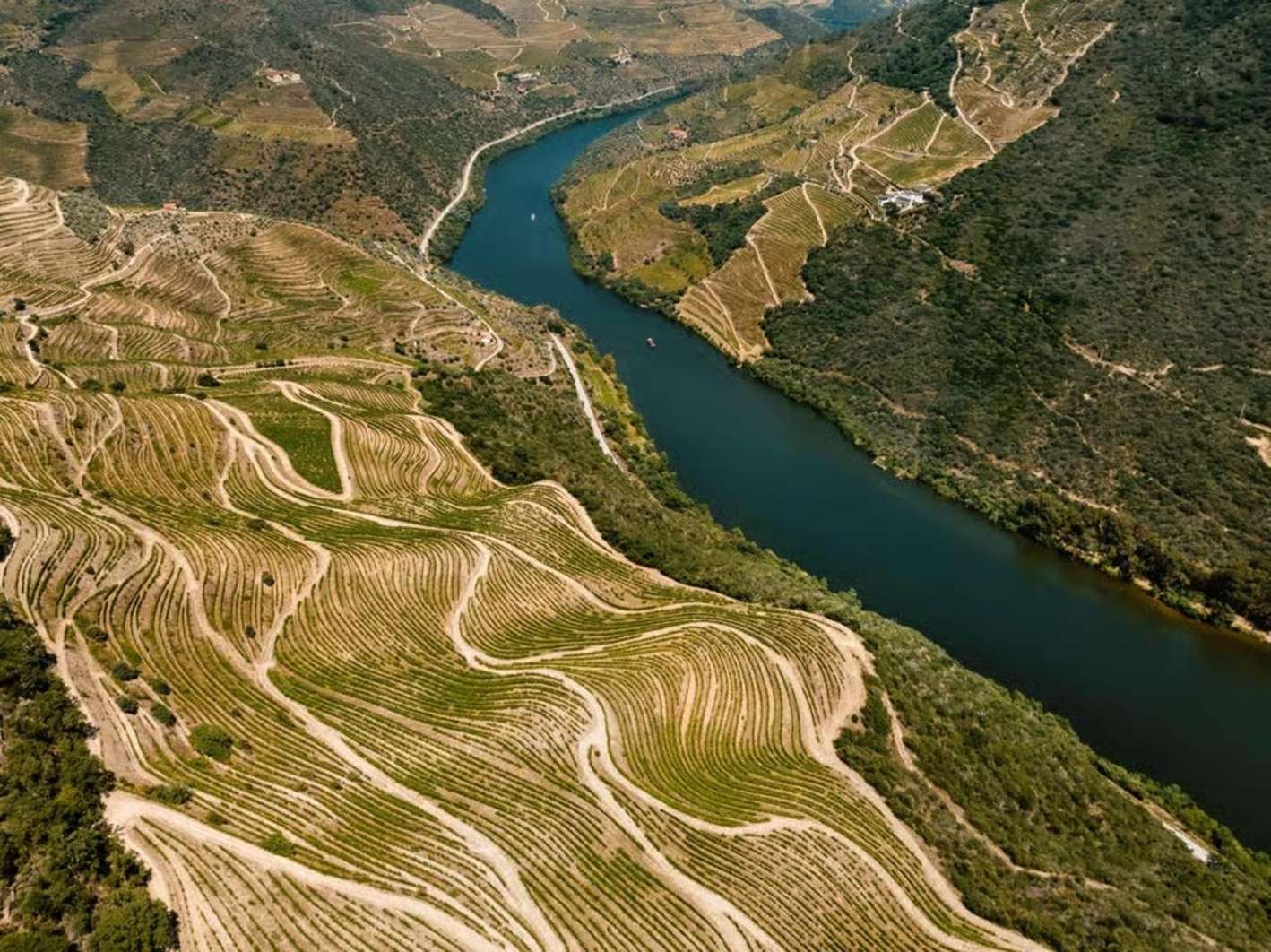
Then the road gets beautiful and slow. The N222 from Régua to Pinhão packs 93 bends into 27 kilometers, running mostly at water level with gentle curves taken at a gentle pace.
Drivers prone to car sickness do best with a guide: tour drivers know the road and give warning before the twistier segments. In harvest season, tractors and grape trailers fill the same single-lane road, so budget extra time in September and early October.
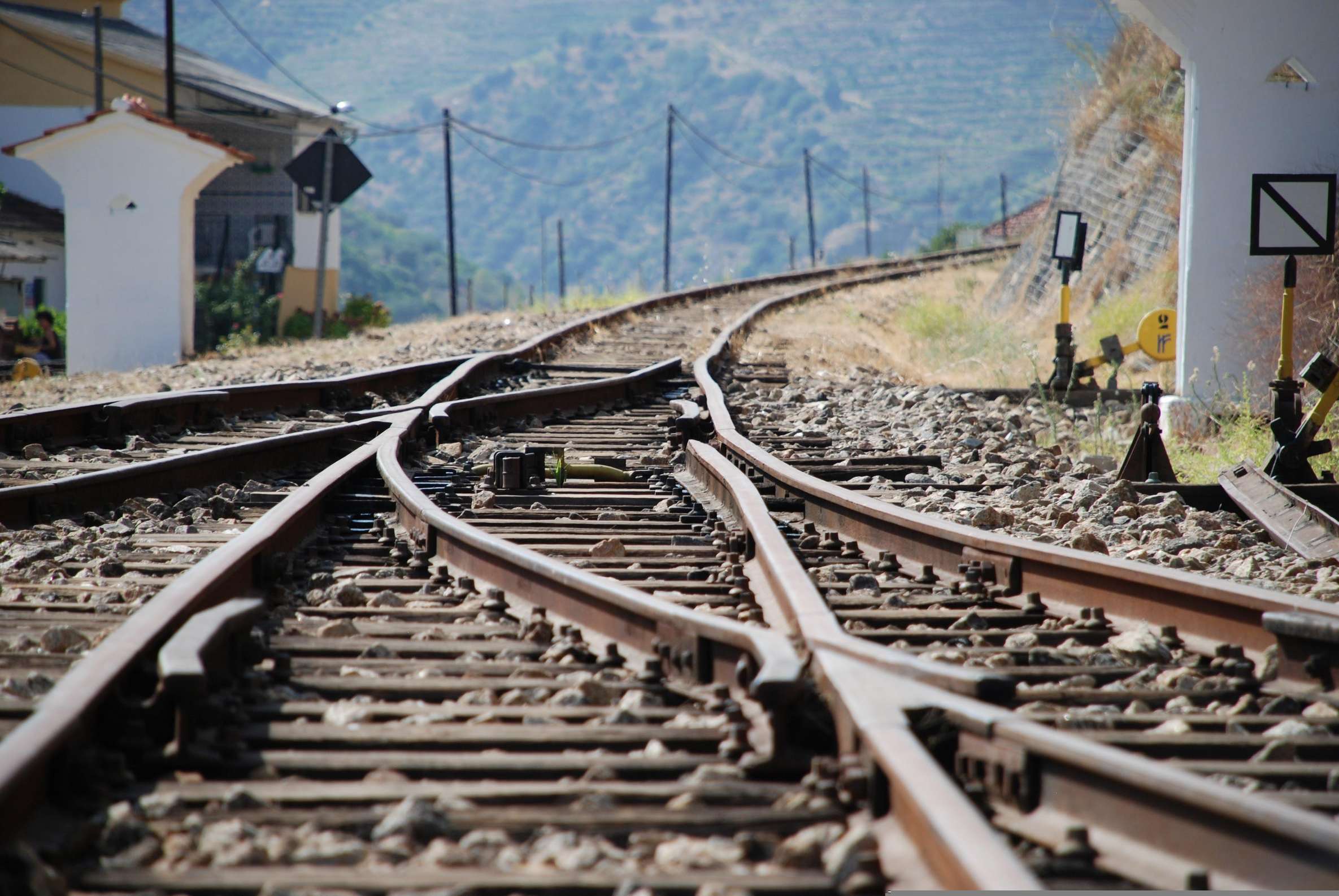
The train runs the other way. The Linha do Douro hugs the riverbank from Porto São Bento to Pinhão in about 2 hours 15 minutes, water-level views the whole way, especially the Régua to Pinhão stretch. It is point-to-point only: no estates, no commentary, no uphill stops.
One practical note if a van collects you: some historic Porto streets are too narrow for vehicles, so you may walk up to 5 minutes to meet your guide.

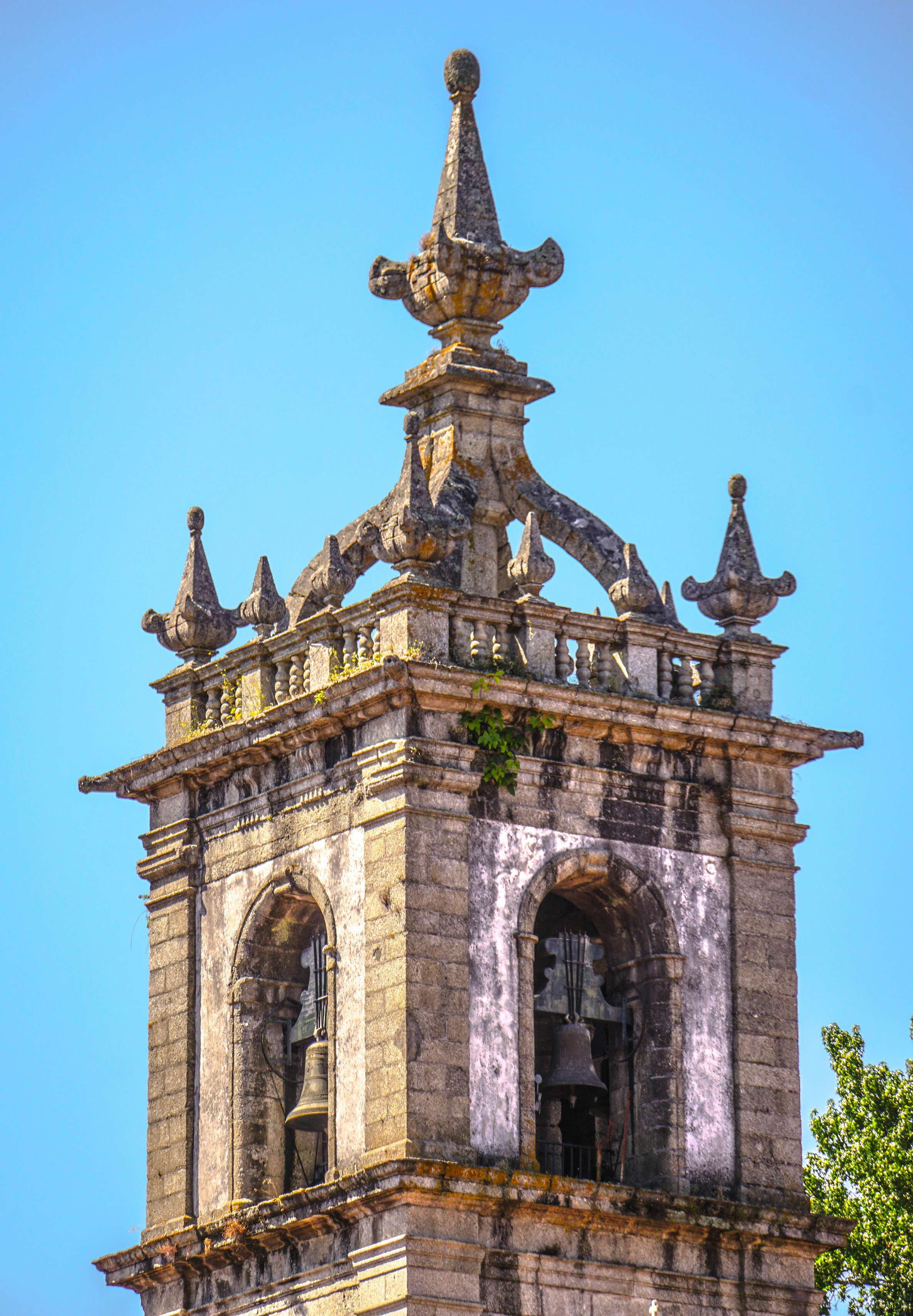
What happens on an overnight Douro cruise, day by day
Departure timing decides the whole day. Leave Porto between 7:30 and 8 am, or 7:00 to 7:30 during harvest, and you reach the valley estates before the large coach tours, which roll out between 8:00 and 9 am.
Early is also when the river is at its best: the calmest water, the softest light for photographs and the least boat traffic.
Then the river does its party trick. At a dam, the boat slides into a narrow concrete chamber, heavy steel gates close behind it, and water fills or drains the lock until the level matches the river ahead.
The Carrapatelo lock lifts or lowers the boat 35 meters in a few minutes, between walls that tower over the deck. Crestuma-Lever works the same way closer to Porto. Sail out the far gates and carry on upstream.
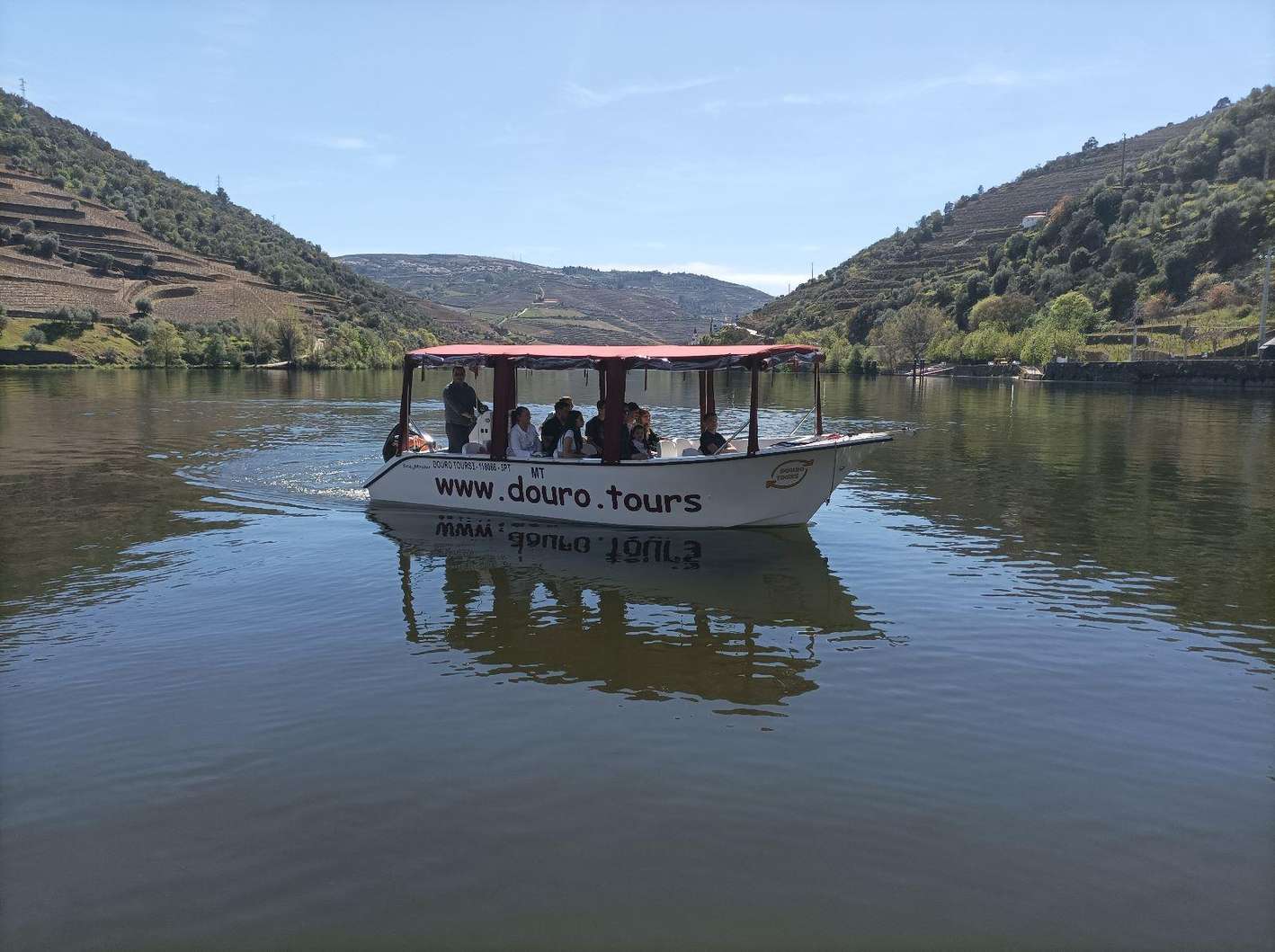
Forget any fear of rough water. Five dams hold the Douro in check, the river runs flat and calm, and there are no waves or rolling to speak of. Motion sickness is a non-issue on the water; the winding roads are the only place it ever comes up.
The route, stop by stop:
- 1StartMeeting point
Pickup included, Check availability for details
- 2Mesao Frio
- 3Quinta da Pacheca
- 4Pinhão
- 5Casal de Loivos
- 6Peso da Régua
- 7Viewpoint of São Leonardo de Galafura
- 8Q.ta do Seixo
- 9Vila Real, Portugal
- 10Amarante
- 11Porto District
- 12Porto
Morning departure, lock transit before lunch, estates and viewpoints through the afternoon: the shape holds whether the trip runs two days or three.
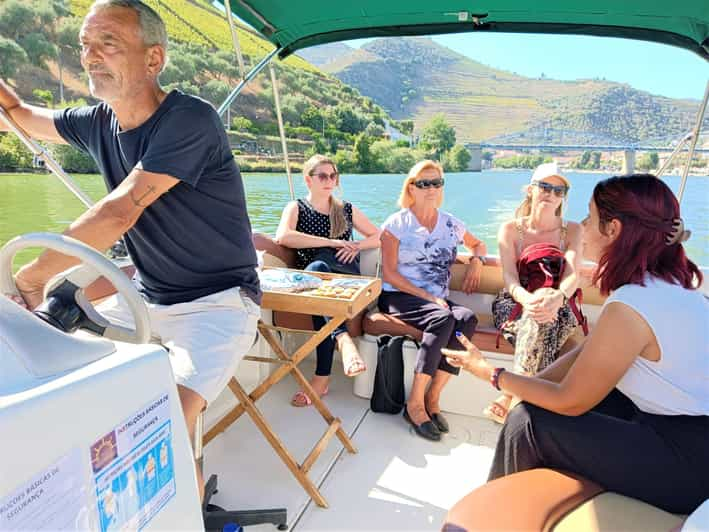
Taking a guided Douro tour or travelling independently
Independent travel works here better than in most wine regions. The train to Pinhão puts you in a village where several quintas sit within walking distance, and the station platform is minutes from tasting rooms and the riverfront. Book your estate visits ahead and a day unfolds without a car.
Booking ahead decides everything here. Many smaller or prestigious quintas take no walk-ins, and arriving at a valley station without reservations risks being turned away or finding little open. Add the roads: steep, narrow and demanding, with a drink-drive limit that asks one member of a self-driving group to sit out the tastings.
The boat adds its own math. Cruising Porto to Peso da Régua alone takes 7 to 8 hours, so a boat-only round trip makes a very long day. The experienced route is upstream by water, downstream by train, which gives you the river at water level and the valley from above in one journey.
Three ways to do an overnight Douro trip
| Private 3-day wine and heritage tour | 3-day valley walking journey | DIY by train | |
|---|---|---|---|
| Pace | Flexible, private, guide-driven | Set days: morning hike, lunch, free afternoon | Yours to arrange |
| Logistics | Vehicle, guide, lodging and boat all arranged | Transfers to each trail and restaurant included | You book trains, tastings and rooms |
| Wine access | Two estate tastings plus rabelo cruise with Port | Local lunches and dinners with wine | Only what you reserve in advance |
| Cost | Highest | Mid to high | Lowest |
- Pace
- Flexible, private, guide-driven
- Logistics
- Vehicle, guide, lodging and boat all arranged
- Wine access
- Two estate tastings plus rabelo cruise with Port
- Cost
- Highest
- Pace
- Set days: morning hike, lunch, free afternoon
- Logistics
- Transfers to each trail and restaurant included
- Wine access
- Local lunches and dinners with wine
- Cost
- Mid to high
- Pace
- Yours to arrange
- Logistics
- You book trains, tastings and rooms
- Wine access
- Only what you reserve in advance
- Cost
- Lowest
The private tour is the one that removes every booking from your hands.
What makes a good Douro overnight tour
Two itineraries can share a route and feel nothing alike. Budget packages funnel groups into large commercial estates built for high-volume bus tours; the better trips use destination-focused guides who know the wine and the history well enough to go off script.
Group size shows at the tasting counter and on deck. Language matters too: estate tours usually run in English, but sessions need requesting ahead, and the best operators offer live guides in several languages.
Check the terms before you pay. A full refund for cancellation up to 24 hours in advance is the standard among good operators, and flexible rebooking matters when weather changes a sailing. Look for a tour that names its meals and its lodging.
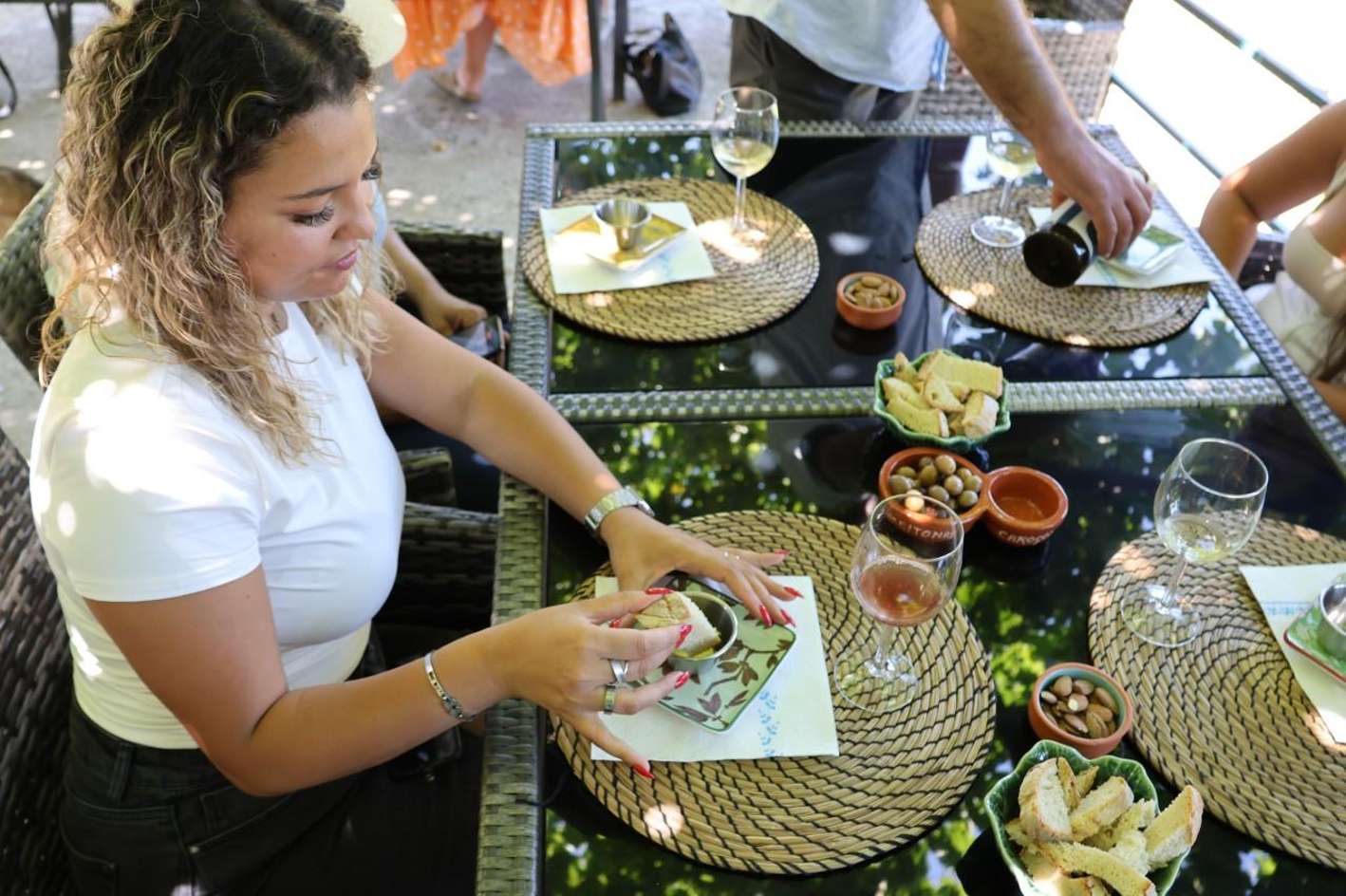
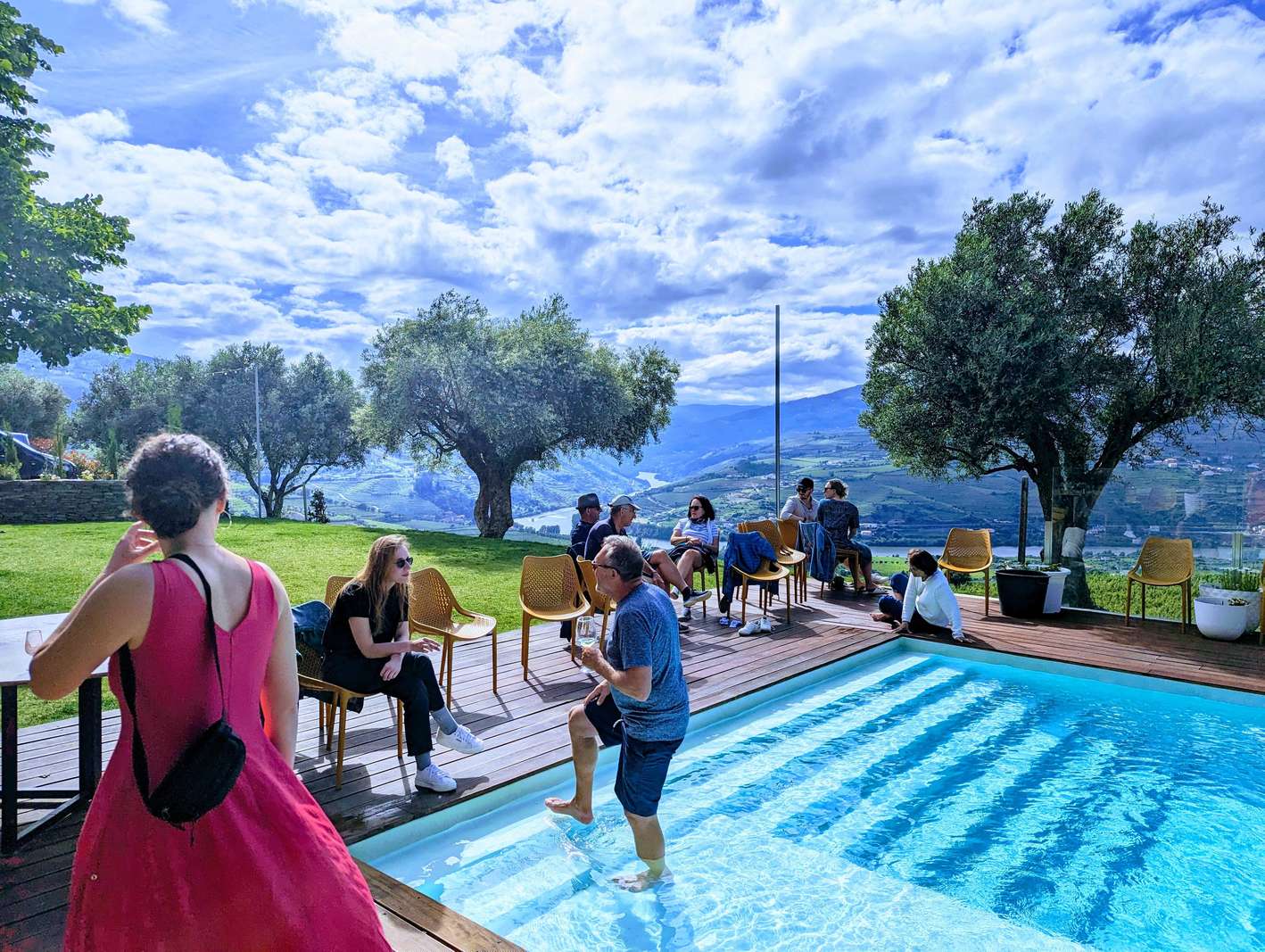
The Douro: Private 3-Day Wine & Heritage Tour measures up on each count: a dedicated private guide and vehicle from Porto, tastings at two renowned estates (Quinta da Pacheca and Quinta do Seixo, with three Ports at the latter), a traditional rabelo cruise with Port tasting, a night in a selected hotel in Peso da Régua with breakfast, and the 24-hour cancellation window.
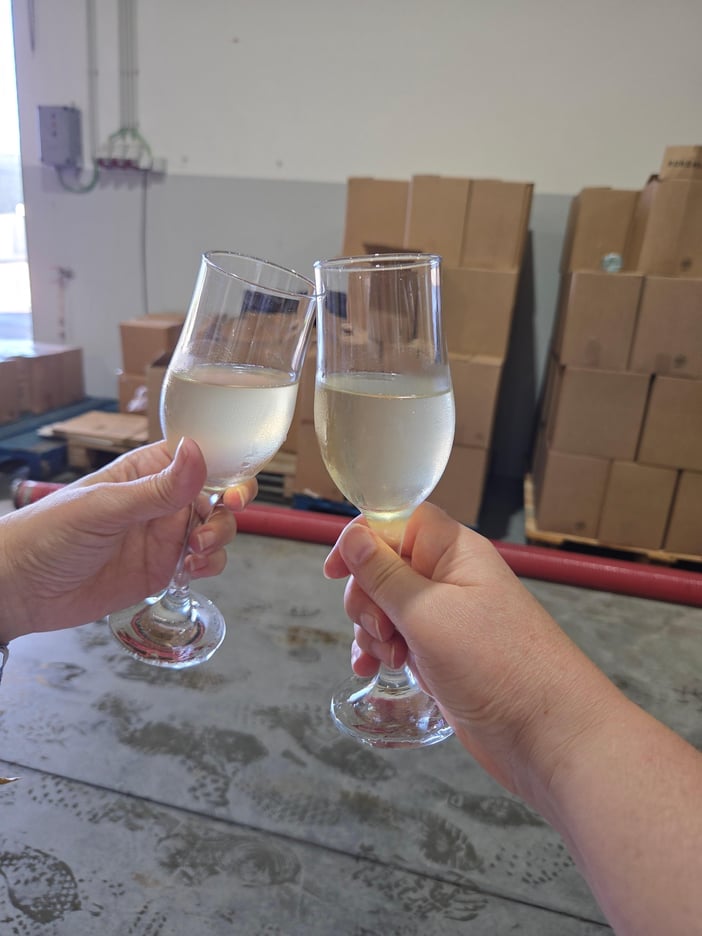
Small details earn their keep, like the welcome drink when the valley first opens up below the road.
- A guide with youLive tour guide
- Free cancellationCancel up to 24 hours in advance for a full refund
- Book now, pay laterReserve your place and pay closer to the date
- A small groupSmall group
- Hotel pickupPickup included, Check availability for details
- Wheelchair accessibleYes
- Your languagePortuguese, English
What else to see and do around the Douro Valley
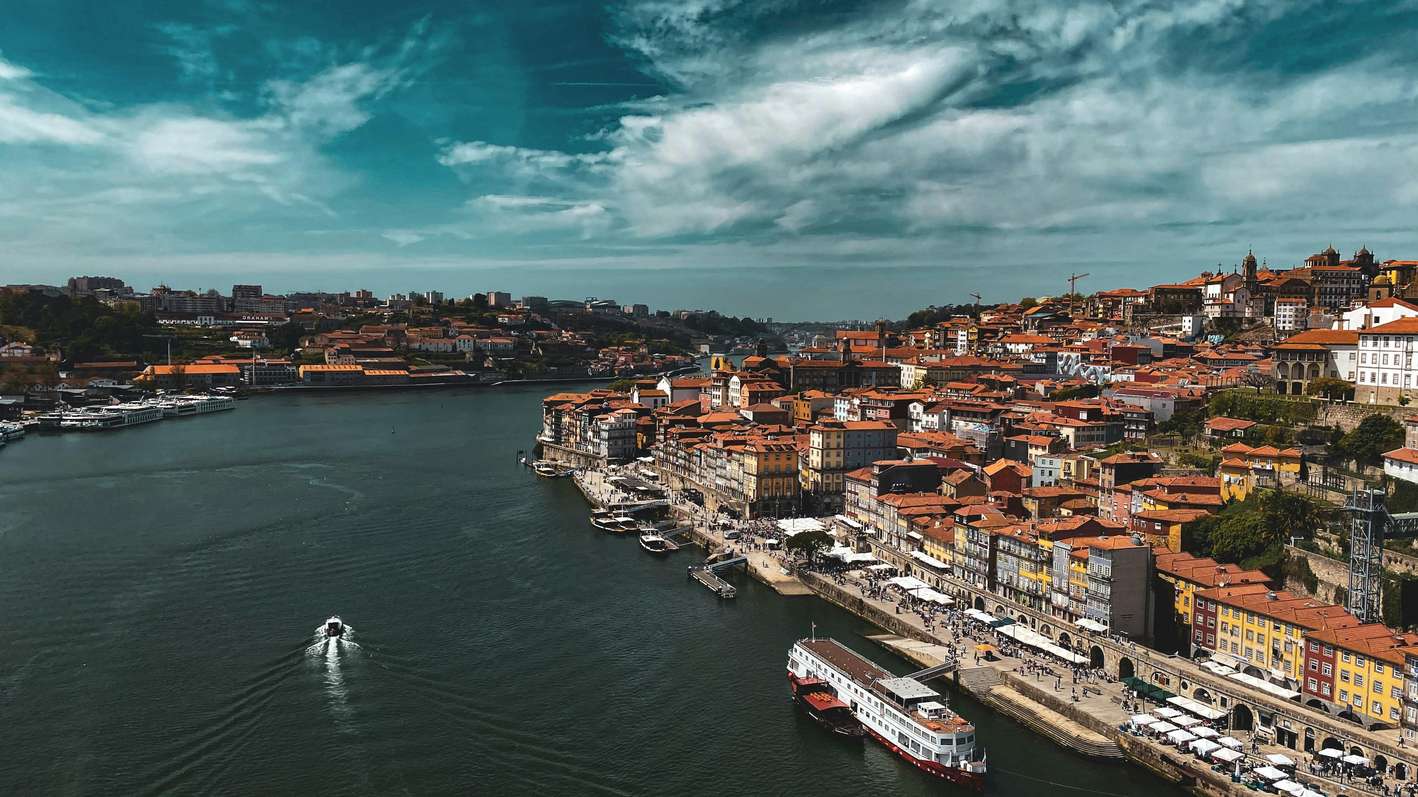
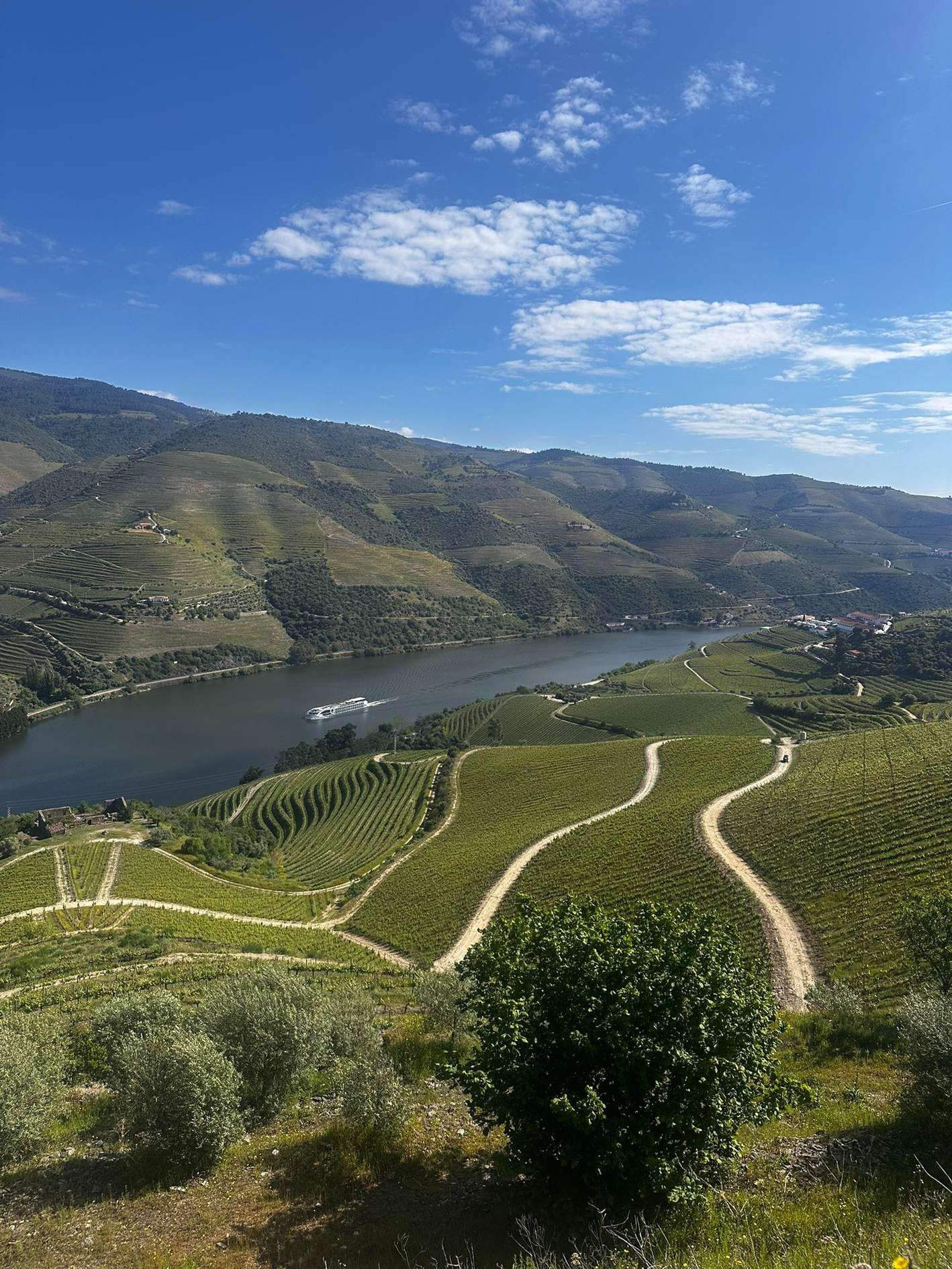
Porto fills the hours before boarding. Walk the Ribeira waterfront, cross the Luís I Bridge on its upper deck, 60 meters above the river, and look back from the Serra do Pilar Terrace in Gaia. The port lodges line the Gaia quays if you want a preview tasting before the real thing upriver.
In the valley, Pinhão rewards an hour on foot. The 19th-century train station carries azulejo panels of vineyard harvests, and the 1906 iron bridge gives wide river views from its walkway.
Two quintas sit close enough to reach without a car: Quinta do Bomfim about 5 minutes from the platforms, Quinta das Carvalhas a 5- to 10-minute walk across the road bridge. Wine bars and restaurants cluster within 300 meters of the pier.
Around the starting town, the riverside keeps its own small sights within a few minutes' walk:
- 1Busto do Conselheiro José Maria Alpoimhistoric place2 min walkDirections
- 2Posto de Turismosight2 min walkDirections
- 3Torre da Antiga Igreja de Santa Cristinahistoric place2 min walkDirections
Show all 10 places
- 4SC Mesão Frio - Campo de futebolpark or garden3 min walkDirections
- 5Piscinas Municipais de Mesão Friopark or garden3 min walkDirections
- 6Pelourinhohistoric place3 min walkDirections
- 7Pérgola da Avenida do Conselheiro José Maria Alpoimsight3 min walkDirections
- 8Parque Infantilpark or garden3 min walkDirections
- 9Senhor dos Perdidoshistoric place4 min walkDirections
- 10Zona Fluvial Do Rio Teixeirasight4 min walkDirections
- Churrasqueira Filipa1 min
- Tasca do Zéquinha1 min
- Café Avenida1 min
- Douro Sabores Restaurante1 min
None of it needs planning. It fills the gaps between sailing, tasting and dinner, which on a multi-day trip there are finally enough of.
What to know before you book a river cruise overnight in the Douro
Most two- and three-day Douro river cruise itineraries do not have you sleeping on the boat. On-board cabins belong to the large week-long hotel ships. On short overnight trips you stay on land, in a riverside hotel or wine estate, while the boat handles the sailing hours.
Sailing upstream means passing through the dams, and the Carrapatelo lock lifts the boat about 35 meters in only a few minutes.
You enter a concrete chamber, steel gates close behind you, and water fills the space until the level ahead is reached. It is quick, and it is one of the things people remember most.
The dam locks close for scheduled maintenance from December through late March, with the first closures starting in late November and full operation resuming around March 21.
Multi-day cruises that need to pass between dams cannot run during this window, so plan an overnight trip outside it. Short local boat trips still operate in the reservoirs around Pinhão and Porto.
Riverside wine estate accommodation for the September harvest sells out two to four months ahead, and the most sought-after quintas fill four to six months out. Book early if you want a specific harvest weekend.
Most day and overnight tour packages allow you to cancel up to 24 hours in advance for a full refund. Estate dining and private tasting reservations often carry their own, longer windows, so read those separately when you add them on.
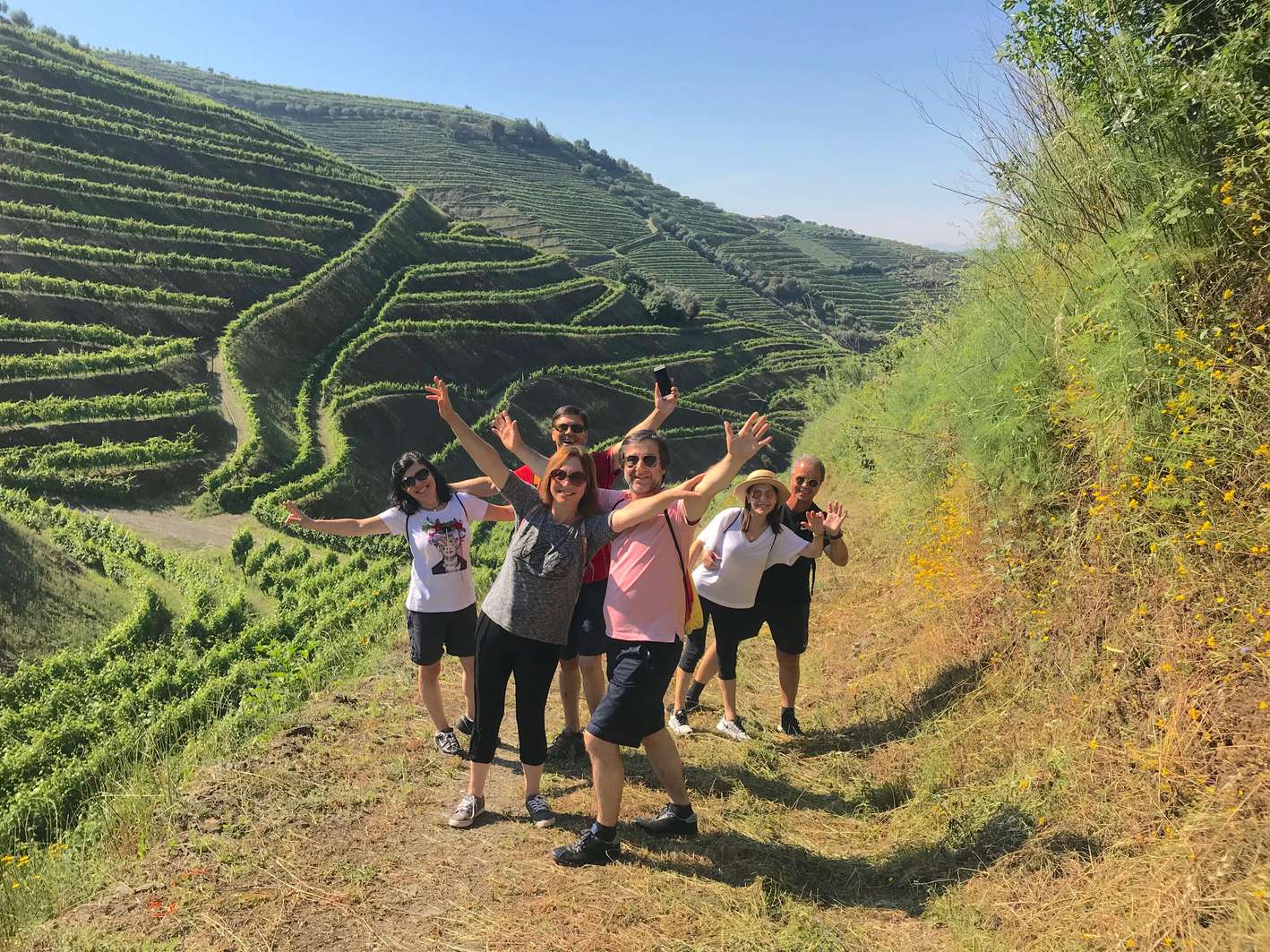
Vineyard terraces are steep, uneven schist steps, so bring closed-toe walking shoes with real grip. Flip-flops and smooth-soled shoes make the estate walks hard work. Add a light layer for the cellar tours, which stay cold even in summer.
July and August afternoons in the valley average 28.1°C to 29.3°C, several degrees hotter than Porto. Pack light clothing, sunscreen, a hat and a water bottle, and let the shade of the tasting rooms do the rest.
On short overnight packages, lunches and dinners are usually booked separately. Staying at a vineyard estate makes this easy: dinner at your own accommodation avoids driving dark, winding rural roads after an evening of Port tasting.
Portugal's legal blood alcohol limit is 0.5 g/l for standard drivers, and lower for novice drivers. If you rent a car for any part of the trip, one tasting pour can reach the limit on these rural roads, so let someone else drive or skip the pours that day.
Multi-day vessels can navigate upstream as far as the Spanish border near Barca d'Alva, water a day trip never reaches. Longer itineraries also pass the Cachão da Valeira gorge, where rapids blocked boats until work finished in 1792 and the 1976 dam made passage safe.
Worth it, if you give it two days
An overnight sailing suits travelers who want the Douro slowly: the locks, the upper river and an evening among the terraces, with a night in a valley hotel instead of a long same-day drive back to Porto.
The private 3-day heritage tour is the fit for anyone who wants the whole itinerary handled, from vehicle and guide to lodging and tastings. Happy with the 3-day version.
Time it for April to October; the winter lock maintenance pauses multi-day navigation.
Douro Valley river cruise overnight questions
Do you sleep on the boat or in a hotel on a Douro overnight cruise?+
On most two and three day trips you sleep on land, in a hotel or wine estate in the valley. Sleeping aboard happens only on multi-night hotel ship itineraries.
How much farther can a multi-day cruise go than a day trip?+
Much farther. Day tours stay around Peso da Régua and Pinhão, while multi-day vessels can sail upstream all the way to the Spanish border near Barca d'Alva, with coach links on to Salamanca.
Is the water rough on a multi-day Douro sailing?+
No. Five dams and locks regulate the river, so the water stays calm and flat. Motion is negligible, without the waves or rolling you get at sea.
What happens when the boat passes through a dam lock?+
The boat enters a narrow concrete chamber, steel gates close behind it, and water is added or drained to change the level. At the Carrapatelo Dam the chamber lifts or lowers the boat 35 meters in a few minutes, then the gates open and you sail on.
Is dinner included when you stay overnight in the valley?+
Often not, so reserve dinner at your vineyard hotel or estate ahead of time. It saves you from driving dark, winding rural roads late at night, and eating on the estate after the day crowds leave is the most peaceful part of the stay.
How far ahead should I book a 3 day Douro river cruise for September?+
Riverside wine estate rooms for the September harvest typically sell out two to four months ahead, and the most sought-after quintas fill four to six months out. Book early for that window.
How is an overnight cruise different from a week-long hotel ship voyage?+
A two-day overnight trip usually covers the stretch between Porto and Régua or Pinhão, with one night in a hotel or wine estate and return travel by train or bus. A seven-day hotel ship voyage is a floating hotel that sails the full Portuguese Douro round trip, with all meals and tours on board.
What should I wear for vineyard visits between sailings?+
Sturdy closed-toe walking shoes with good grip for the steep schist terraces and stone steps. Skip flip-flops and heels. Bring breathable layers, a sun hat and sunscreen in summer, and a waterproof jacket with deep-tread shoes in cool, rainy months.