Douro Valley Overnight Tour 2 and 3-Night Valley Itineraries
Stay past the day-trip rush. Book a Douro Valley overnight tour with private guiding, quinta stays and wine tastings built in, and trade the ten-hour round trip for quiet terraces, long dinners and unhurried mornings among the vines.
Choosing your Douro Valley overnight tour - three ways to stay
An overnight stay in the valley comes in two main shapes: a guided route by private vehicle that takes in wine estates and heritage towns, or a walking trip where you hike each morning and rest in the afternoon. The difference comes down to what you want out of the day: touring from the car window, or covering ground on foot.
DocumentsSome tours ask you to bring a passport or national ID card to the meeting point.
CancellationsEvery multi-day itinerary here allows a full refund when you cancel up to 24 hours in advance.
Booking aheadFor harvest season in September and October, boutique estate rooms sell out 3 to 6 months in advance.
WeatherTours run rain or shine, and vineyard walks and terrace lunches move to covered or indoor spaces when the heat or rain arrives.
FootwearBring hiking shoes and comfortable clothes, since the walking itineraries cover easy to moderate trails.
PaceMorning hikes finish around 12:30 pm, leaving free afternoons to rest or explore at your own speed.
Itinerary changesVenues can close for local events or holidays, so tours adjust stops, or you may reschedule or get a refund for the affected visit.
TippingNot mandatory in Northern Portugal, but appreciated in euro cash for good service from guides and hosts.
sell-outBoutique vineyard estate rooms in the Douro Valley sell out 3 to 6 months ahead for the September and October grape harvest, and the most sought-after quintas book out up to 9 months in advance.
If you want an overnight stay during harvest, book your Douro Valley overnight tour in winter or early spring, ideally by January or February, and keep harvest weekend dates flexible where you can.
Douro Valley overnight options - the three ways compared
Best for wine and heritage
3 days·Portuguese, English
Douro: Private 3-Day Wine & Heritage Tour
A private 3-day tour with a dedicated guide, two estate tastings, a Rabelo cruise and a night in Peso da Régua.
Free cancellationHotel pickup includedDedicated private guide throughout the journey
Three days with your own guide and vehicle, starting with the cooler Baixo Corgo vineyards around Mesão Frio and a guided tasting at Quinta da Pacheca, one of the valley's best-known estates.
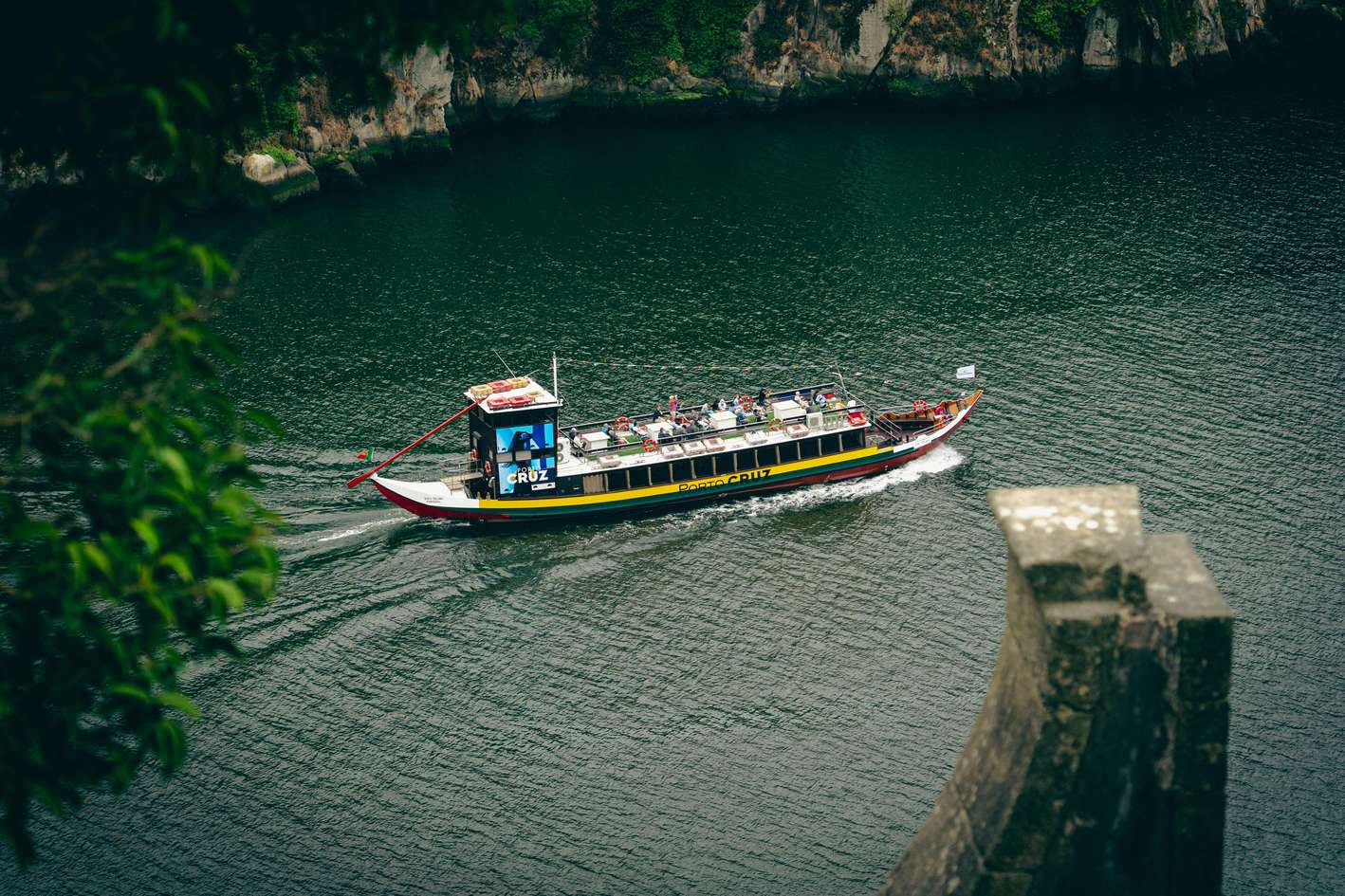
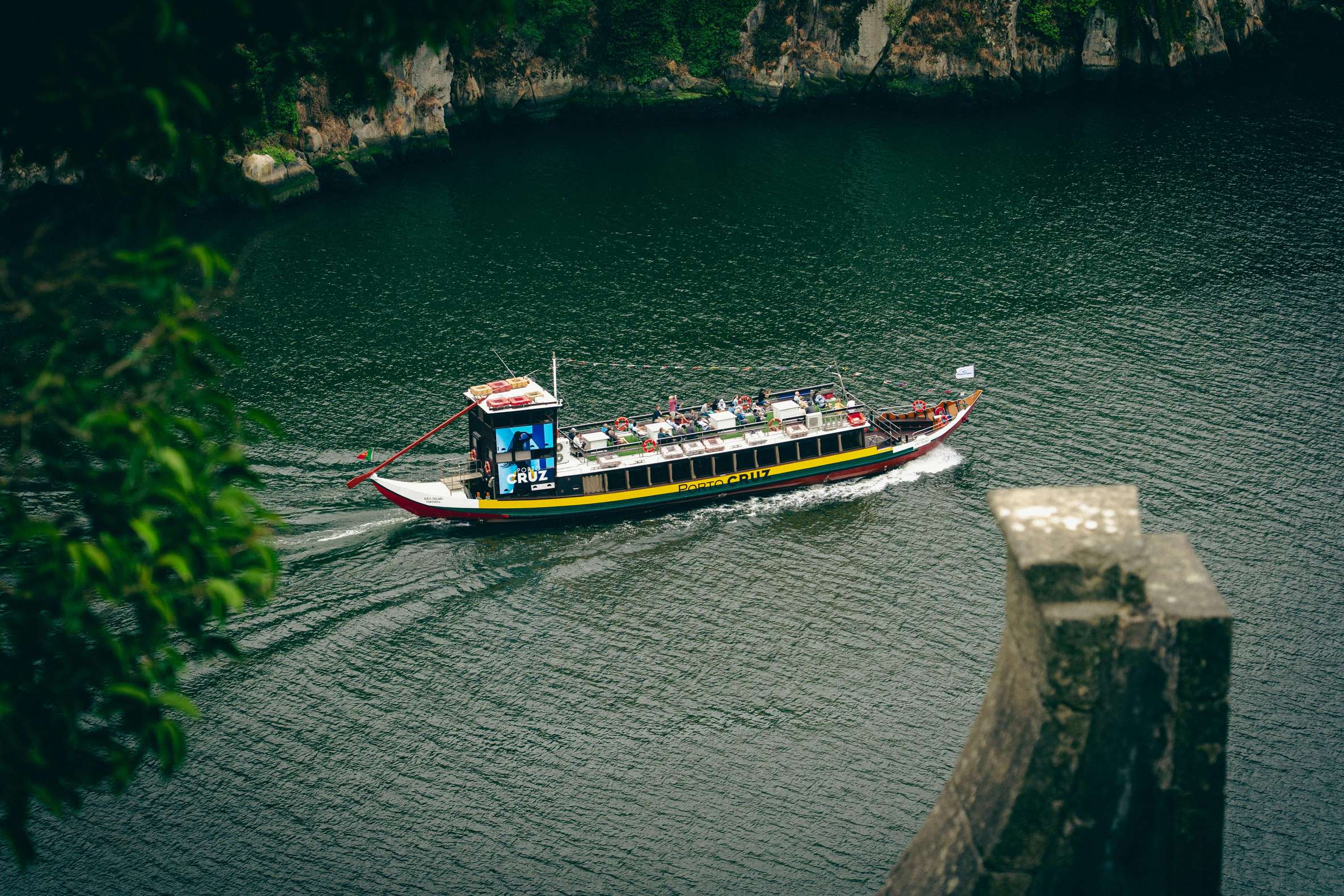
In Pinhão you board a traditional rabelo boat with a Port wine in hand, then learn the olive oil side of the region at Casal de Loivos.
The night falls in Peso da Régua at a handpicked 3- or 4-star hotel with breakfast, so the second day can run at its own pace: the Galafura viewpoint, three Ports poured at Quinta do Seixo, then Vila Real and Amarante before a final walk through Porto's historic centre.
PickupAvintesFrom this tour2Mesao FrioFirst look at the Baixo Corgo, the valley's cooler, wetter western end where lighter, early-maturing table wines grow on the slopes.From this tour3Quinta da PachecaA guided visit and wine tasting at one of the Douro's renowned wine estates, with a welcome drink waiting for you in the valley.Street View4PinhãoA traditional rabelo boat cruise on the river with Port wine tasting, past the terraced hillsides around the village.5Casal de LoivosAn introduction to the Douro's olive oil heritage at the D'Origem Olive Oil Museum, with a tasting of the region's oil.Street View6Peso da RéguaThe valley's main urban hub. You visit the Douro Museum, then settle into a handpicked 3-star or 4-star hotel here for the night, breakfast included.From this tour7Viewpoint of São Leonardo de GalafuraA lookout above the river bends where the terraced slopes catch the late golden light once the day-trip crowds have gone.8Q.ta do SeixoA guided visit to a working Port estate on the hillside above the river, ending with a tasting of three Port wines.9Vila Real, PortugalA stop in this historic inland city, known for its granite old town, before the route turns back toward the coast.From this tour10AmaranteA riverside town on the Tâmega, a good break for coffee and the traditional São Gonçalo pastries the town is known for.From this tour11Porto DistrictThe drive back through northern Portugal toward the city, with your guide handling the road entirely.From this tour12PortoA final private walk through the historic centre, taking in Aliados, the church of São Francisco and the Ribeira waterfront.Drop-offAvintesFrom this tour
Private transportation from Porto in a modern, air-conditioned vehicleDedicated private guide throughout the journeyWelcome drink in the Douro ValleyVisit to the Douro MuseumGuided visit and wine tasting at Quinta da PachecaTraditional Rabelo boat cruise with Port wine tasting
Not included
Lunches and dinnersPersonal expenses and purchasesHotel tourist tax, where applicableRoom upgrades or additional hotel services
How to book your Douro overnight stay
01
Pick your dates first
Choose travel dates before anything else. For the September and October harvest, boutique estate rooms sell out 3 to 6 months ahead, and the most wanted quintas fill 7 to 9 months out.
Pro tipBook harvest dates in January or February if you want a signature room at a top-demand quinta
RecommendedMidweek dates see fewer estate crowds than Saturdays
02
Choose your itinerary
Decide between the private 3-day wine and heritage tour with its own guide and vehicle, the 3-day walking journey, or the 5-day hike and wine package. The walking trips start from Peso da Régua; the private tour includes pickup from Porto.
Common mistakeFirst-timers book a hiking package for a family member with back or heart problems, and both walking tours list those as unsuitable
Pro tipThe walking tours meet in the valley, so plan the trip from Porto yourself
03
Read what each option includes
Open the option list and compare. On the private 3-day tour, the hotel night in Peso da Régua, breakfast, two estate tastings, the Rabelo cruise and travel insurance are included, while lunches and dinners are not.
ImportantTell the operator about any dietary requirements or mobility considerations before arrival
Pro tipThe 5-day walking package bundles all dinners and most lunches, so you carry less cash day to day
04
Pay and watch for confirmation
Pay through the booking platform and wait for the confirmation message there. Every one of these multi-day packages gives a full refund when you cancel up to 24 hours in advance.
Pro tipThe same 24-hour window covers the bundled hotel nights, so an early date change costs you nothing
ImportantBring a passport or ID card, since some Douro Valley day tours require one and overnight itineraries include hotel check-ins
05
Prepare for arrival
Pack hiking shoes and comfortable clothes for the walking itineraries, since the trails run easy to moderate over terraced ground. Bring euro cash for tips and personal expenses, because tips sit outside every one of these packages.
Common mistakeAssuming dinner is arranged on the private heritage tour; popular valley restaurants reach capacity on weekends, so reserve ahead
Pro tipTips in euro cash are how guides and restaurant staff prefer to receive them
What to know before you book an overnight Douro Valley wine tour
Can stop the dayGood to knowGood news
01
ChoosingWhat it is, who it suits, when to go
5
Starting point
The private three-day wine and heritage itinerary collects you from your Porto hotel, while the walking journeys meet in the valley itself, near Peso da Régua and Lamego. Read each option carefully so you know where your trip begins.
Group size
All three overnight itineraries are private, so you travel only with your own group. Hiking days and transfers are laid on just for you, and the pace bends to your fitness and interests rather than a coach schedule.
What's included
The packages bundle lodging, guided activities, transfers and most meals, and each one is itemised on its tour card. Examples from the current itineraries: Lunches and dinners on the private wine tour, plus personal expenses and tips, sit outside the price on some trips, so check the card.
Private three-day tour: transport from Porto, guide, hotel night in Peso da Régua with breakfast, two estate tastings, a Rabelo cruise and travel insurance
Three-day walking journey: three days of private hikes, three lunches with drinks, two dinners at local restaurants, two nights of rustic lodging and all transfers
Five-day version: five days of hikes, five lunches, four dinners, four nights of lodging and transfers
Evening meals
Dinners on the walking journeys are arranged for you. On itineraries where dinner is not included, book it at your estate hotel so you avoid driving dark, winding rural roads after a wine dinner. Popular valley restaurants fill up on weekends and in high season, so reserve in advance.
Why stay over
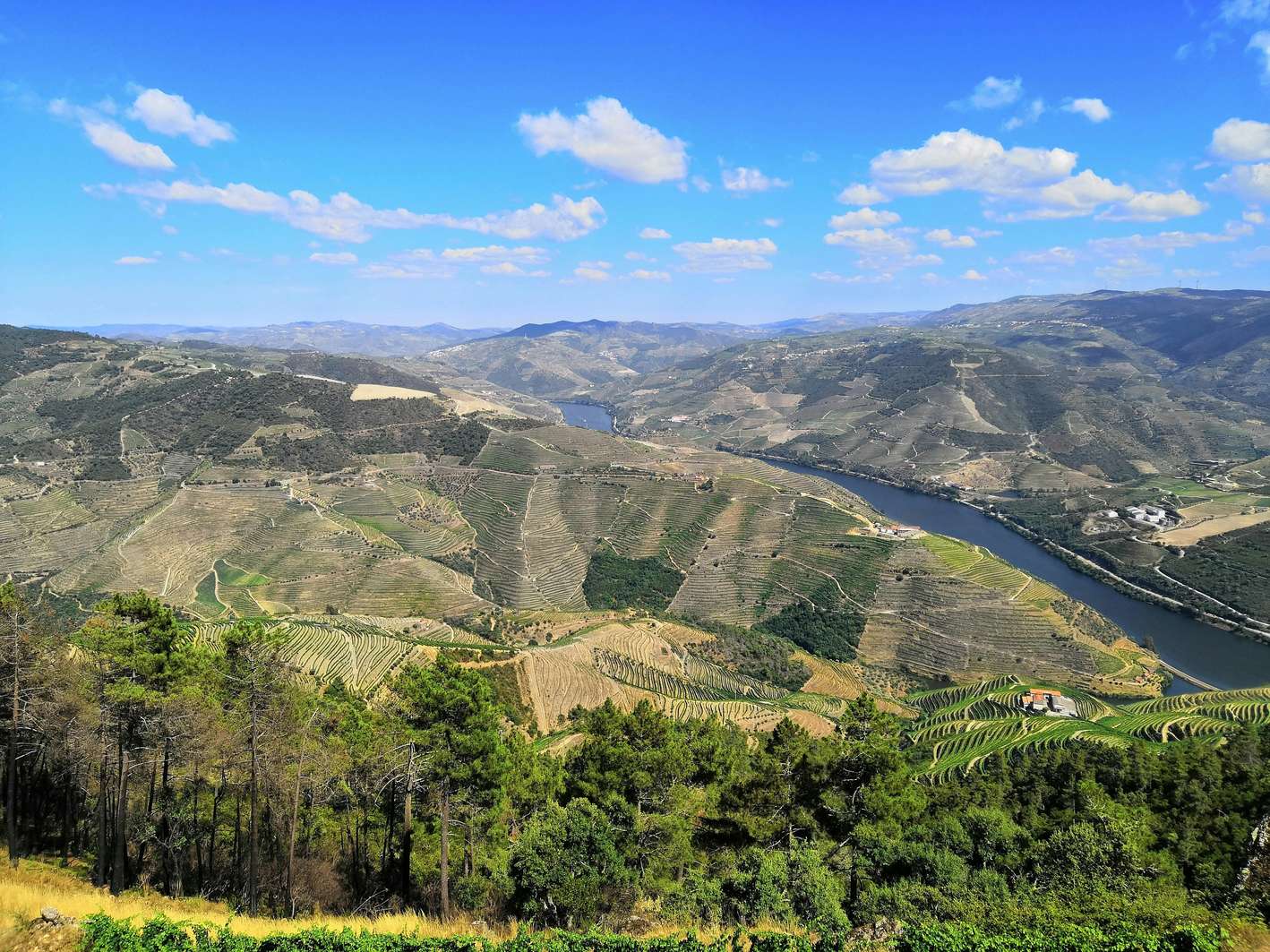
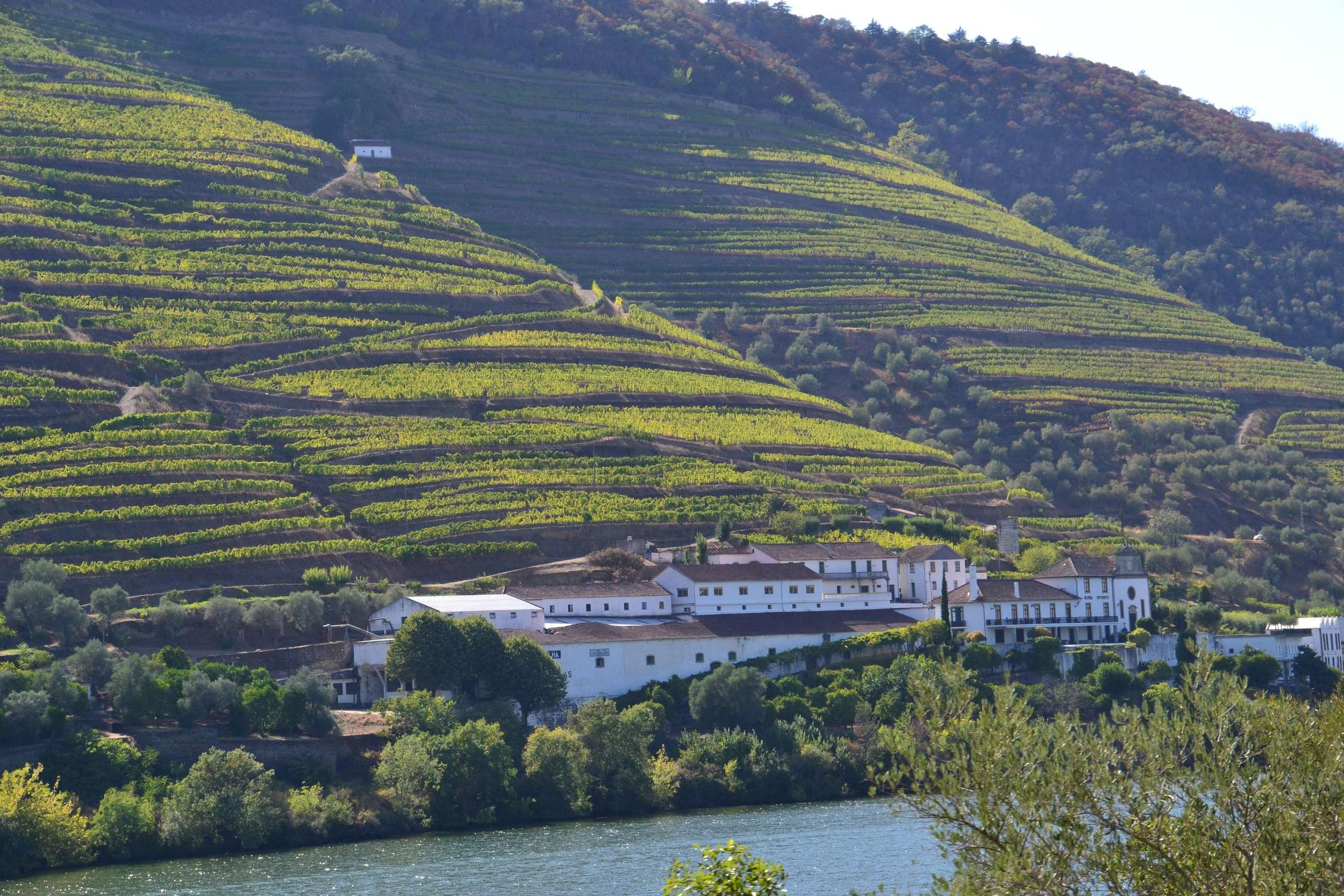
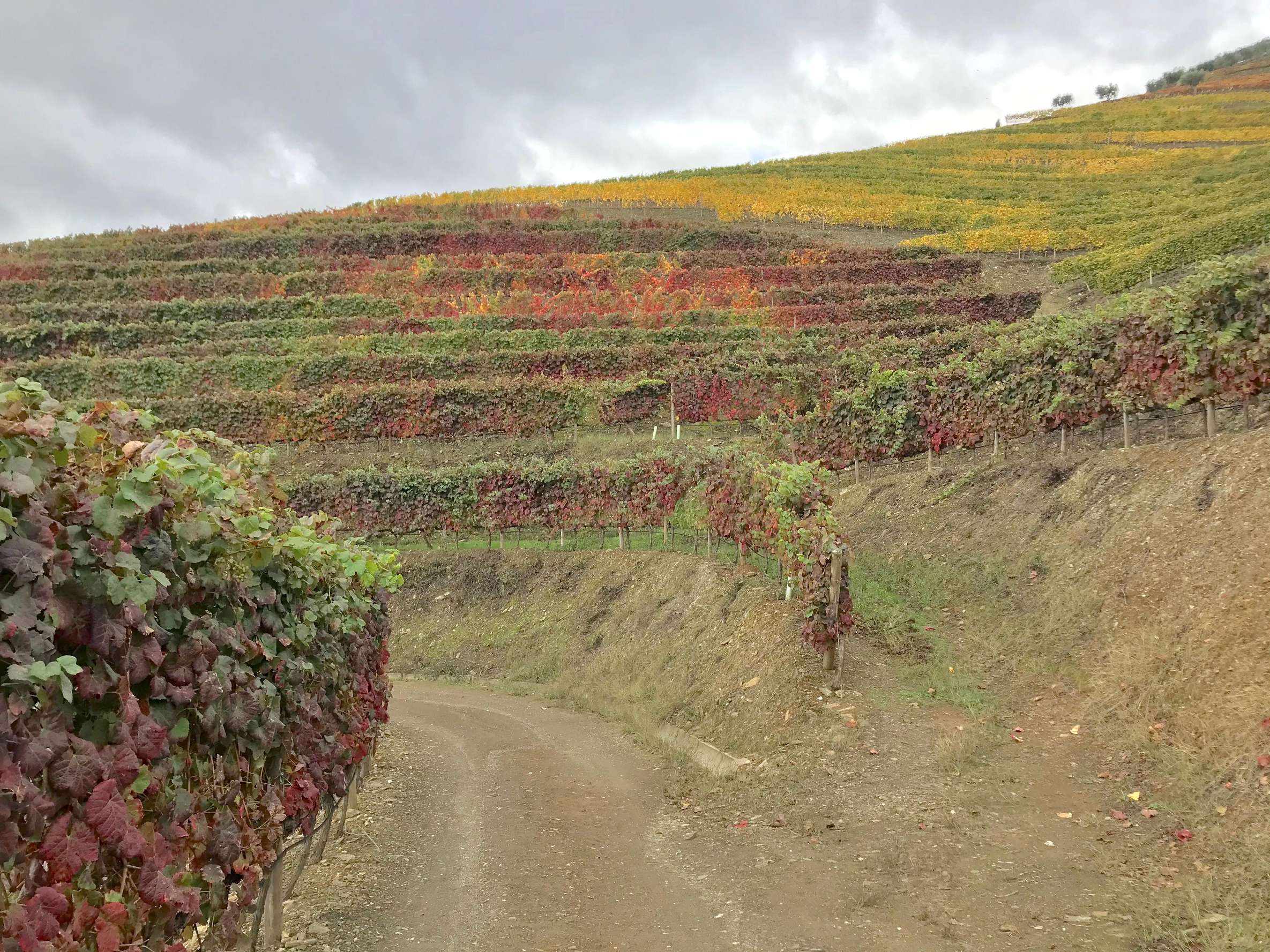
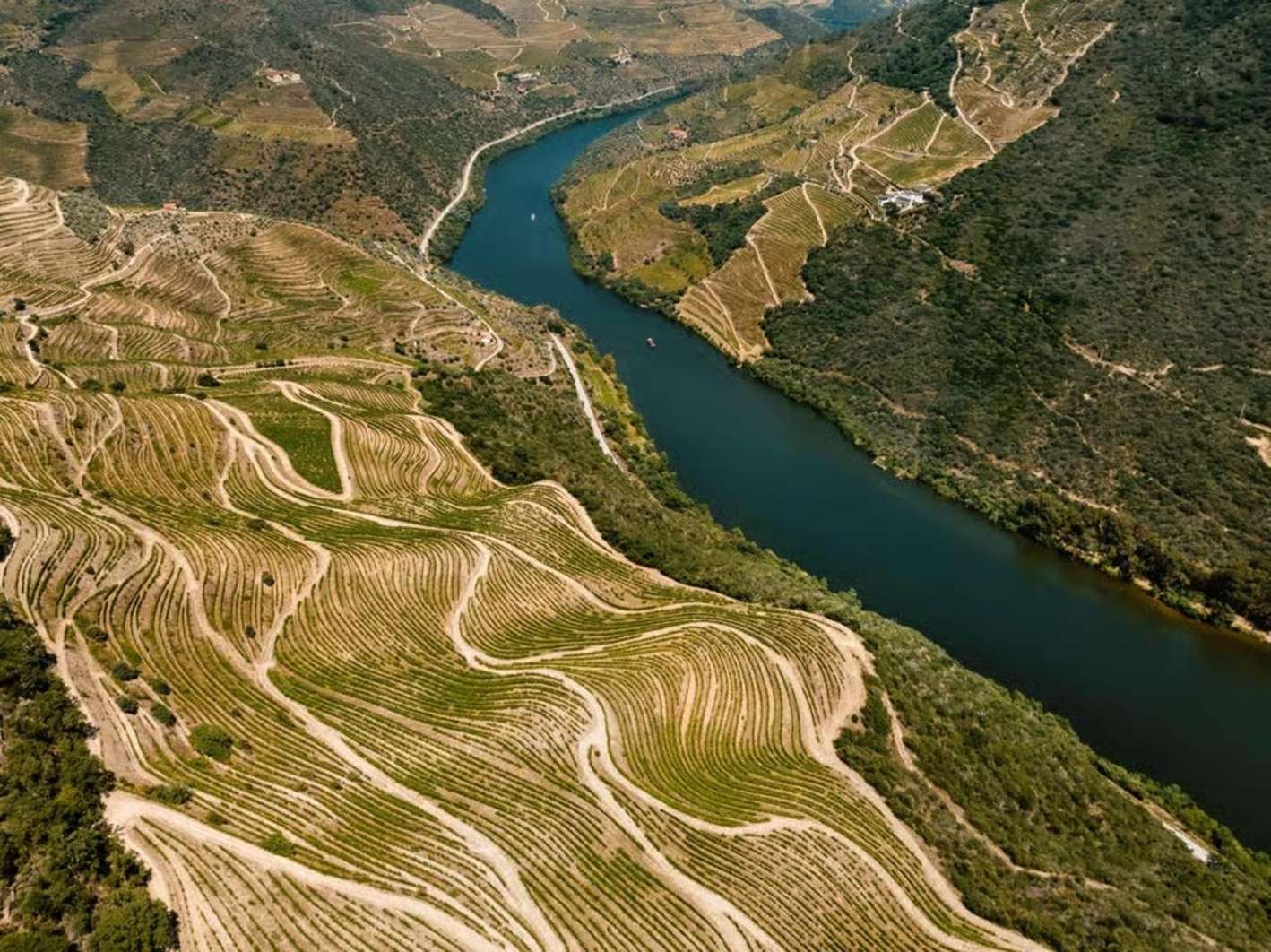
An overnight stay cuts three to four hours of daily driving out of the trip. After day-trip buses leave around 6 pm the valley quiets down, the slopes at lookouts like São Leonardo da Galafura catch golden light, and evenings turn to unhurried wine dinners and quiet mornings over the vines.
02
BookingHow far ahead, and what happens if plans change
2
Booking ahead
Boutique estate rooms in the valley sell out three to six months before the September and October harvest, and the most sought-after quintas fill up seven to nine months out. Outside harvest, a few weeks of lead time is usually enough for a package like these.
Cancellation
Every itinerary on this page allows a full refund when you cancel up to 24 hours in advance. That applies to the multi-day packages just as it does to day tours, so a date change does not cost you the booking.
03
Before you goPapers, health, what to bring
2
FootwearCan stop the day
The walking journeys ask for hiking shoes and comfortable clothes, and the trails are easy to moderate. Vineyard terraces are steep schist stone steps, so closed-toe shoes with grip are needed everywhere; flip-flops and smooth soles slip on them.
Health limits
The walking itineraries are not suitable for people with back problems, mobility impairments or heart conditions, and the five-day trip rules out children under nine and pregnant women. Steep terraces, stairs and uneven ground make the valley hard going for anyone with significant mobility limits.
04
During the tourWhat is expected of you
1
Tipping
Tipping in Northern Portugal is optional and appreciated for good service. Tips are preferred in euro cash. A generous host or sommelier deserves one; boat skippers are not expected to receive anything, though rounding up per group is common.
Douro Valley overnight wine tour guide
After six in the evening the coaches roll back to Porto and the terraces go quiet. Two or three nights buy that quiet valley, and the booking clock decides who gets it.
Porto· 41.11° N, 8.55° W
If you only remember three things
1
Give the valley at least two nights; a single day buys one or two estates and four hours in a van.
2
Book harvest-season estate rooms three to six months ahead, and signature rooms even earlier.
3
Two wineries a day is the realistic pace; more than that and the tastings blur.
Is staying overnight in the Douro worth it?
A standard day tour from Porto runs eight to ten hours, and about three to four of those hours are driving. You get one or two estates, a short boat ride, and a seat on the highway both ways.
An overnight stay swaps that commute for the hours the day trips never see: the sunset over the terraces, a wine-paired dinner without a road after it, breakfast above the vines. Two nights is the honest minimum people who have done it keep repeating.
You also taste better. With no return deadline, cellar tours stop feeling like a timetable, and you can add a trail, a riverside town, or a second pour where a day tripper is already checking the clock.
Two ways to hold the valley: the day trip against the overnight itineraries
Day trip from Porto
2-night overnight stay
3-night itinerary
Trip length
8 to 10 hours, same day
2 nights, 3 days
3 nights or more
Nights in the valley
none
2
3
Where you sleep
back in Porto
quinta or valley hotel
quinta or valley hotel
Wine focus
1 or 2 rushed estates
unhurried tastings, evening dinner
more estates, or walking days
Total package cost
lowest, but mostly transport
mid
highest, deepest immersion
Day trip from Porto
Trip length
8 to 10 hours, same day
Nights in the valley
none
Where you sleep
back in Porto
Wine focus
1 or 2 rushed estates
Total package cost
lowest, but mostly transport
2-night overnight stay
Trip length
2 nights, 3 days
Nights in the valley
2
Where you sleep
quinta or valley hotel
Wine focus
unhurried tastings, evening dinner
Total package cost
mid
3-night itinerary
Trip length
3 nights or more
Nights in the valley
3
Where you sleep
quinta or valley hotel
Wine focus
more estates, or walking days
Total package cost
highest, deepest immersion
The extra night is where the trip changes shape. It converts the valley from a photo stop into a place you inhabit for a few days.
Tour for this
Douro: Private 3-Day Wine & Heritage Tour3 days · Hotel pickup · Free cancellation
The rhythm settles quickly. You leave Porto early, reach the first estate before the coaches, and sit down to a regional lunch with wine. In the afternoon comes the boat: a 50-minute to one-hour cruise on the Douro, usually after lunch on full-day circuits.
Winery visits per tour day
2wineries on a full-day tour
1winery on a half-day tour
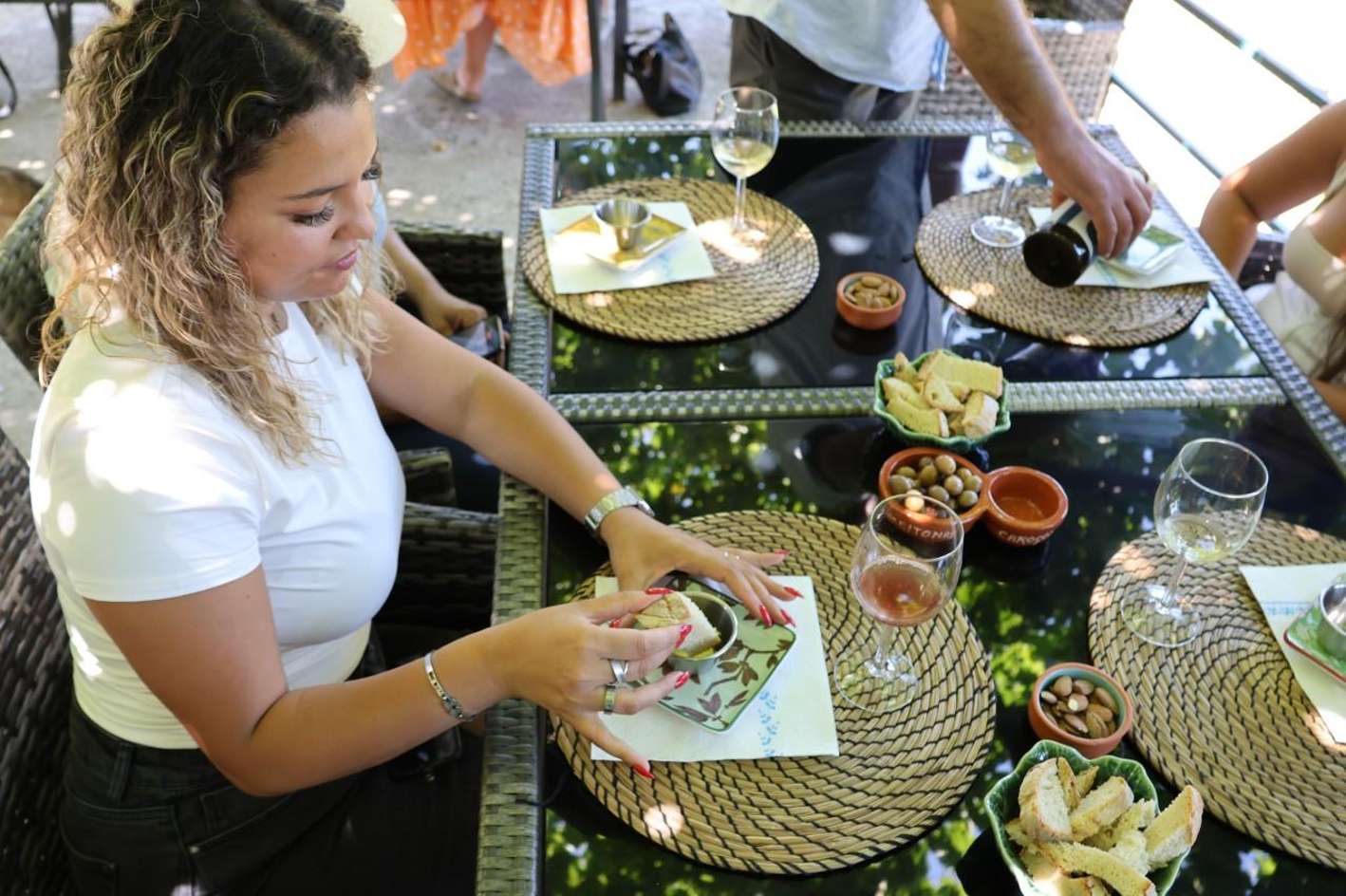
Two is the number to plan around. A full day realistically covers two wineries, with two or three pours at each plus wine at lunch, around five dedicated samples in all. Any more and the cellars start running together.
The difference overnight makes is the shape of the afternoon. When the tasting ends, a day tour turns east toward Porto. You turn toward your room, walk to dinner, and start again in the morning with a fresh estate and no highway.
Tour for this
3-Day Walking Journey in Douro Valley - All-Inclusive3 days · Free cancellation
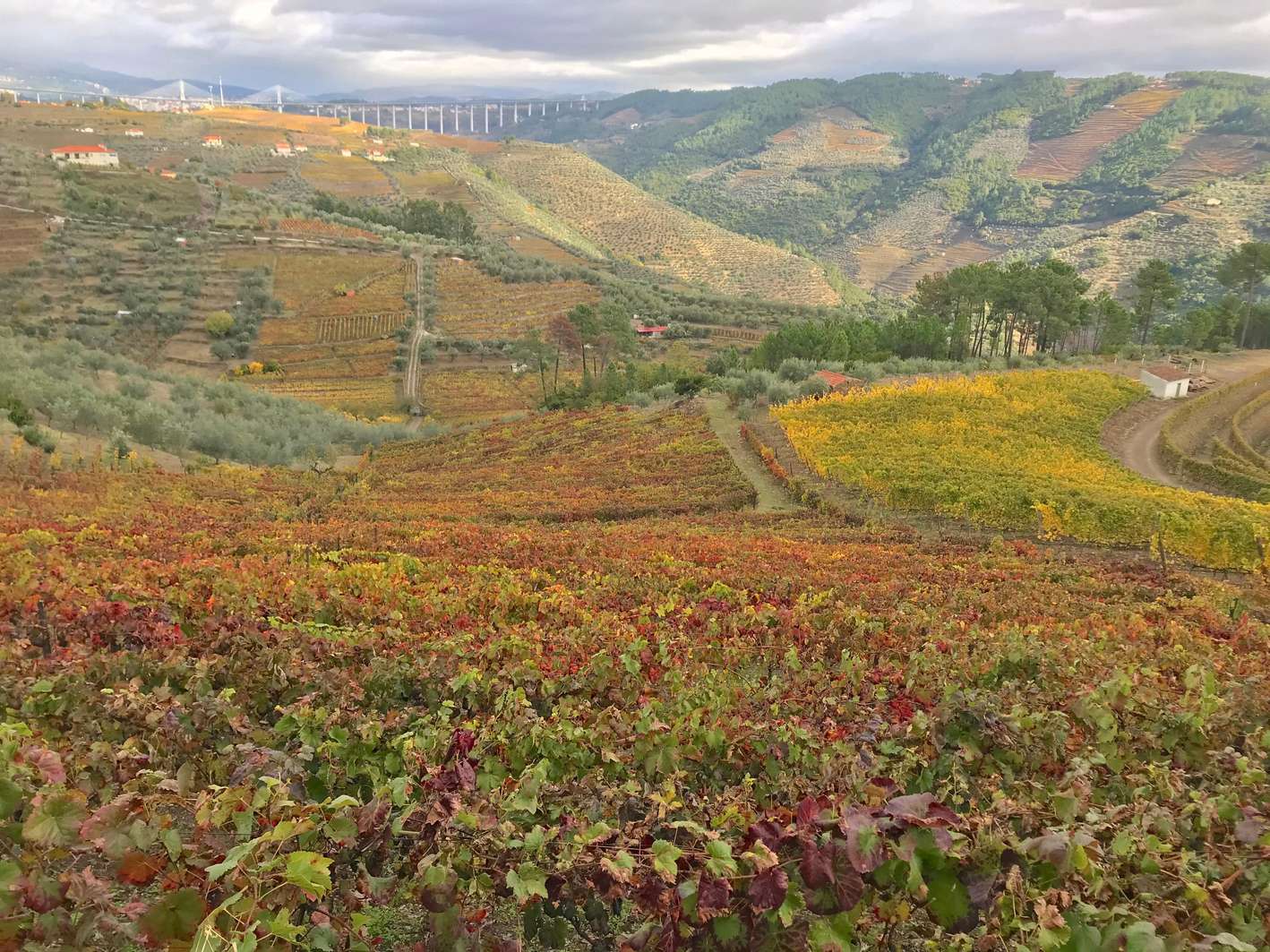
Spring turns the terraces bright green, with wildflowers and almond and cherry blossom along the hillsides, and daytime highs between about 16 and 25 degrees. Tastings run with smaller crowds than autumn.
Mid-September to mid-October is harvest, and the valley becomes a working place. Crews hand-pick grapes from dawn, tractors carry them down to the wineries, and the air smells of fermenting must.
September is the single busiest month for winery visits, with October close behind. You trade calm for a valley at full throttle, which many people find worth it.
How busy it gets, month by month
April: 5 out of 5 for how busy it gets.
HighestApr to Jun, Sep to Oct
In betweenMar, Jul to Aug
LowestNov to Feb
Darker: a higher how busy it gets score, out of 5
Tap a month to read it.
July and August push afternoon highs near 29 degrees, several degrees hotter than Porto, so midday terrace walking is hard going. Winter is quiet and often rainy, the vines bare so the stonework of the terraces shows, and the major estates keep pouring for small, unhurried groups.
Two very different packages carry the multi-day label, and they suit different trips.
A wine-first traveler should look hard at the Douro: Private 3-Day Wine & Heritage Tour.
It runs three days with your own guide and vehicle, tastings at two estates including Quinta da Pacheca, a Rabelo boat cruise with a Port tasting, and a night in Peso da Régua with breakfast, before looping through Vila Real, Amarante and back to Porto.
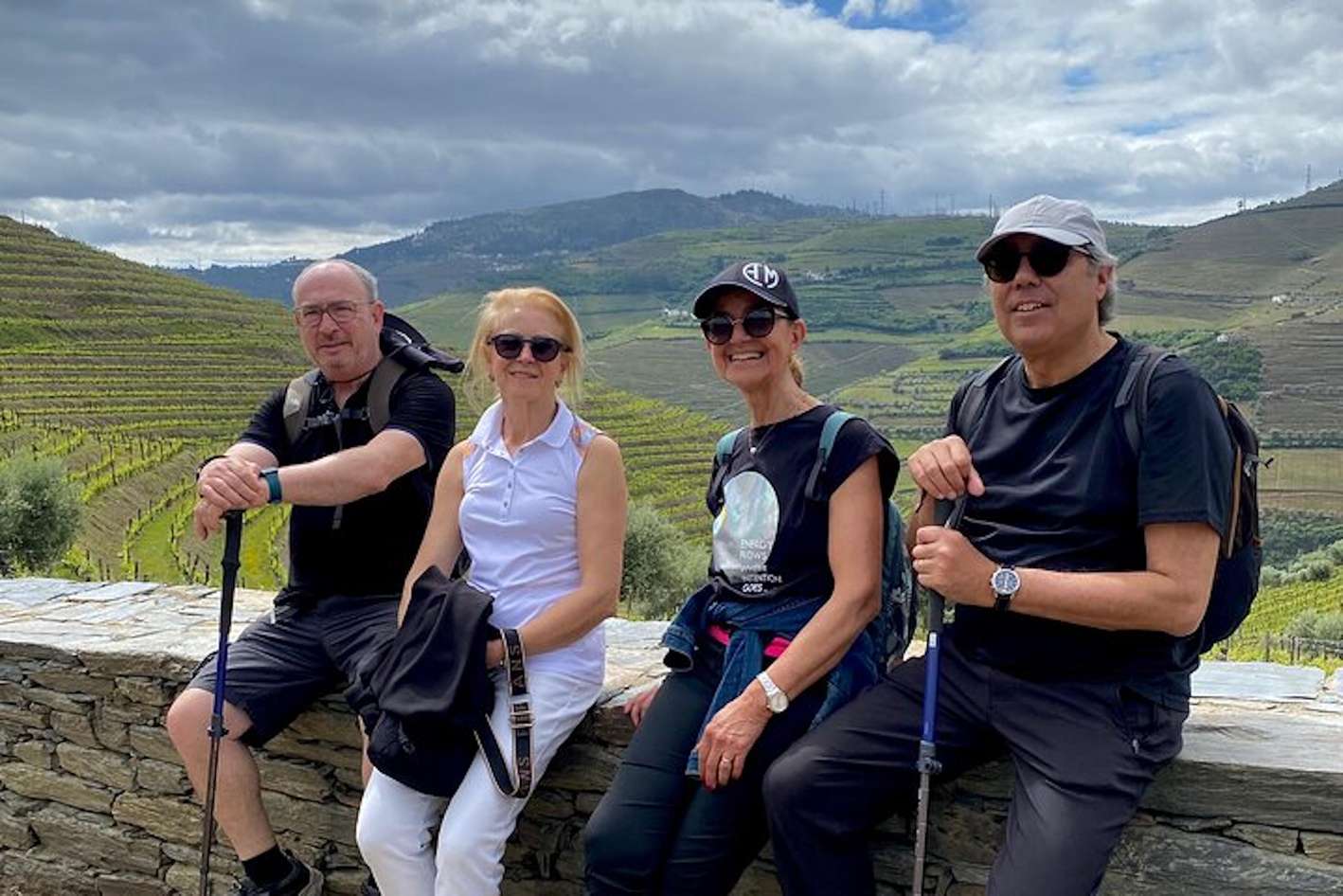
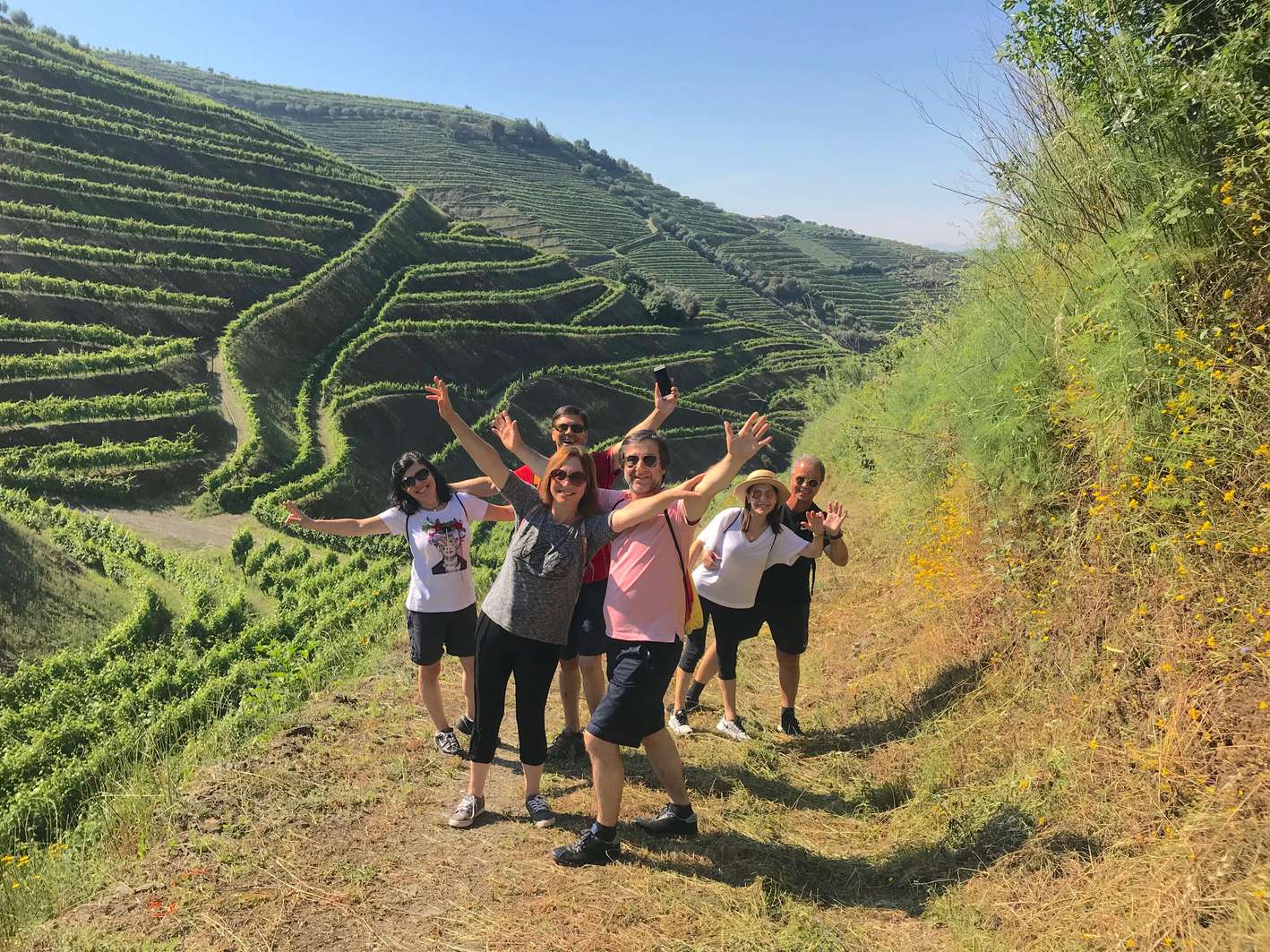
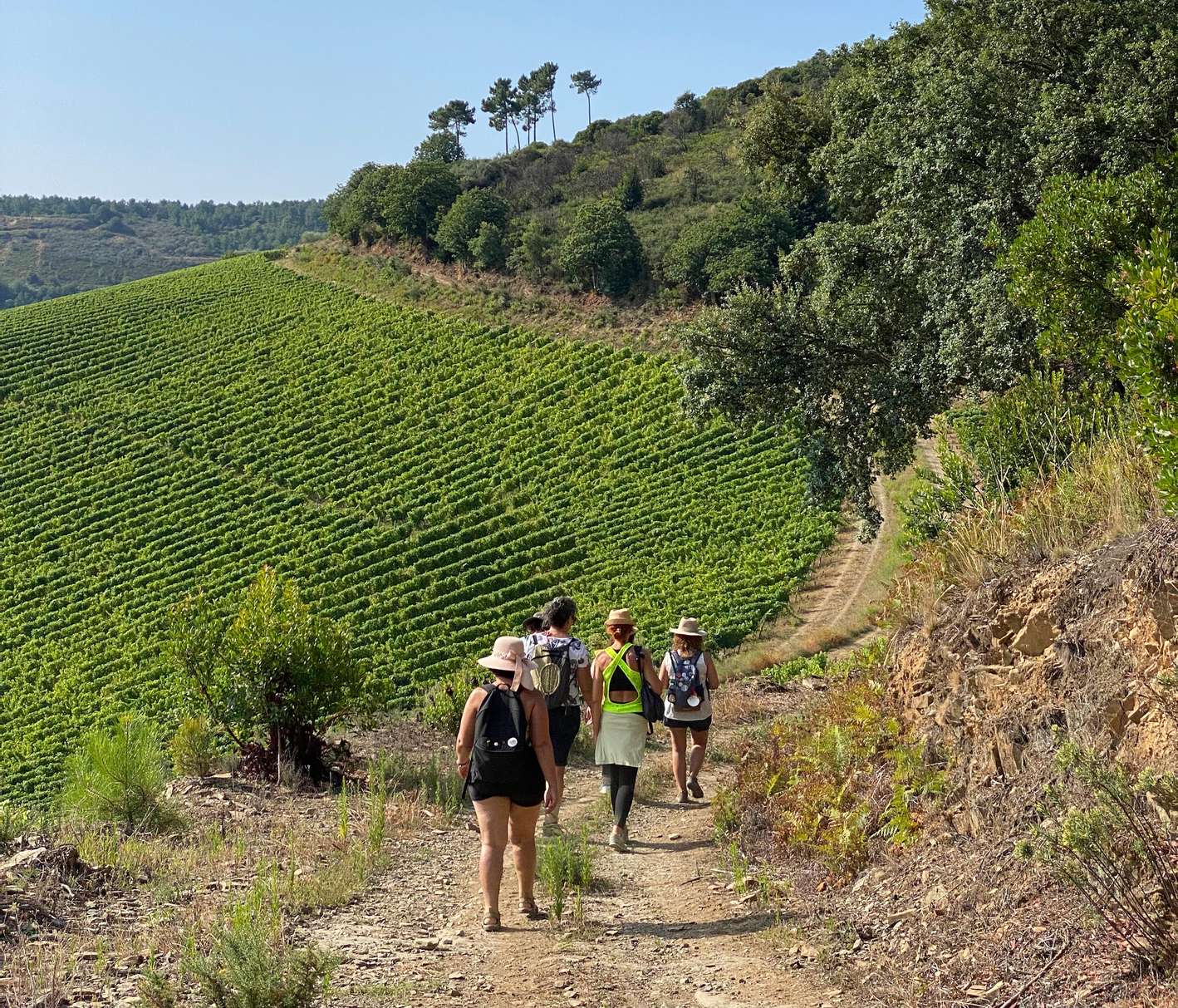
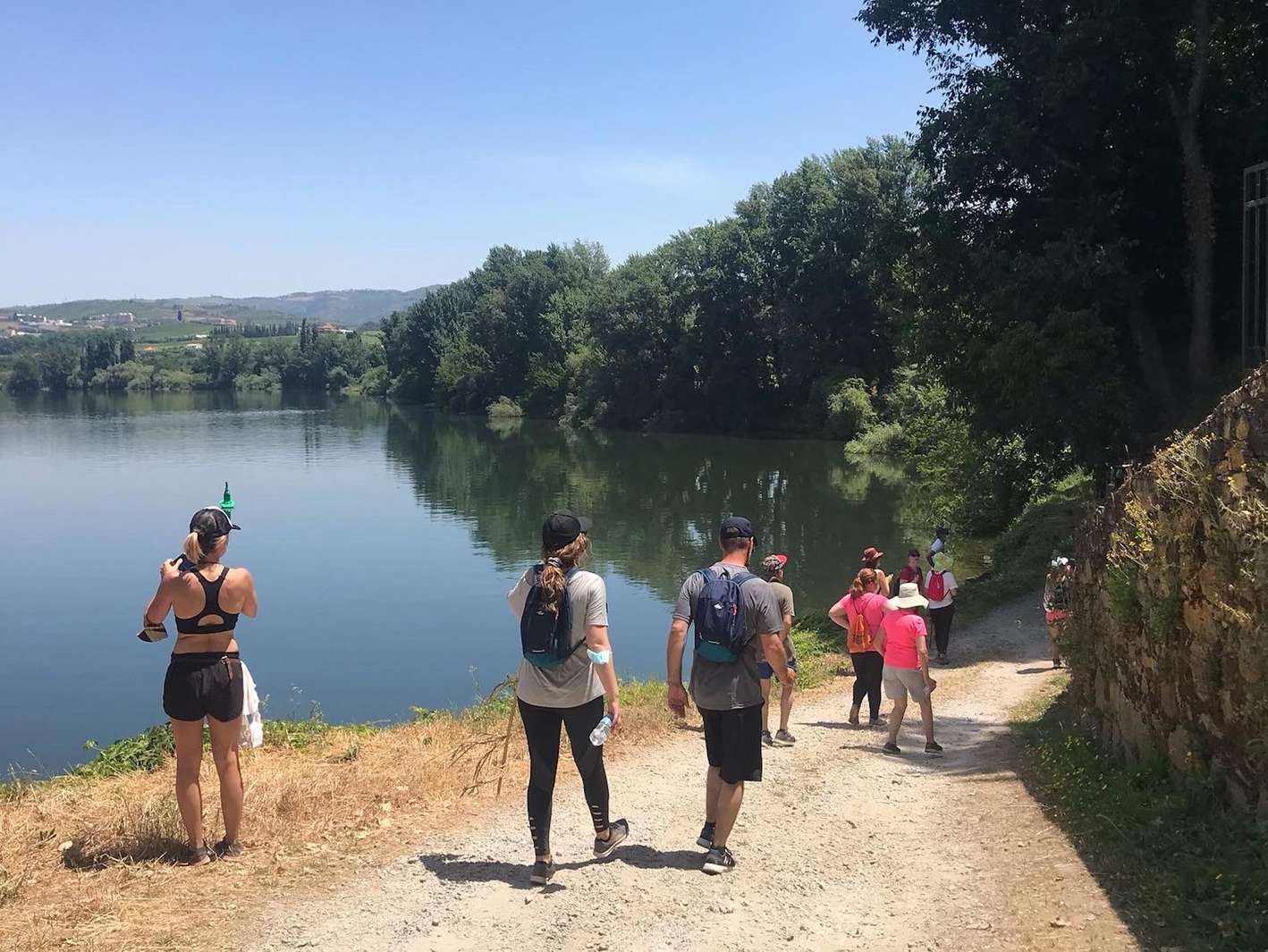
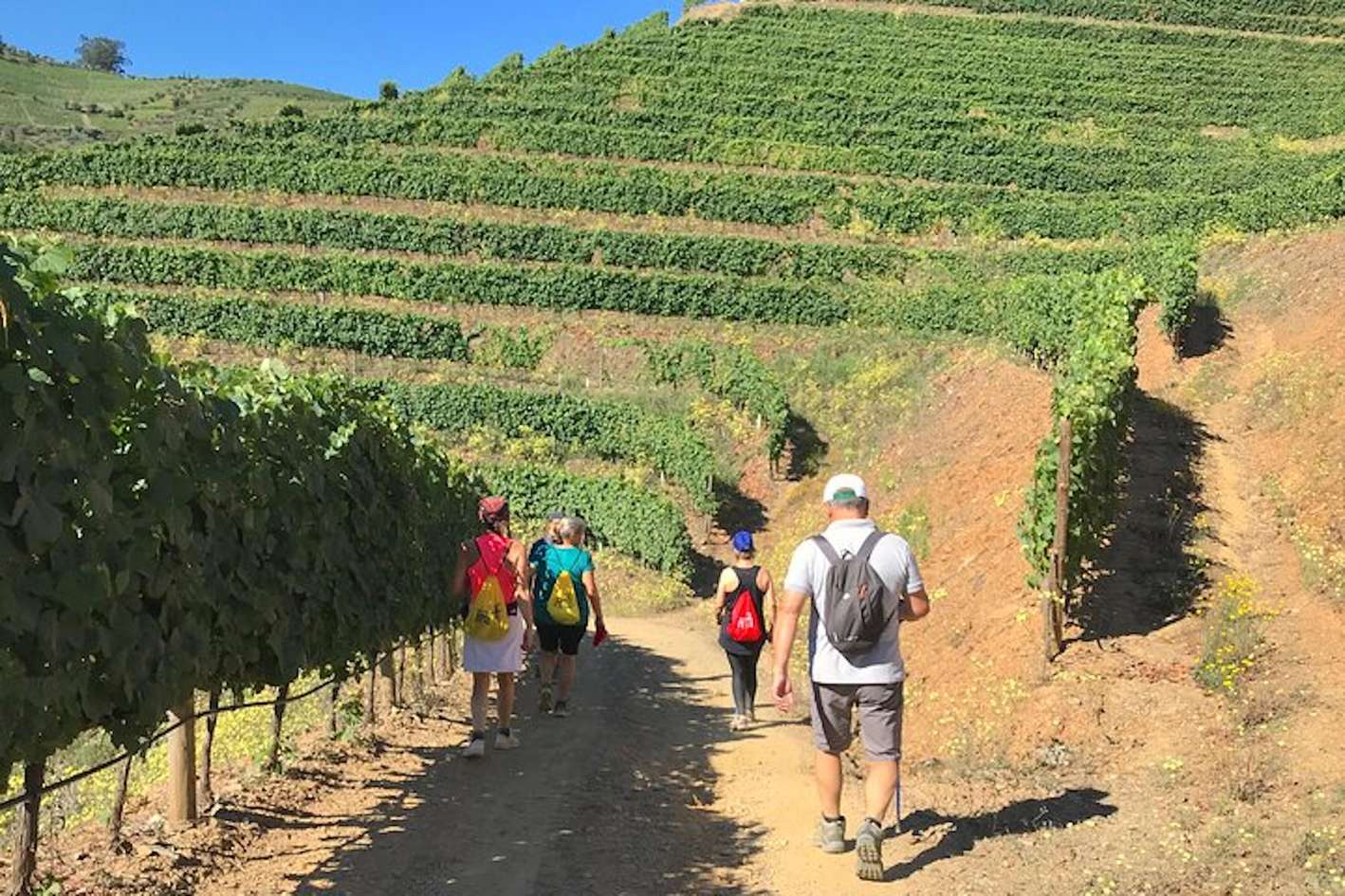
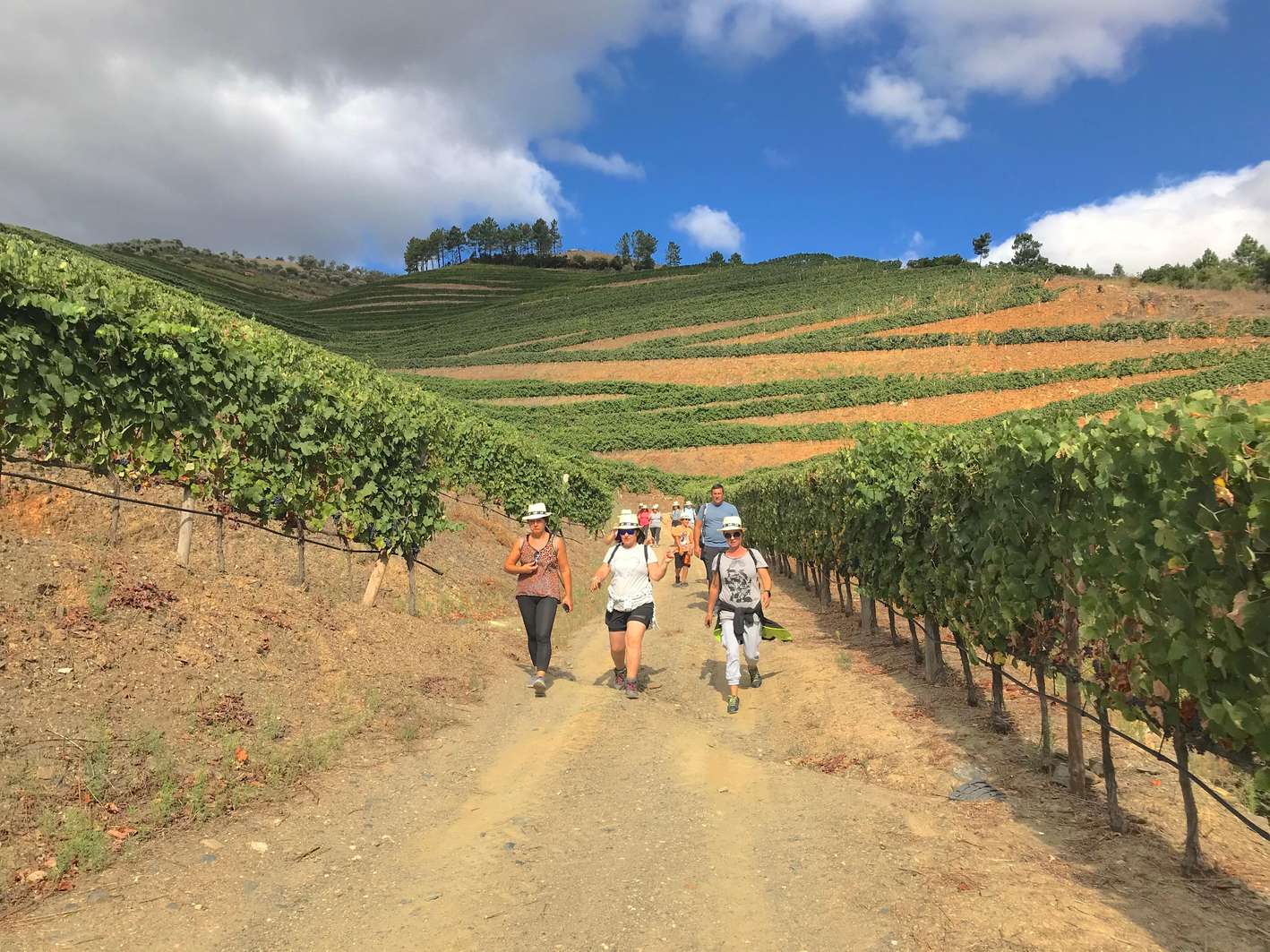
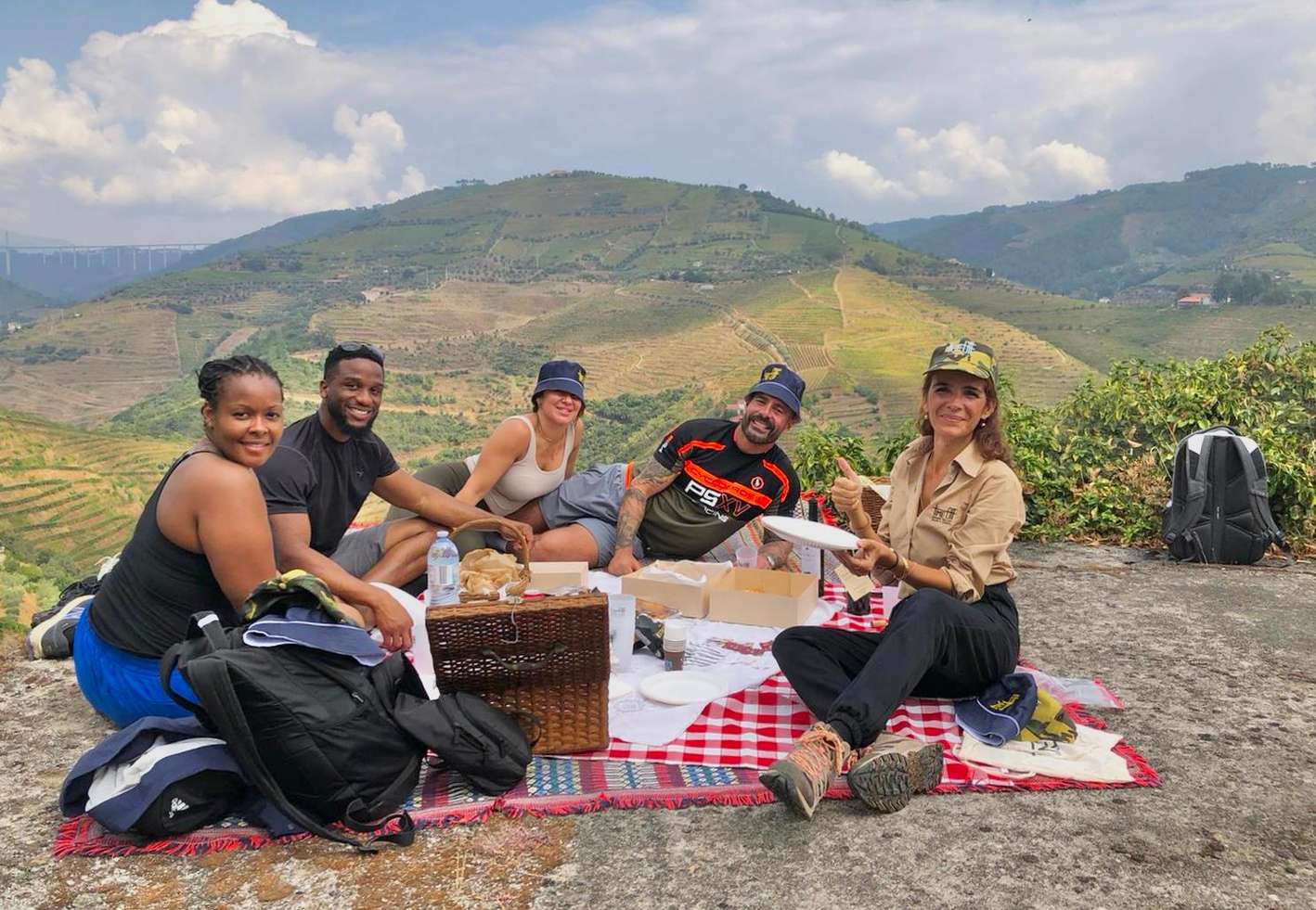
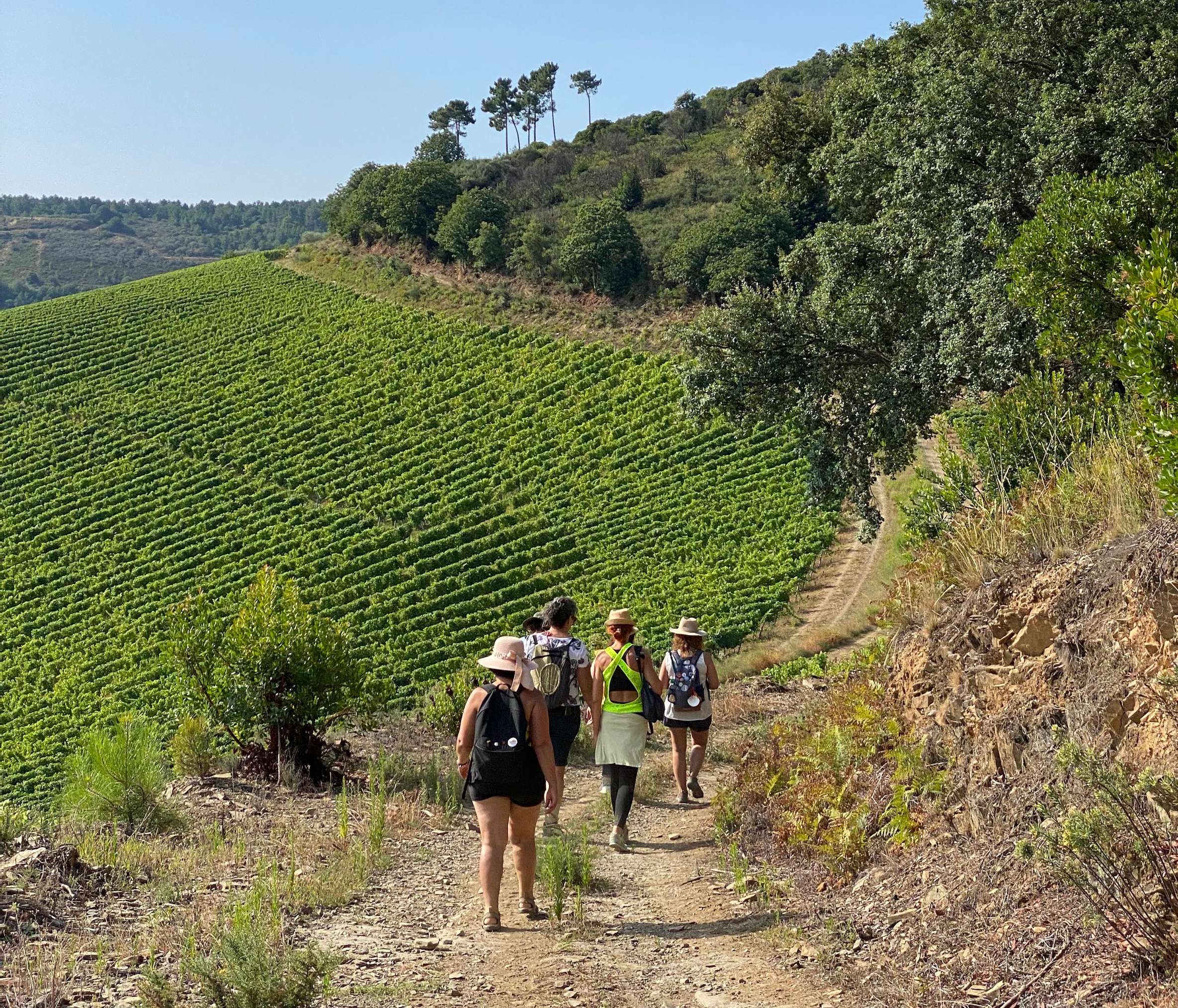
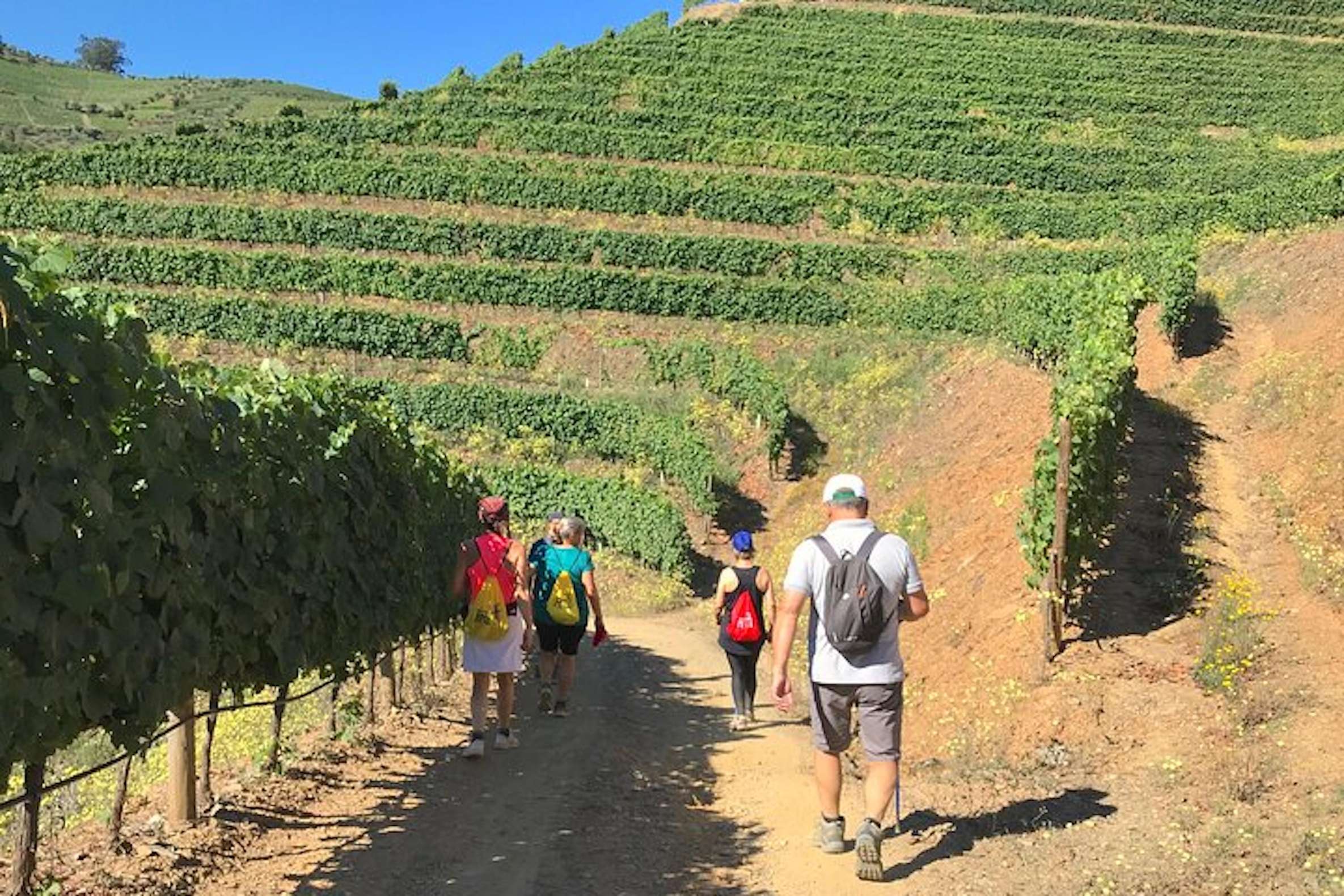
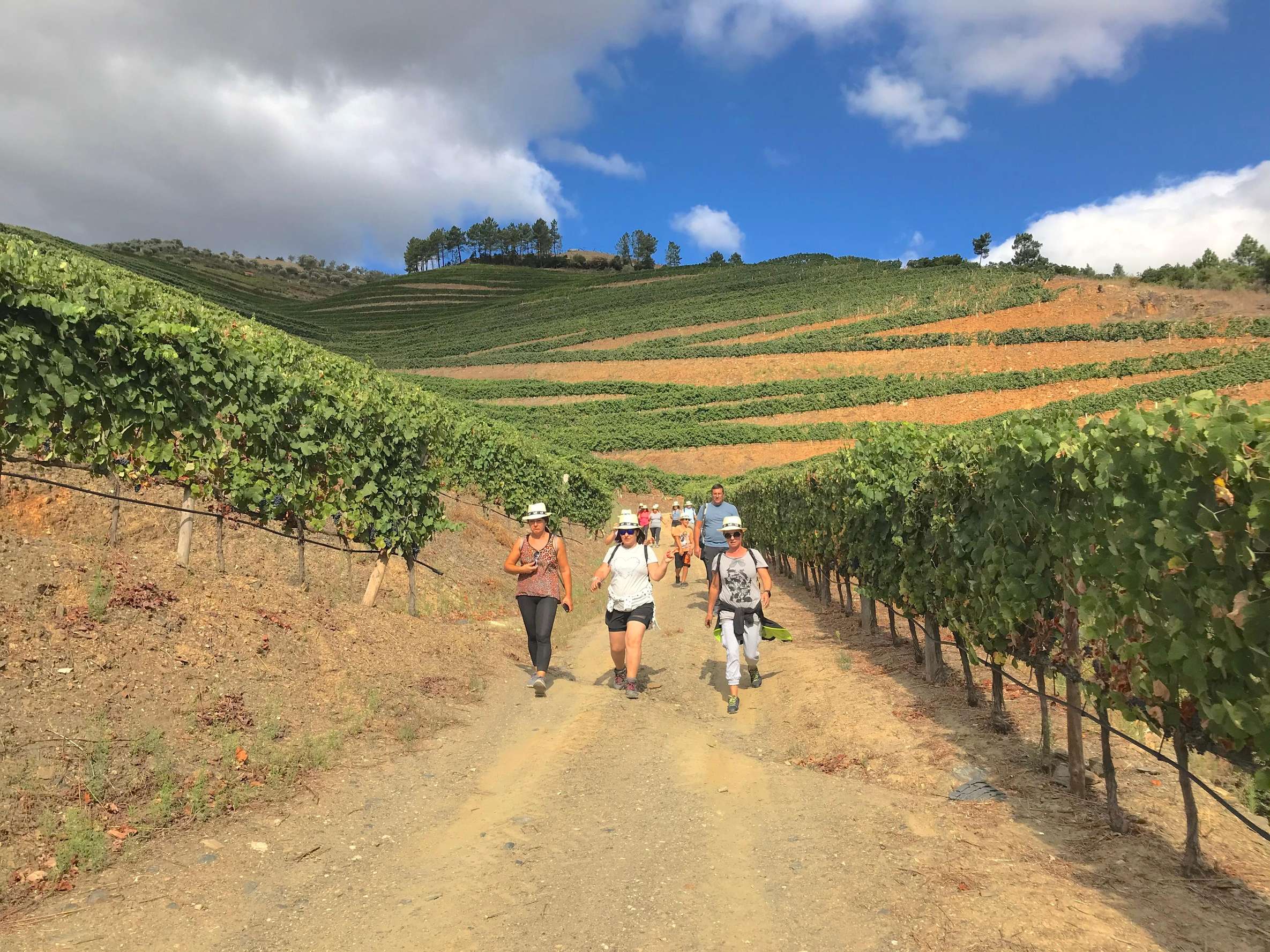
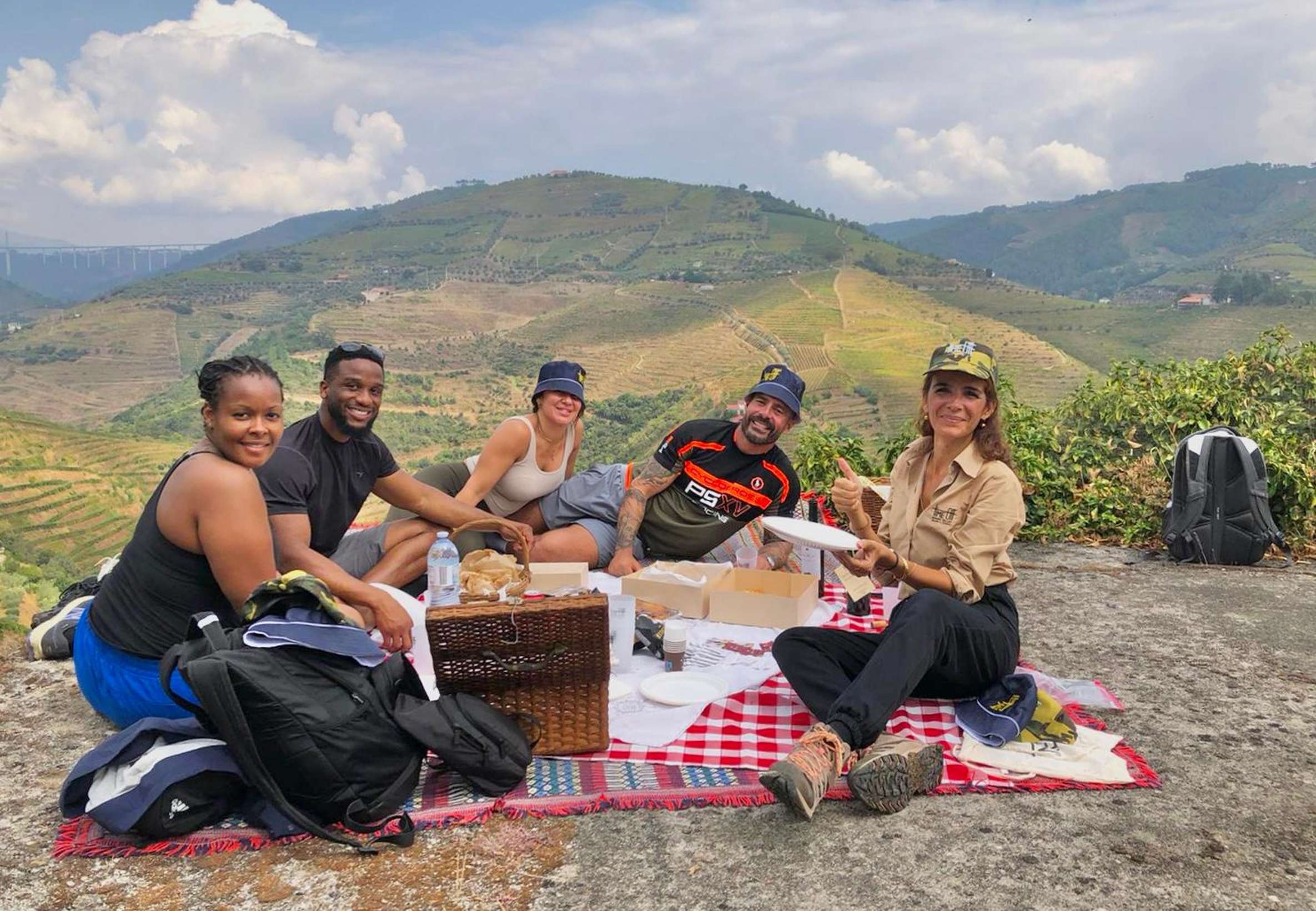
The walking-focused packages turn the days around hikes instead. Expect private trails each morning at an easy to moderate level, a local lunch or trail picnic with wine, and rustic accommodation, with afternoons free to rest or wander.
The wines cover both tastes. Douro estates pour dry DOC reds, whites and rosés alongside the fortified stuff, and some premier producers focus almost entirely on table wines. Port in a flight is the heavier, sweeter pour: Ruby keeps fresh dark fruit, Tawny ages toward nuts and caramel, Vintage sits in bottle for years.
Tour for this
Douro: Private 3-Day Wine & Heritage Tour3 days · Hotel pickup · Free cancellation
Most guided departures gather at a handful of central spots: the square by Porto Cathedral, the Palácio da Bolsa, stops near Trindade Metro, or the tourism office on Rua Mouzinho da Silveira.
If your hotel sits in a pedestrian street, expect to walk up to five minutes to meet the van, because some old lanes simply cannot take vehicles.
By road, Peso da Régua is about an hour and a half from Porto, Pinhão roughly an hour and 50 minutes with traffic light. The A4 through the Marão Tunnel does much of the work.
Three ways into the valley, from easiest to hardest
Guided tour vanDoor to estate, connections included, and the driver handles the curves
Easy
Train to PinhãoScenic at water level, but point to point: no wineries uphill, and only a handful of estates are walkable from the station
Moderate
Self-driveThe N222 is glorious but slow, and the driver stays dry
Difficult
The train is lovely, no argument. It just delivers you to a platform, and the hillside quintas stay out of reach unless you have arranged local transport. The bundled transfer exists to remove exactly that problem.
The rental car argument loses on two counts, and both involve the tastings.
First, the roads. Between the quintas they are steep, narrow and winding, and with so few river crossings the drive between two estates takes far longer than the map suggests.
Portugal's limit is 0.5 grams per litre of blood, tighter for new drivers, and police check it actively on these rural roads. One generous pour can put a driver at or over the line.
Second, the maths. Because of that limit, one person in your party sits out every tasting as the designated driver, on a trip built around tasting. Self-driving is rarely cheaper once you count that.
If you still want to drive, use the A4 and its tunnel for the main run and treat the valley roads as daylight-only, with dinner booked walking distance from your bed. The overnight tour removes the dilemma: everyone tastes, nobody drives, and the dark road after dinner belongs to someone else.
Driving yourself
Rent a car for the driveCompare cars from the rental companies in one search, then pick yours.
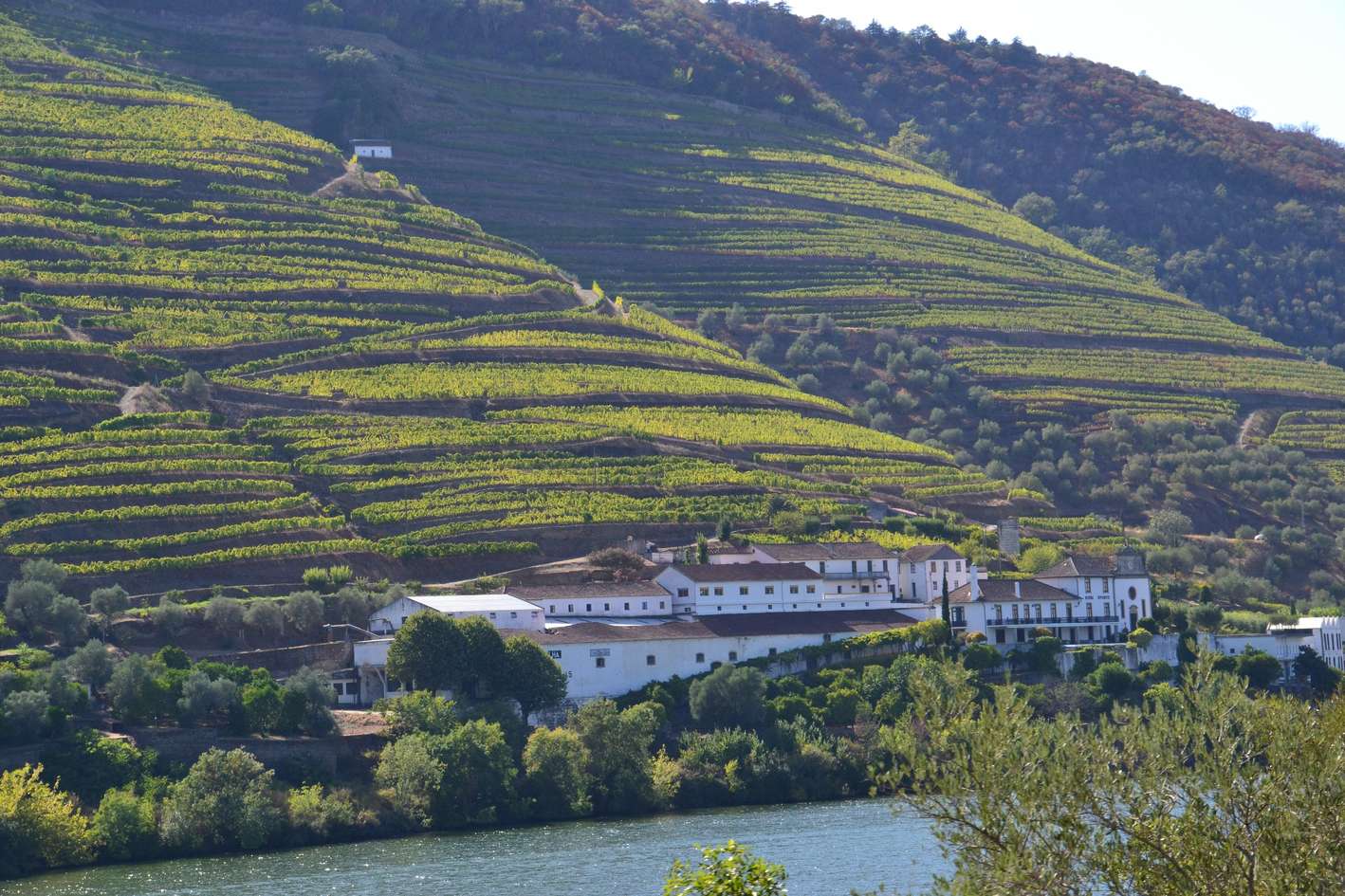
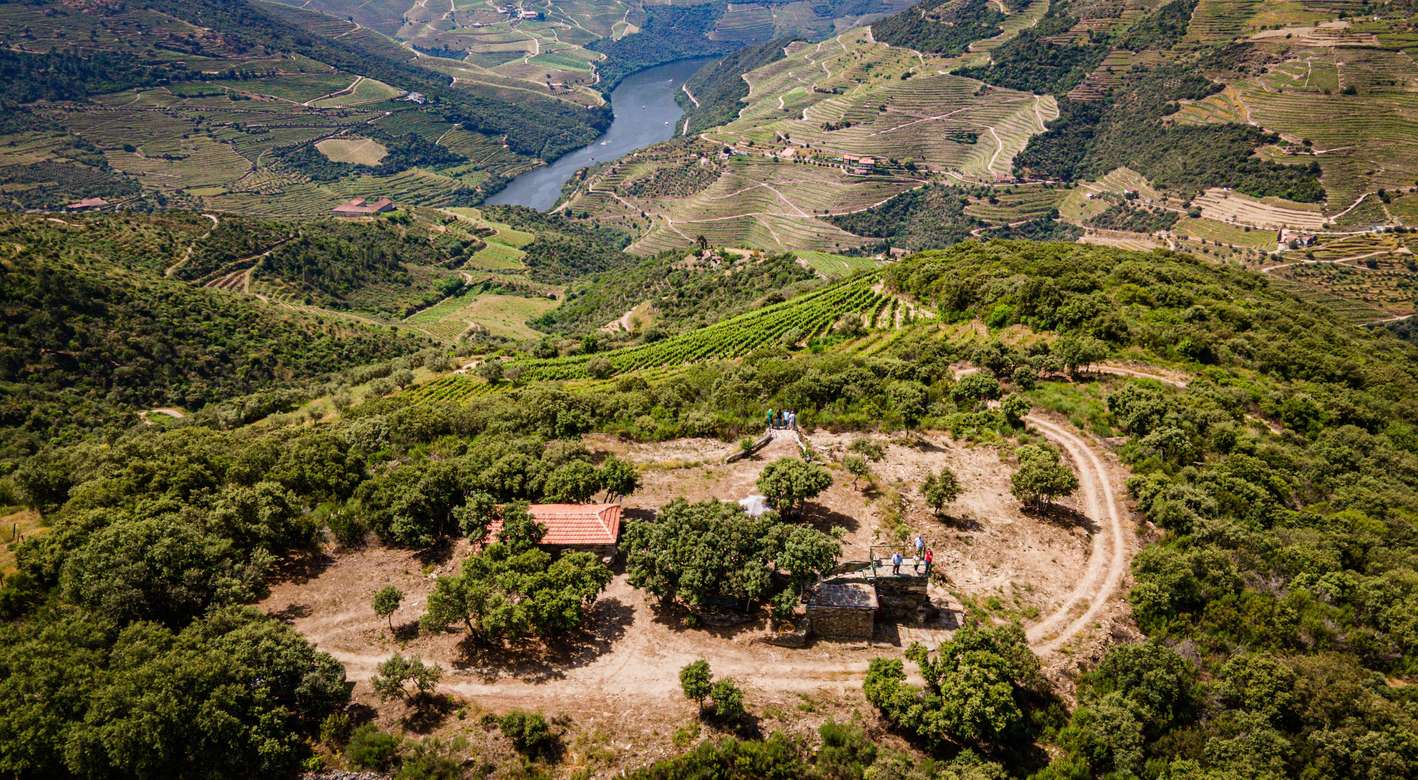
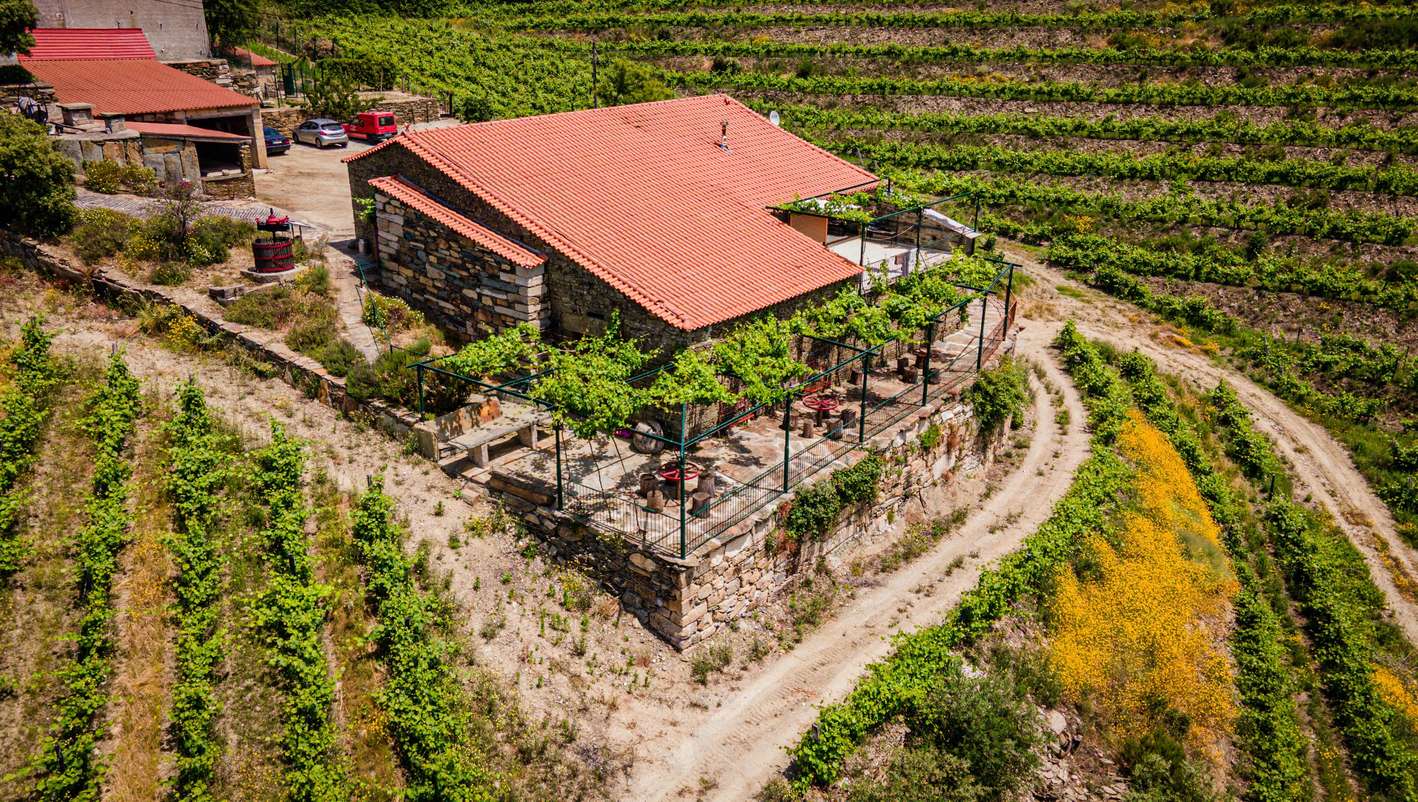
Three bases, three trips. A working quinta deep in the valley is the one people remember: quieter, more authentic, breakfast with the vines right there. It is worth the extra planning.
Central Pinhão suits travelers without a car. Walking routes, the train, and regional dining are all on foot, and the town sits in the prettiest stretch of the river. Peso da Régua is the practical hub, bigger and busier, and it works well if your itinerary starts there.
One caution about rural logistics: taxis and ride-share apps are unreliable out here, with drivers frequently declining fares, and buses between villages are sparse. Hotels and restaurants can usually arrange a transfer for guests, so ask at your front desk; the app is a poor bet in these hills.
And book the room early. For the September harvest, popular riverside estate rooms go two to four months out, while the boutique vineyard rooms at the most wanted quintas run three to six, signature rooms seven to nine.
The tighter figures belong to the smaller, more in-demand properties, so the more specific your room, the earlier you call.
What is the valley like after the day-trip buses leave?
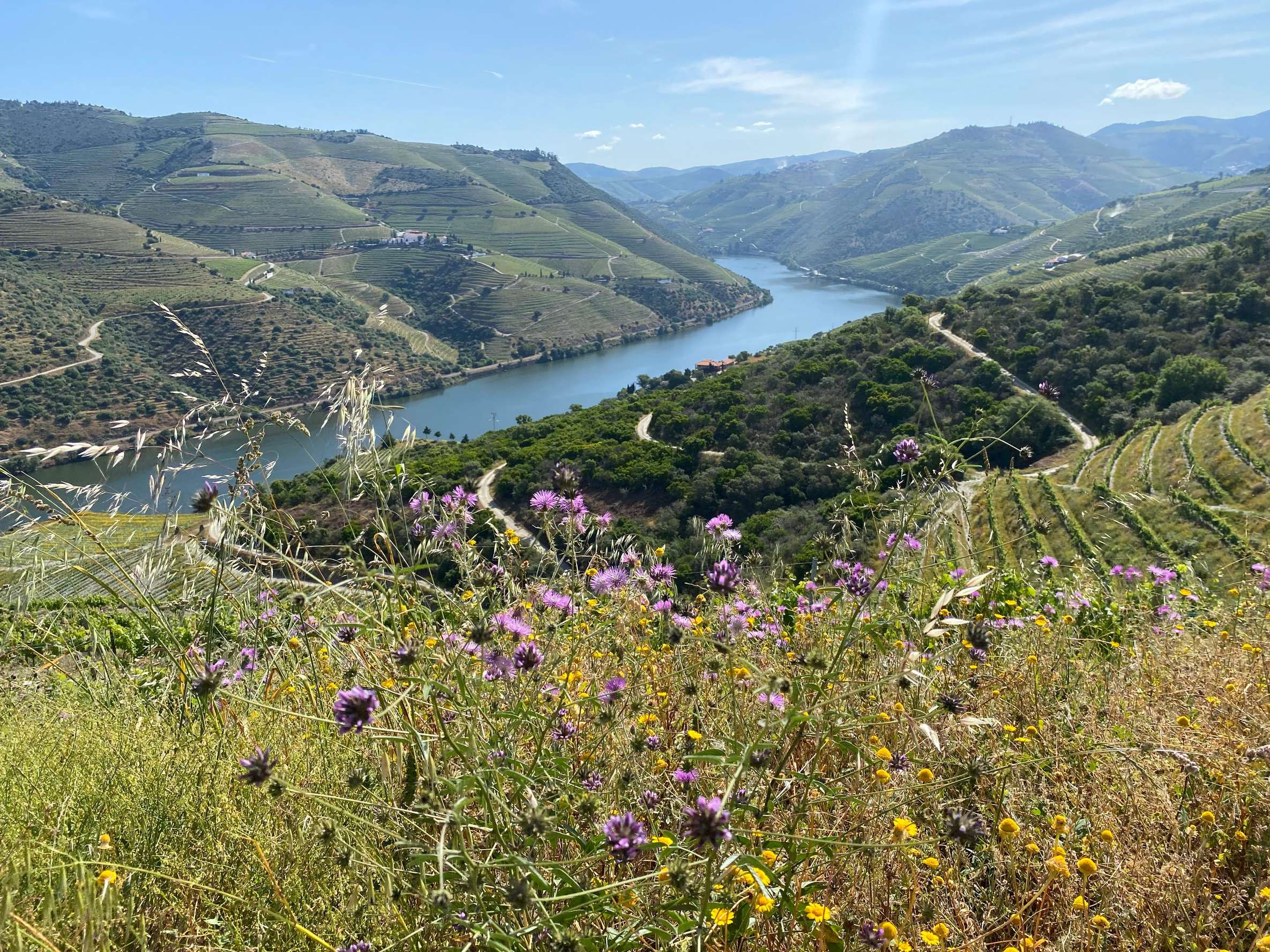
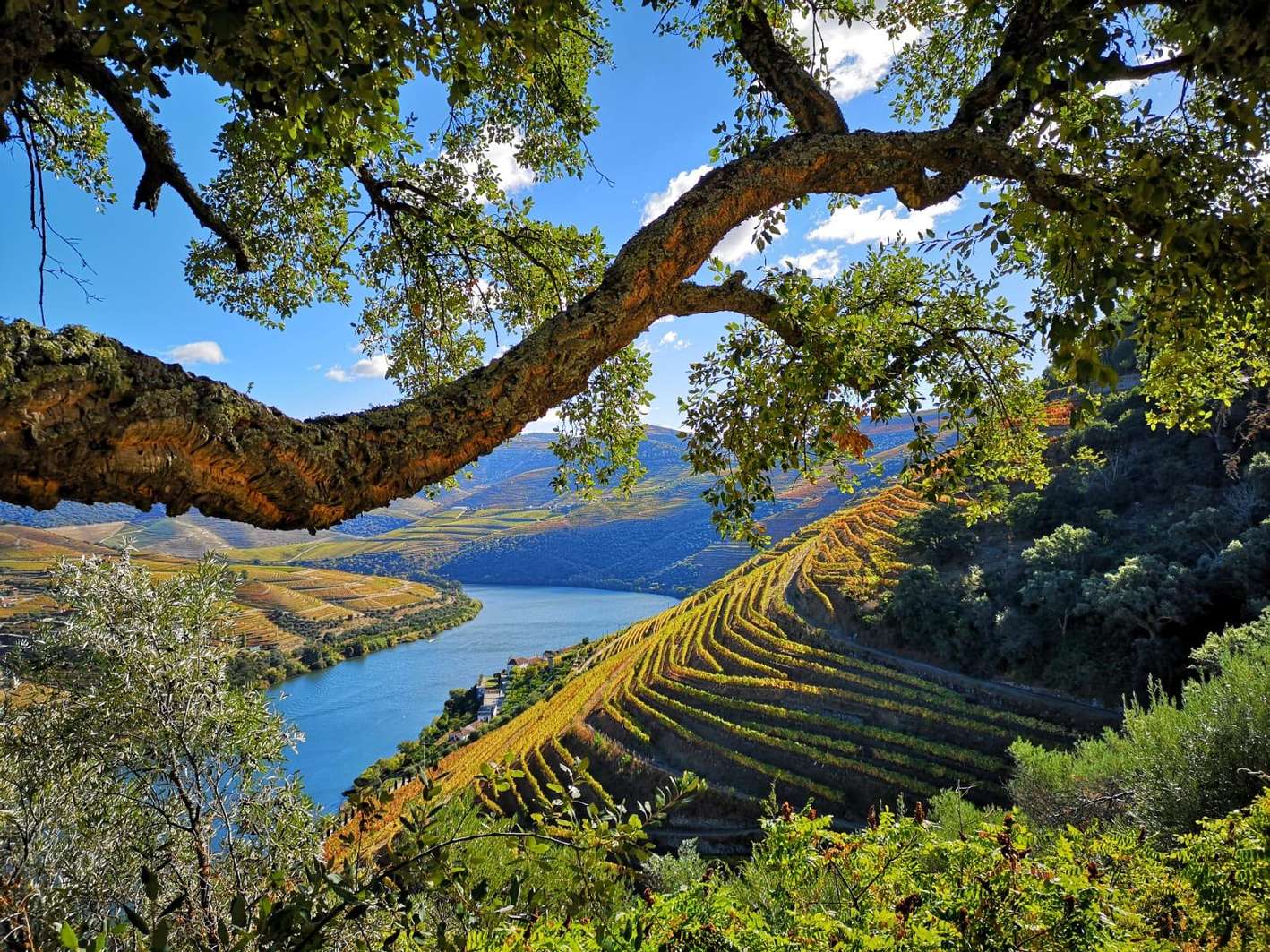
Around six in the evening, the coaches point west and the valley exhales. River traffic thins to almost nothing. The slopes catch a golden light that comes and goes while most visitors are on the motorway.
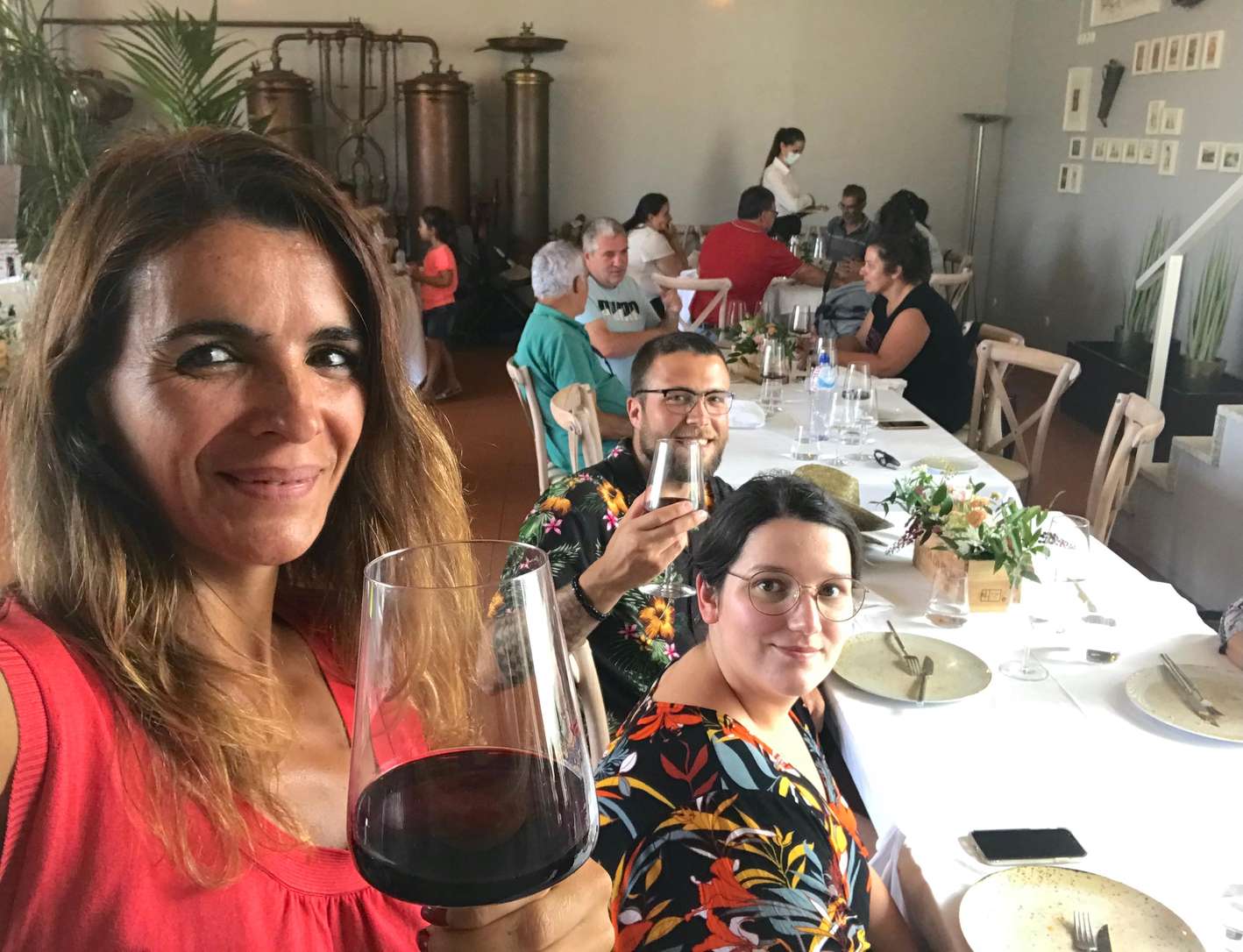
This is the hour overnight guests came for. Lookouts such as São Leonardo da Galafura glow without a crowd in the frame, the boat decks empty out, and the evening settles into long, unhurried dinners at the estates and in riverside towns like Pinhão.
Book that dinner at your own quinta or hotel. The alternative is driving dark, winding rural roads after a wine-paired meal, which is exactly the mistake the whole overnight plan exists to spare you. Eat where you sleep, walk back under the stars, and let the day-trippers have the morning rush.
Grip decides the day on the terraces. The vineyard paths are steep schist and stone steps, so pack sturdy closed-toe walking shoes and leave the smooth soles at home. Cellars stay cold in any season, so a light layer earns its place even in August.
What to wear for vineyard walks and quinta dining
Sturdy flat walking shoesVineyards and historic cellars have uneven dirt paths, steep terraces, and stone stairs where grip and comfort are essential.
Sun hat and sunscreenValley vineyards have intense daytime sun and minimal shade along the vines, especially throughout the hot summer months.
Light jacket or sweater layerWine cellars and barrel storage stay cold year-round, and valley temperatures drop noticeably once the sun sets in the evening.
Breathable daywearLightweight, breathable fabrics keep you comfortable while walking terraces in daytime heat and navigating tasting rooms.
Smart-casual dinner attireFine dining at luxury wine estates calls for polished casual wear like tailored trousers, collared shirts, or elegant day dresses.
Polished flats or dressy wedgesEstate terraces and dining courtyards feature historic cobblestones, making refined flats or wedges much safer than stilettos.
For dinner at a luxury quinta, smart-casual works: tailored trousers or a dress, polished flats or low wedges for the cobblestone courtyards.
Season matters too. Summer in the valley runs several degrees hotter than Porto, so light clothes, a hat and sunscreen are the uniform. In the shoulder months, layers and a windproof jacket for the boat, plus a rain shell, cover the river breeze.
Bring a water bottle and some euro cash as well; boat bars and kiosks often take no cards.
The room sets the deadline. For the September and October harvest, boutique vineyard rooms sell out three to six months ahead, and the signature rooms at the top quintas go seven to nine months out, which means booking in January or February for autumn.
Everything else follows the same clock at a gentler pace. Estate restaurant tables and boutique tastings fill one to two months ahead in harvest season, with prime weekend slots earlier. Rabelo boat departures from Pinhão sell out a week or two ahead on harvest weekends.
The booking that can end the plan: the harvest-season estate room
Boutique estate rooms sell out 3 to 6 months before the September to October harvest, and top quintas' signature rooms go 7 to 9 months ahead Reserve the room first, then build the rest of the itinerary around the dates you secured
Walk-up does exist in quiet months. You can buy boat tickets at the kiosks by the river and the station in Pinhão, and some estates still take bookings close in.
But many smaller and prestigious quintas refuse walk-ins outright, so arrive without reservations in harvest season and you risk a scenic day with little wine in it.
Tipping in northern Portugal is optional, and it always travels in euro cash. Keep some notes aside. If a sommelier or host at a quinta gives you something beyond the script, a tip is the standard way to say so.
Boat skippers are not tipped by custom, though rounding up for a helpful crew is common, often as a round sum for the group.
A word on pacing while we are at it. Port pours run at 19 to 22 percent alcohol, with white styles a touch lighter, well above ordinary table wine. Across a multi-day stay that adds up. Sip slowly, alternate with water, and the third day will thank you for the second.
Pinhão rewards an idle hour. The railway station carries blue-and-white tile panels showing the grape harvest, the 1906 iron bridge gives a river view, and two estates, Bomfim and das Carvalhas, sit within a ten-minute walk. Wine bars and small restaurants line the waterfront.
Set expectations for the towns, though. They exist as working wine hubs, with little shopping or nightlife, and beyond the tastings, boats and scenery the valley offers few conventional attractions. That is the appeal.
Worth the walk
1
Busto do Conselheiro José Maria Alpoimhistoric place
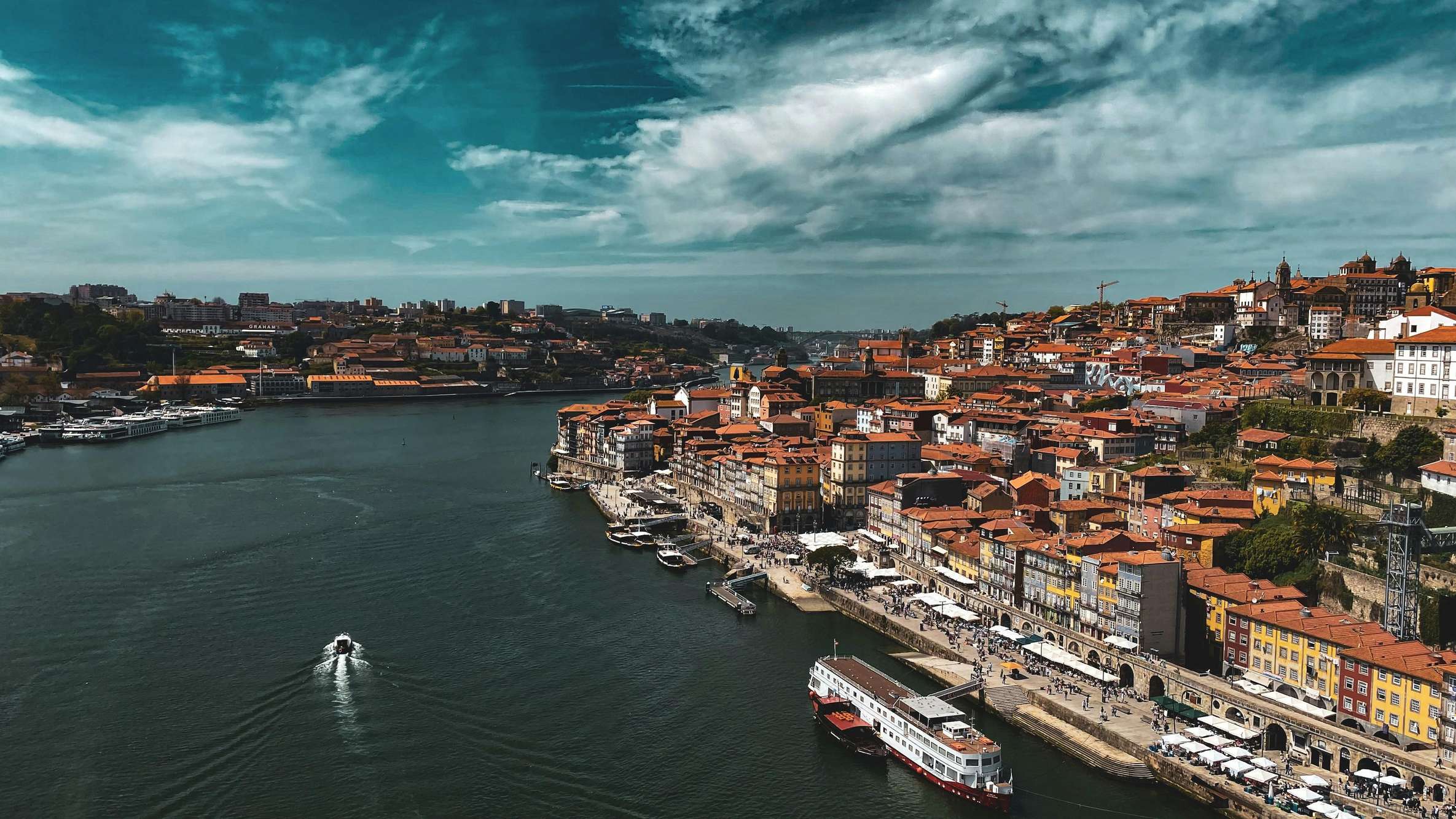
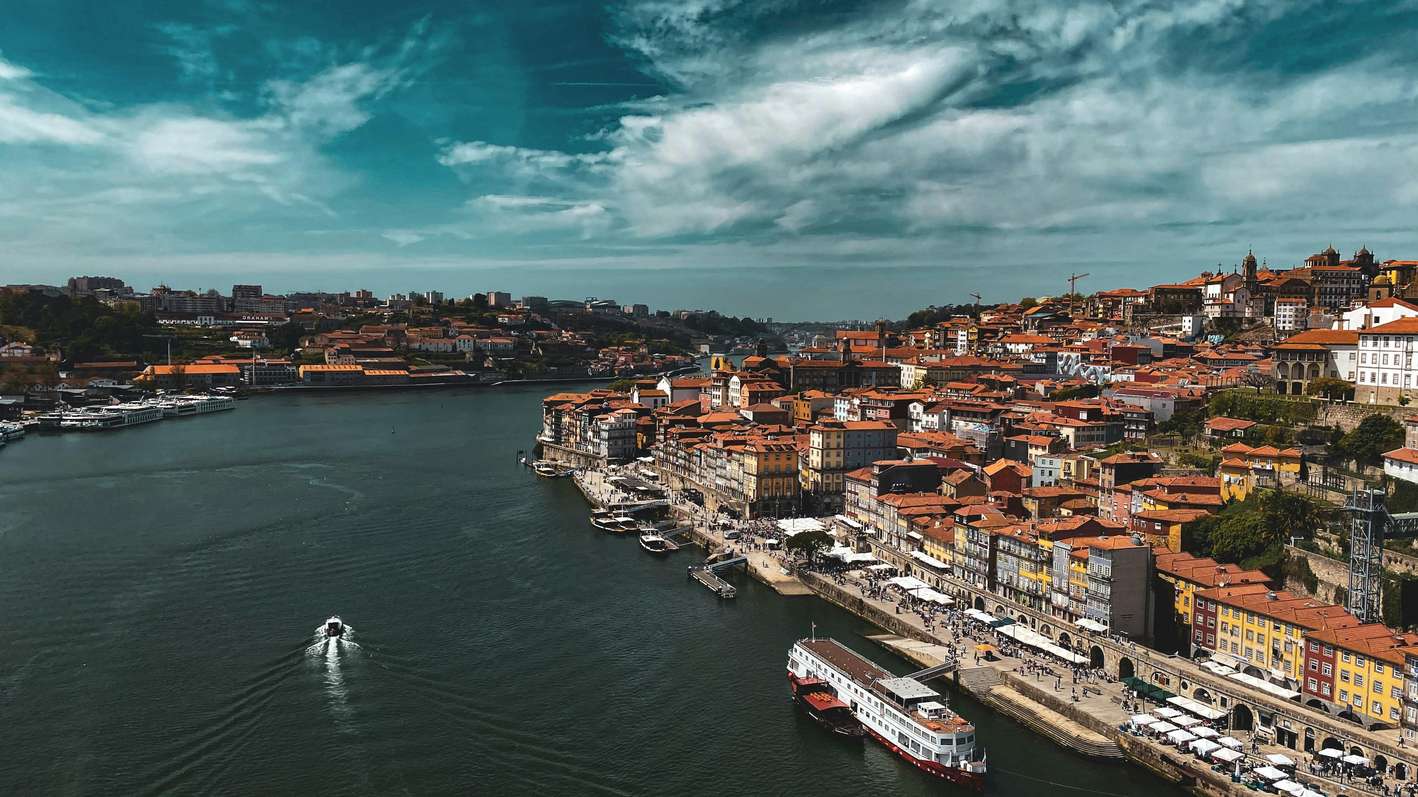
Back in Porto, the trip closes nicely among the Gaia port lodges, the Ribeira waterfront, and the view from the Luís I Bridge deck.
A common split is three to four days total: two in the city, two or more in the valley, with the return evening spent at Jardim do Morro or the Serra do Pilar terrace watching the sun go down over a river you now know by its bends.
Two or three nights turns the Douro from a long day in a van into a slow few days of wine, water and quiet terraces. The trade is planning: harvest rooms go months ahead and the roads argue against self-driving.
Book the estate first, let the itinerary follow.
Go ifYou have three or more days in northern Portugal and want wine without the commuteYou want a wine-paired dinner and a quinta breakfast instead of a 6 pm dash back to PortoYou would rather walk vineyard trails than drive them
Skip ifYou have only one or two days in Porto; a day trip serves you betterYou want shopping, nightlife or city energy between tastings
Our pick to book
Douro: Private 3-Day Wine & Heritage Tour3 days · Hotel pickup · Free cancellation
The things readers planning two or three nights in the valley ask most, answered plainly.
Porto2026
By six the tour buses are gone and the terraces go gold just for you. Book the dinner at your quinta, the road is dark out there.
Is a Douro Valley overnight tour worth it compared with a day trip from Porto?
Day trips fit in one or two wineries and a short boat ride before the schedule turns everyone back to Porto. Staying overnight lets you see the terraced hill sunsets, the morning mists and the quiet river evenings that day visitors miss, and you skip 3 to 4 hours of driving a day.
How many nights should I spend in the Douro Valley?
Two nights is the sweet spot for a relaxed wine stay, and most travelers find it far more rewarding than one long day. A 3 day Douro Valley tour adds a second full day for deeper villages like Pinhão or extra estates.
What happens in the valley in the evening, after the tour buses leave?
Around 6 pm the day-trip crowds clear out and the valley turns quiet. Cruises become intimate, the slopes at lookouts like São Leonardo de Galafura catch golden light, and the evening belongs to unhurried wine dinners at estates or riverside towns like Pinhão.
Is dinner included on a Douro Valley wine tour and stay, or do I book it myself?
Some packages include dinners, others leave evenings free. Booking dinner at your own vineyard hotel or estate is the easy option, because it avoids driving dark, winding rural roads late at night. Reserve ahead, since reputable restaurants fill up on weekends and in high season.
How much should I tip my Douro Valley tour guide?
Tipping in Northern Portugal is optional and appreciated for good service, never mandatory. A tip in euro cash is standard when a sommelier or host gives exceptional service. Rabelo boat skippers get nothing, though rounding up or tipping per group is common for real help.
Can I cancel or reschedule a multi-day Douro Valley itinerary?
The overnight itineraries on this route allow a full refund when you cancel up to 24 hours in advance. Private tours that bundle boutique rooms follow the same rule, which makes booking early low-risk even for harvest season.
Should I rent a car for a 2 day Douro Valley tour from Porto, or take a guided package?
Self-driving works, but the roads between quintas are steep, narrow and winding, with few river crossings, so map distances take far longer than they look. Portugal's drinking laws also mean one of you skips tastings to drive. A guided overnight package removes both problems.
How far in advance should I book valley accommodation for the harvest?
Boutique estate rooms typically sell out 3 to 6 months ahead for September and October, and the most sought-after quintas fill up 7 to 9 months out, often by January or February. Book early or shift to a shoulder month.
What is a hiking-focused 3 day Douro Valley tour like, compared with a wine and heritage one?
Walking packages hike every morning on easy to moderate trails, break for local lunches or trail picnics with wine, then leave afternoons free to rest or explore. Nights go to rustic accommodation, and transfers to each trail and restaurant are handled for you. Heritage packages center on estates, tastings and river cruising instead.
Overnight tour not enough? Plan the rest of your Douro trip
Three private days from Porto, a Rabelo boat cruise, tastings at two estates and a night in Peso da Régua, with free cancellation up to 24 hours before you go.