 Our top pick
From Porto: Douro Valley w/ Boat Tour, Wine Tasting & Lunch
Hotel pickup and drop-off (if option selected)Wi-Fi onboardVisit a stunning viewpoint with photo stops
From$56 /group
See dates and book Free cancellation · Hotel pickup

Book a Douro Valley river cruise from Porto and see the terraced slopes from the water. Join 23,000 travelers who toured two wineries, lunched among the vines and sailed a calm hour on the Douro, all in one guided day with hotel pickup.
“Amazing experience! Guide and driver were a fun duo, both wineries great, locals so passionate. Boat trip on the Douro was gorgeous, valley felt quiet, almost our own. Food was great too!”
Every tour here starts and ends in Porto, runs 7 to 10 hours, and puts you on the Douro River for about an hour between winery visits and lunch.
Our top pick








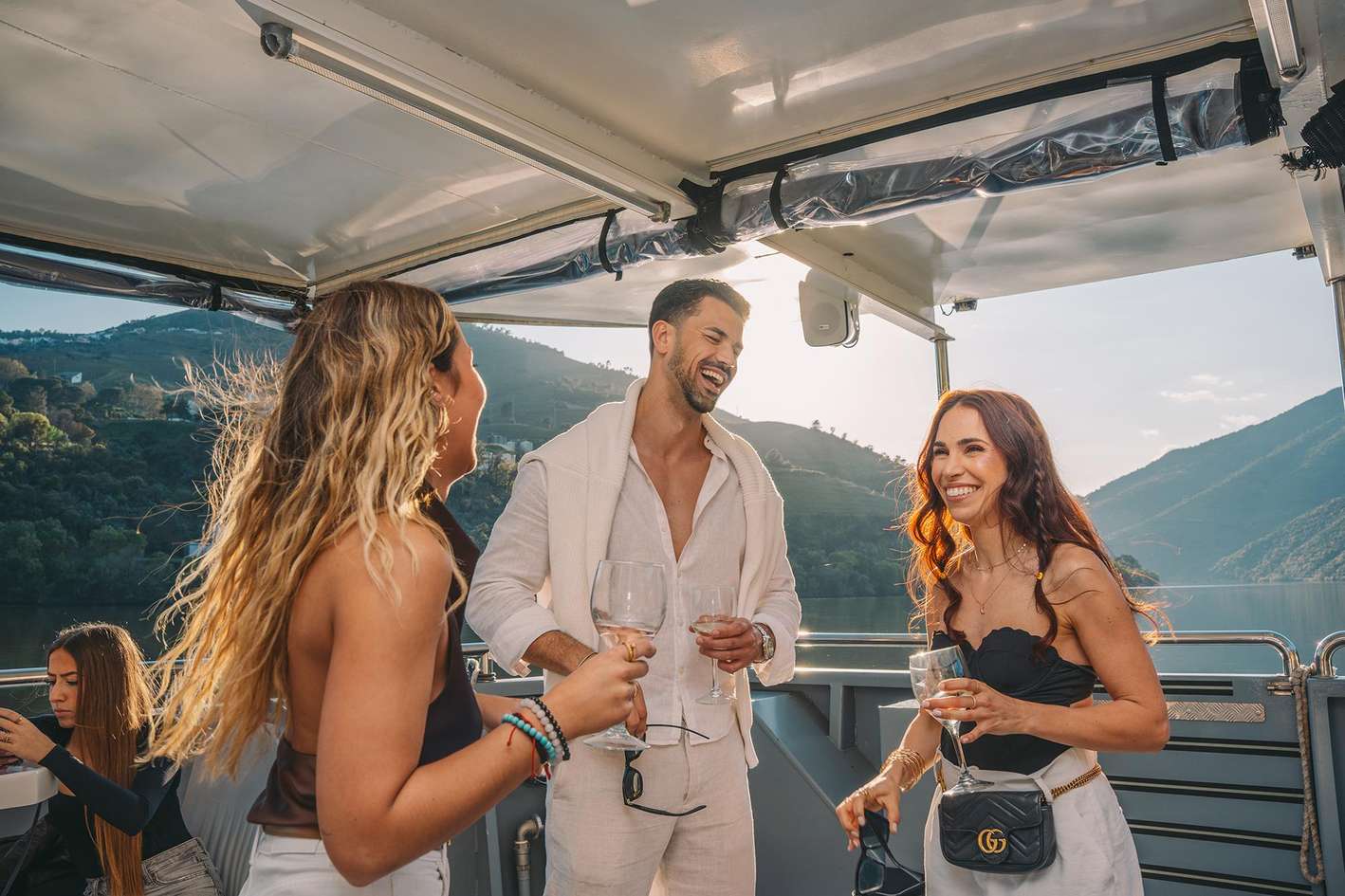
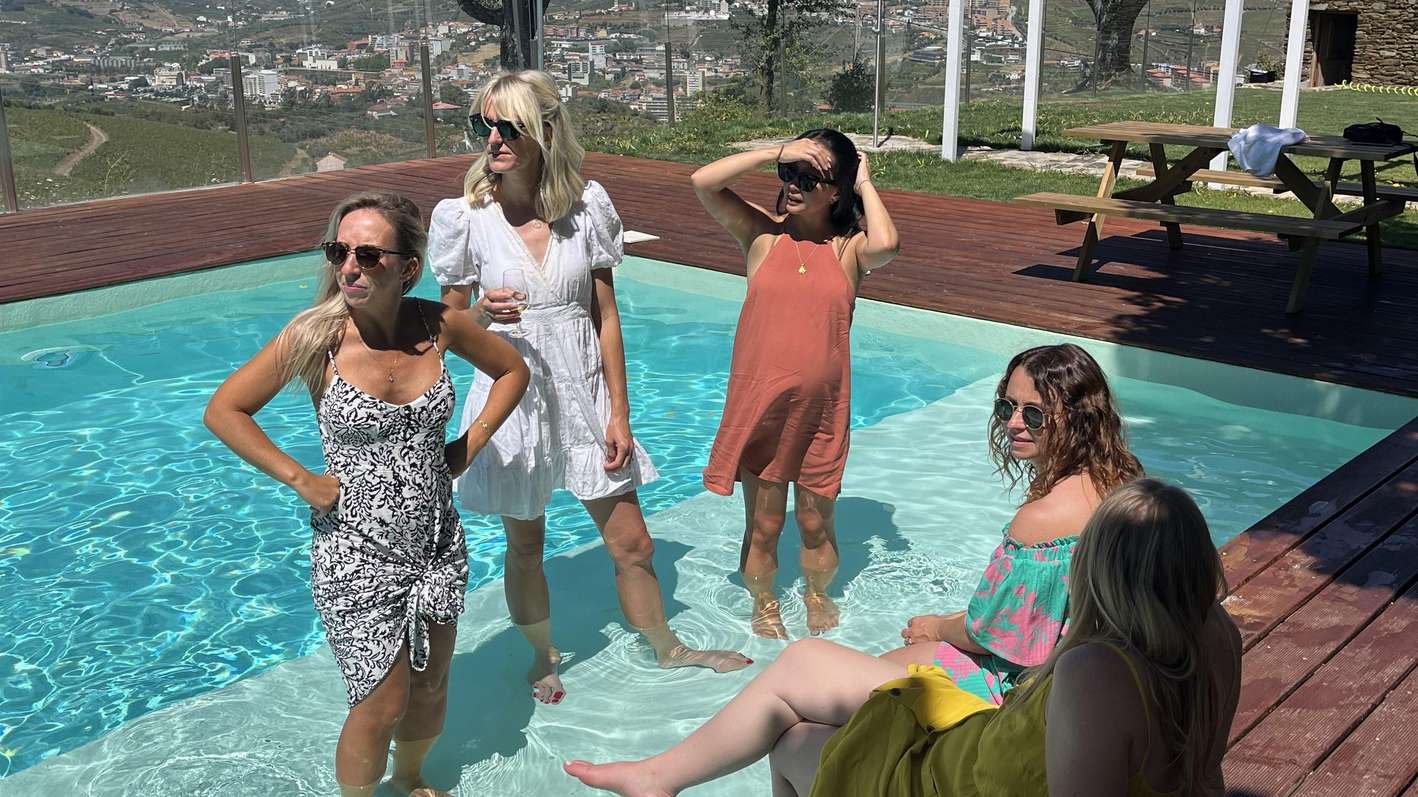
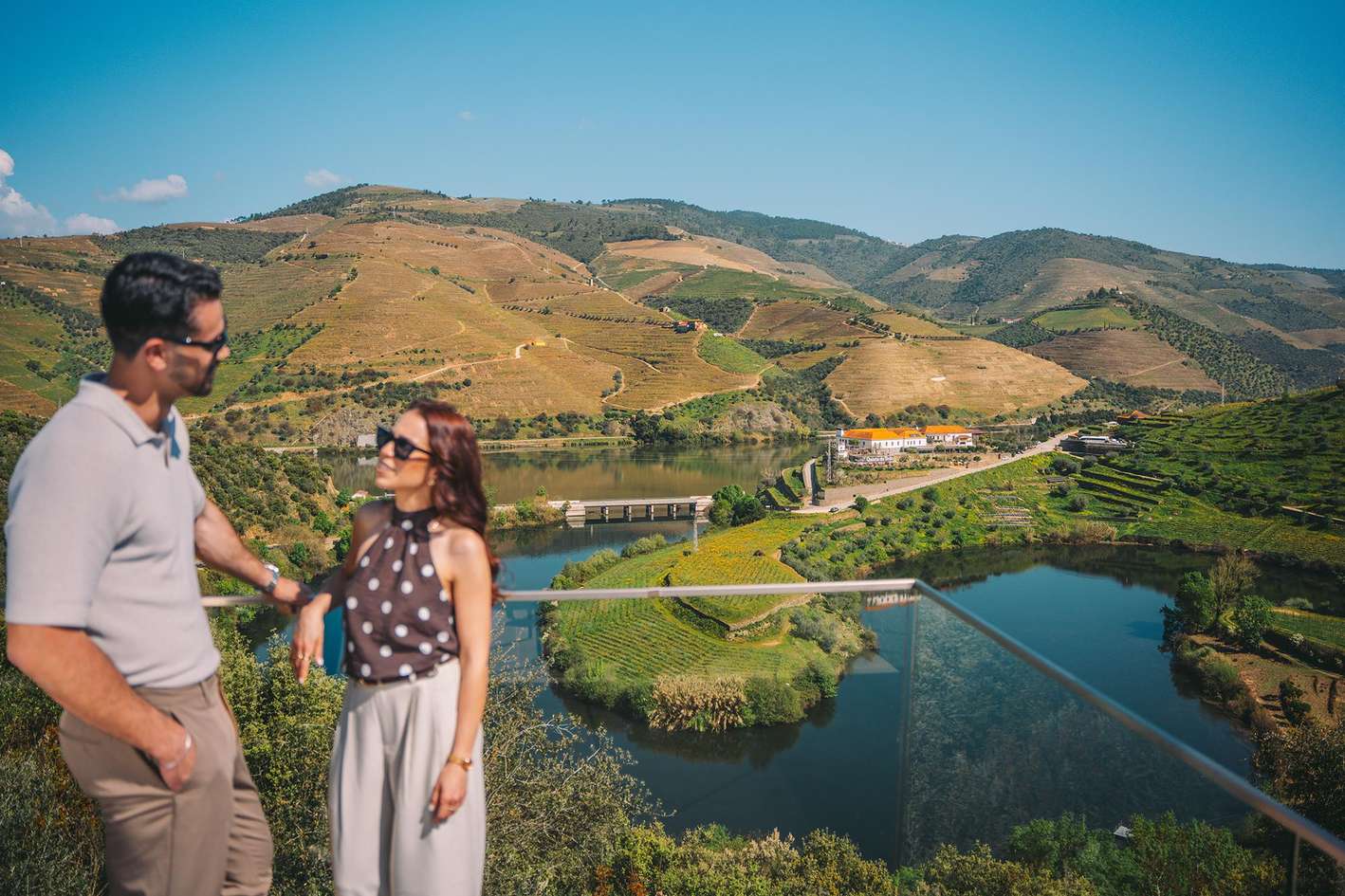
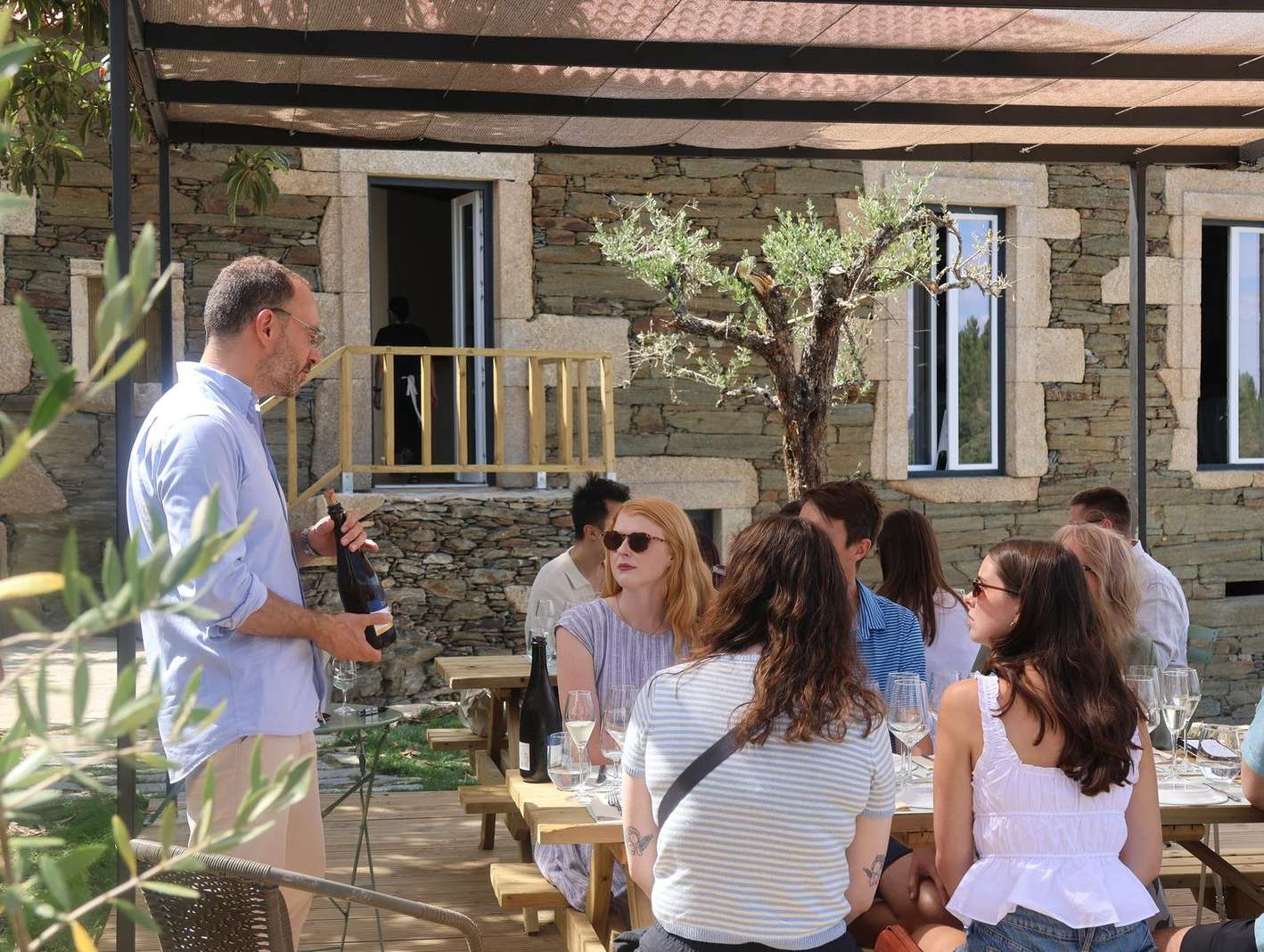
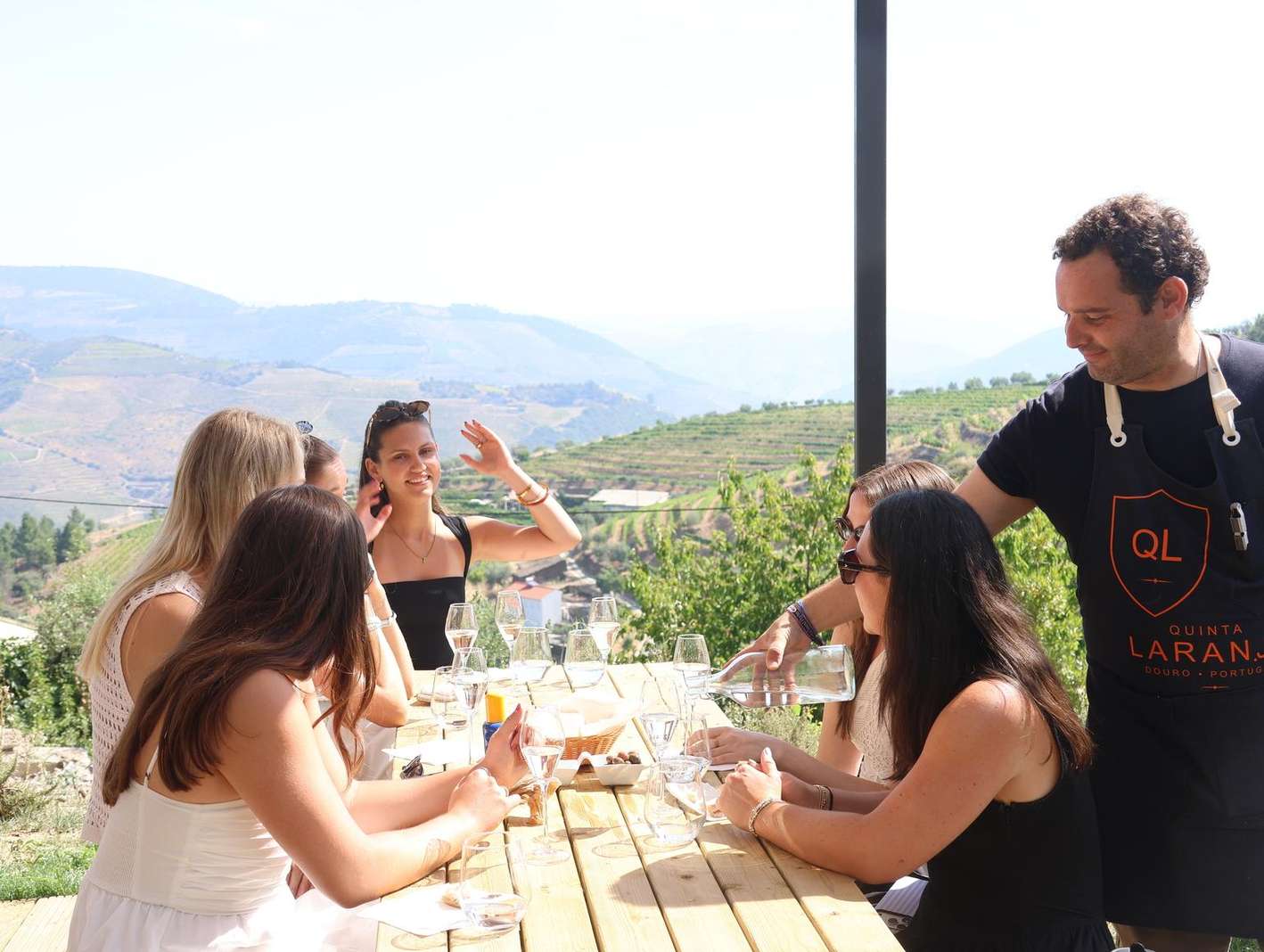

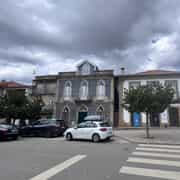
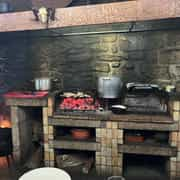
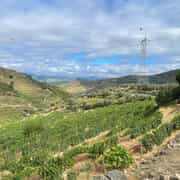
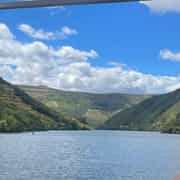
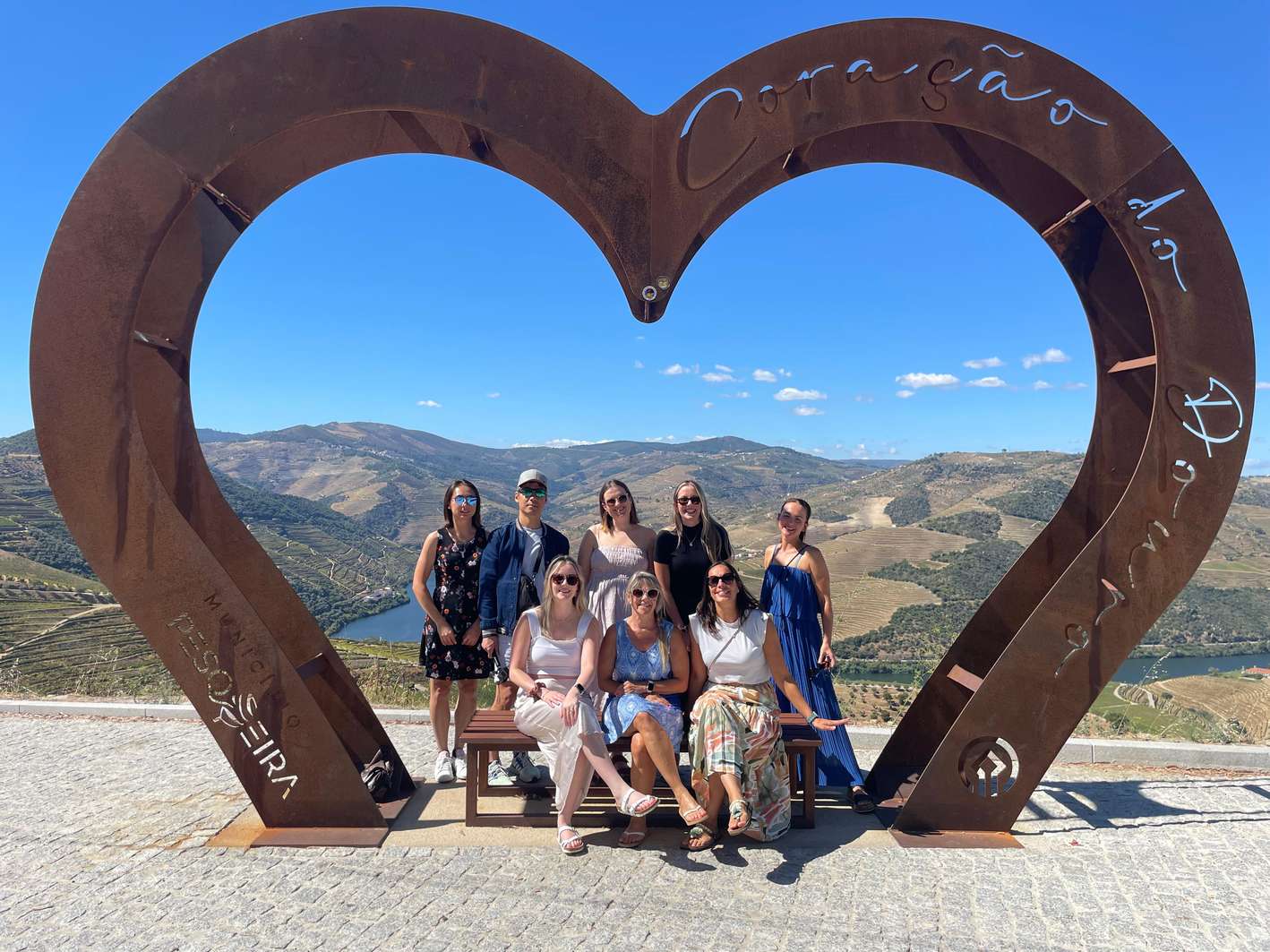
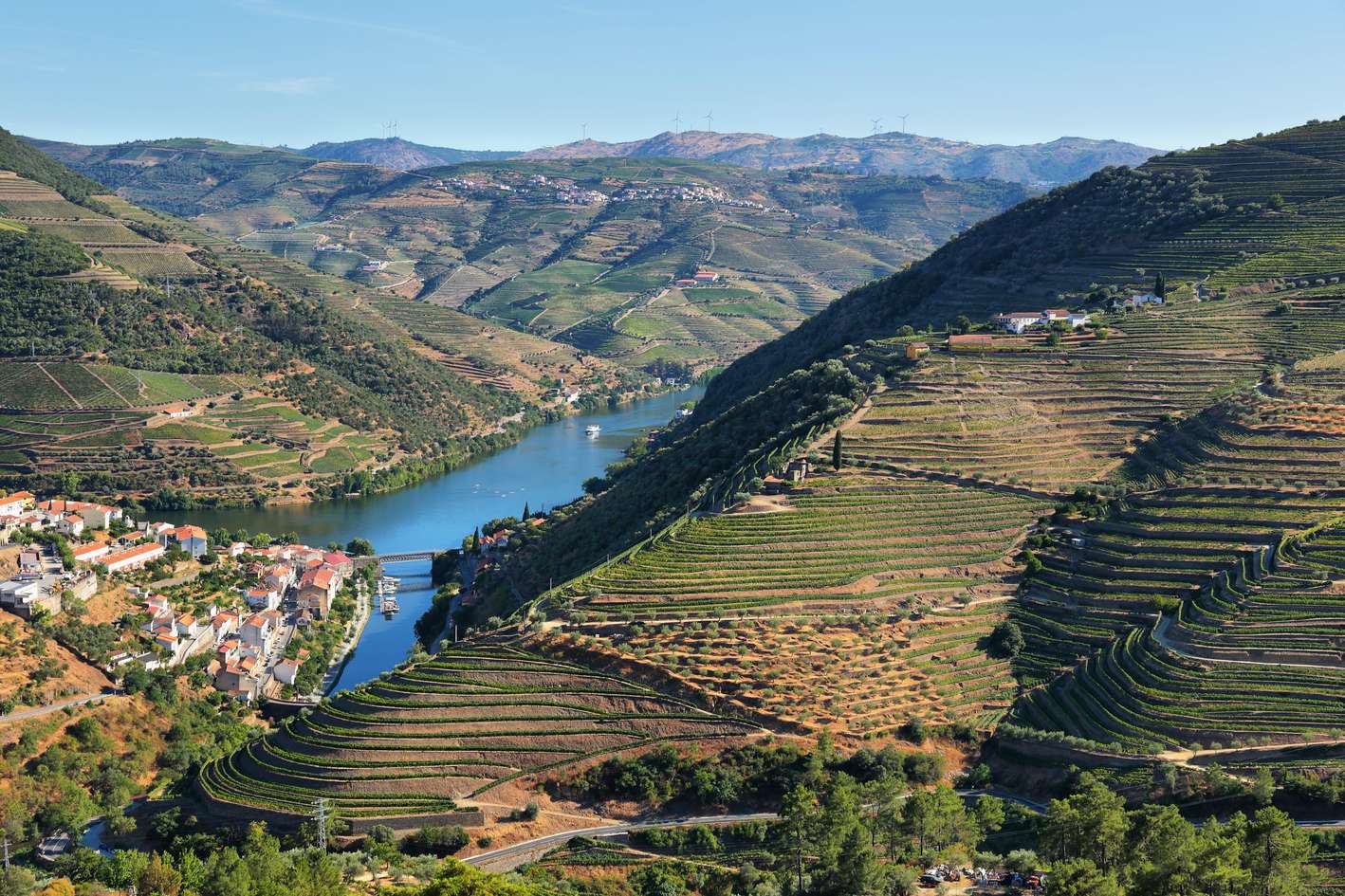
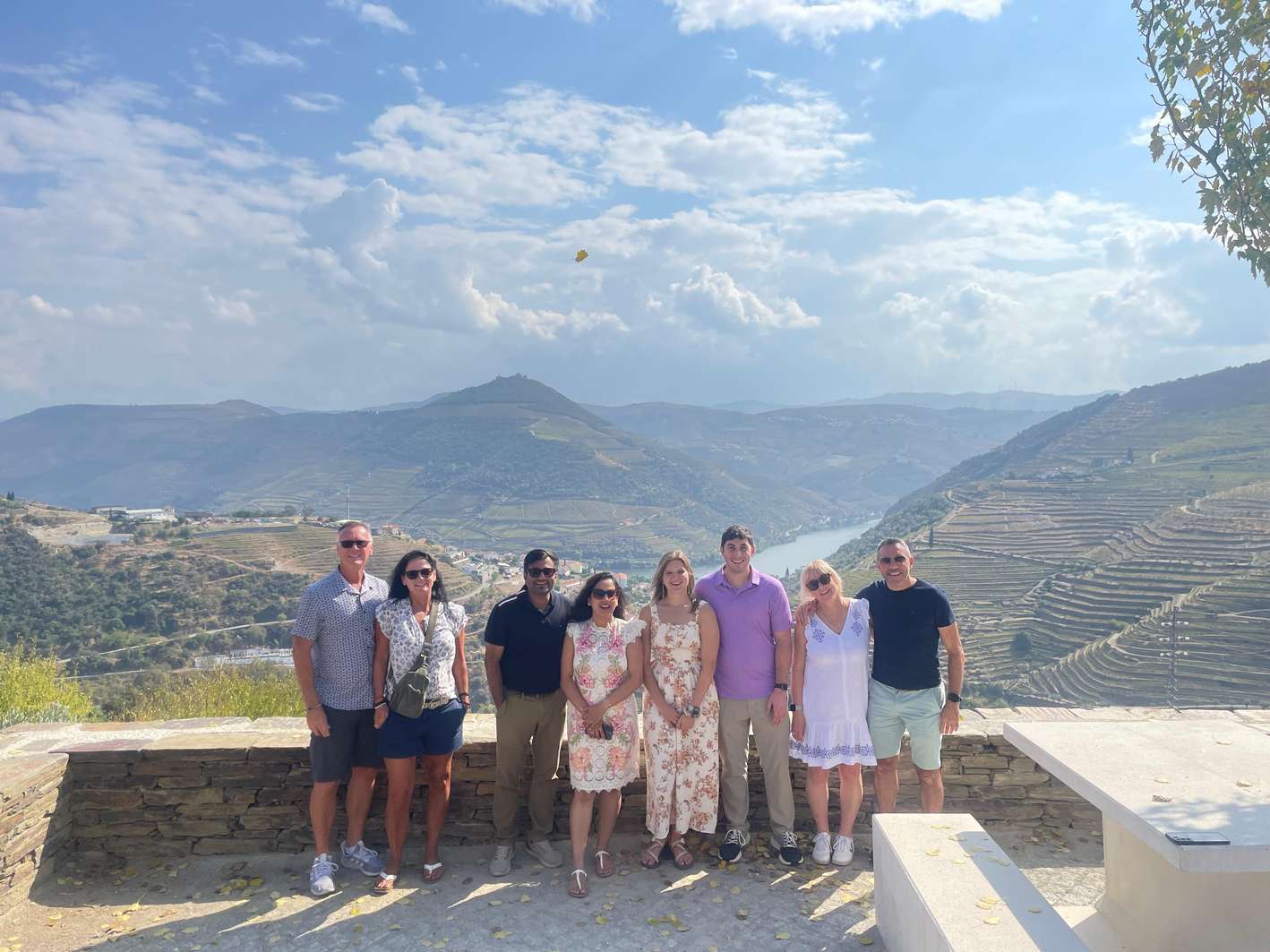
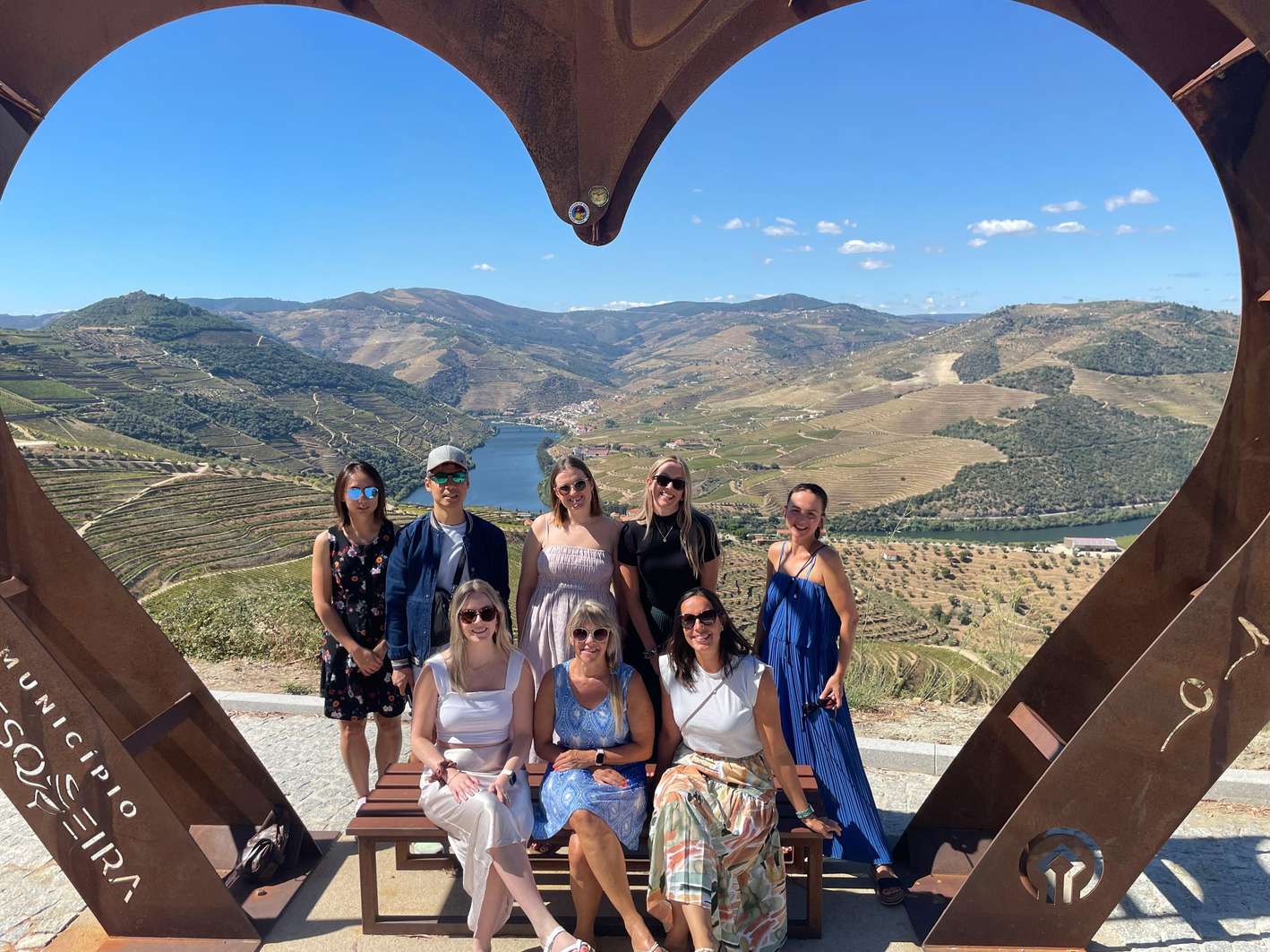
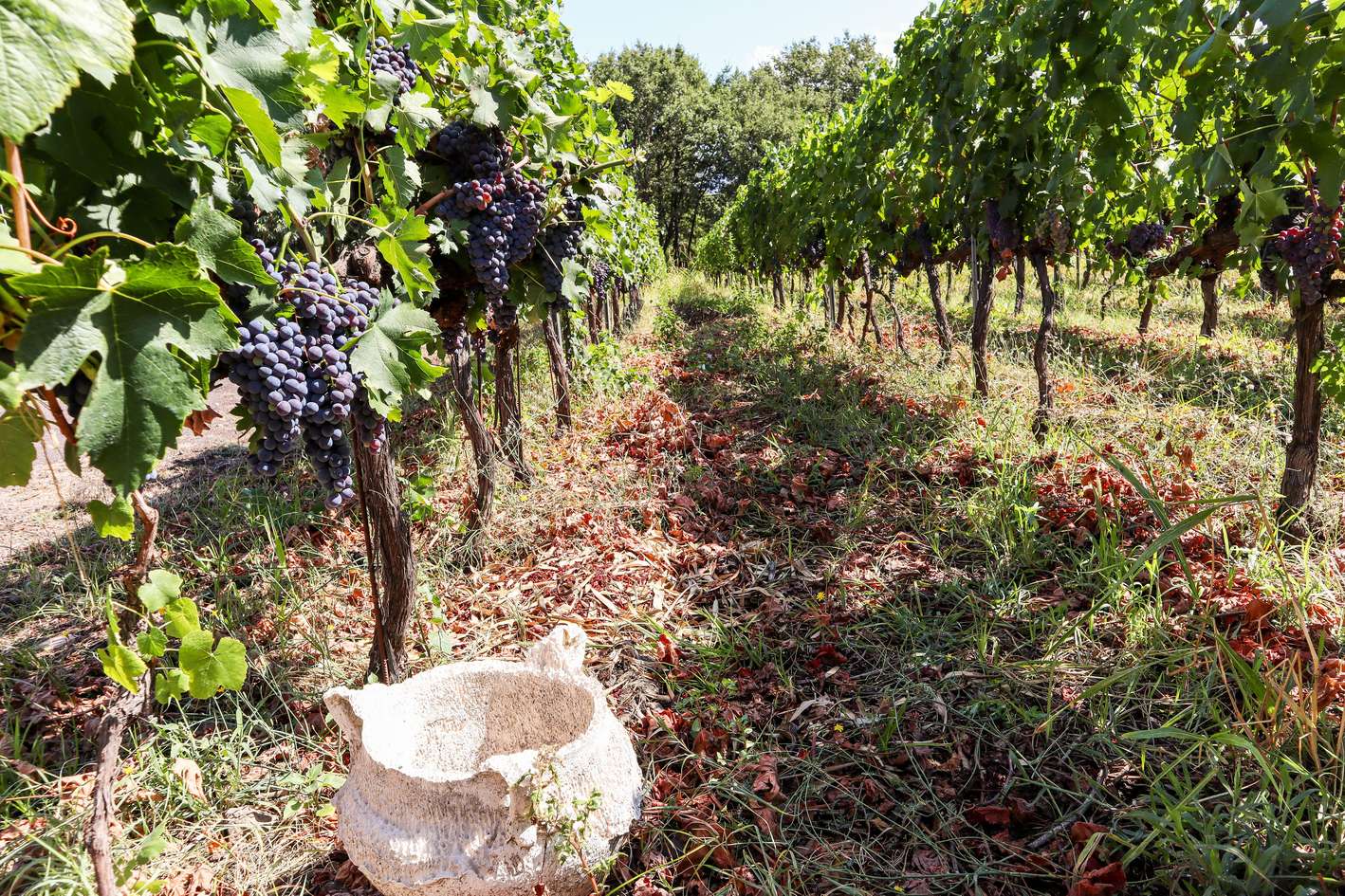
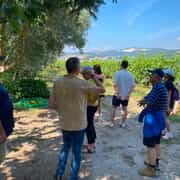
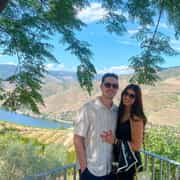
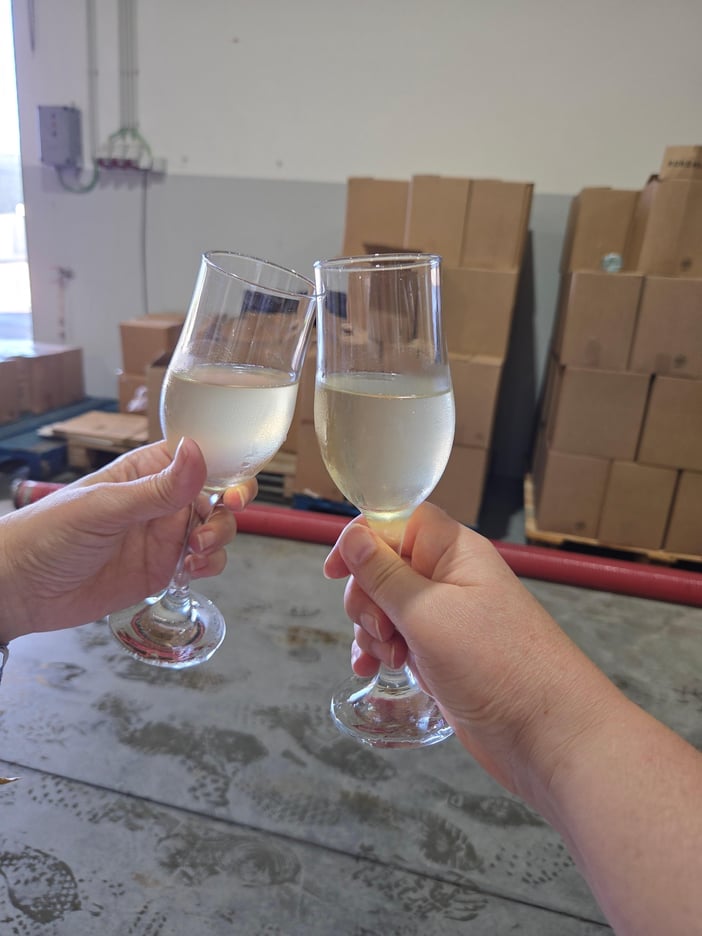
Phenomenal from start to finish, my favorite European tour yet!
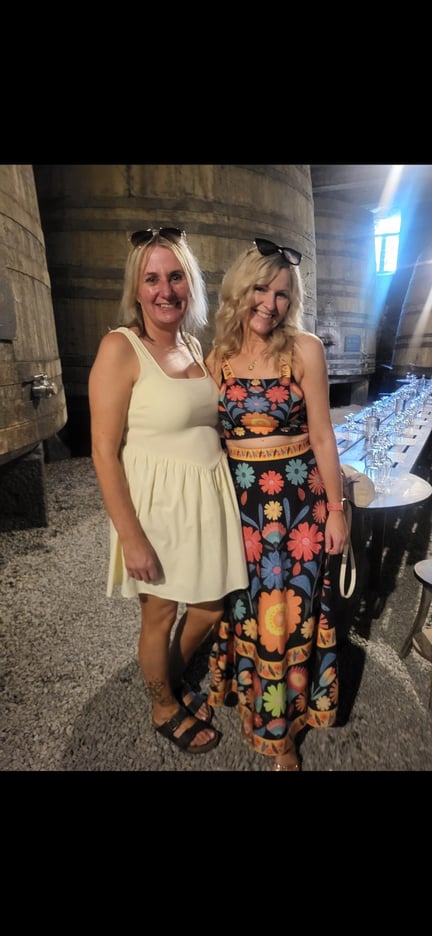
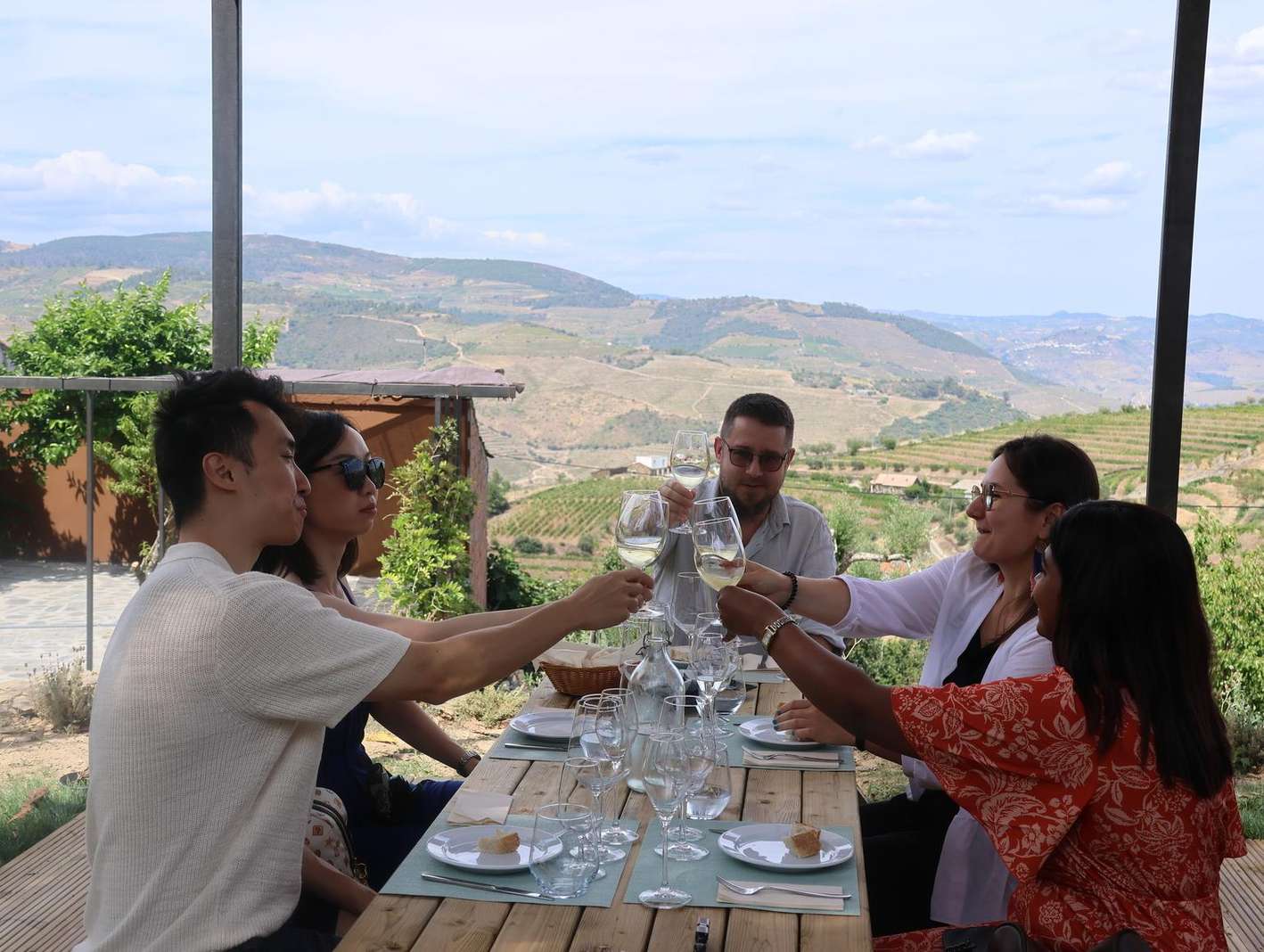
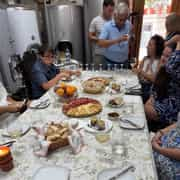
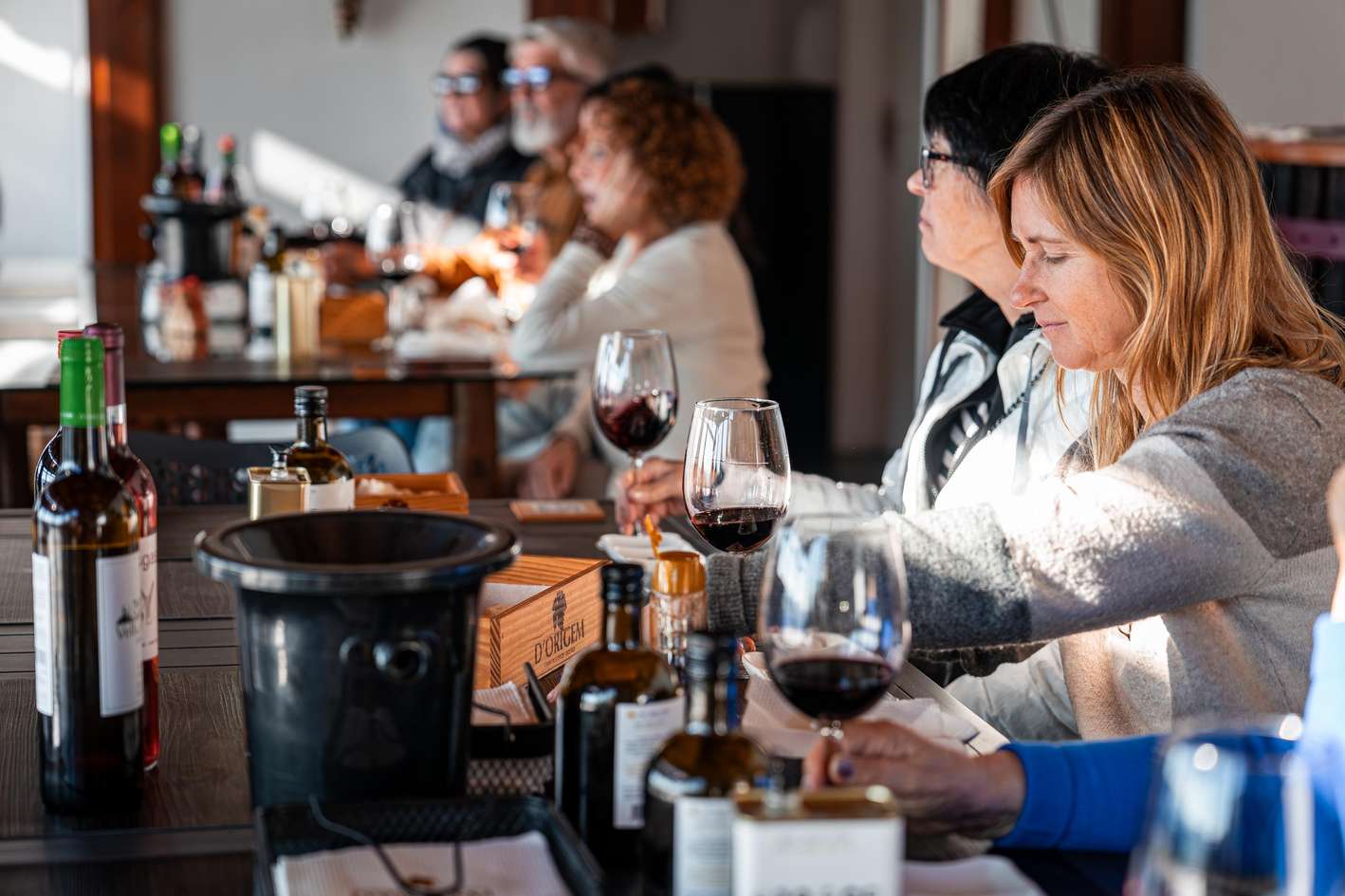
Amazing day! Guide and driver were a fun duo. Two winery tastings with passionate locals, a lovely Douro River boat trip, great food, and the famous valley felt so quiet.
Amazing Douro day! Ana picked us up at our hotel, was informative and pleasant throughout, with beautiful stops on the way.
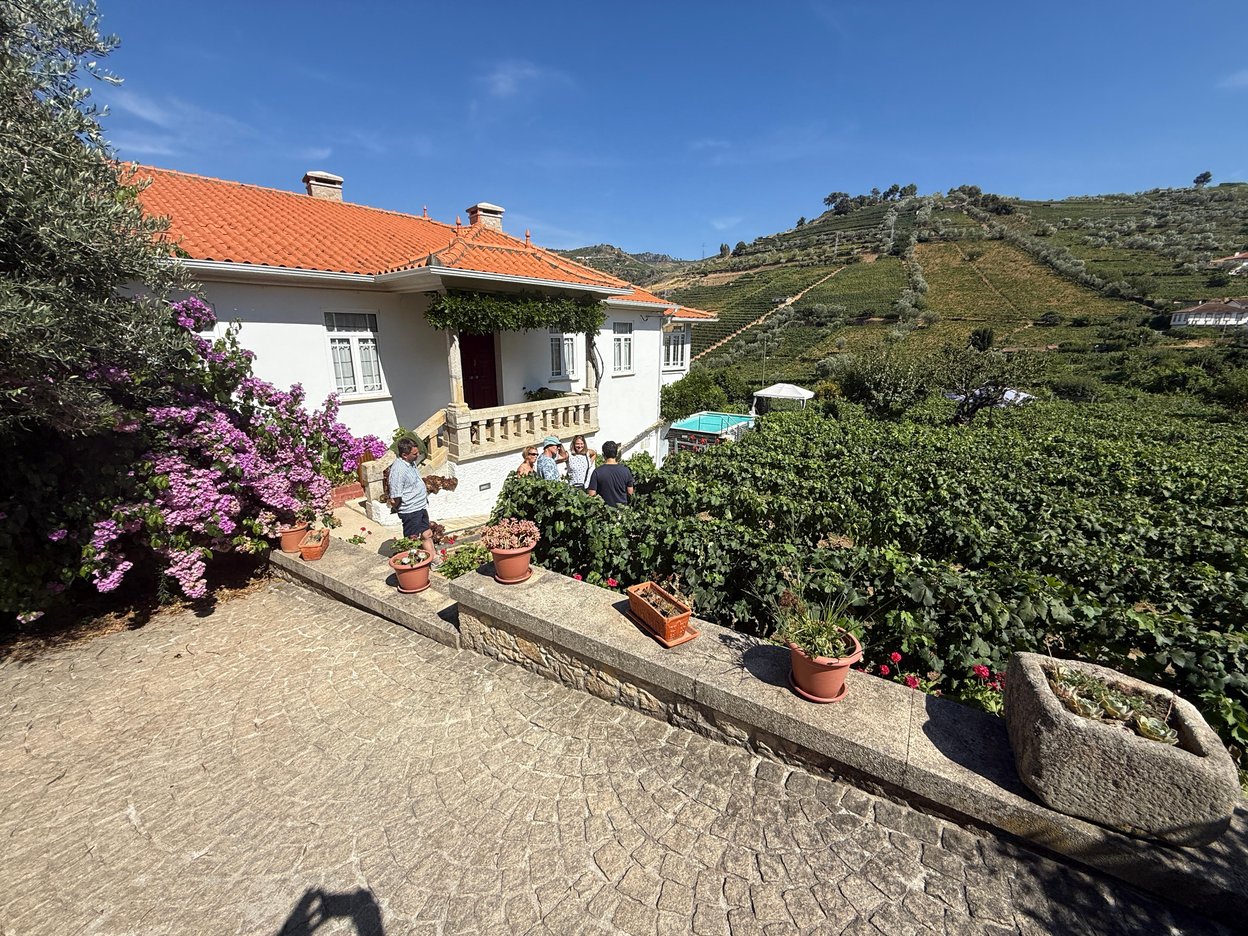
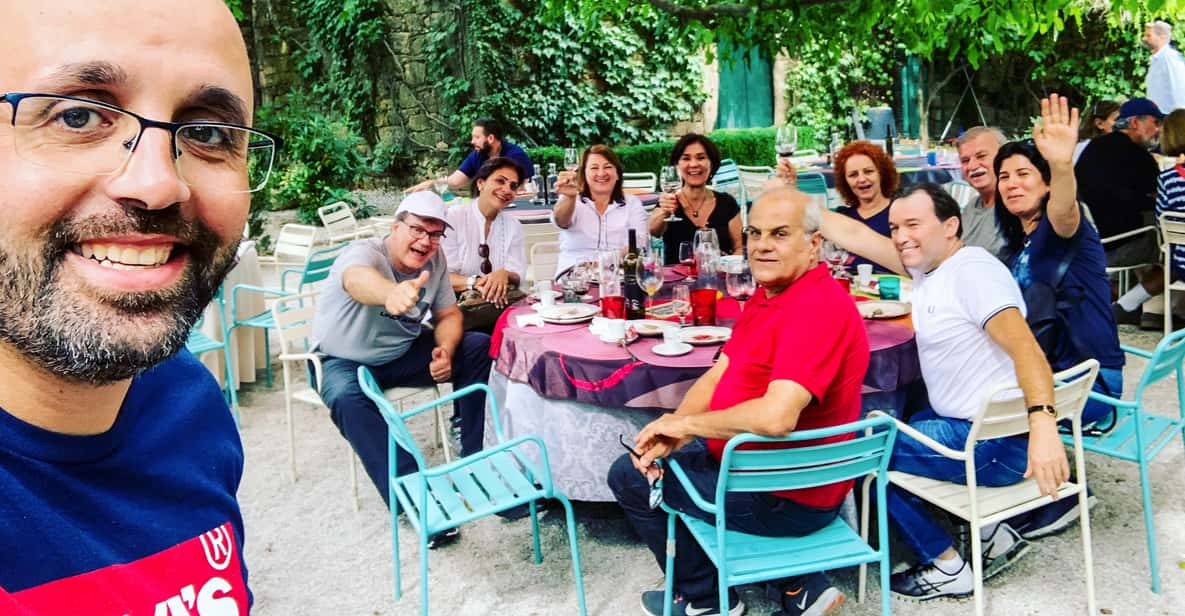
Wonderful Douro day! Joao was fun, energetic, informative, even sang during lunch. Delicious homemade vineyard food, good wine flowing, comfy van with big windows. Short but lovely cruise. Highly recommend!
A gorgeous day! Luis lovingly shared his region and its products, warm, friendly, an excellent communicator.
A wonderful day with Raquel, a very friendly, energetic guide who explained Porto and the valley all along the way.
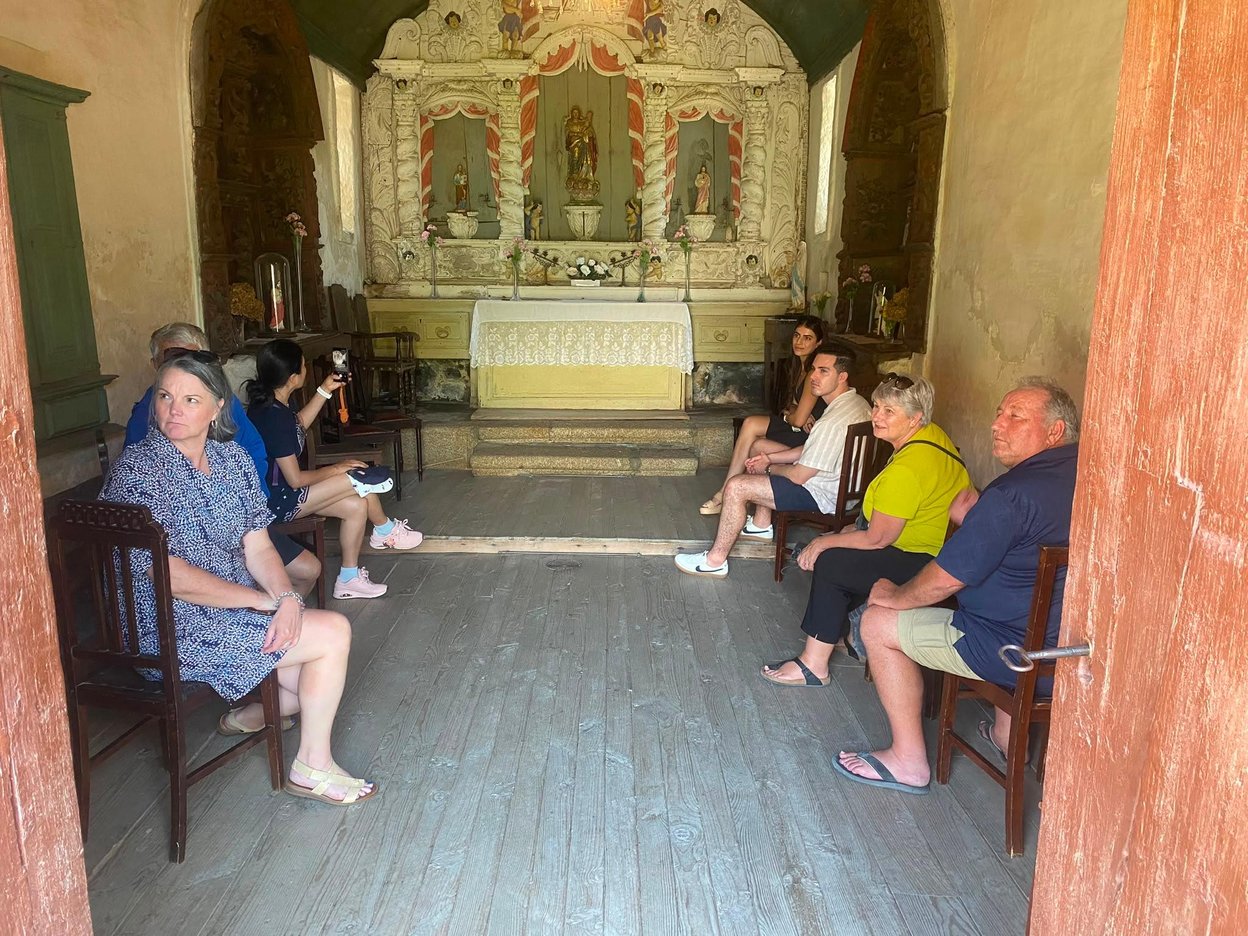
Best wine tour I've ever done, beating ones from the US to Canada. Started right on time, Leopoldo was fantastic, small group felt intimate, and the winery choice, tastings and scenery were unbelievable.
The guide made the day, naming them in the review for their stories, humor and care.
Many say the hour on the river turned out to be the moment they remember most from the whole trip.
A few wished the first winery had poured more than the three short samples they received.
Choose your date first, then the departure. Most tours run morning departures with pickup between 7:30 am and 8 am, and some offer 8:30 am or 9:30 am meeting-point starts. Harvest season books out weeks ahead.
Read the options carefully, since they change the day. Full-day versions add two winery visits, a paired lunch and the 1-hour cruise; half-day afternoon options drop lunch and visit one winery. Pick your language too: English, French, Portuguese or Spanish.
Book through the platform and you get a confirmation with the operator's details. Cancellation is free up to 24 hours in advance for a full refund, so you can lock in the date early and still change your mind.
If you chose hotel pickup, give your exact address at checkout; on some tours you must confirm it at least 32 hours ahead or you fall back to a meeting point. Meeting-point tours gather at central spots like Palácio da Bolsa, Trindade or next to Porto Cathedral.
The night before, pickup tours get the exact collection time by message; it usually falls between 7:30 am and 8 am. Bring a passport or ID card, since certain day tours ask for it, and wear flat walking shoes for the vineyard terraces.
Porto sits about 85 to 107 minutes by road from the valley, so a van tour covers 1.5 to 2 hours each way.
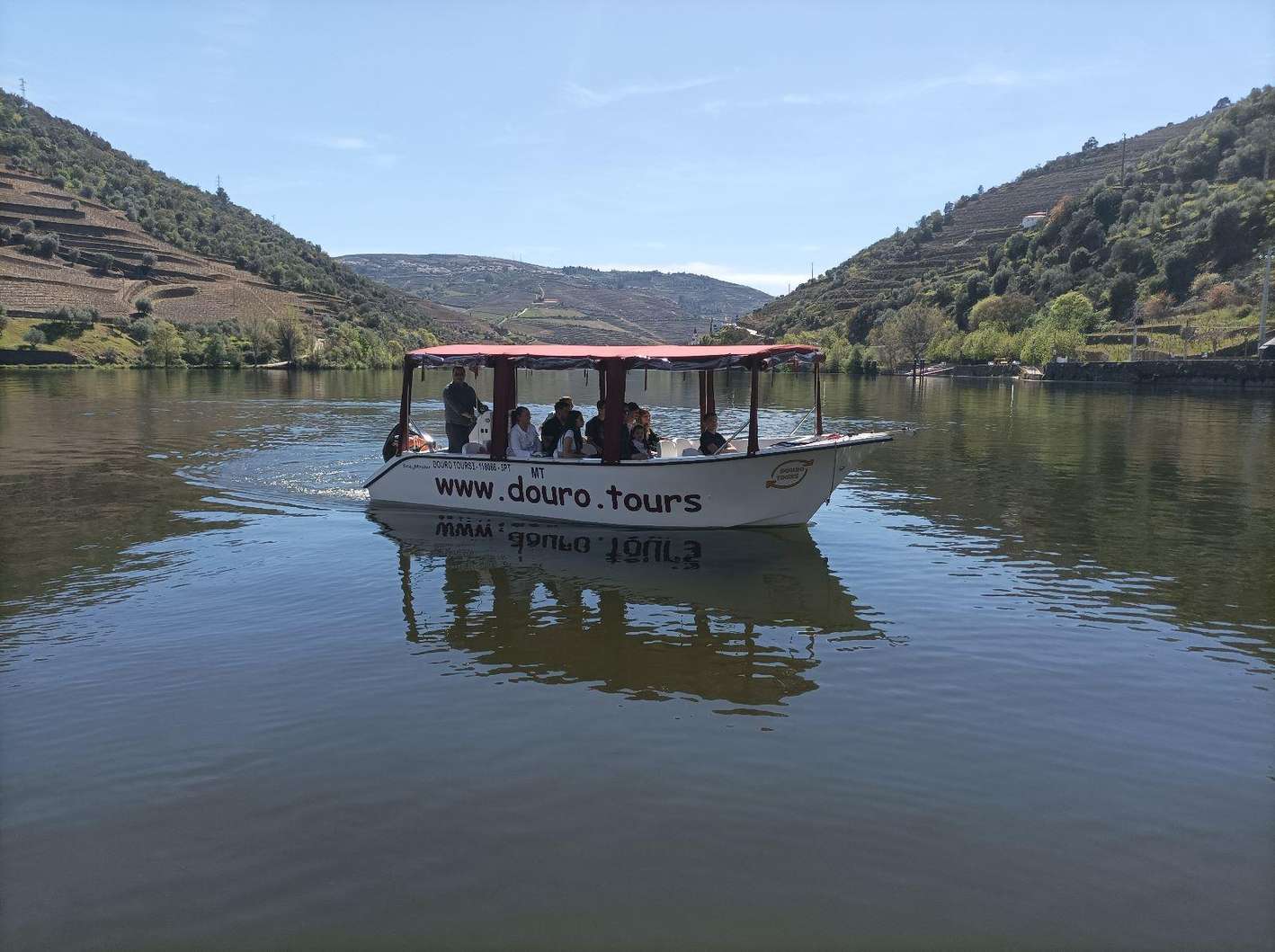
The boats themselves do not sail from the city quays to the valley in a day. Tours drive you in, then board at Pinhão, where the terraced slopes rise straight from the water.
The choice comes down to what you want on shore. A van-and-boat day adds winery visits, lunch, and hillside viewpoints, while a river-only sailing from Porto skips the estates entirely. Short cruises out of Pinhão also stay on open water, so there is no waiting in dam locks.
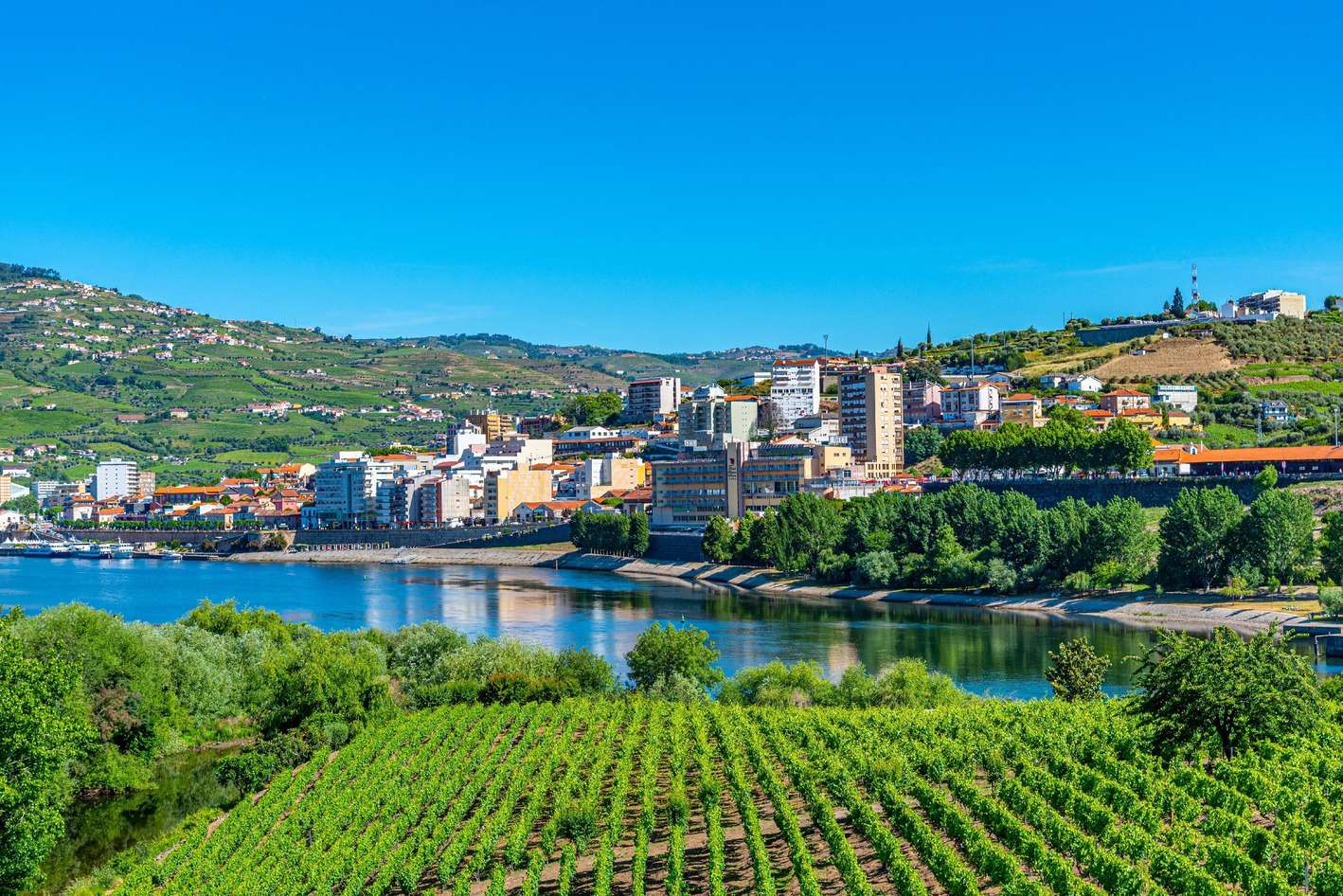
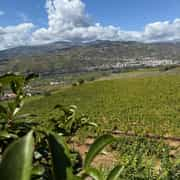
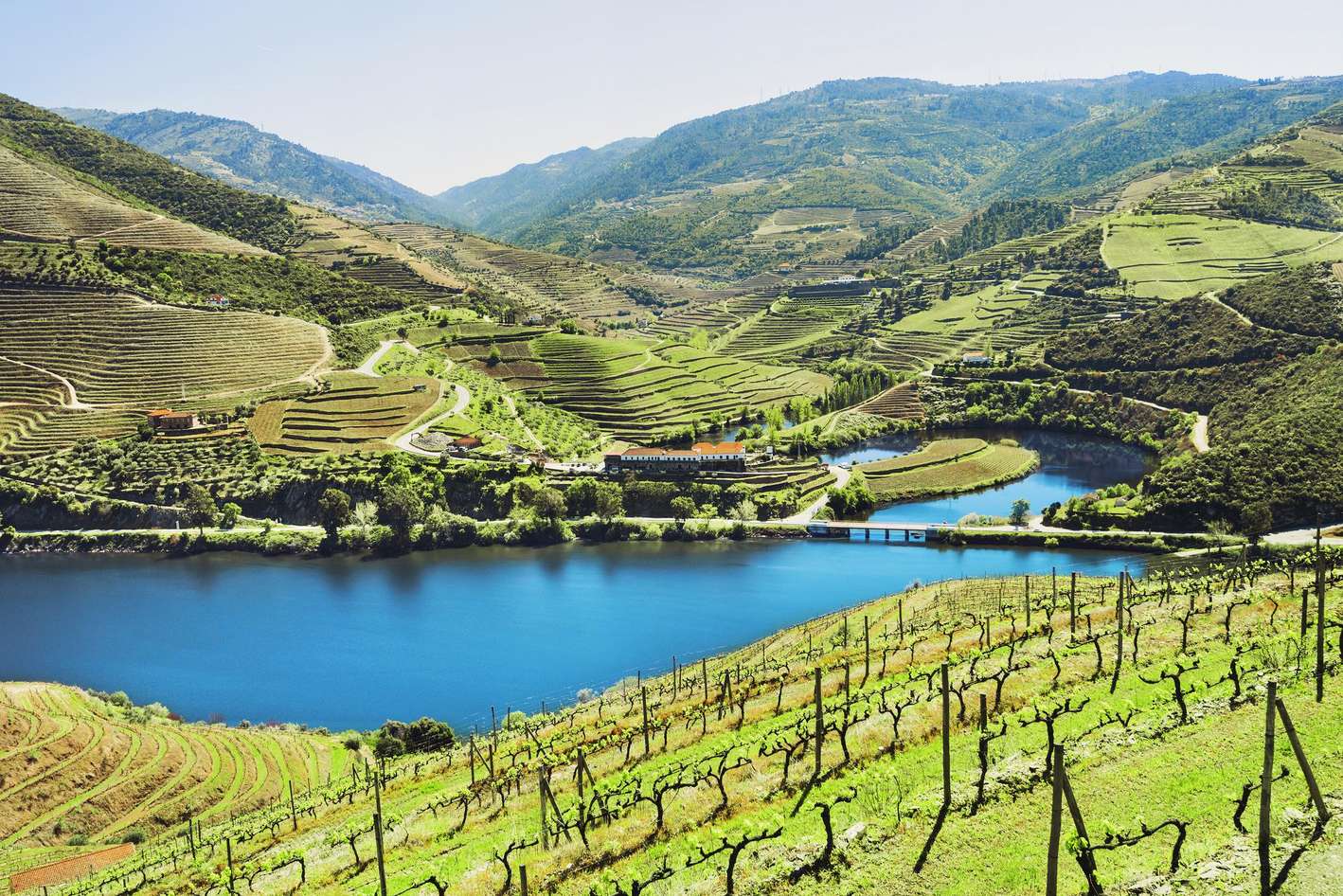
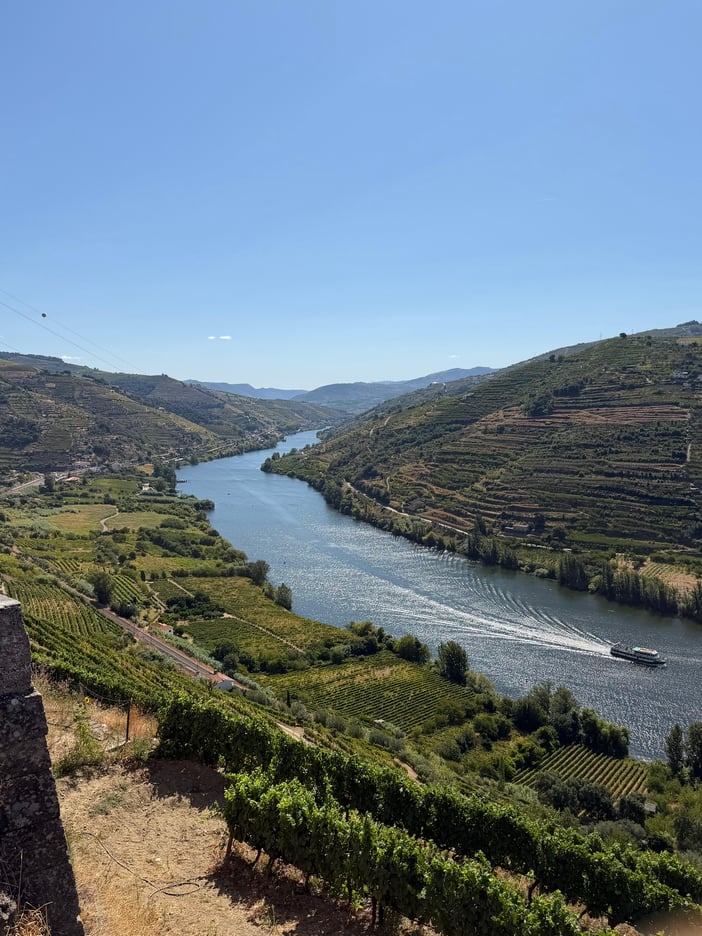
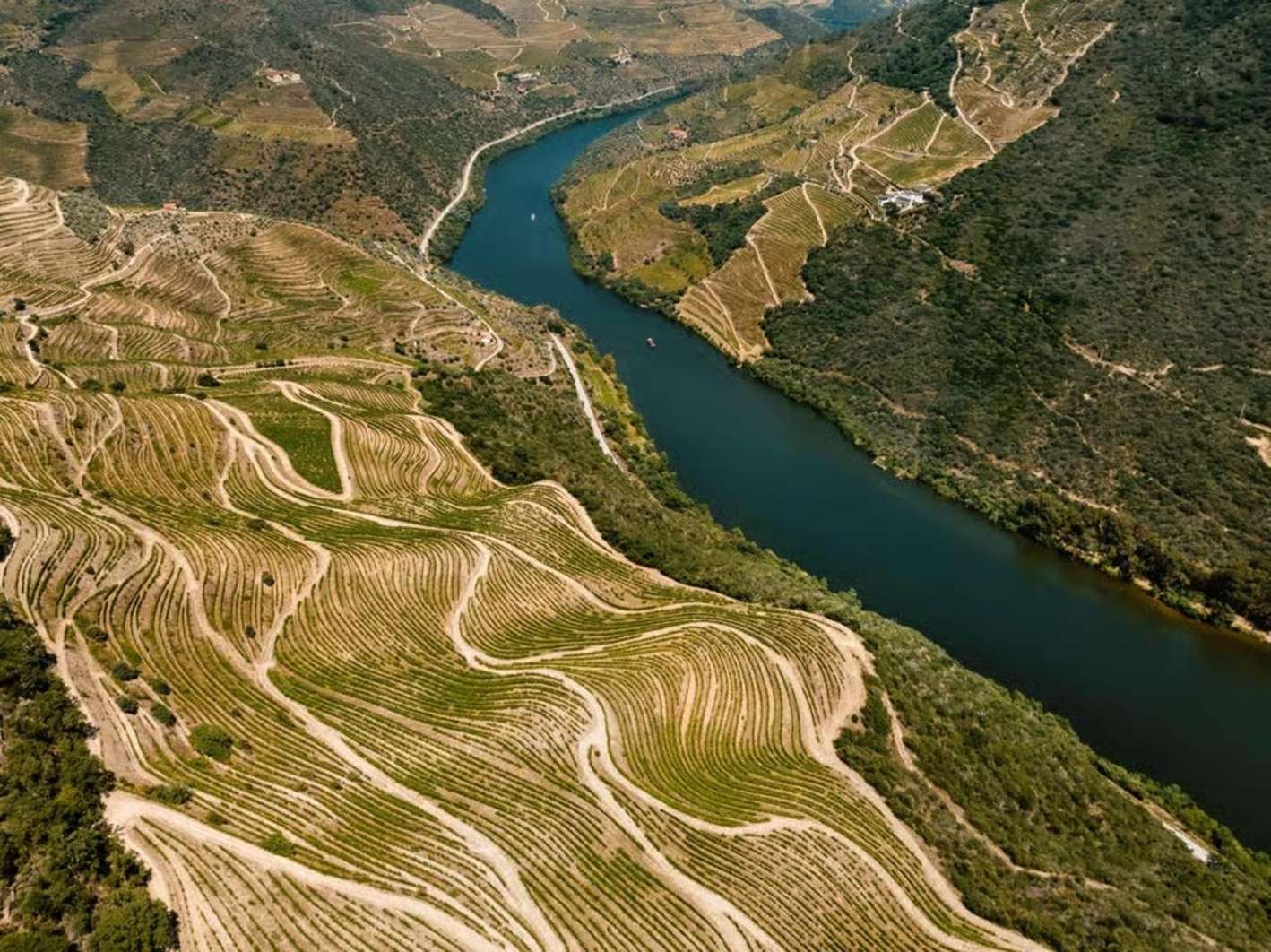
Once on the river, the day slows down. The stretch from Régua to Pinhão shows the classic terraces, and the water upriver of Pinhão toward Tua is the most dramatic of all.
The dams keep the current flat, so the cruise is calm even for guests who rarely drink much wine and mostly came for the view.
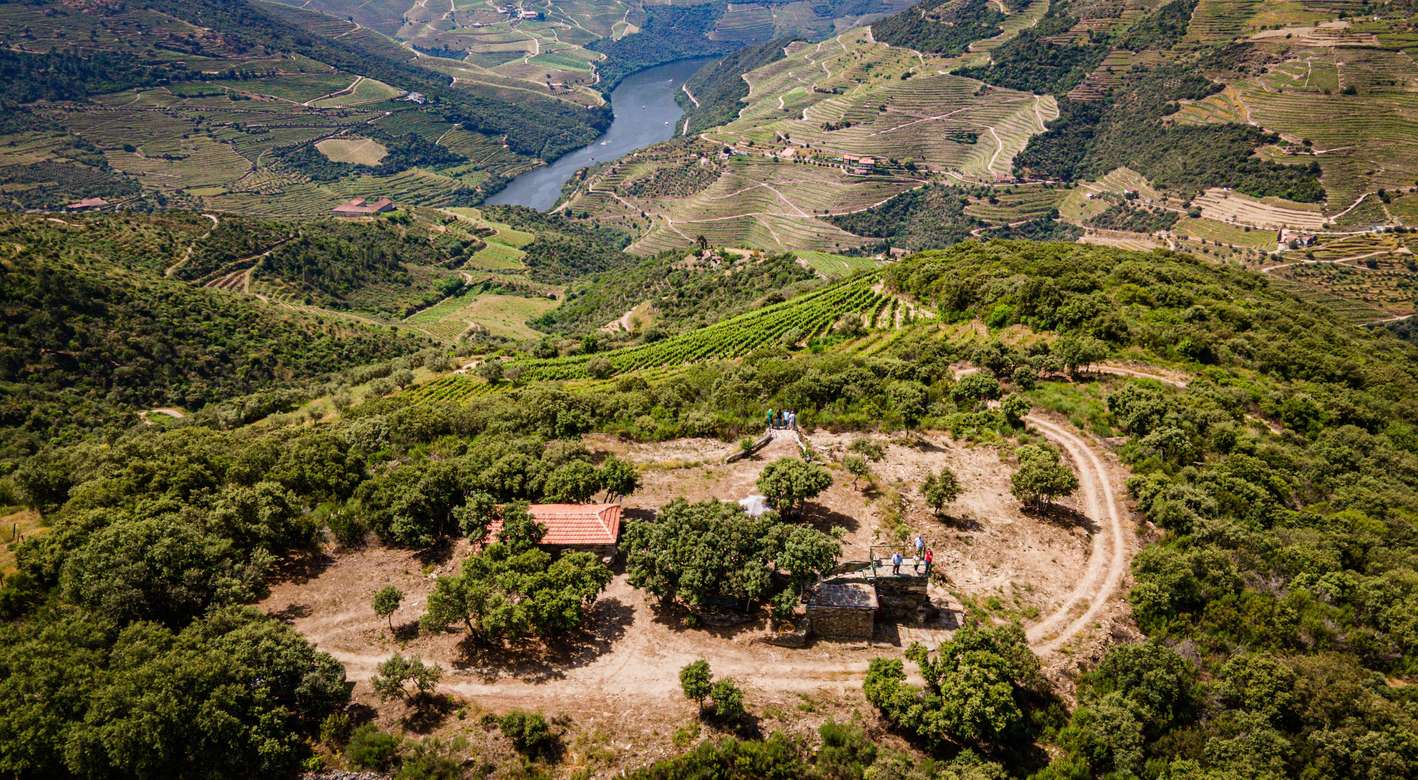
Break time, Photo stop (20 minutes)
Boat cruise (1 hour)
Porto, Igreja da Lapa, Porto, Lapa, Igreja da Lapa
Porto, Igreja da Lapa, Porto, Lapa, Igreja da Lapa
Porto, Igreja da Lapa, Porto, Lapa, Igreja da Lapa
Porto, Igreja da Lapa, Porto, Lapa, Igreja da Lapa
Porto, Igreja da Lapa, Porto, Lapa, Igreja da Lapa
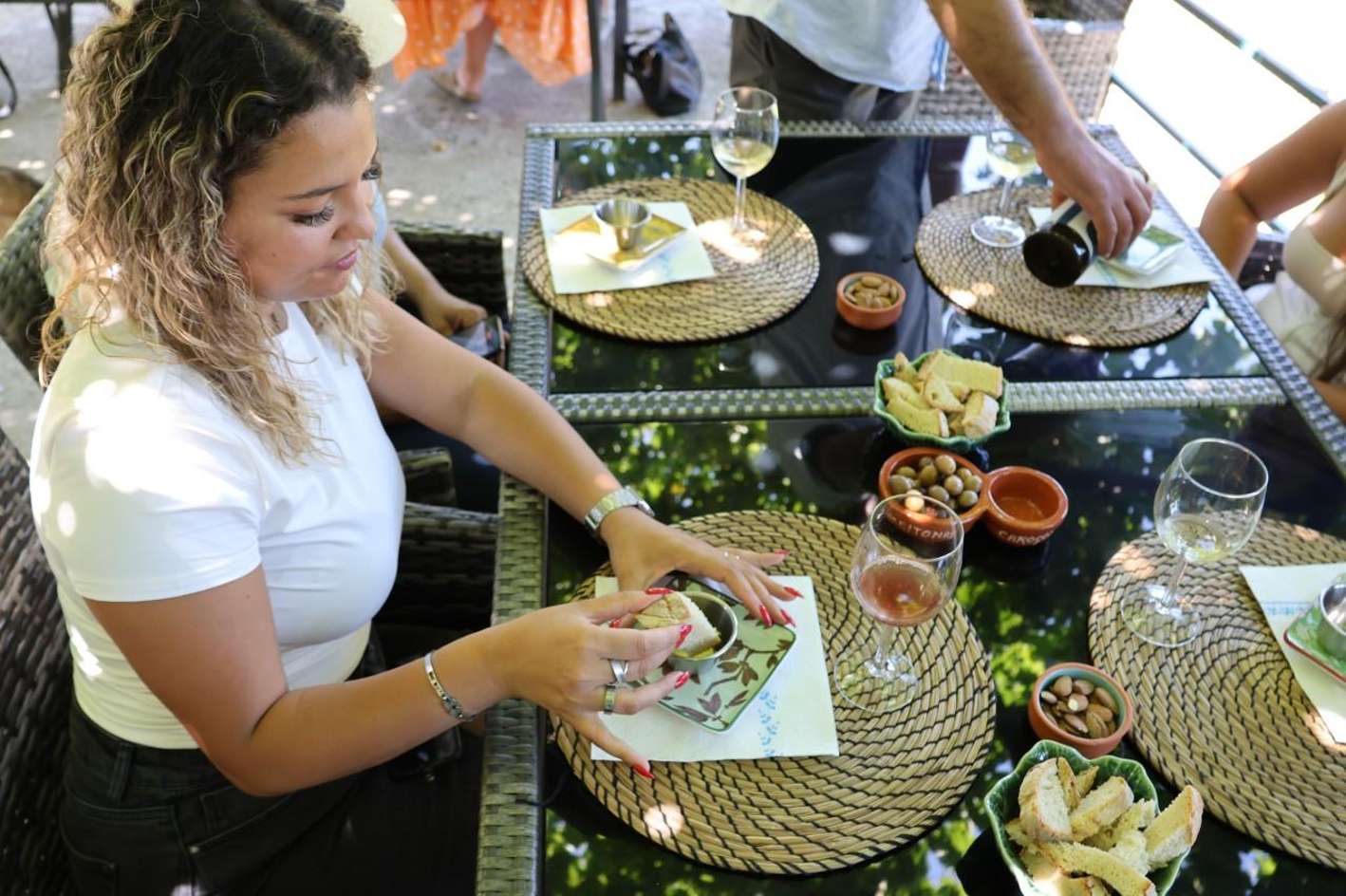
Guided tour, Wine tasting, Food tasting, Regional food (1 hour)
Lunch, Guided tour, Wine tasting, Scenic views on the way (2.5 hours)
Photo stop, Boat cruise, Scenic views on the way (1 hour)
Break time
Wine tasting
Photo stop
Wine tasting
R. de Alexandre Herculano, 4000-053 Porto, Portugal, Porto
Boat departures and harvest-season day tours from Porto can sell out a day or two ahead, and estate tables and tasting rooms around Pinhão book out weeks in advance.
Reserve your day tour as soon as your dates are set, and book a few weeks early if you travel in September or October, when harvest crowds fill the popular sailings and estate lunches first.
The vans start rolling before the city is fully awake.
Pickup windows run 7:30 to 8 am, and the meeting points sit within a few minutes of each other in central Porto: next to the cathedral at Calçada da Vandoma, in front of Palácio da Bolsa, at the Trindade metro stops, or outside Teatro Sá da Bandeira.
Book hotel pickup and the van comes to you instead.
Then the A4 swallows the morning. The drive into the valley takes about an hour and a half each way, long enough for the guide to start talking wine before the first vineyard appears. Coaches leave Porto between 8:00 and 9 am, so an earlier van walks into the first estate ahead of them.
Lunch lands early, around 11:30 am. That is not impatience on the estate's part; it protects the afternoon cruise, the second winery and the drive home. The boat itself, when it comes, lasts 50 minutes to an hour on calm, dam-smoothed water.
The split matters when you choose: more of the day goes on tastings than on the water. The cruise is the hinge of the day, not its bulk, and the road hours are what buy it.
A standard full day with transit runs 8 to 10 hours. One operator's own options on this shape span 7 to 10 hours, because its half-day variants drop the lunch and the second estate. Tours such as From Porto: Douro Valley w/ Boat Tour, Wine Tasting & Lunch run the full form, door to door.
Exact pickup time arrives the day before
Guide talk and a photo stop or two on the way
Early sitting to protect the afternoon
Plus a second winery visit
Full-day tours run 8 to 10 hours
A4 west to east, and the Marão Tunnel cuts the mountain in four minutes flat. That tunnel is why the 123 kilometres to Peso da Régua now takes 75 to 85 minutes instead of the old road's endless curves. Pinhão, the village most boats leave from, sits another half hour up the N222.
Self-driving is the fastest way in and the most constrained once you arrive. Portugal's limit is 0.5 g/l, and for drivers who held a licence under three years it is 0.2 g/l, low enough that a single tasting pour can cross it on roads where police check.
One of you stays dry and drives; the roads between quintas are steep, narrow, and slower than the map suggests.
The train takes about two hours to Régua and up to two and a half to Pinhão, hugging the river for the prettiest stretch. Buses reach Régua in an hour and a half or more but stop at town terminals, a walk from everything.
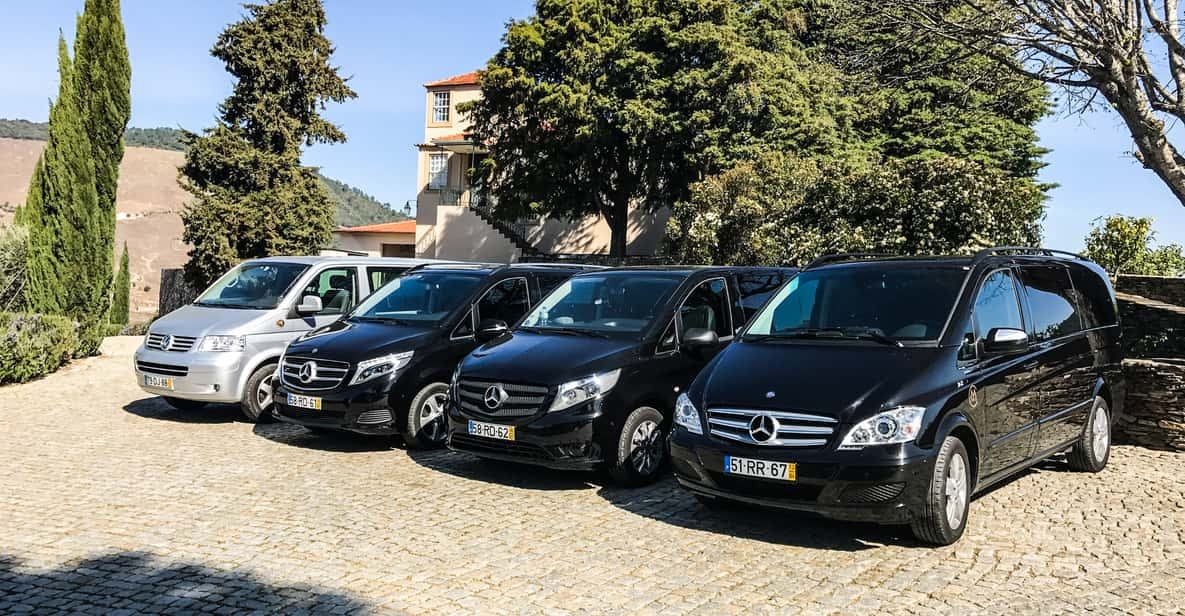
The van's edge is not speed. It is that someone else handles the hills, the parking, and the appointments, and you taste what you like.
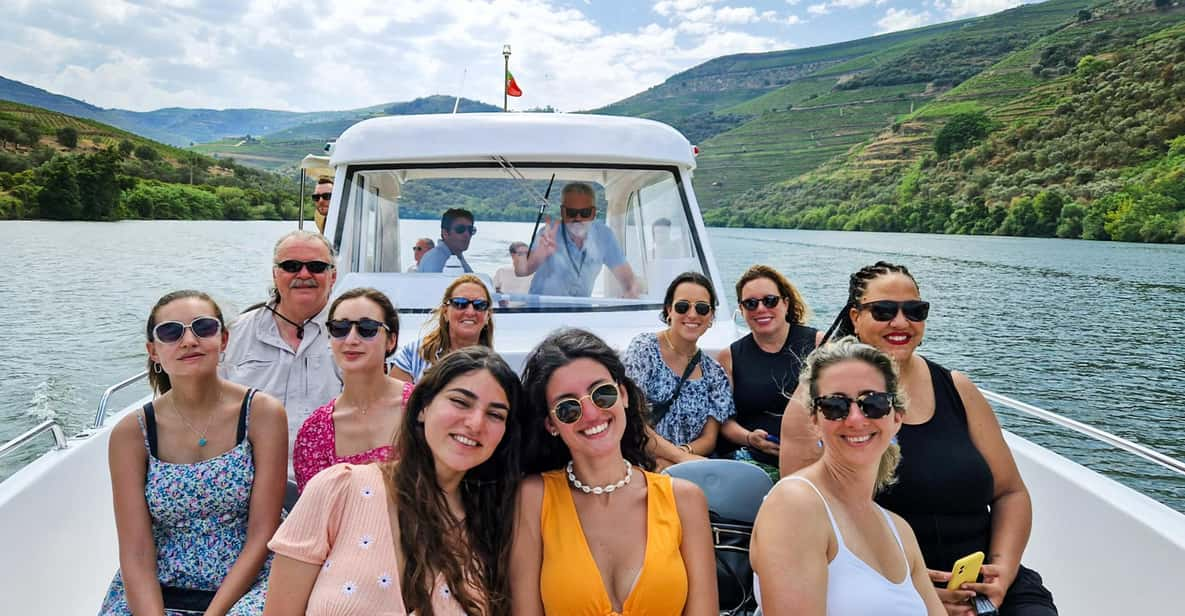
Four ways to spend the day, and the arithmetic decides most of it.
A boat from the Porto quay sails but never tastes: full-day cruises out of the city do not stop at wineries, and no schedule carries you both ways through the locks alongside a multi-estate day. You trade road hours for lock hours and give up the quintas.
The van-and-boat tour does the opposite. Three to four hours of driving buys a Pinhão cruise, two wineries, viewpoint stops on the high roads, and lunch, all inside 9 or 10 hours.
The train sits between them: no driving, water-level views the whole way, but no commentary, no hillside estates, and everything at Pinhão arranged by you.
| Hours in transit | Dam locks | Winery tastings | Boat type and size | Pace and flexibility | |
|---|---|---|---|---|---|
| Full-day Porto cruise | not known | Must wait in dam locks | No winery visits included | Cruisers up to 450 passengers | not known |
| Van plus Pinhão cruise | 3-4 hours driving round trip | No locks from Pinhão | 2.5-3.5 hours tastings and lunch | Rabelo, 15-30 passengers | Guided multi-stop schedule |
| Train to Pinhão | not known | No locks from Pinhão | None included, book ahead | Small rabelo, 12-20 seats | Point-to-point, self-timed |
| Private transfer and charter | 1h45-2h drive to Pinhão | No locks from Pinhão | Optional winery stops | Exclusive private charter | not known |
For most readers the wine is the point, and the road tour wins those rows outright. If you want nothing but water and sky, a full-day cruise suits, though open boats can crowd and bake in valley sun. Private transfers with a chartered boat cost more and answer to nobody's schedule.
Sail from the Porto quays and the day is structured by engineers. Five dams step the river, and a boat heading up or down valley waits in their locks, concrete chambers that fill and drain while you stand in a steel box.
In winter the locks close entirely for maintenance, from late November through late March.
Boats based at Pinhão skip all of it. They cast off and run straight upstream toward Tua or Romaneira on open water, no gates, no waiting, and the most dramatic terraced slopes on the river unfold immediately at eye level.
The reason the upper stretch looks the way it does is a gorge. Until the late 1700s, the Cachão da Valeira's rock outcrops and waterfall blocked boats from the eastern Douro, so almost no vineyards grew beyond it.
Blasting began in 1780, the first boats passed in 1789, and the estates spread east. The rapids stayed dangerous for wine barques until the Valeira Dam tamed them in 1976.
That history is why the water you cruise holds the vineyards it does. The gorge opened the land; the boat shows it to you.
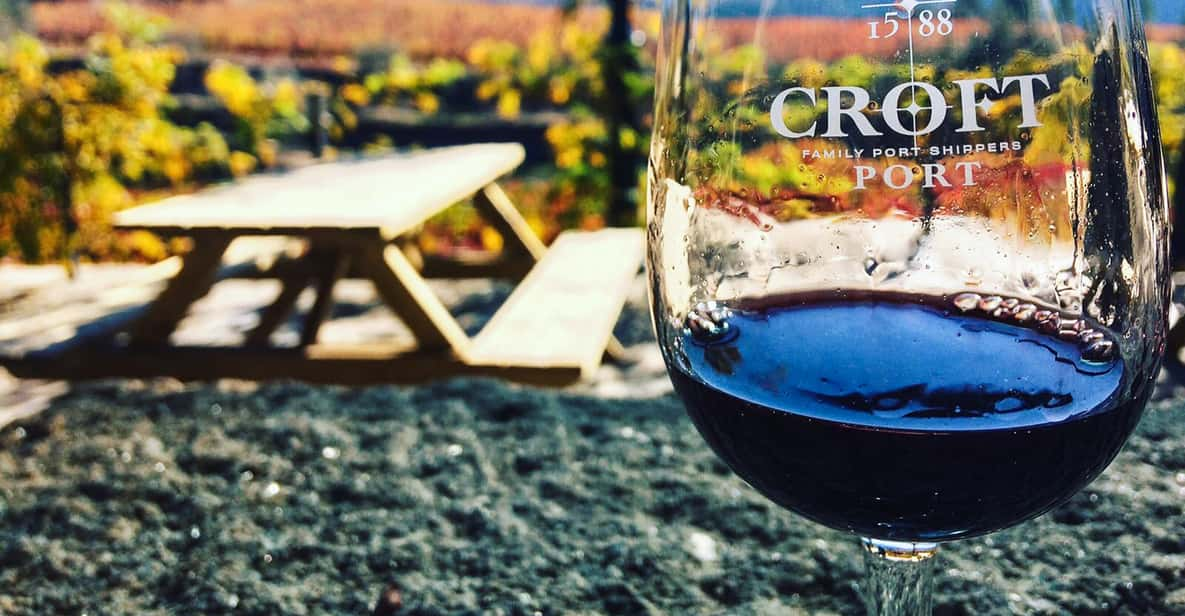
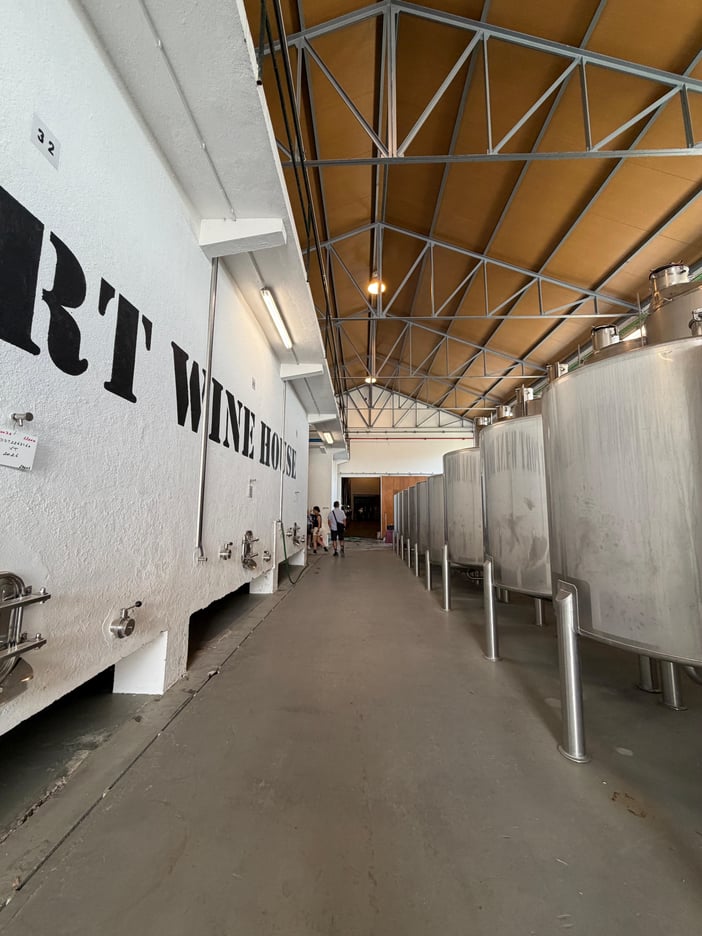
A realistic full day means two quintas and about five pours, split two or three per estate, with more wine arriving at lunch. Half-day versions manage one estate and three or four samples. Anyone promising eight wineries is selling haste.
Booking is not optional. Many smaller and prestigious quintas turn walk-ins away, and arriving on a train with no appointment often means a long afternoon and an empty glass. Every estate on a guided tour is booked before you board the van.
In the glass, do not expect sweetness throughout. The Douro's modern estates pour serious dry reds, whites and rosés alongside the Ports, and some focus on table wines almost entirely.
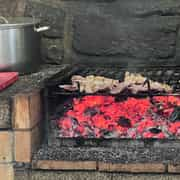
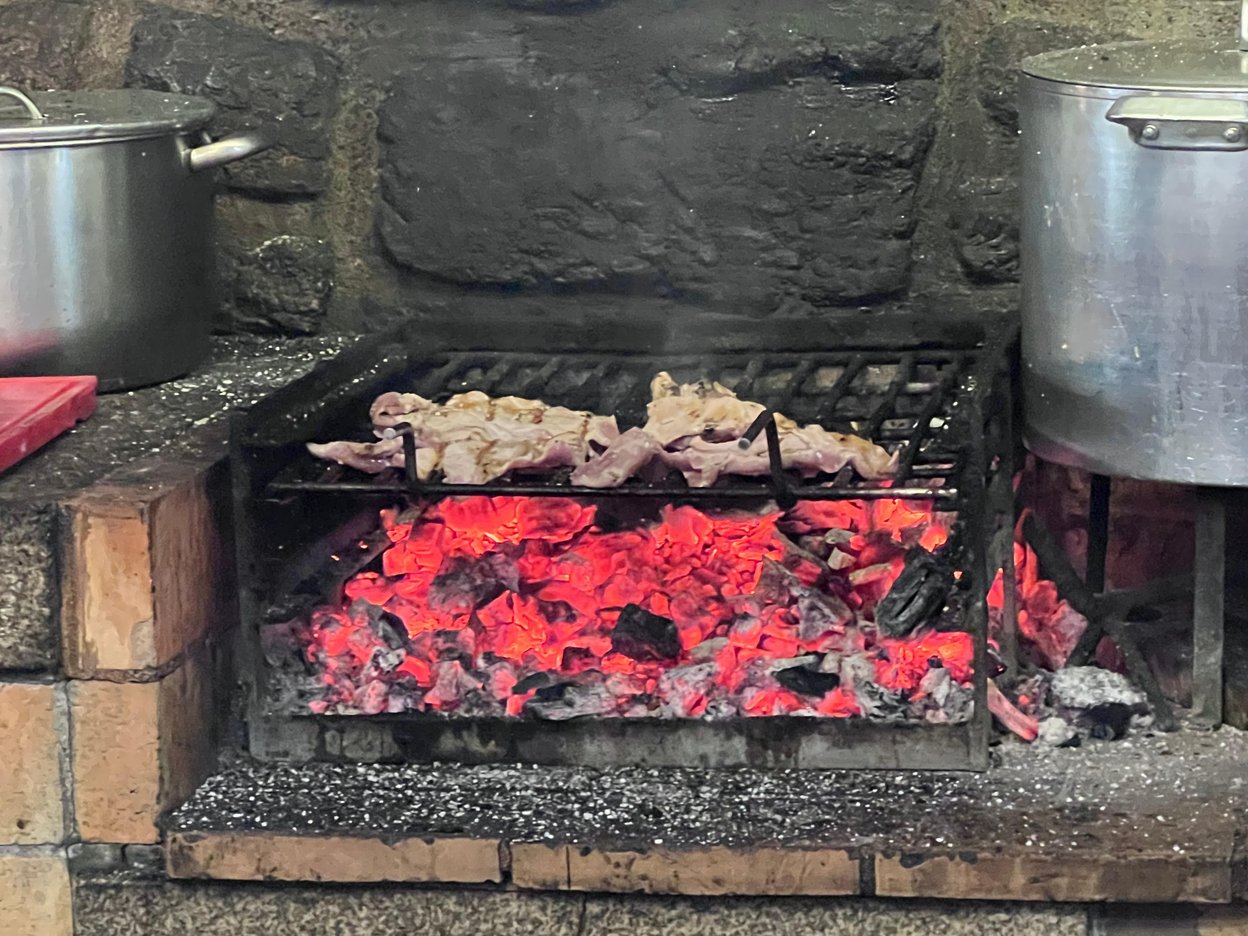
Lunch runs to slow-cooked regional dishes, multi-course, matched with dry wines and the estate's own olive oil, and vegetarian and gluten-free meals are standard if you ask ahead.
This is where the smaller tours earn their price. Douro Valley: 2 wineries vist, winery lunch & scenic cruise, for instance, pairs a wine-paired lunch at a family estate with a cruise that comes with sparkling wine on board.
Wonderful Douro day! Joao was fun, energetic, informative, even sang during lunch. Delicious homemade vineyard food, good wine flowing, comfy van with big windows. Short but lovely cruise. Highly recommend!
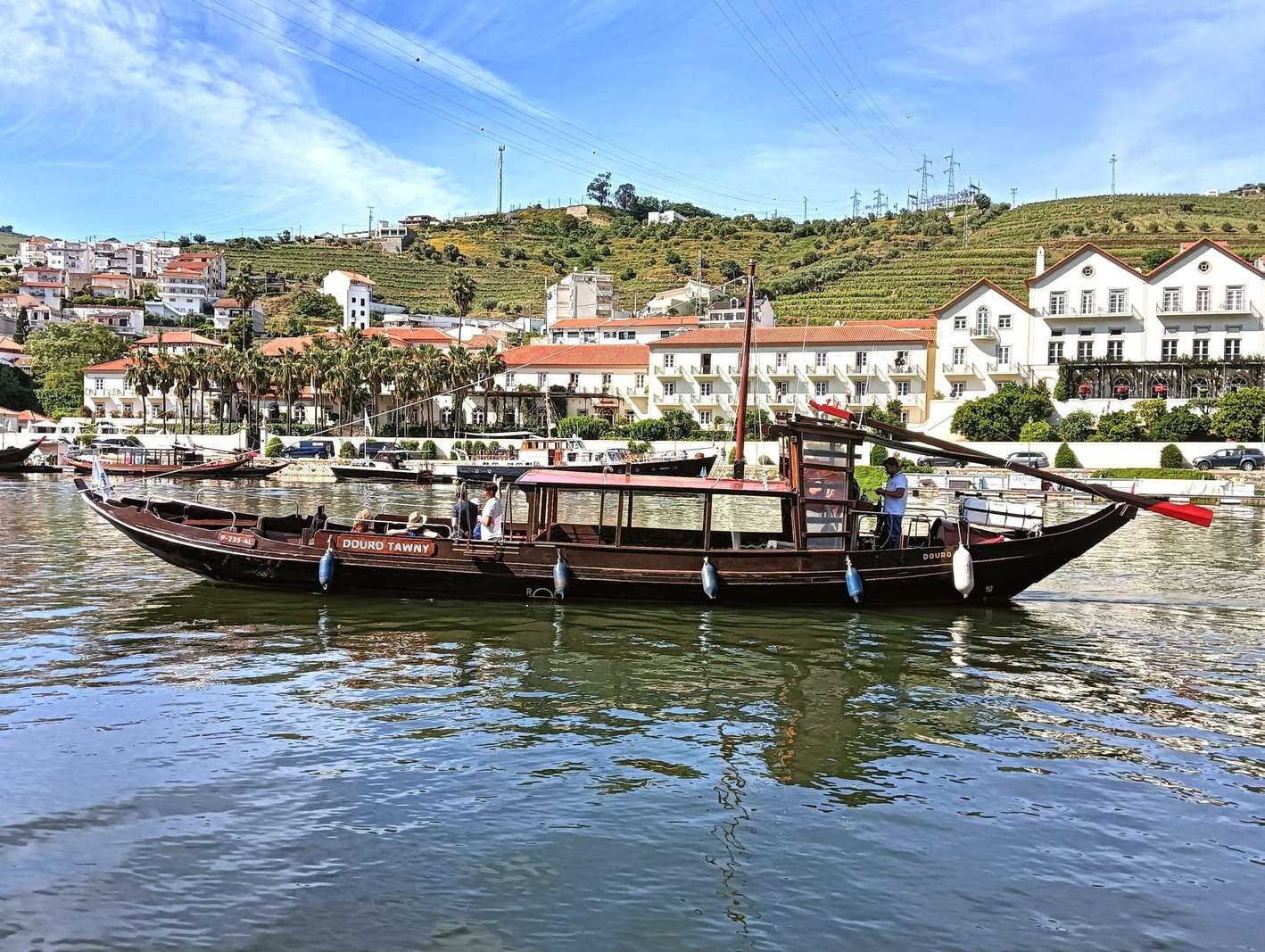
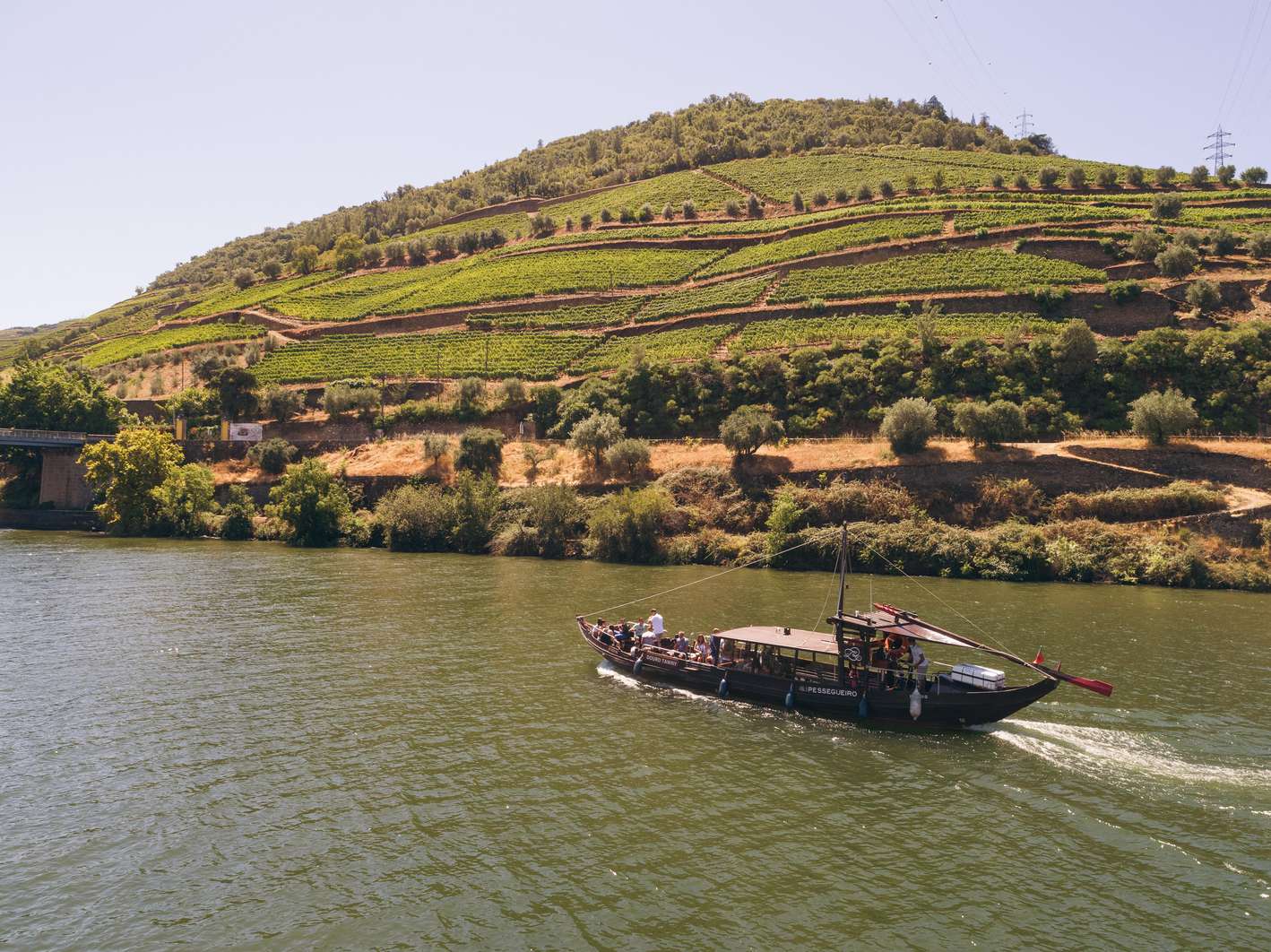
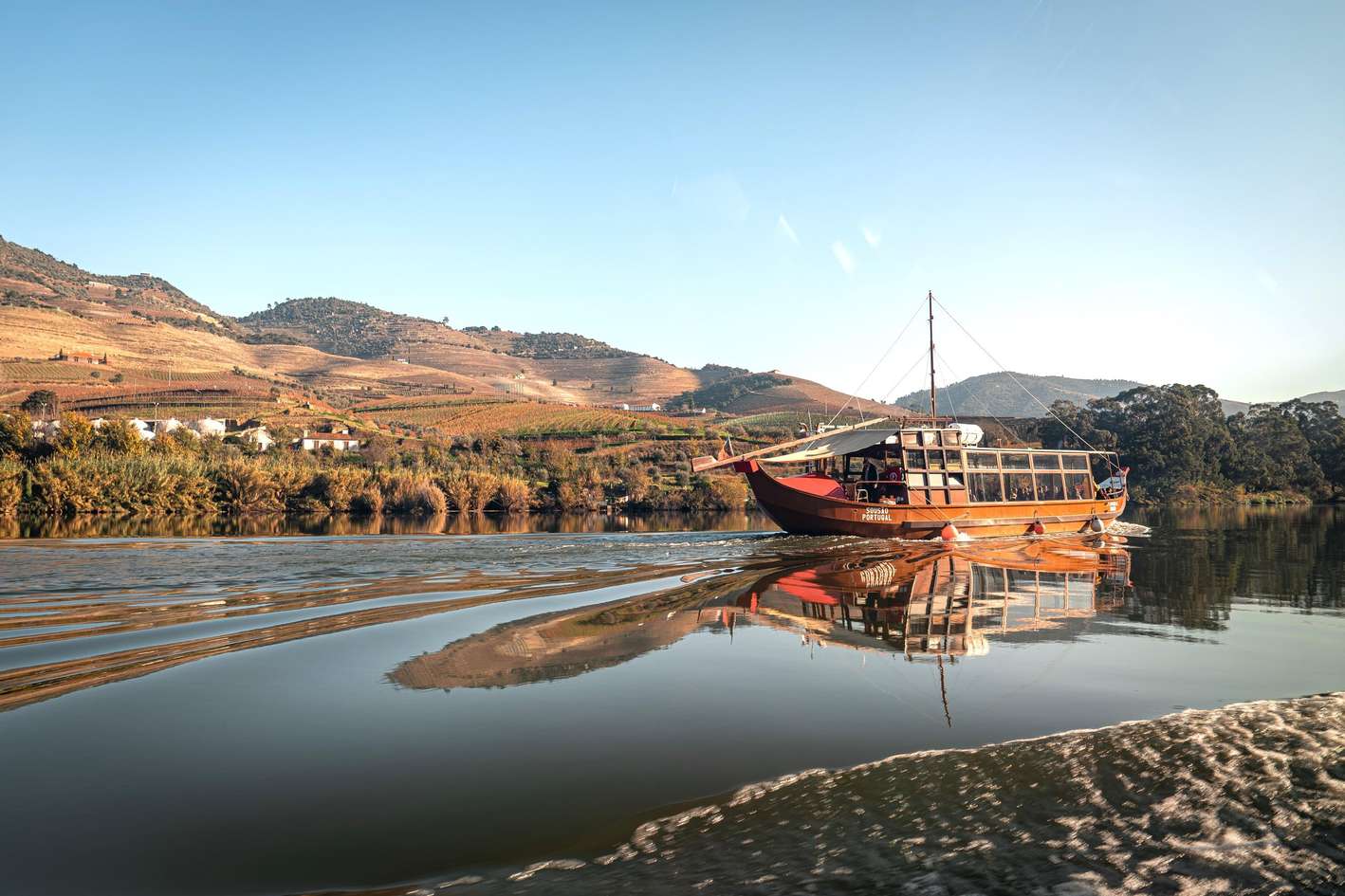
The rabelo is the boat the valley grew up with: flat-bottomed, keel-less timber built to carry Port barrels down a river that used to run shallow and fast.
Tourist versions keep the open deck and carry around 12 to 20 passengers, with big replicas reaching 90. There is shade if you look for it and little shelter if the weather turns.
Modern cruisers go the other way: metal or fibreglass hulls, enclosed air-conditioned cabins, bars, and room for 40 to 80 on urban runs, up to 450 on the big river ships. You trade atmosphere for comfort.
The gap decides the feeling on the water. A public sightseeing vessel carries two to four times the headcount of a tour's rabelo, and that is not a number, it is elbows and engine noise against a quiet rail and a guide who can hear your question.
Some small-group tours go further: Porto: Douro Valley Small-Group Tour, Lunch & Private Cruise sails a boat shared only with its own eight guests.
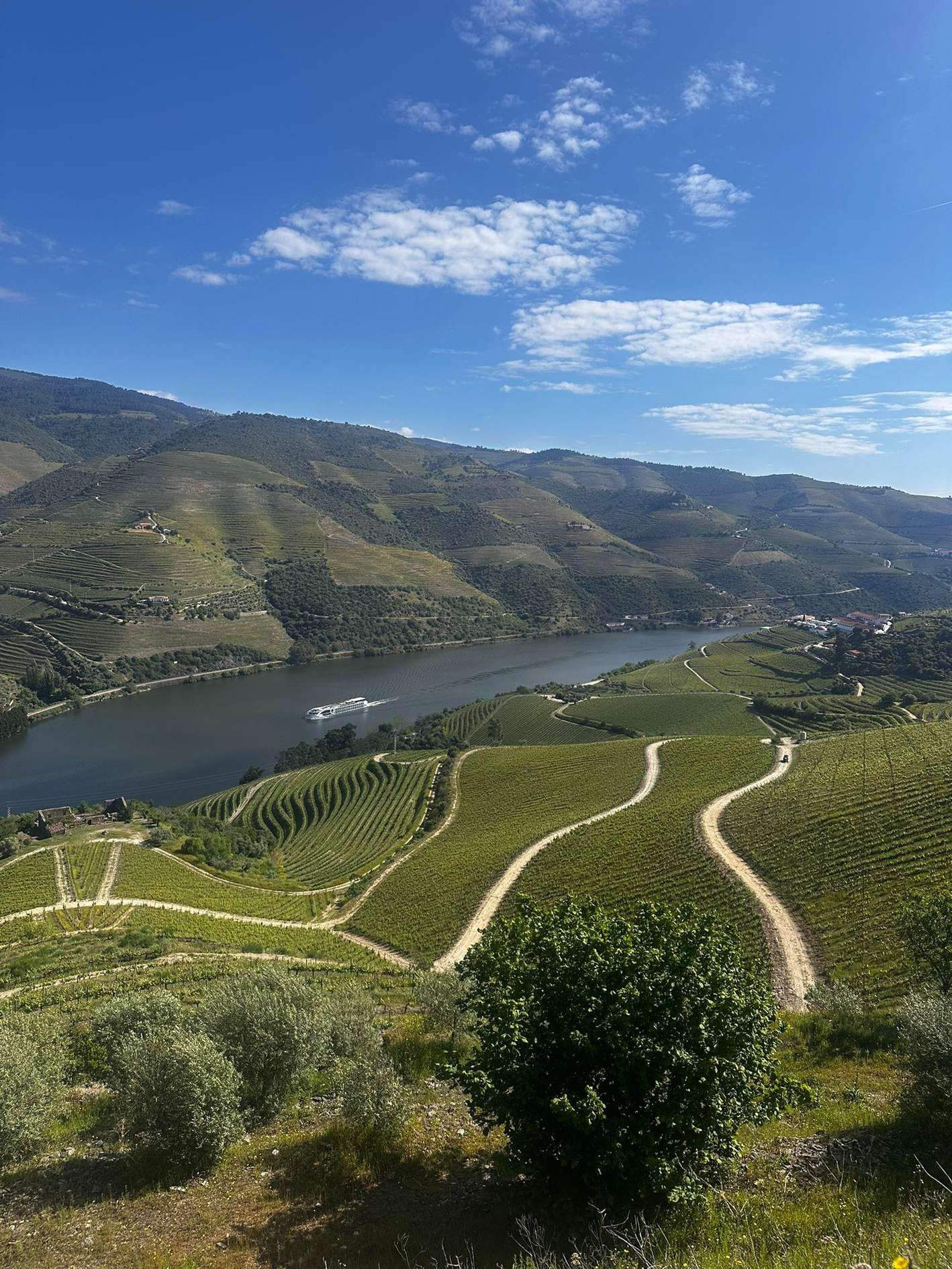
The train from São Bento takes about 2 hours 20 minutes to Pinhão and runs the last stretch at water level, the terraces rising directly above the window. Sit on the right side leaving Porto and open the glass; the river appears on that side as you near the valley.
What the train will not do is climb. It delivers you to the platform and stops, so the day becomes yours to build.
Several quintas sit within walking distance: Quinta do Bomfim five minutes from the platforms, Quinta das Carvalhas across the road bridge, Quinta de la Rosa a flat 15 to 20 along the riverfront. Boat tickets sell at kiosks by the quay and the station, though departures can sell out a day or two ahead.
Small-group vans cap at 8 to 19 guests and reach boutique estates big buses cannot
The train plus walkable quintas and a pier-side boat covers the essentials self-timed
Most quintas require reservations and turn walk-ins away
The self-timed day works best for confident planners who book the tasting before the train leaves Porto. Everyone else lets the van do it.
Mid-September to mid-October is the valley at full voice: hand-picking on the terraces, the smell of fermenting must, hillsides turning amber and red. It is also the busiest stretch of the year.
Top estate tables and boutique tastings book out one to two months ahead, prime harvest weekends two to three, and weekend boat slots go a week or more in advance.
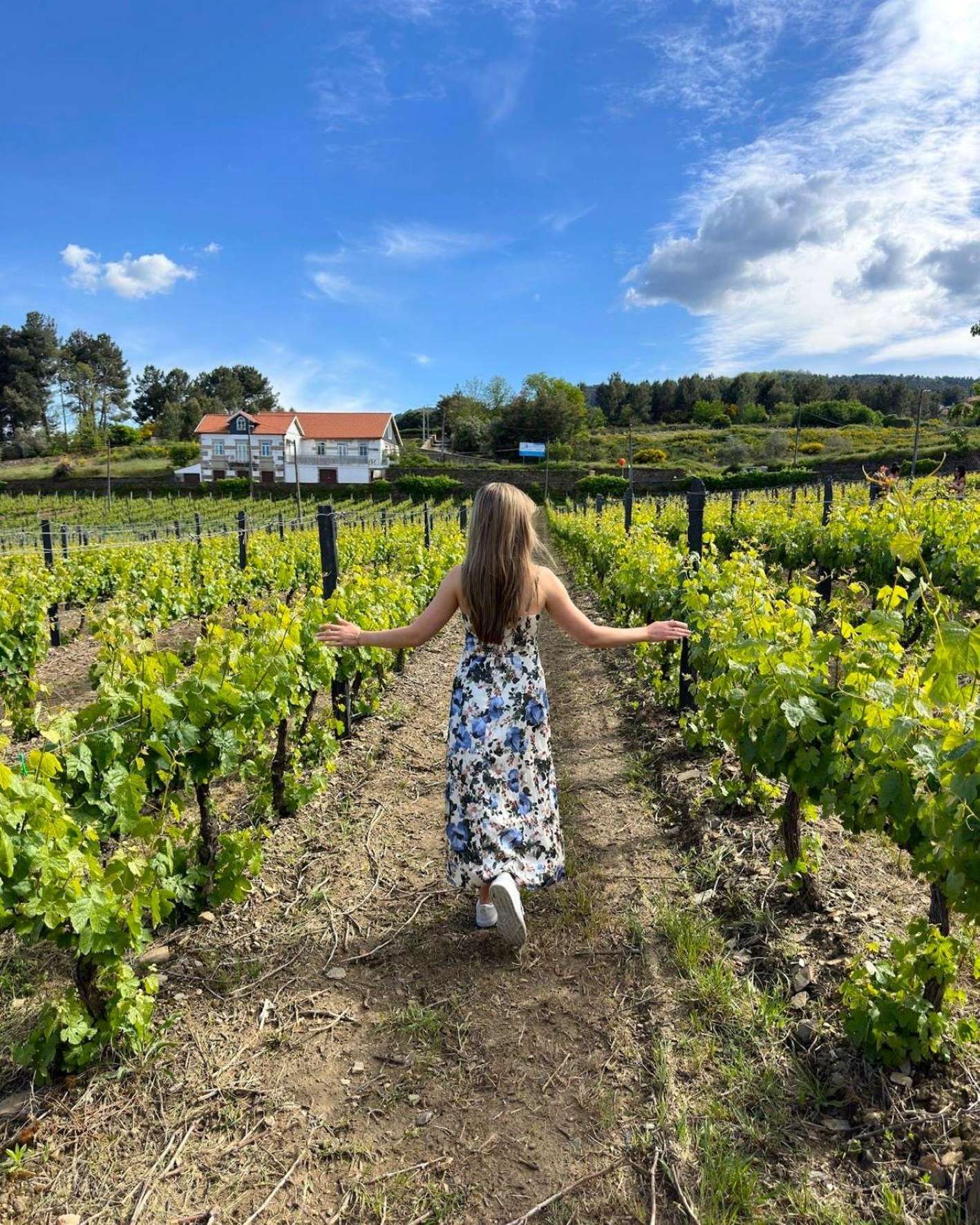
Late April through June buys the same terraces in green, with wildflowers and almond blossom on the banks, mild walking weather and thinner crowds than autumn.
April: 5 out of 5 for how busy it gets. Tour bookings surge into high season as pleasant 17°C valley temperatures make vineyard tastings and boat rides popular.
Tap a month to read it.
August: highs around 29.3°C. Summer crowds face the valley's hottest weather of the year, with daytime highs reaching 29°C and virtually no rain.
Tap a month to read it.
August: lows around 16.2°C. Summer crowds face the valley's hottest weather of the year, with daytime highs reaching 29°C and virtually no rain.
Tap a month to read it.
October: 159 mm of rain. Tours remain popular for autumn foliage despite cooler 19°C days and the return of heavy autumn rains.
Tap a month to read it.
July: highs around 24.6°C. Tours stay busy as summer heat peaks at 28°C under dry, sunny skies that are significantly hotter than the coast.
Tap a month to read it.
July and August run several degrees hotter inland than coastal Porto, with rain almost gone, which is why tastings move into shaded rooms and morning cruises beat afternoon ones.
Tuesday and Wednesday see the fewest estate crowds; Saturdays the most. Winter is quiet and cold, some quintas shorten hours, and the locks close, though short local sailings around Pinhão keep running.
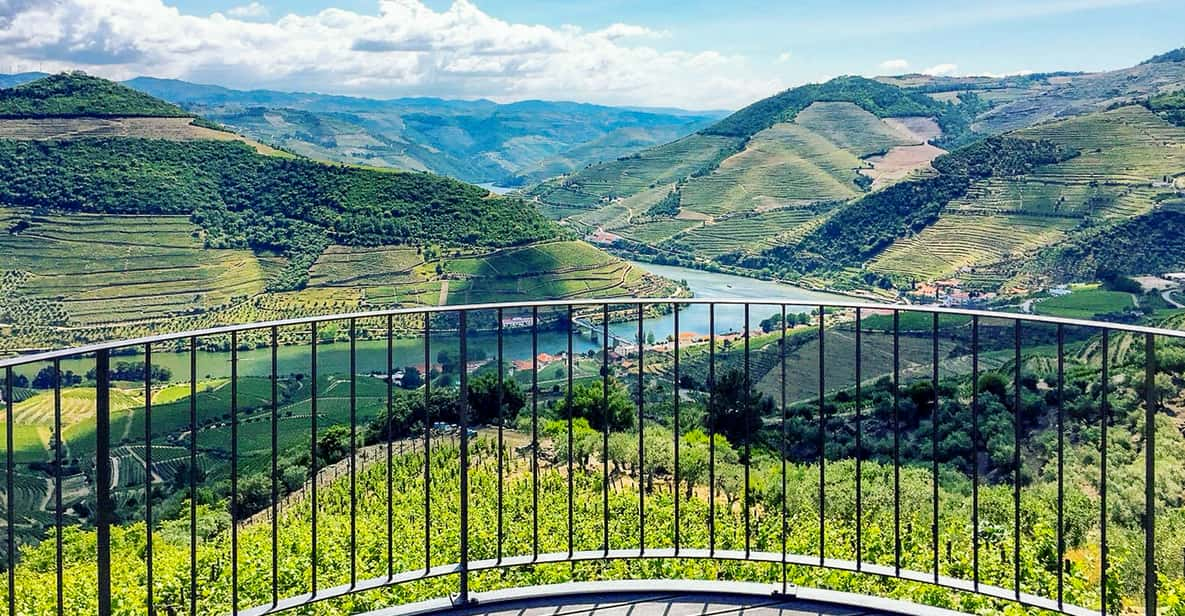
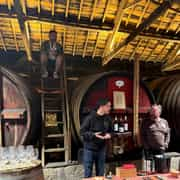
Shoes decide half the day. Estate paths cross steep schist terraces and stone steps, so wear sturdy flat walking shoes with grip; flip-flops and smooth soles struggle on gravel and wet stone. Cellars stay cool even in August, which is one reason a light layer earns its place.
The valley runs 3.5 to 4.7 degrees hotter than Porto in summer, with long unbroken sun on open decks and viewpoints. Sunscreen, a hat and a water bottle are not optional there.
On the road, the N222's curves are the part sensitive stomachs remember; good drivers announce the twisty stretches in advance, but pack motion tablets if roads get to you. A windproof layer covers the breeze on the river.
Know the edges before you book: under-18s cannot drink at tastings, most tours list wheelchair users and visitors with mobility impairments as unsuitable because of stairs and uneven ground, and some tours require a passport or ID.
Tipping is optional and cash is preferred; a sommelier who goes beyond earns it, skippers do not expect it.
Same outfit, different day: sun protection matters more once you leave the coast
The early sitting protects the afternoon cruise and the drive back
On-board bars and kiosks frequently do not take cards
Good guides flag the winding stretches of the N222 before they arrive
Packed like that, the day runs on rails. Miss one of them and the missed one is the thing you remember.
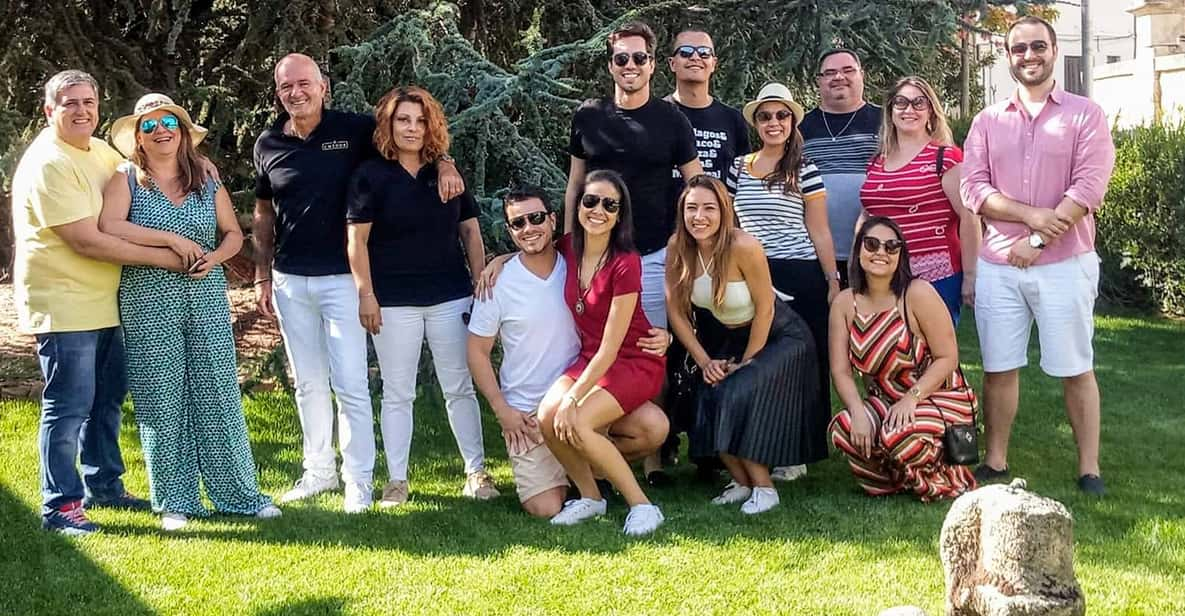
Douro days bend; they rarely break. Tours run rain or shine, and the wet-weather plan is already built in: tastings and lunch shift into barrel cellars and covered dining rooms, and the cruise continues on covered boats or with indoor seating.
The river itself can force a bigger change. Strong currents, storms and high water bring sudden itinerary changes, shortened sailings or cancellations, and an operator may replace the boat with an indoor activity when sailing is unsafe. Ordinary rain and cold do not stop the rabelos.
The exit stays open on your side too. Cancel up to 24 hours ahead for a full refund, so a doubtful forecast costs nothing to wait out.
| If this happens | What happens then |
|---|---|
| Heavy rain arrives | Vineyard walks move into barrel cellars and covered tasting rooms |
| Sailing becomes unsafe | The cruise is replaced with an indoor activity, or a date change or refund |
| You cancel a day ahead | Full refund, up to 24 hours before departure |
| Storms or high river flow | Operators substitute land activities or rebook the sailing |
Weather is the smallest risk on this trip. The booking itself, made early, is what actually protects the day.
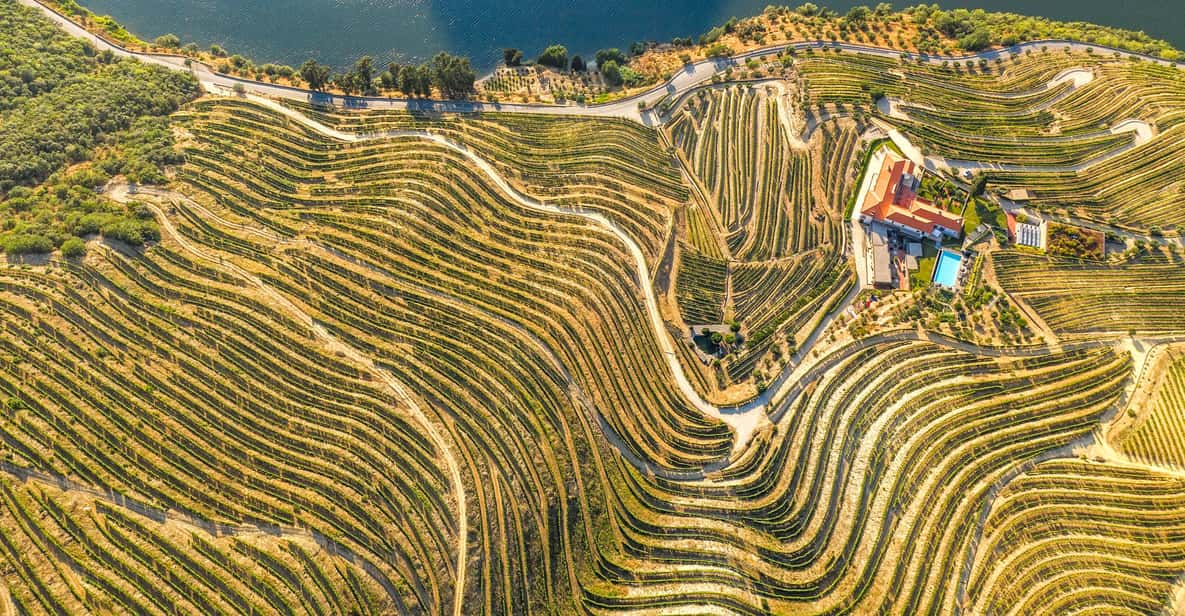
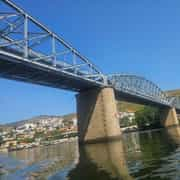
The quay has more around it than a gangway. Within a 5-to-20-minute walk of Cais do Pinhão stand the 19th-century train station, its walls covered in azulejo panels of vineyard harvests, and the 1906 iron bridge, walkable for river views.
Quinta do Bomfim and Quinta das Carvalhas sit close enough for a tasting before or after the boat.
Food waits within 300 metres too: Restaurante Douro Bites, Rabelo Restaurante, Taberna do Rio, Veladouro and Vale do Tábua Wine & Tapas line the waterfront and the streets behind it.
Back in Porto, the day has an evening coda if you want it. Across the river in Vila Nova de Gaia, the historic Port lodges line the hillside, and the upper deck of the Luís I bridge, 60 metres above the water, carries the best free view in the city.
Jardim do Morro at the Gaia end is where the sunset crowd gathers, a fitting last look at the river you spent the day on.
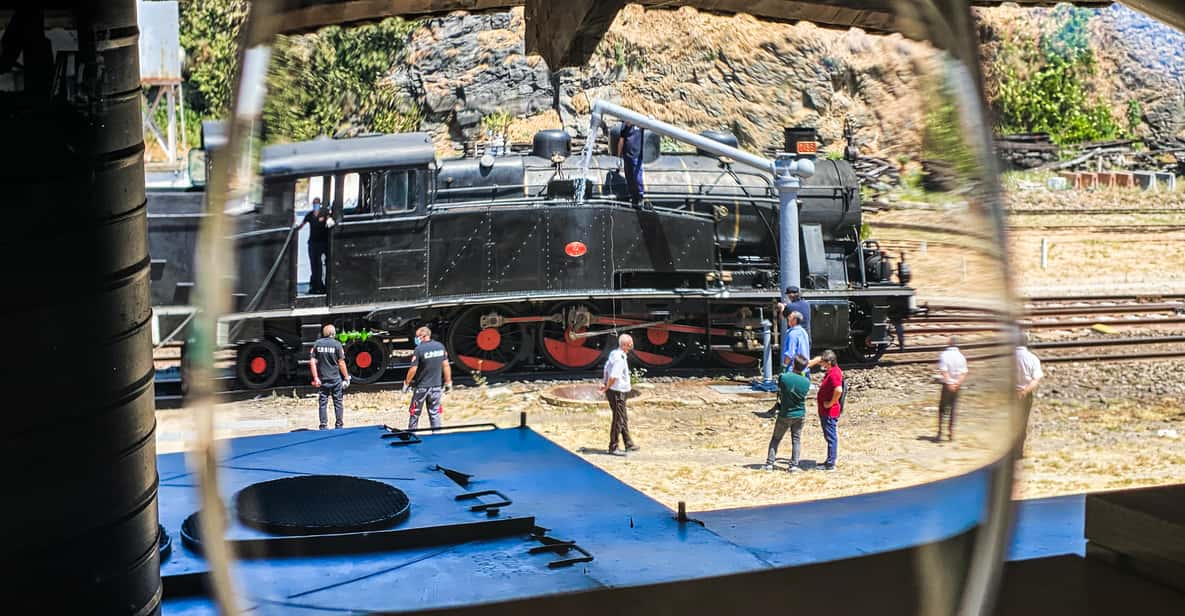
The verdict comes down to what the day owes you. With three days in Porto, the valley makes a strong third day; with only two, stay in the city, because Porto needs two full days and the trip costs more than nine hours.
And forget doing it from Lisbon: the round trip eats seven and a half hours of driving alone before a single tasting.
Take a tour if you want the tastings, the viewpoints and someone else handling the hills, appointments and lunch. One focused day is a genuine taste of the valley; two nights at a quinta is better still if the schedule allows.
Go alone if you have booked a quinta ahead, like setting your own pace, and are happy with water-level views from the train and a walk-in plan at Pinhão's walkable estates.
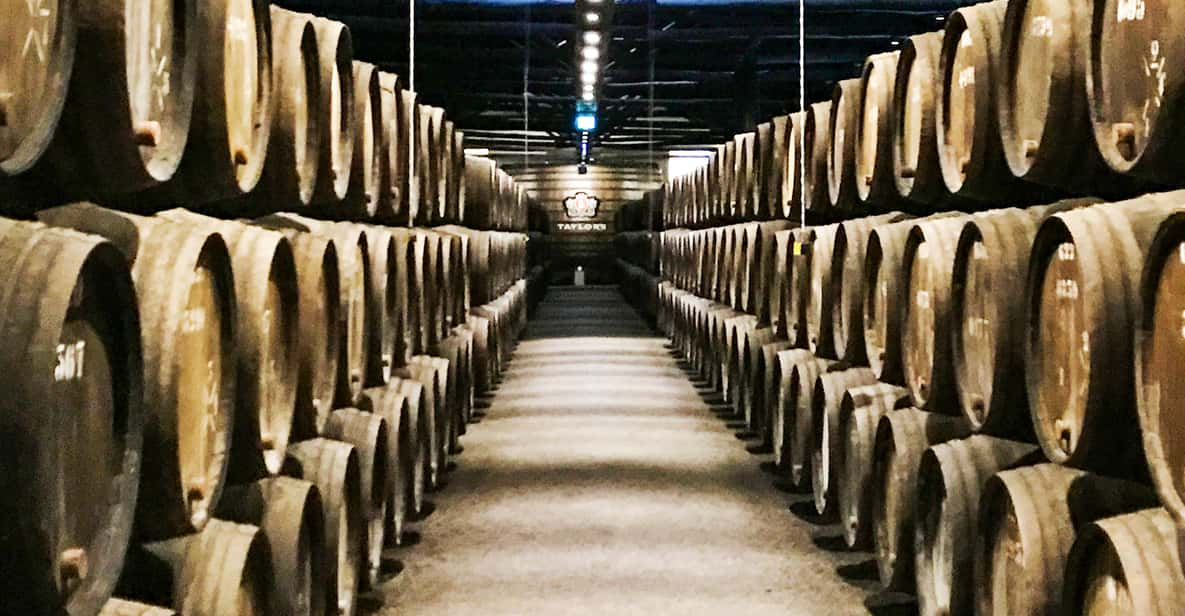
With three days in Porto, this trip is worth the day; with two, it is not. Wine lovers and anyone who wants zero logistics should take a van-and-boat tour, which bundles the cruise, tastings and lunch. Confident self-planners with a pre-booked quinta do well on the train to Pinhão.
On these day tours it does not. You travel into the valley by van, usually about an hour and a half, and board the boat there, most often at Pinhão. The cruise itself runs about an hour along the vineyard-lined stretch of river.
Meeting points cluster around the city center: next to Porto Cathedral at Calçada da Vandoma, in front of Palácio da Bolsa, near Trindade Metro Station, and in front of Teatro Sá da Bandeira, among others. Many tours also offer hotel pickup across central Porto if you choose that option.
Count on roughly an hour and a half each way. Peso da Régua sits about 85 minutes from central Porto without traffic, and Pinhão, deeper in the valley, takes about another 35 to 40 minutes along the scenic N222 road.
The river segment lasts 50 minutes to an hour on most day tours. The rest of the 8 to 10 hour day goes to the drive, one or two winery visits, tastings, and lunch. You get real river time, but it is one part of a fuller itinerary.
The N222 between Peso da Régua and Pinhão has 93 bends in 27 kilometers, so it is a fair worry. The curves are gentle at a slow pace, drivers give heads-ups before the twistier segments, and sensitive travelers do well to bring motion-sickness medication.
A rabelo is the traditional flat-bottomed wooden vessel once used to carry Port barrels downriver. It offers an open deck for small groups, usually 12 to 20 passengers. Modern cruisers have enclosed, air-conditioned cabins and cover from sun and rain, but hold far more people.
Mid-September to mid-October brings the grape harvest, with hand-picking on the terraces and hillsides turning amber and red. For green vines and mild weather without the harvest rush, late April through June works well.
With three days in Porto, yes. The valley works well as your third day, especially if wine and scenery drew you to Portugal. With only two days, keep them for the city, since Porto needs two full days for its essentials and a valley tour takes nine hours or more.
It depends on the tour. Some cruises and small-group boat options include a live guide or audio commentary, while certain day packages let the scenery speak for itself. Check the itinerary of the tour you are comparing.
The valley runs 3.5 to 4.7 degrees hotter than Porto in high summer, with average July and August highs near 28 to 29 degrees and intense sunshine. Wear light clothing, bring sunscreen and a hat, and carry water for the open deck.
It does. Vans capped at around eight passengers reach small family-run wineries on narrow hillside roads, while large coaches stick to valley towns and high-capacity estates. The smaller ride is also more comfortable on the winding roads.
Not on these tours. Cruises that start at Pinhão head straight upstream toward stretches like Tua or Romaneira without navigating any locks, which is one reason the sailing stays simple and scenic.
See the full range of Douro river cruise formats, from short wooden boat rides to multi-day sailings, in one overview.
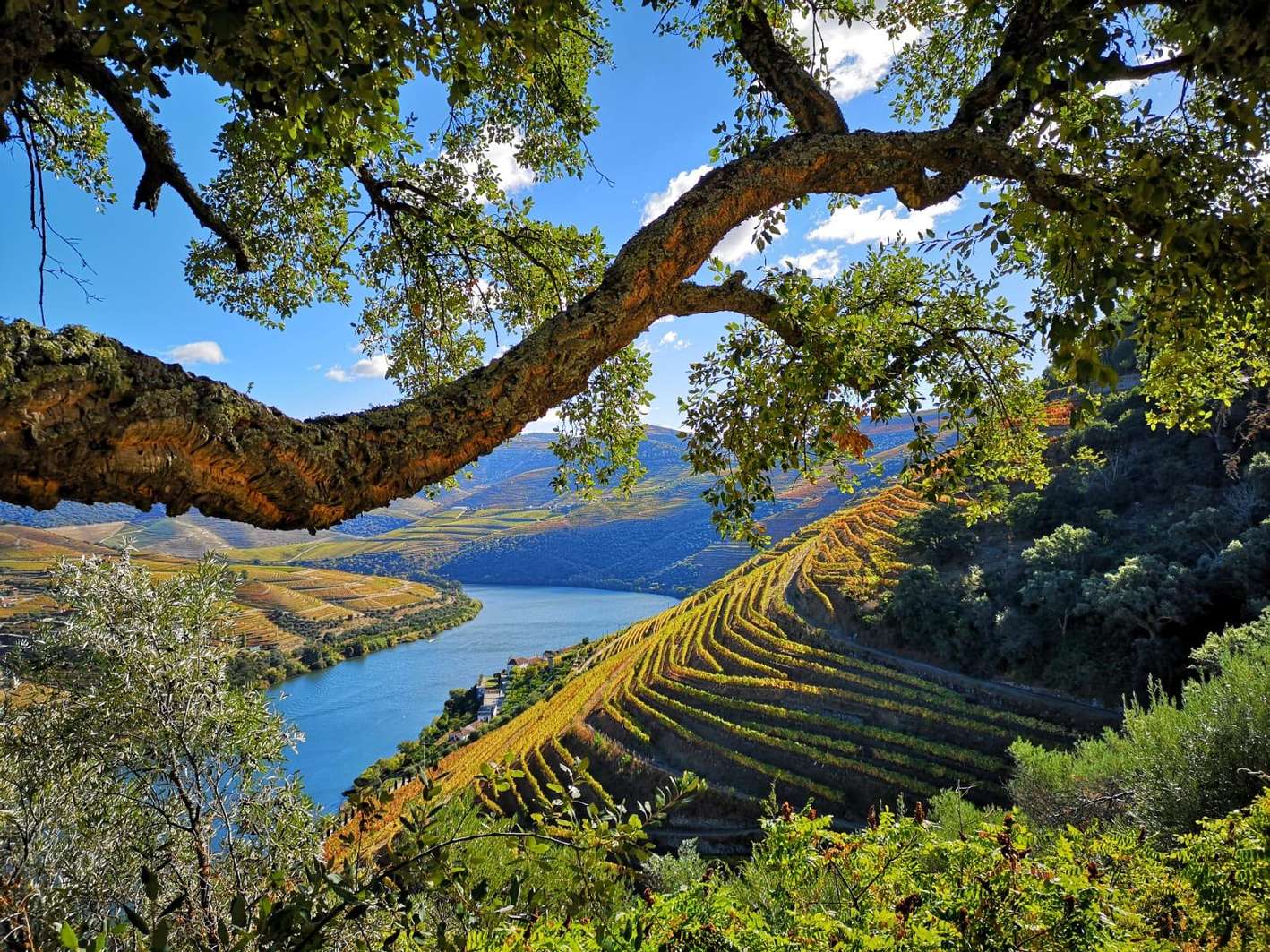
Short on time? These 1 to 4 hour sightseeing boat tours give you the terraced slopes from the water without a full day out.

If you want the whole day spent on the river itself, the full-day boat sailings page lays out those itineraries for you.
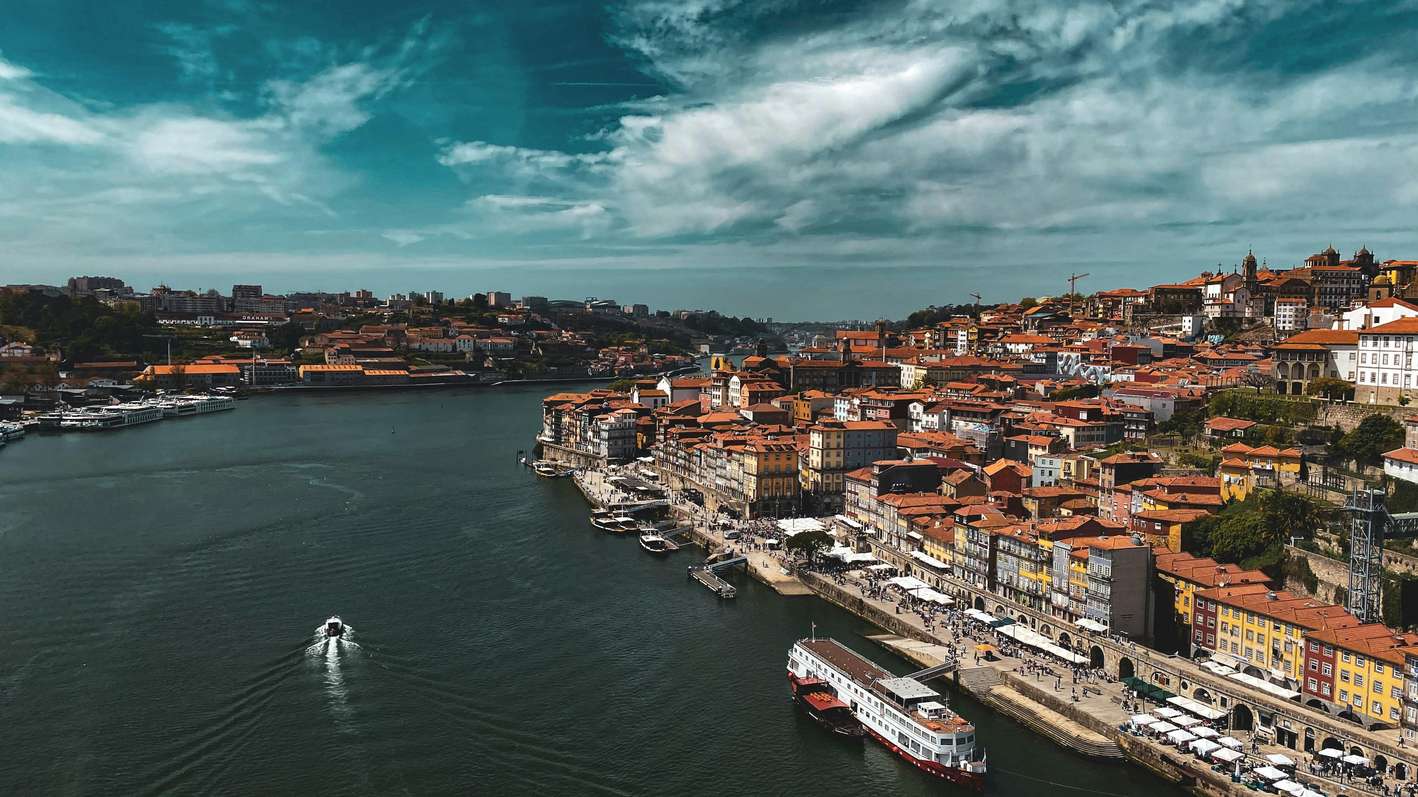
Slow the pace down with a 2 or 3 day river sailing, where you sleep aboard and watch the valley drift past each morning.
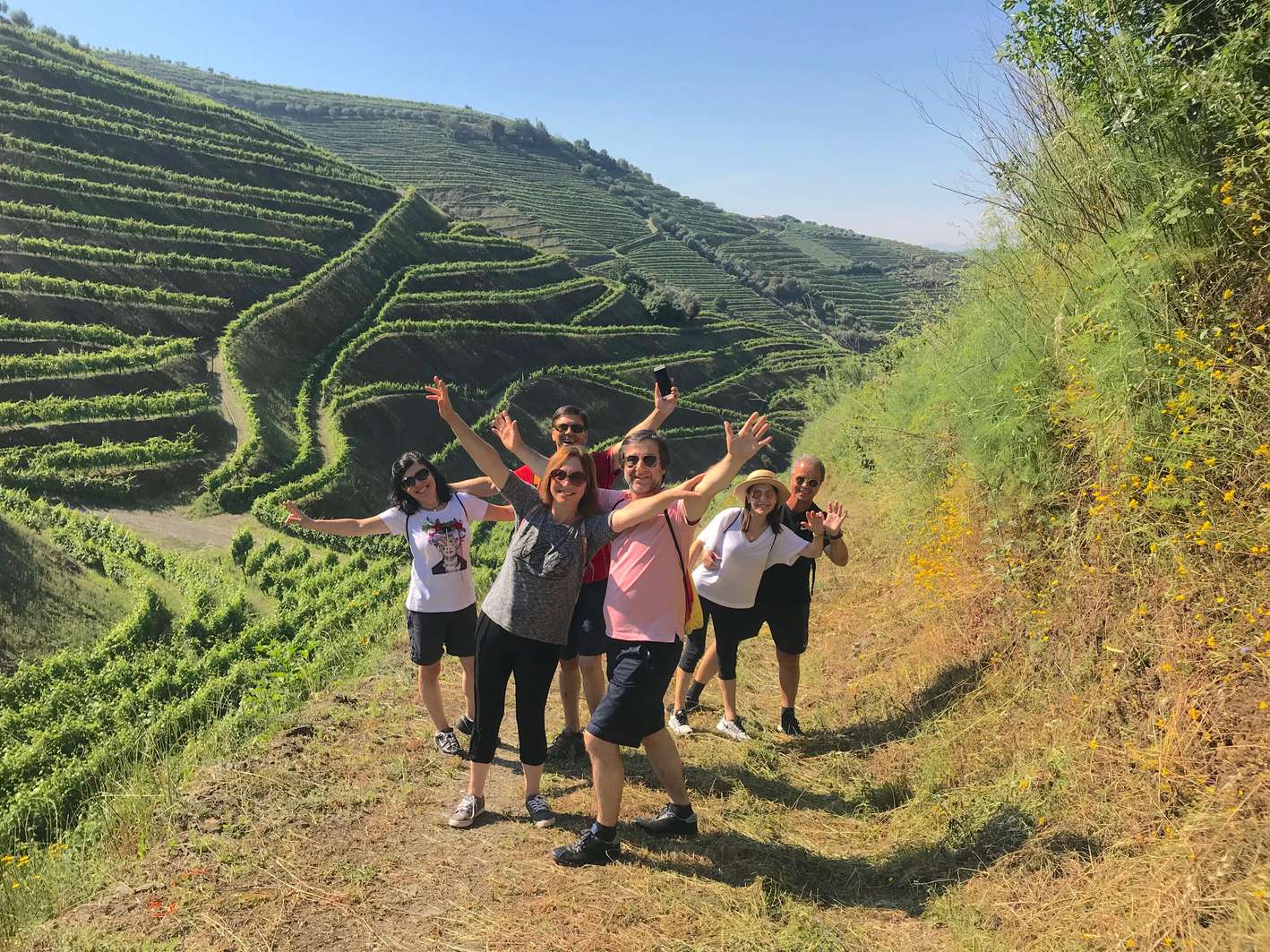
A 5 day wine itinerary from Porto shows how to combine river days, vineyard walks and tastings into one longer trip.
Already heading to Pinhão? That page covers the traditional boat departures leaving straight from the village quay.
Half day tours from Porto pair a short valley visit with wine tasting when a 10 hour day trip feels like too much.

Compare every day tour and day trip option from Porto side by side before you settle on one itinerary.
Stay overnight in the valley with a 2 or 3 night itinerary that trades the rushed return drive for a quiet estate evening.
Prefer dry land? Guided hikes and trail routes take you along the same terraced slopes you would otherwise see from the boat.
For a premium day, the luxury tour page covers prestigious estates, sommelier tastings and private yacht charters.
Travelling with children? That page sorts out which tours, boat rides and formats work for families with young kids.
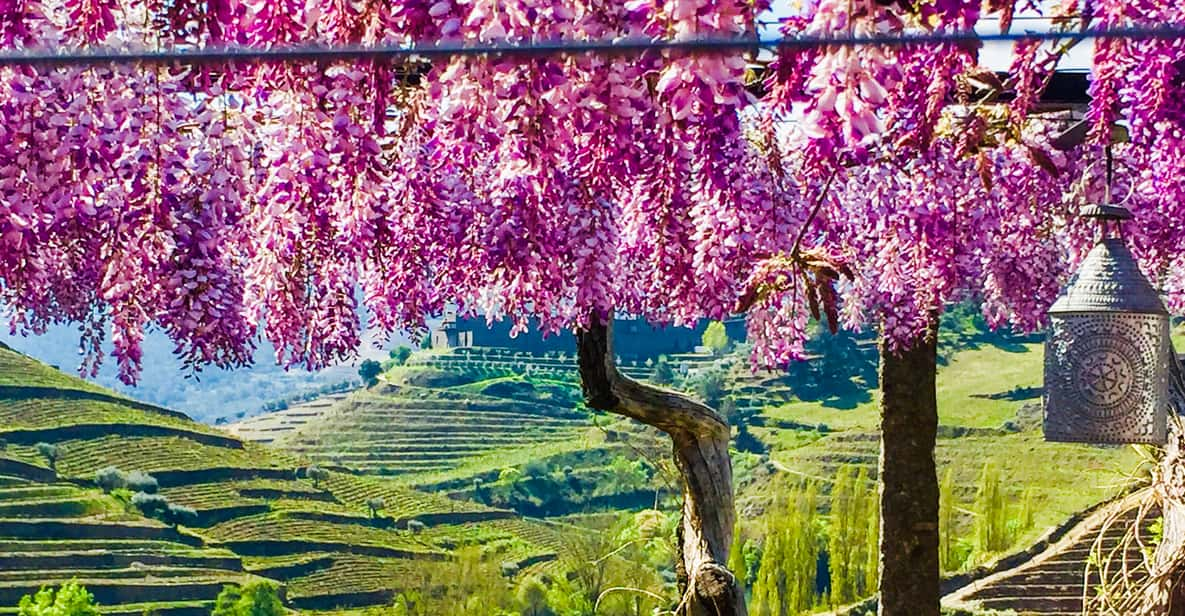
Cruise the Douro for an hour, taste Port at two estates and lunch in a wine cellar, with hotel pickup in Porto and free cancellation up to 24 hours ahead.