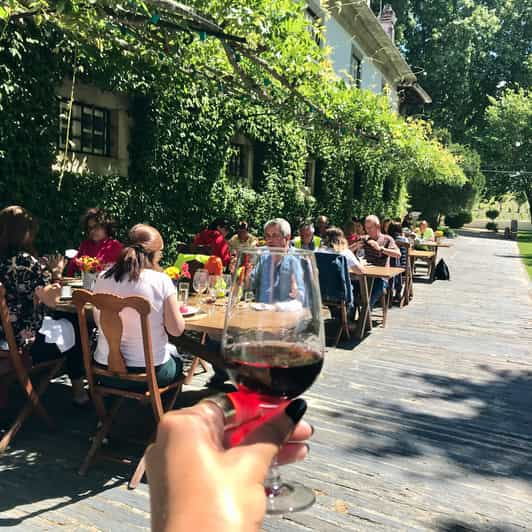
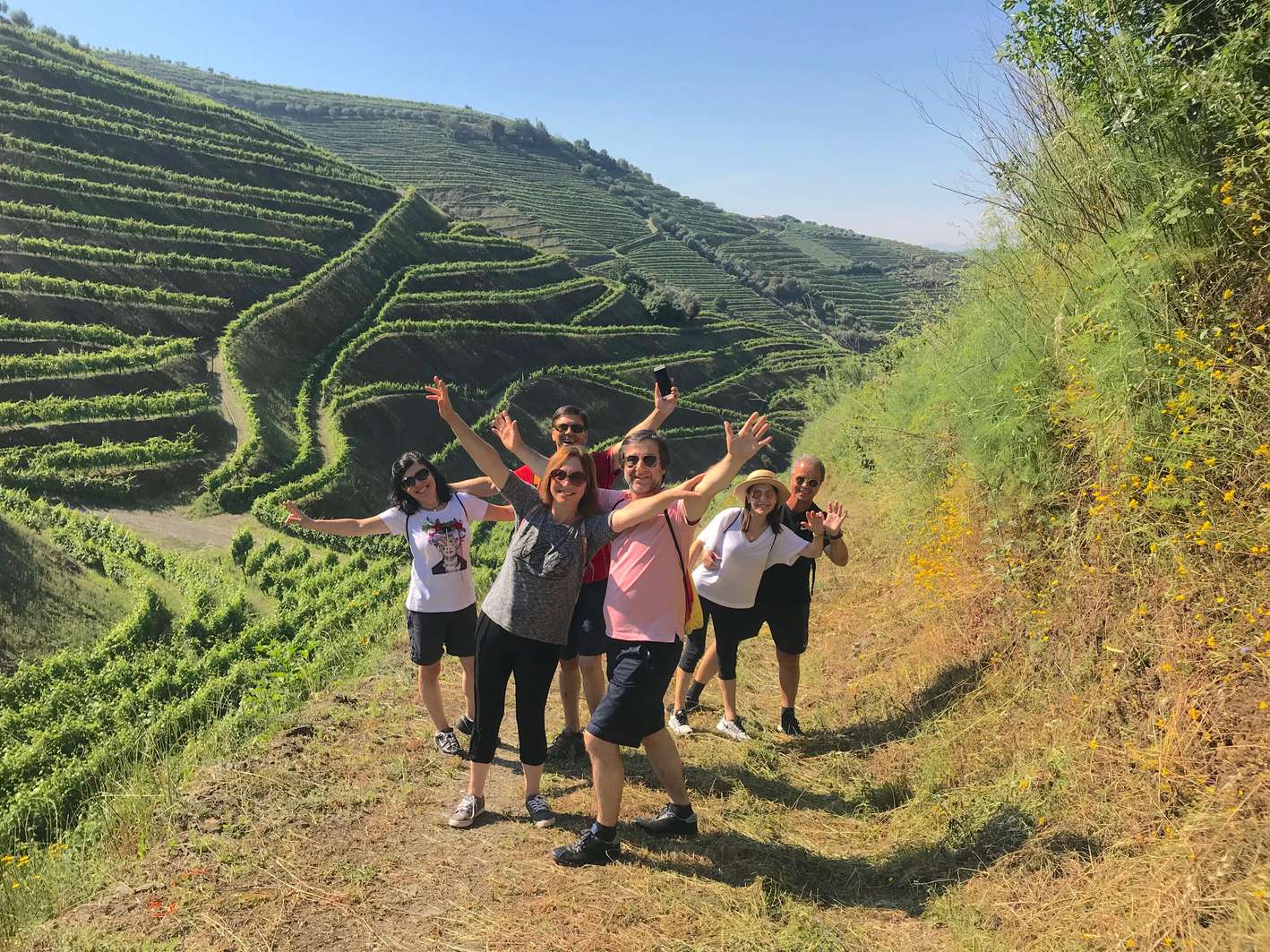
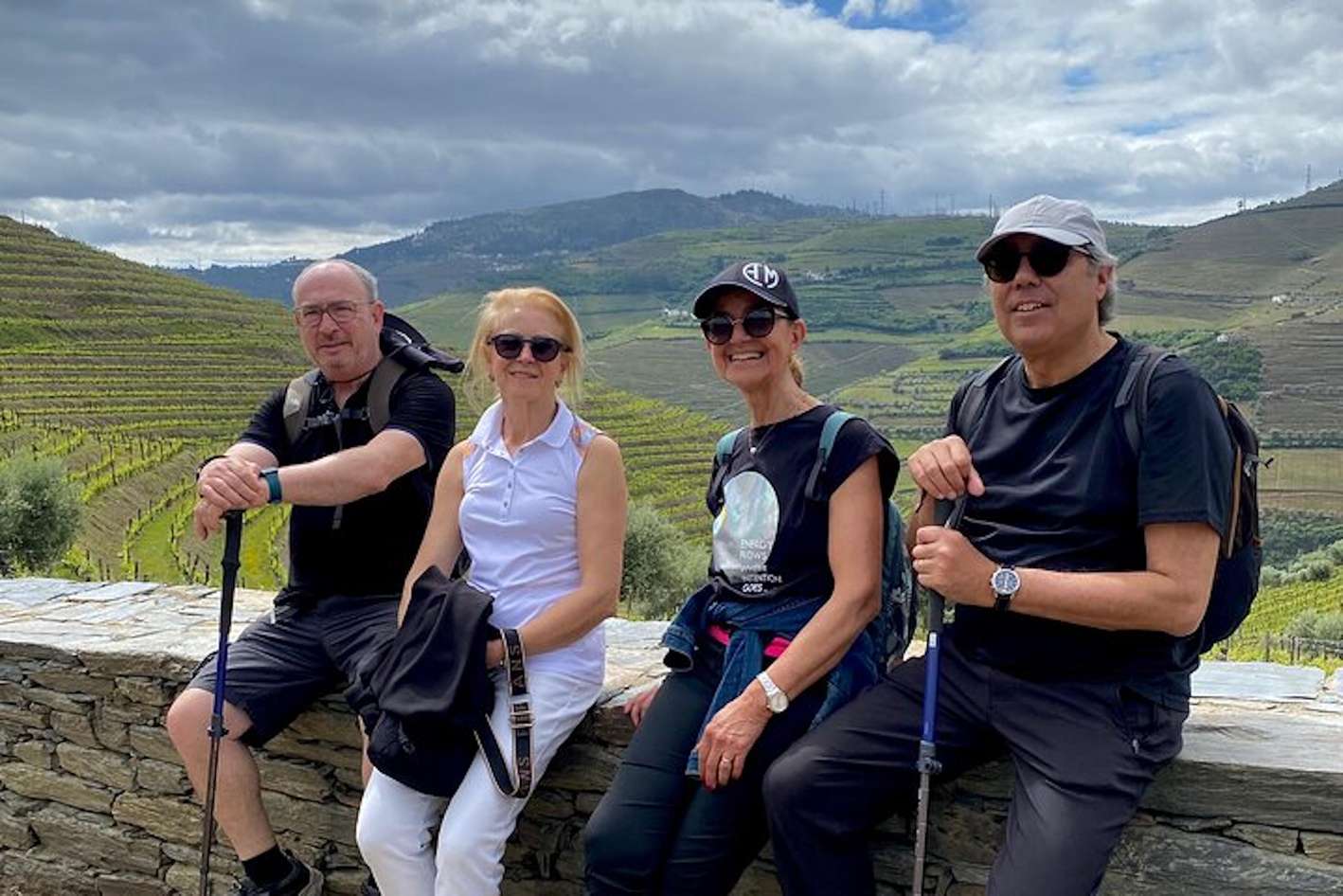
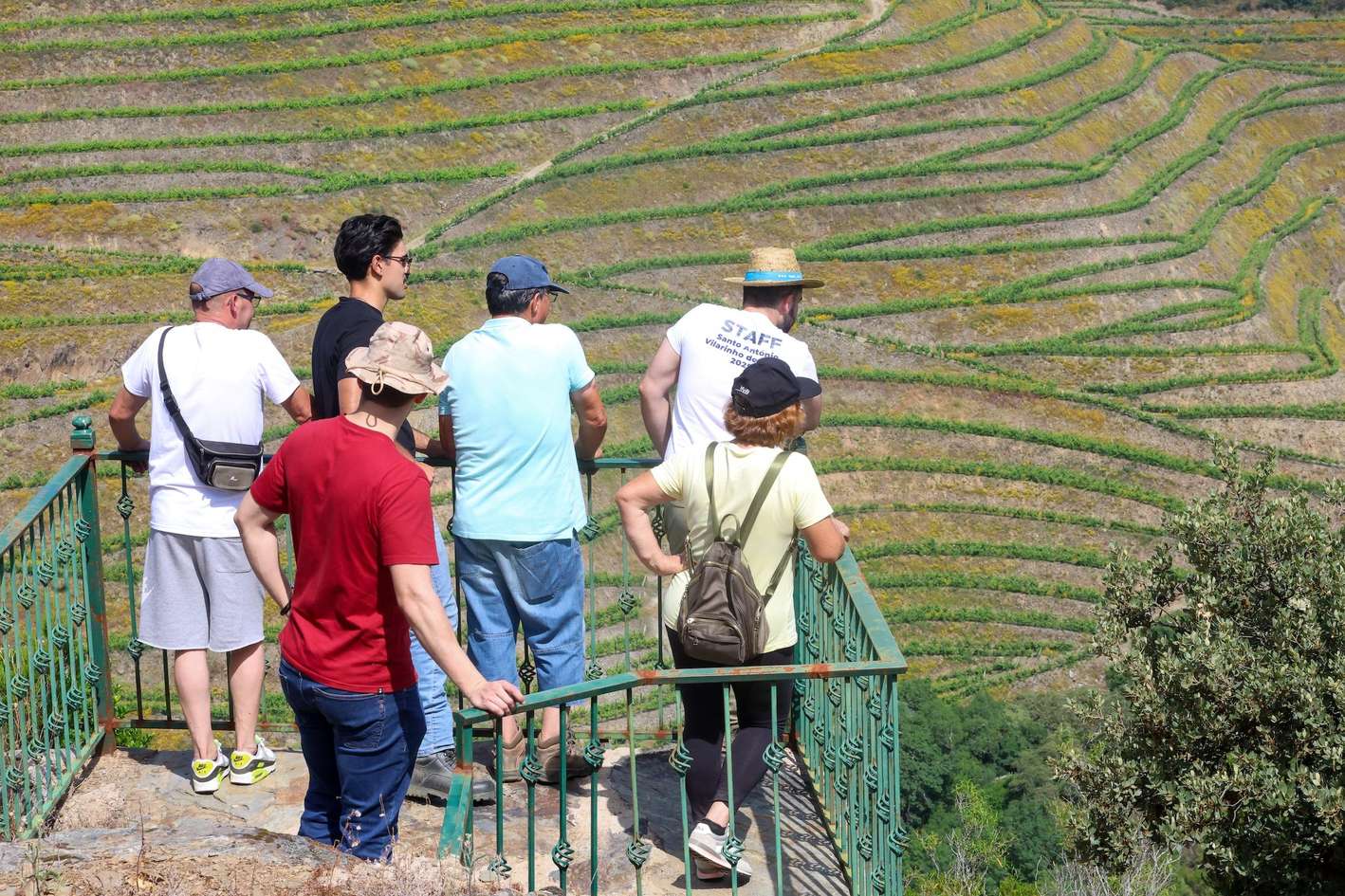
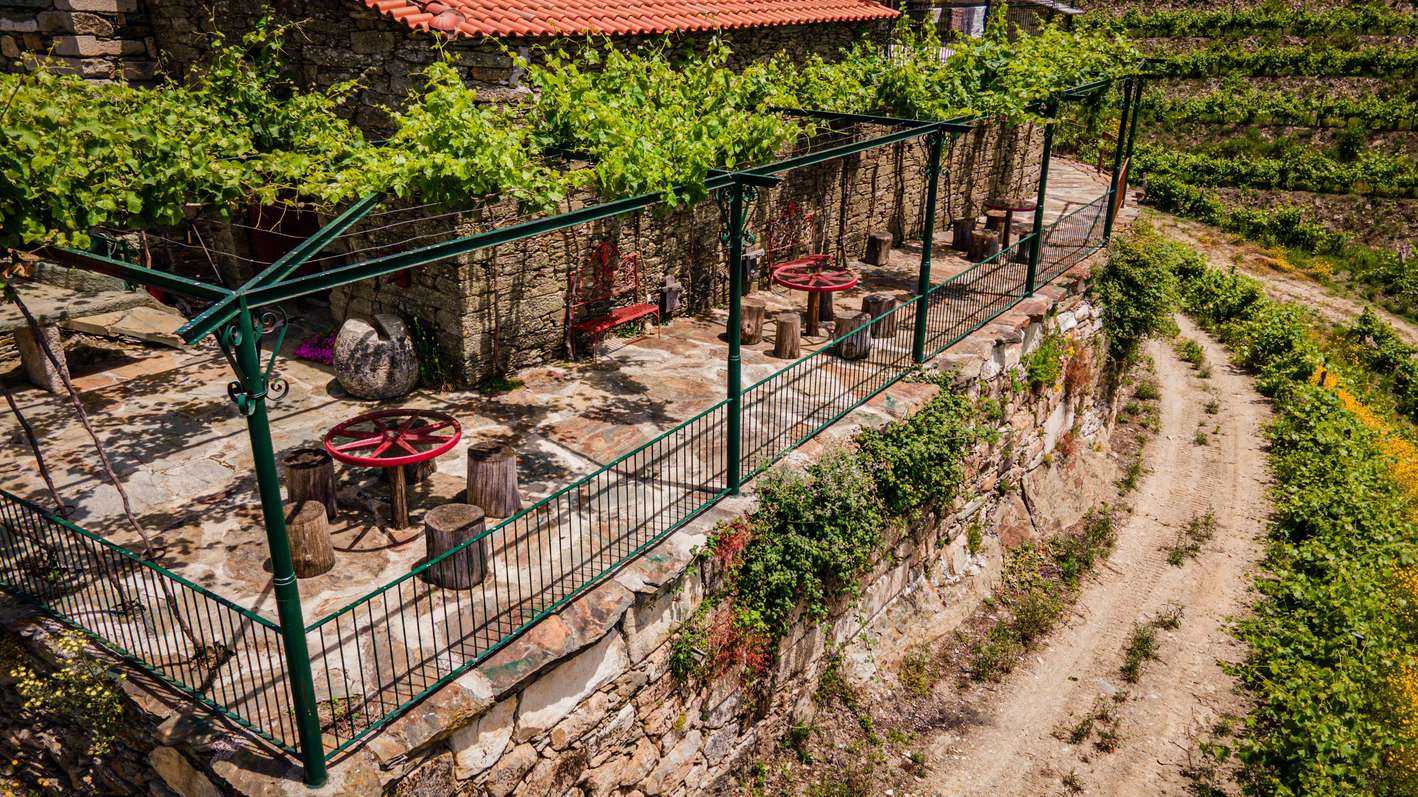
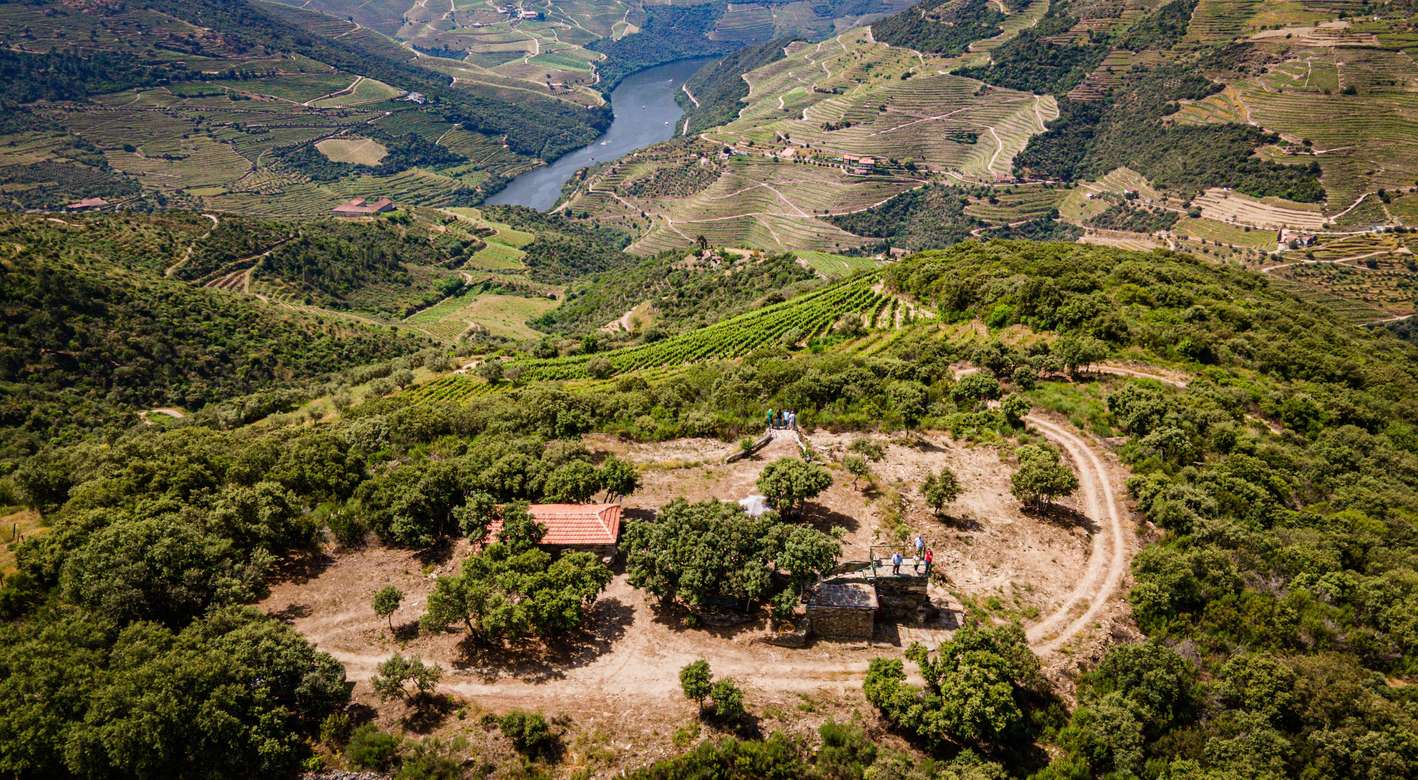
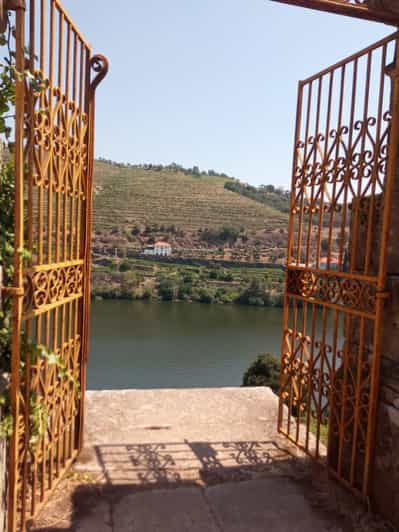
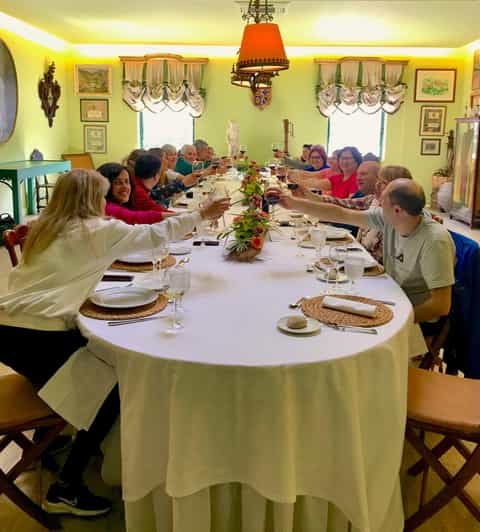
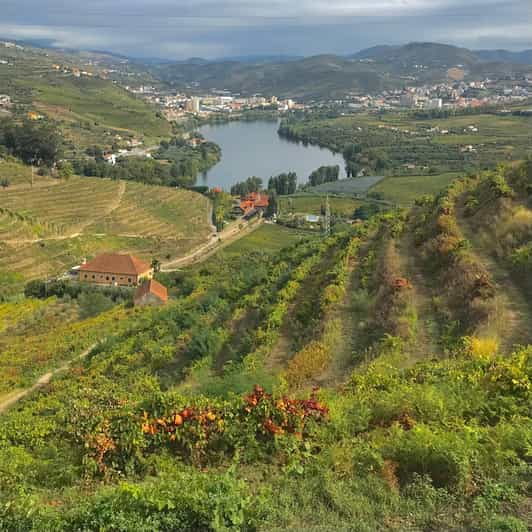
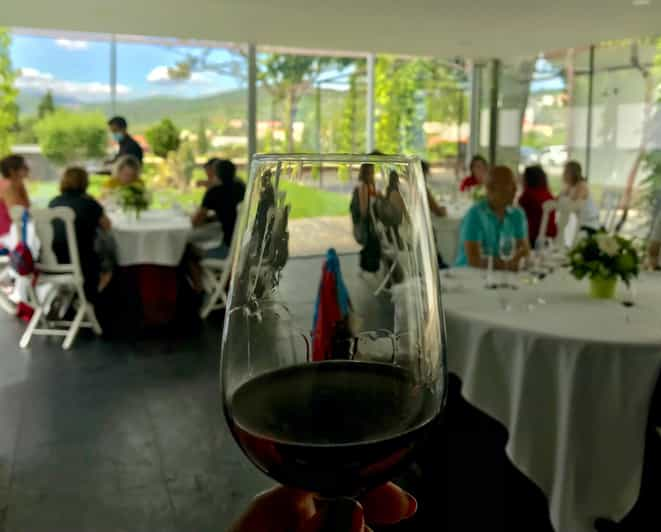
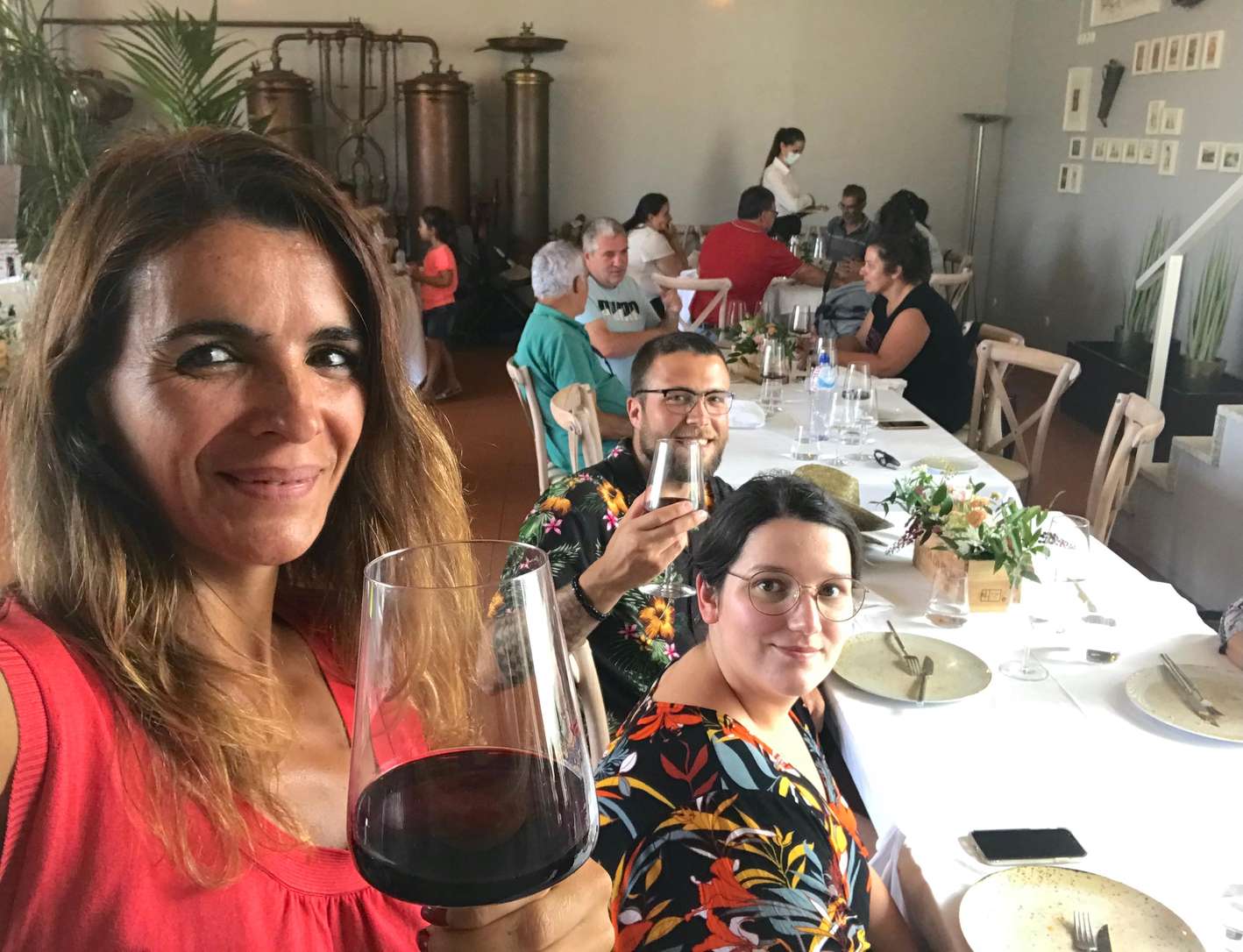
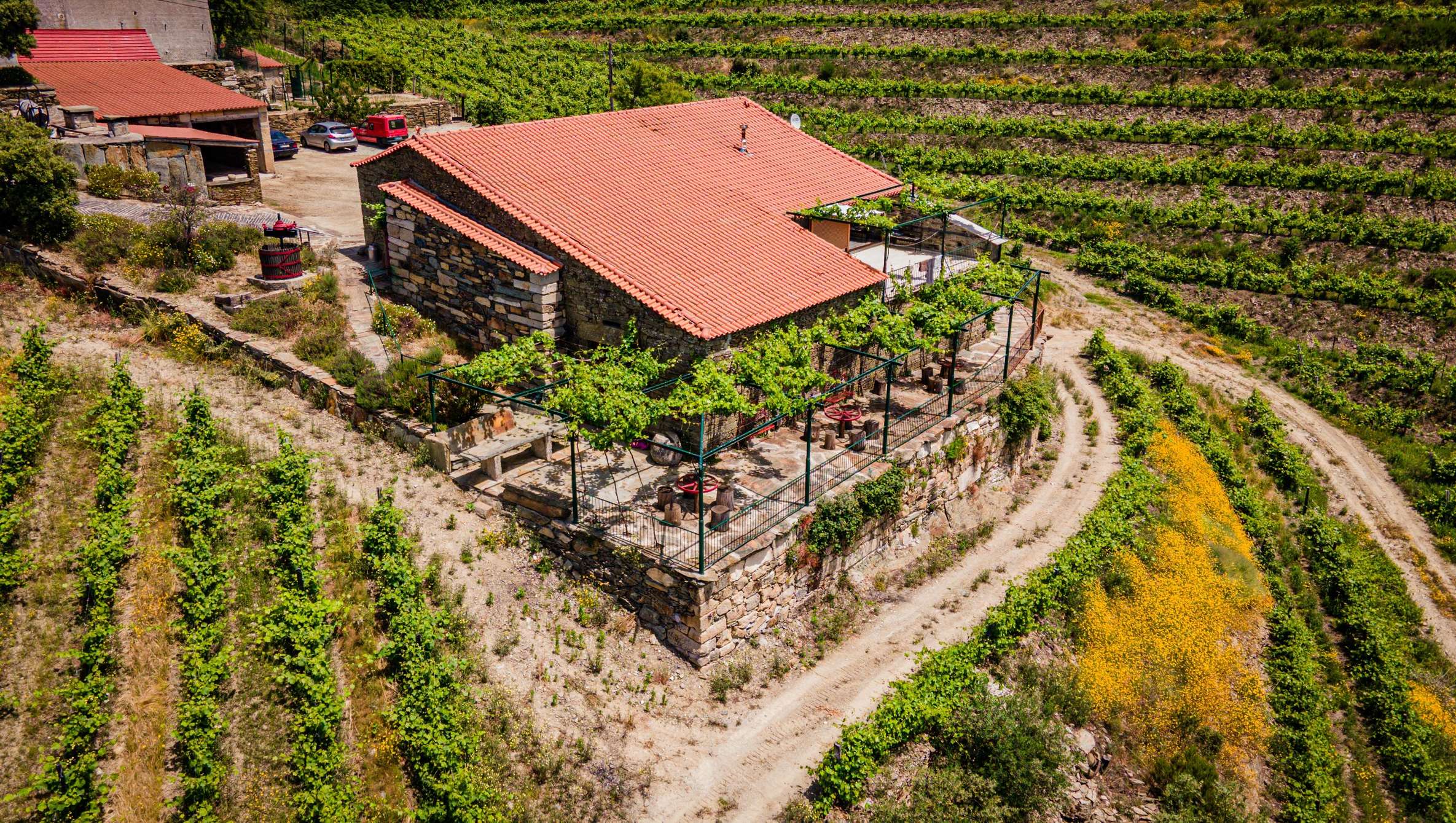
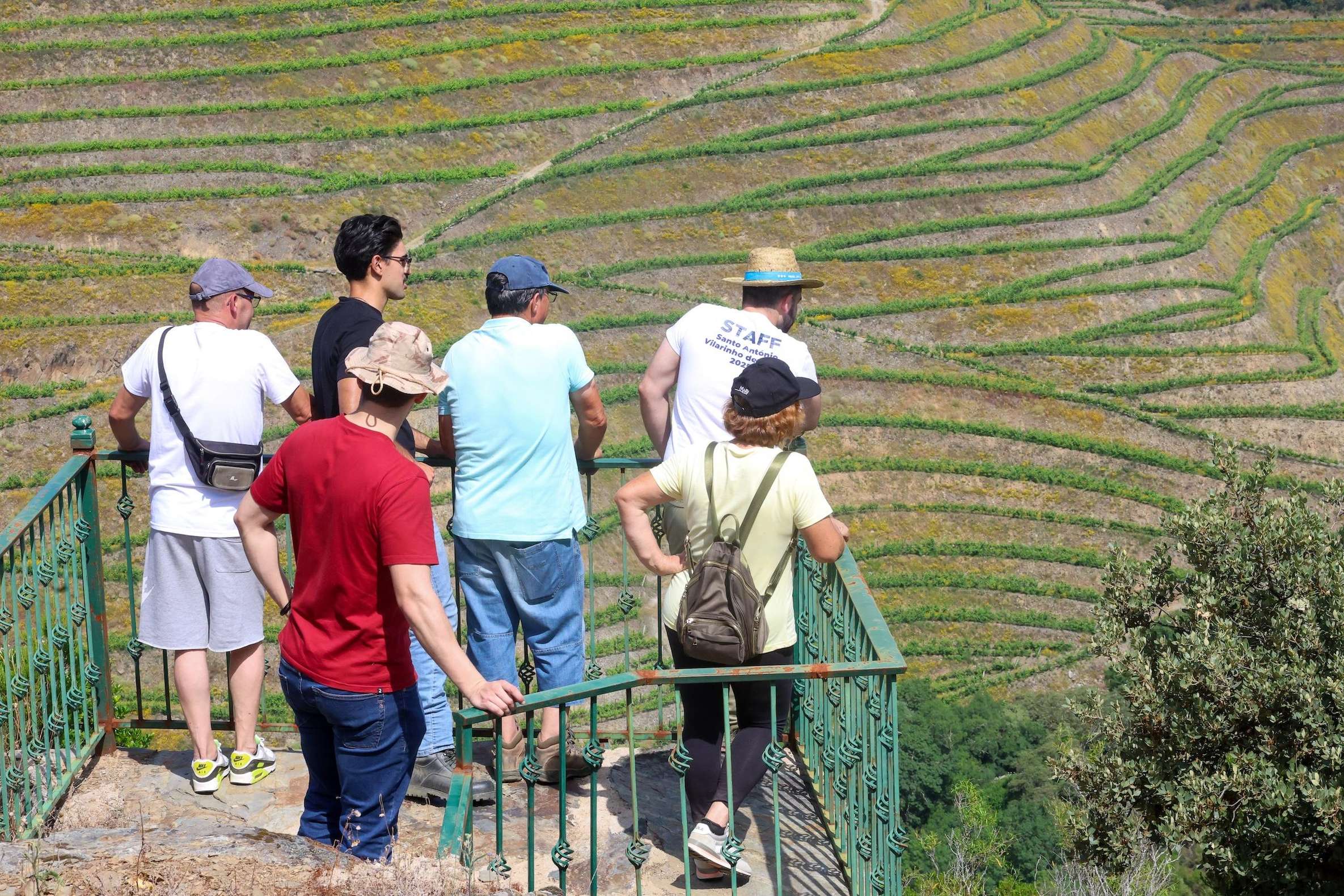
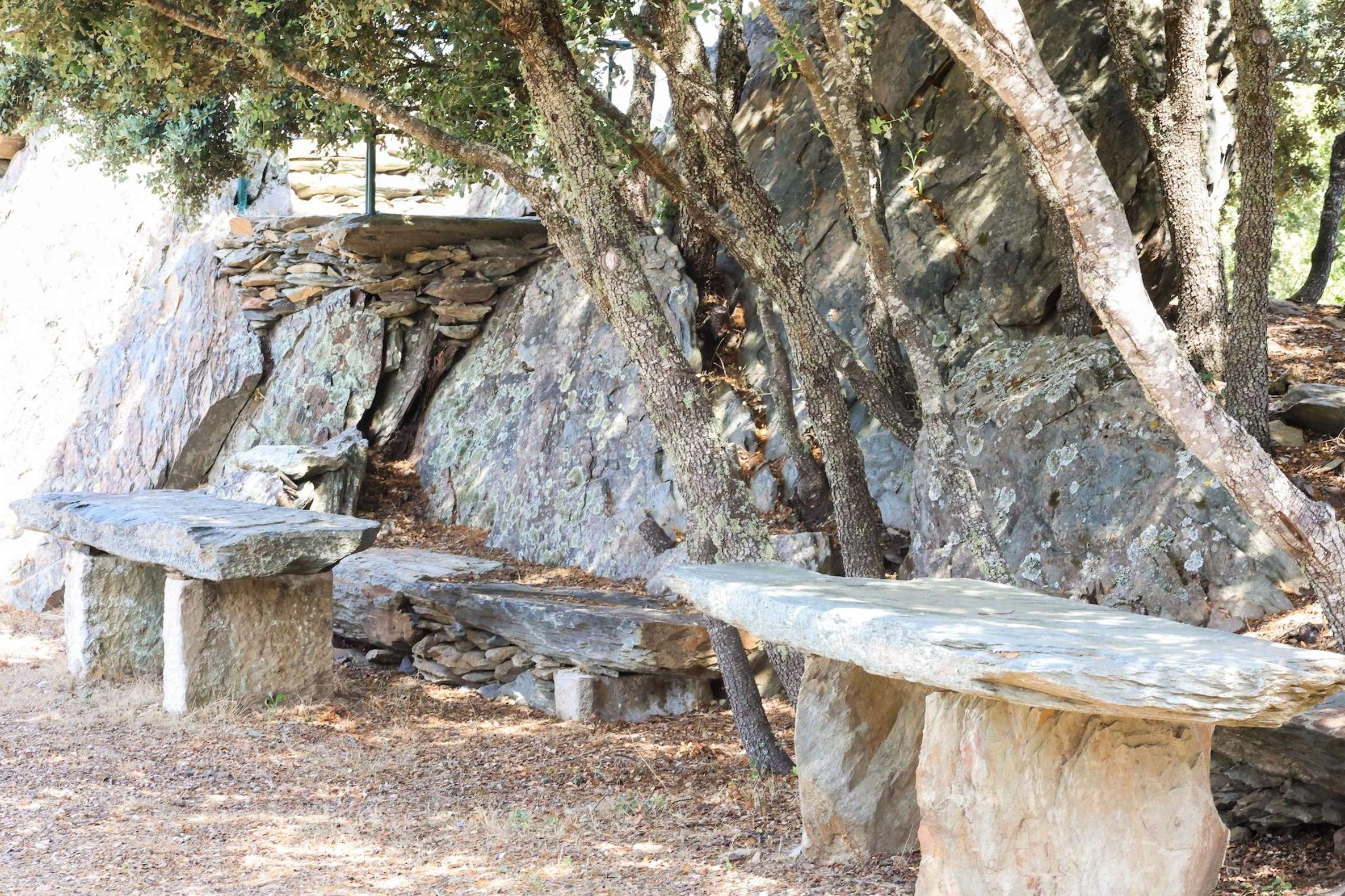
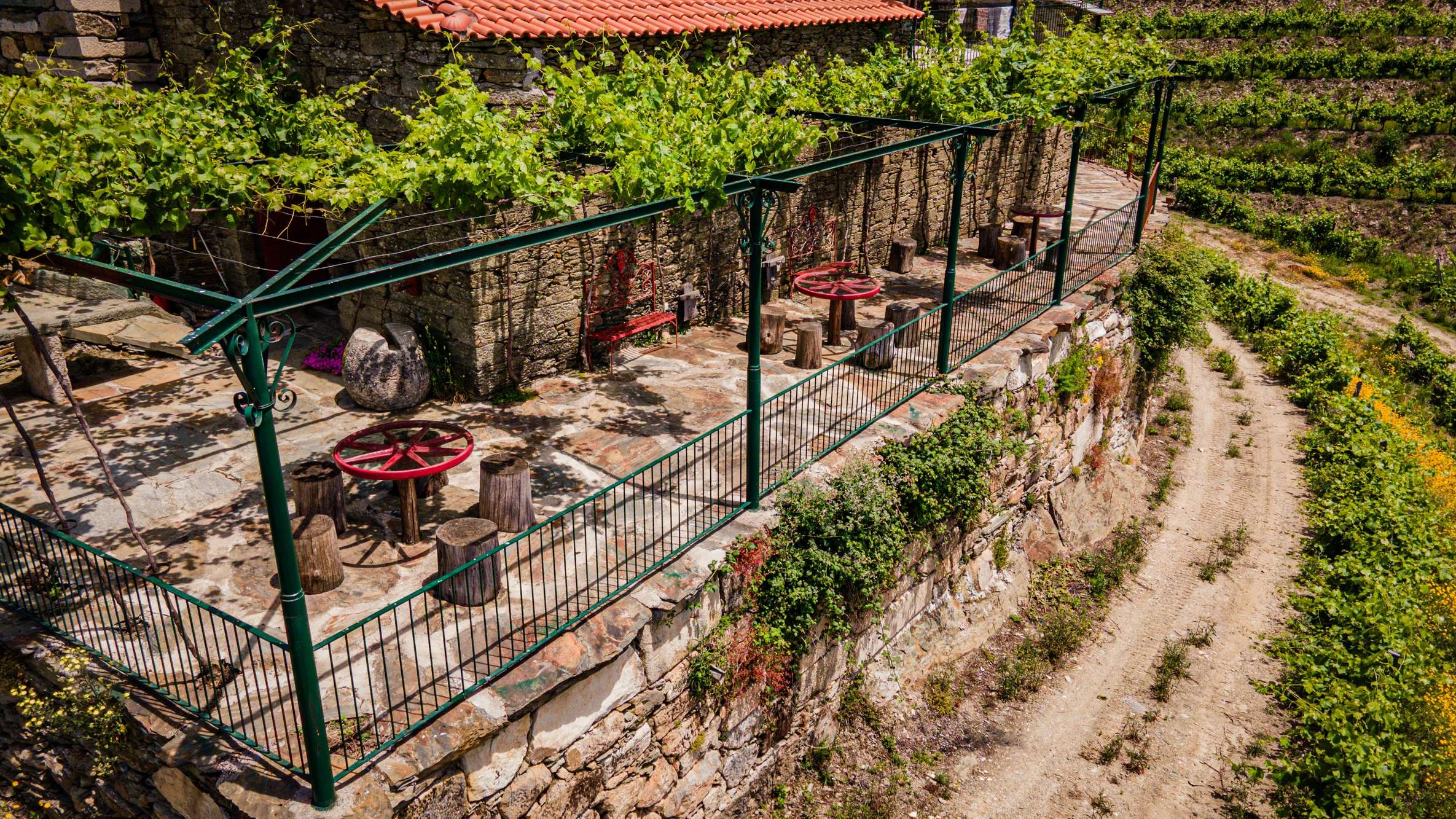
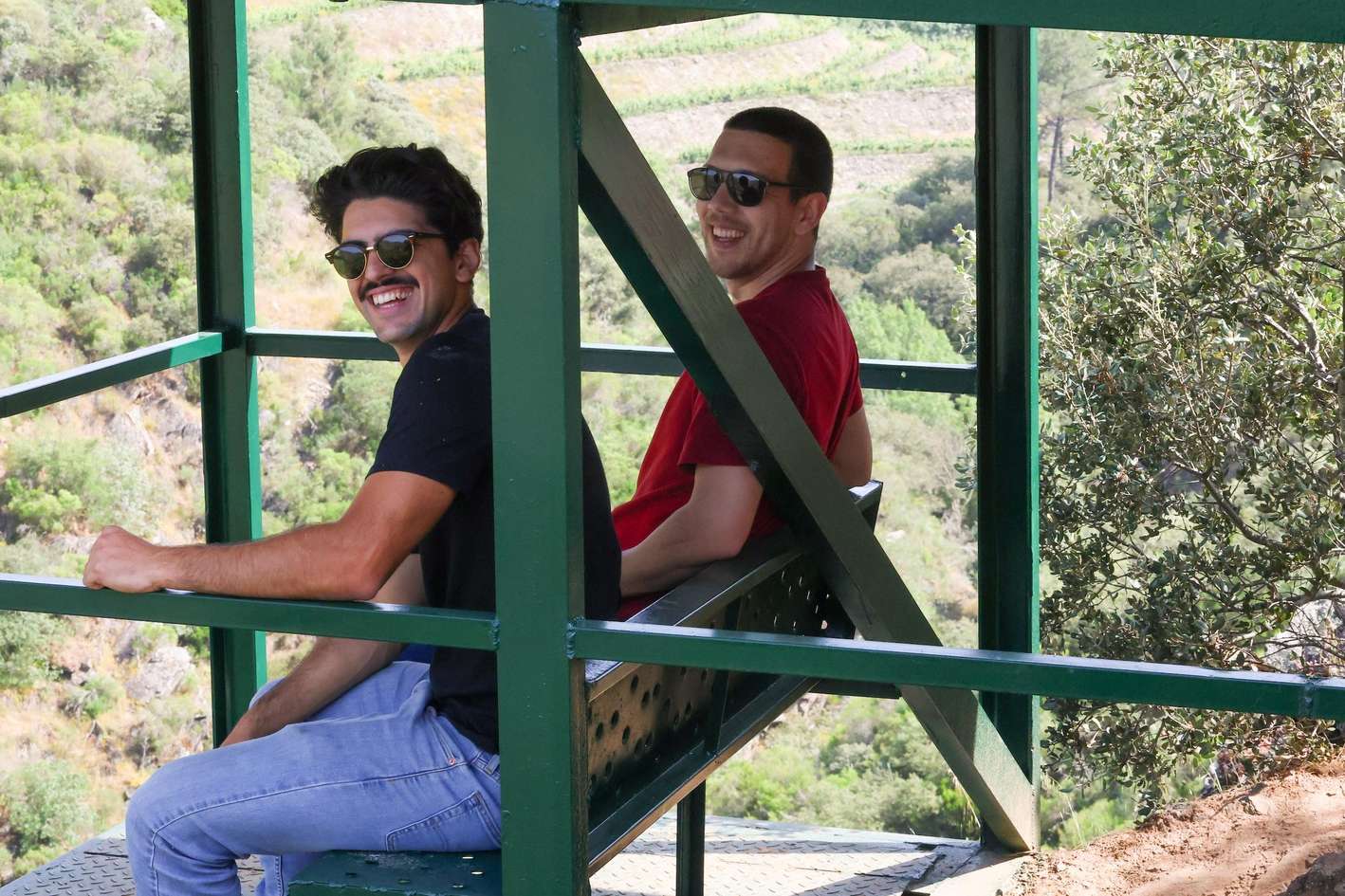
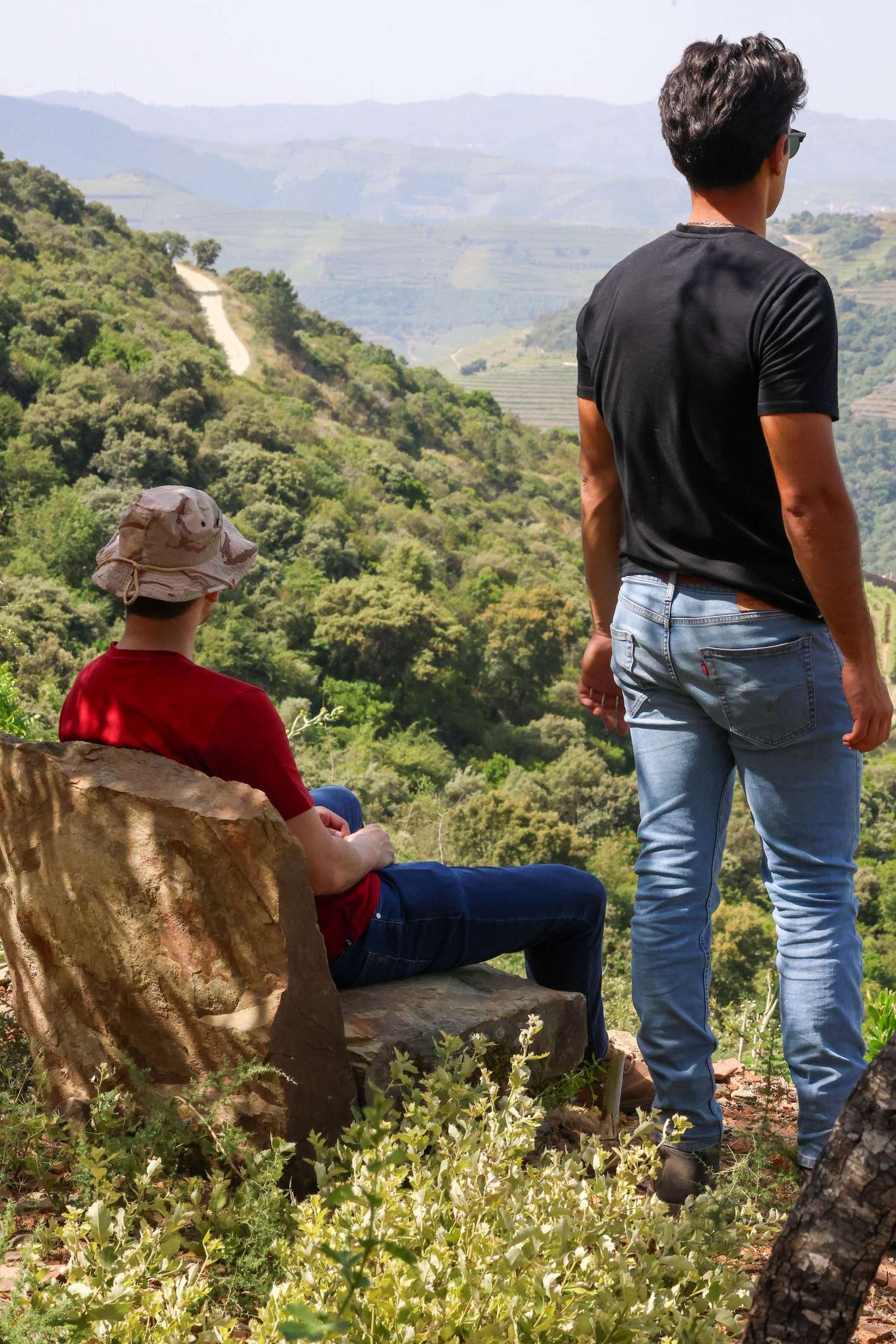
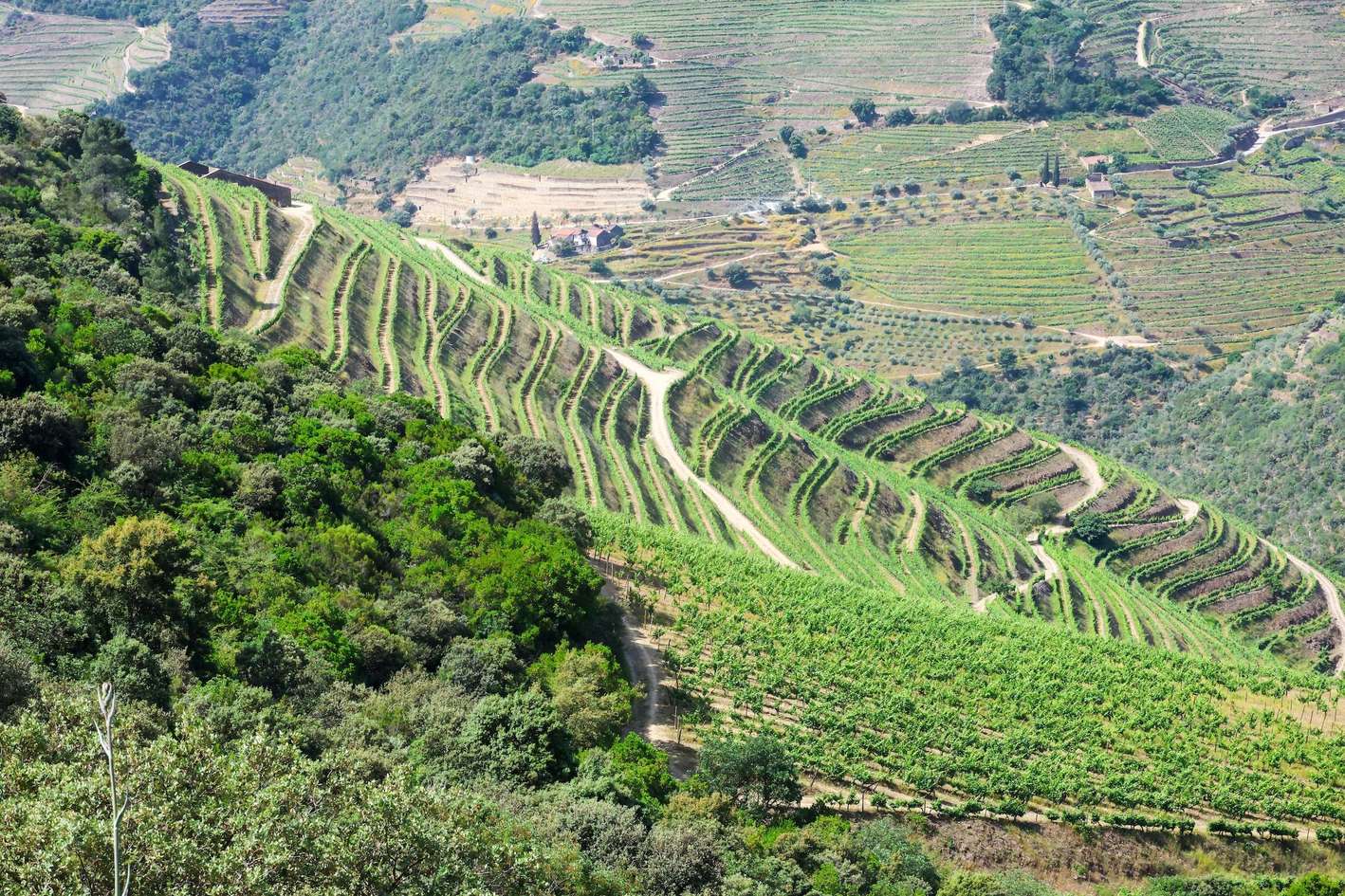
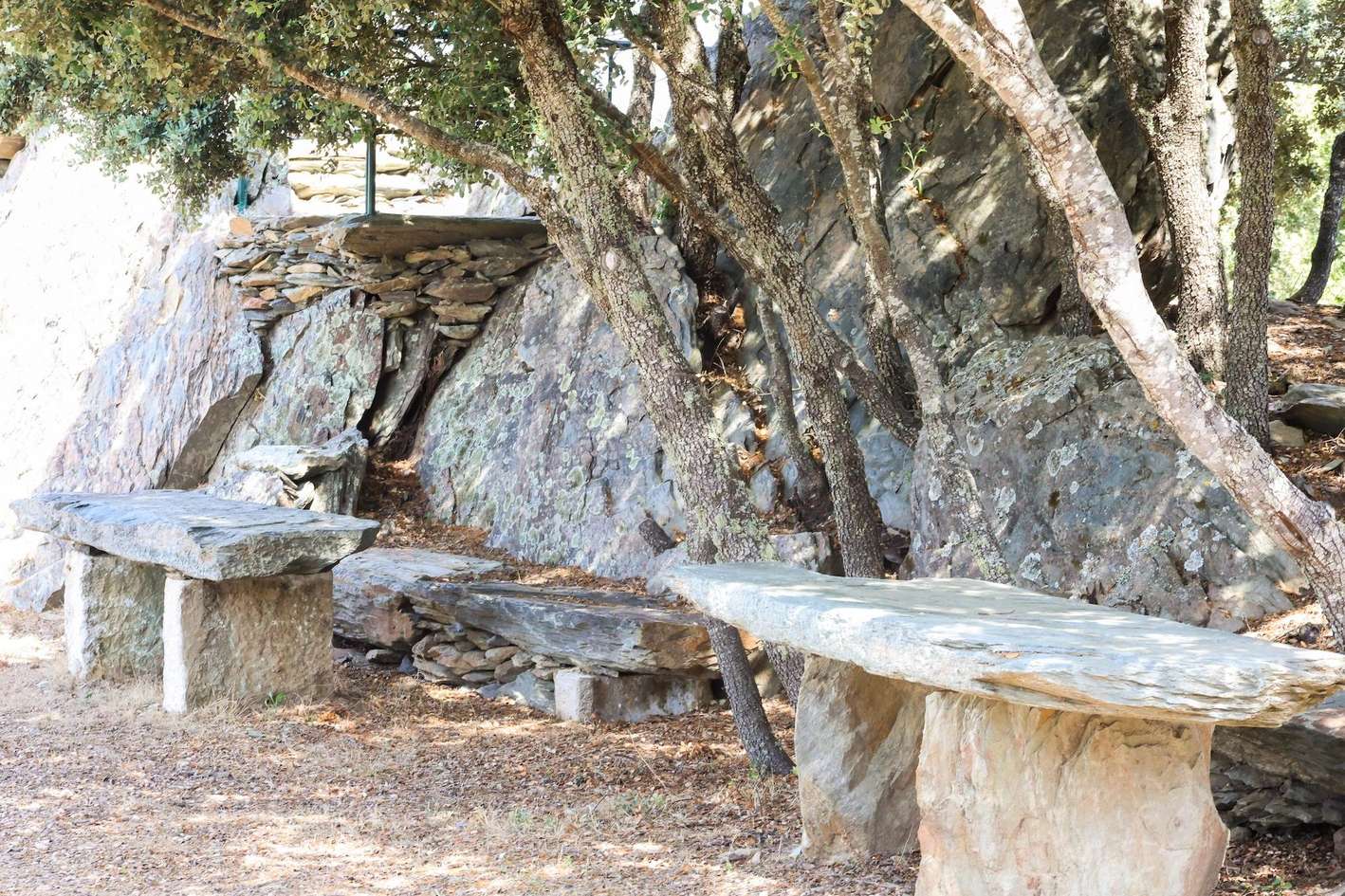
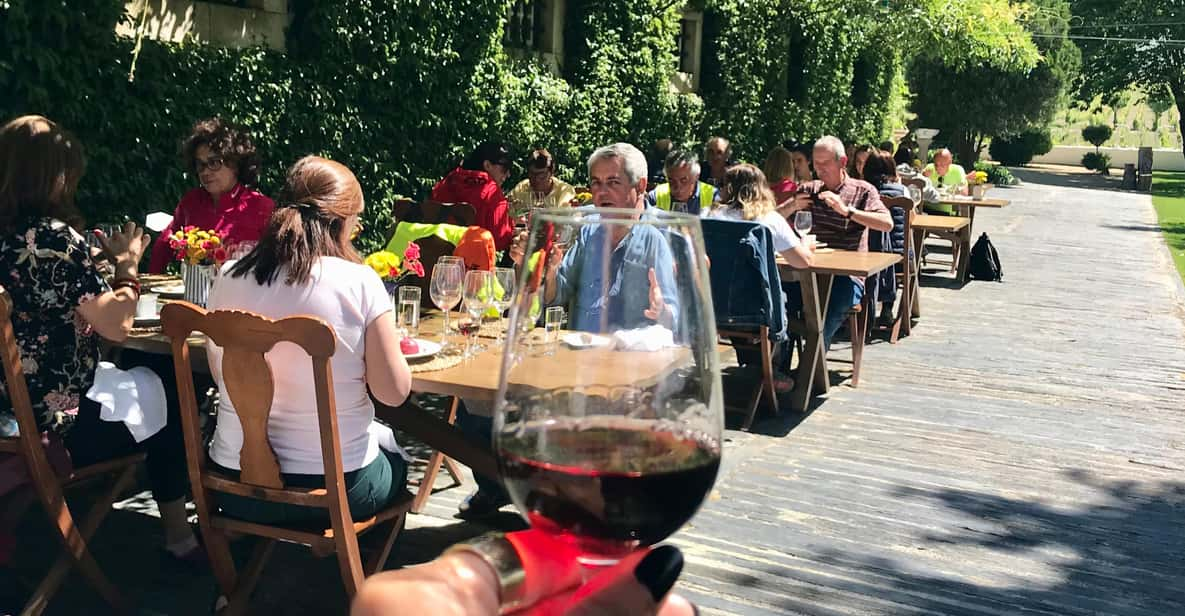
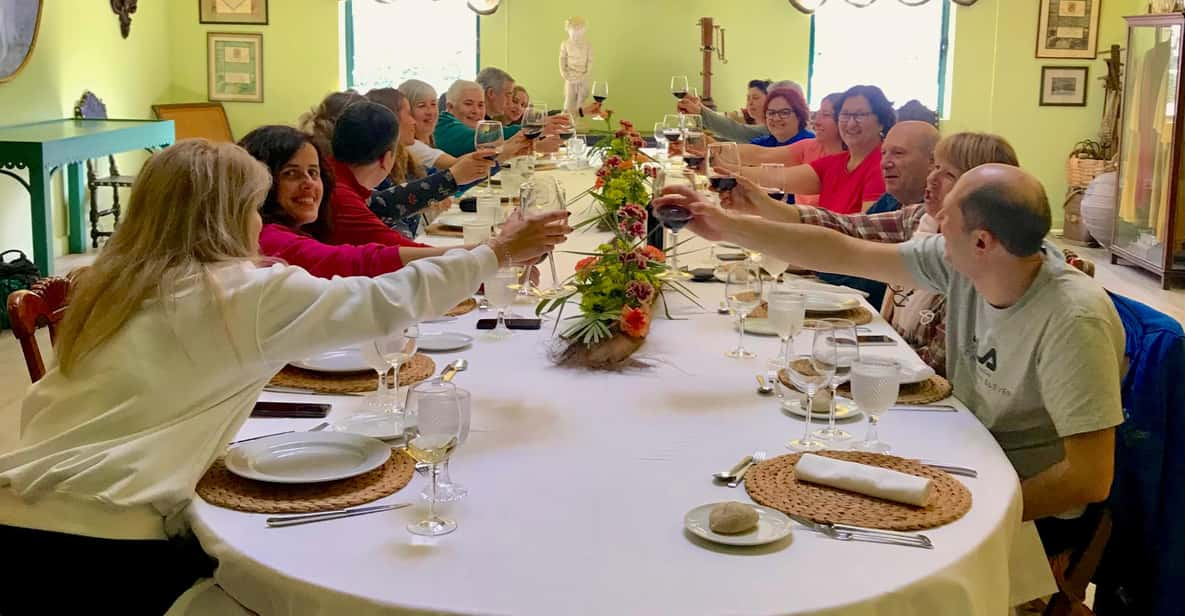
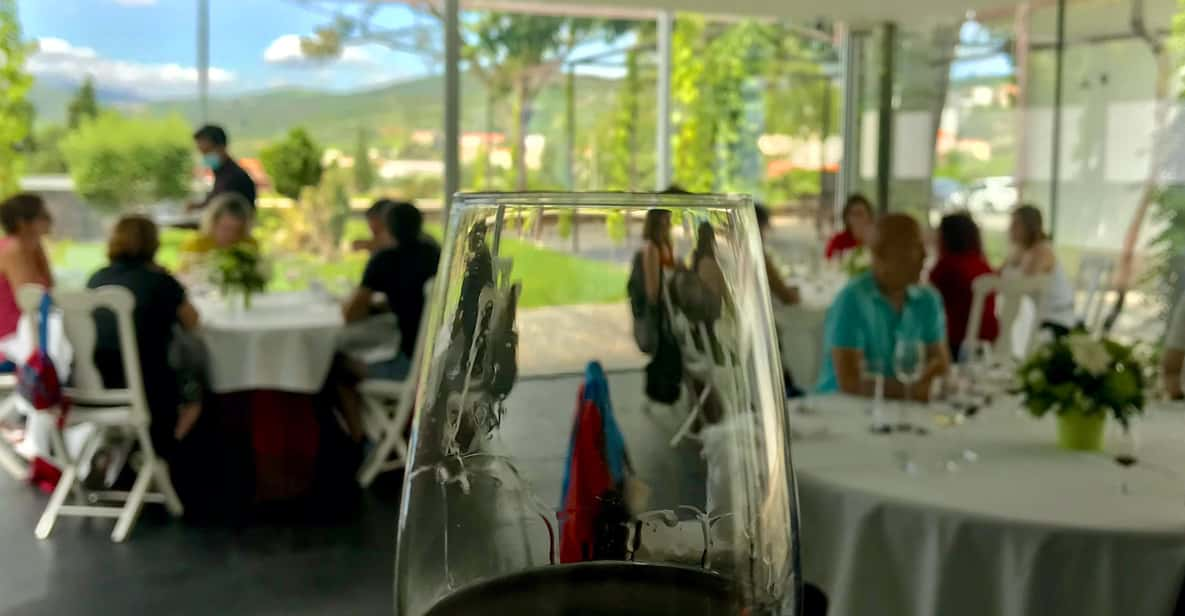
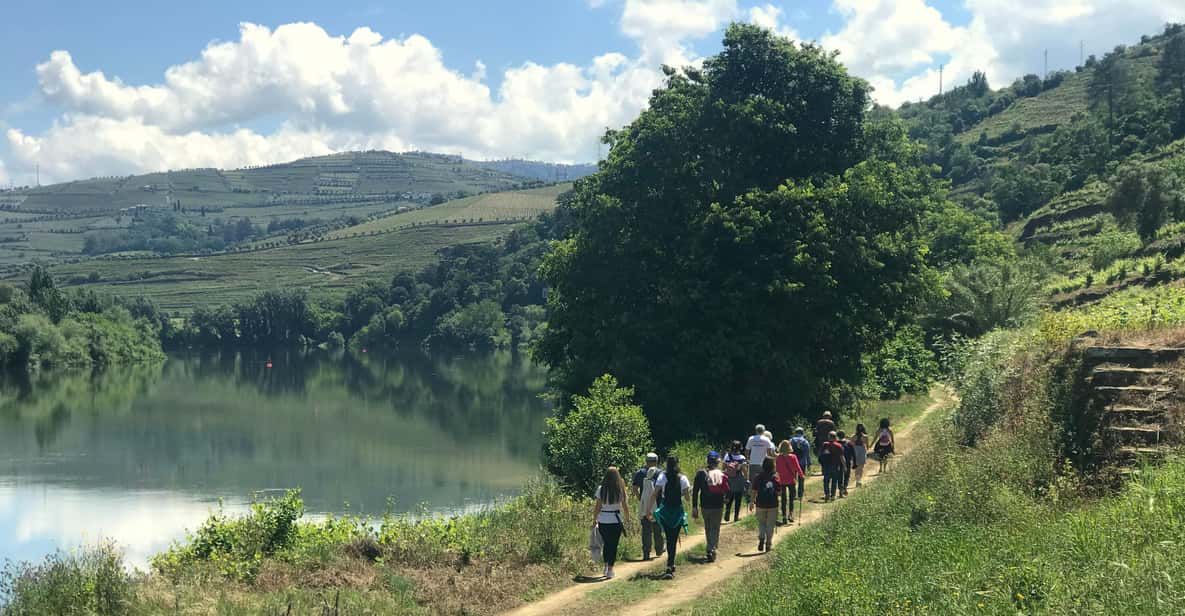
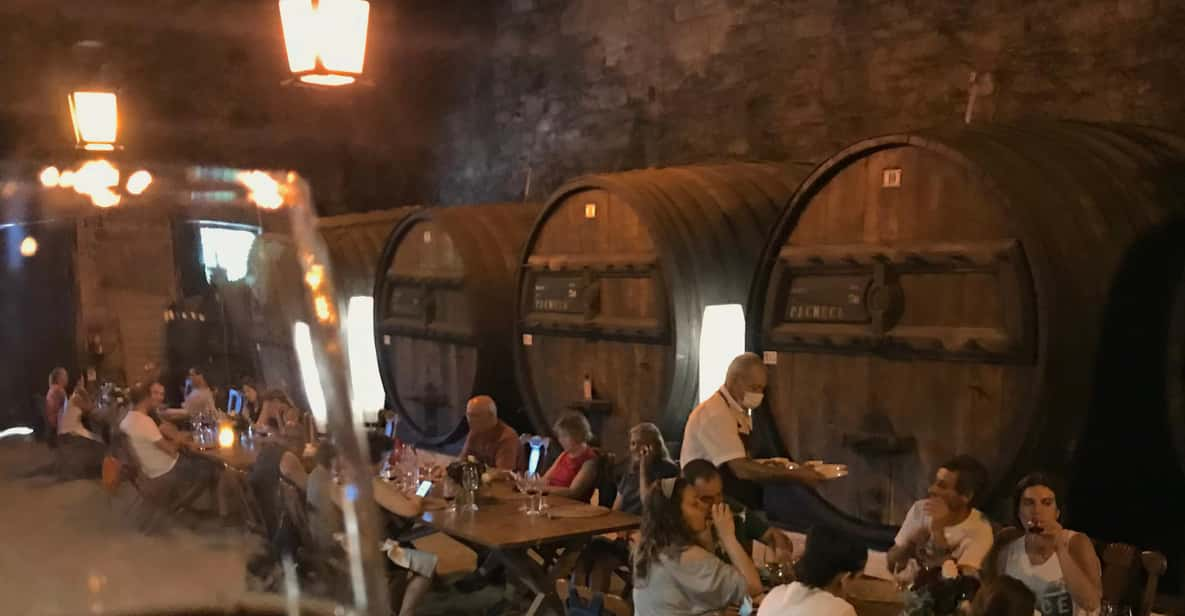
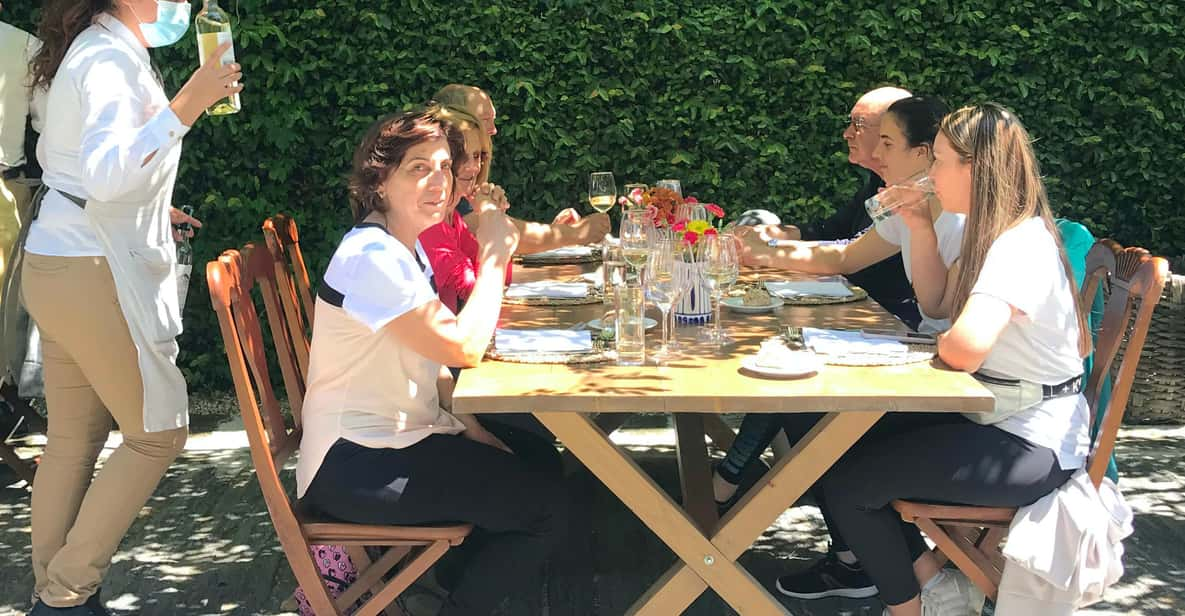
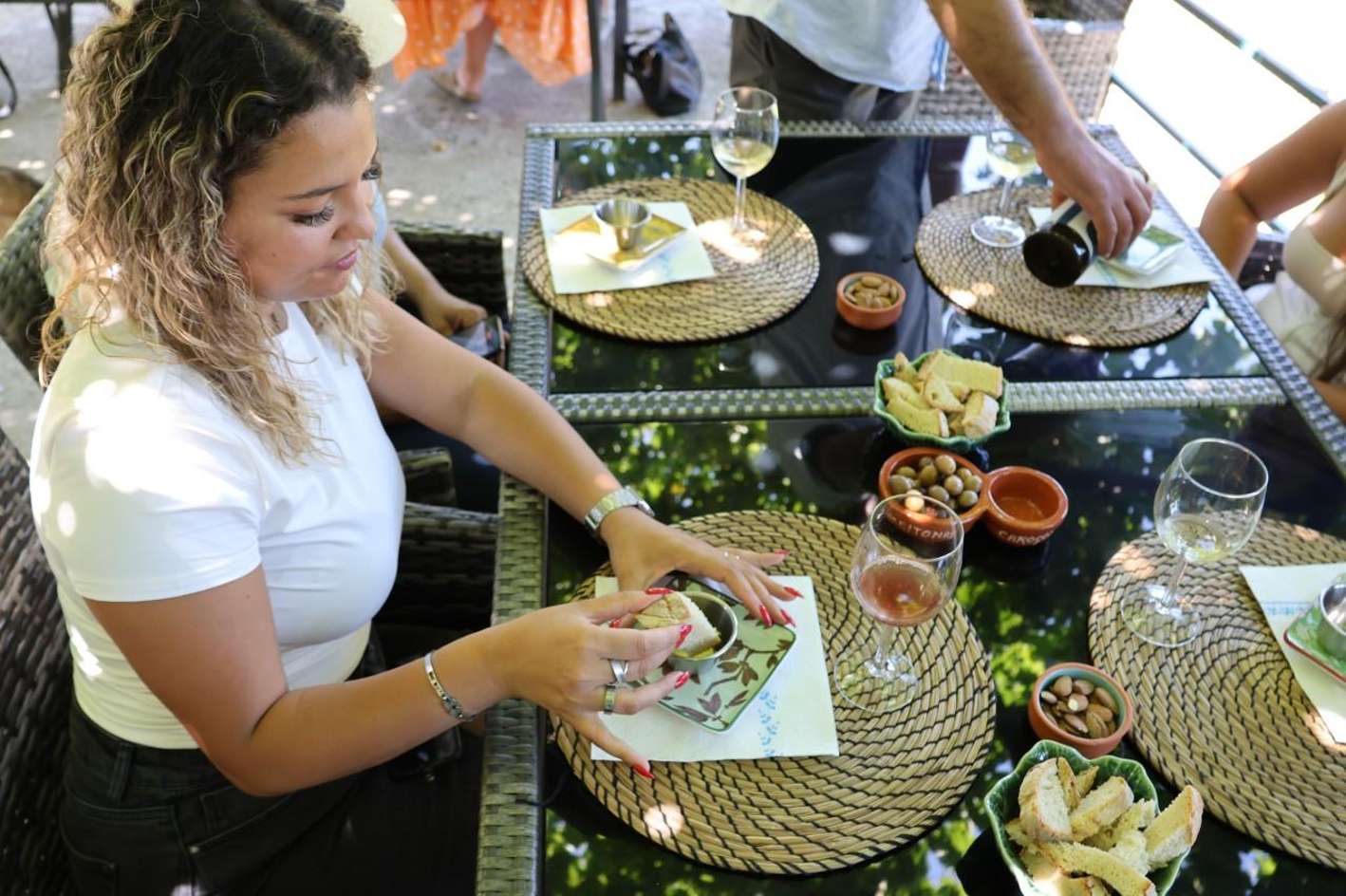
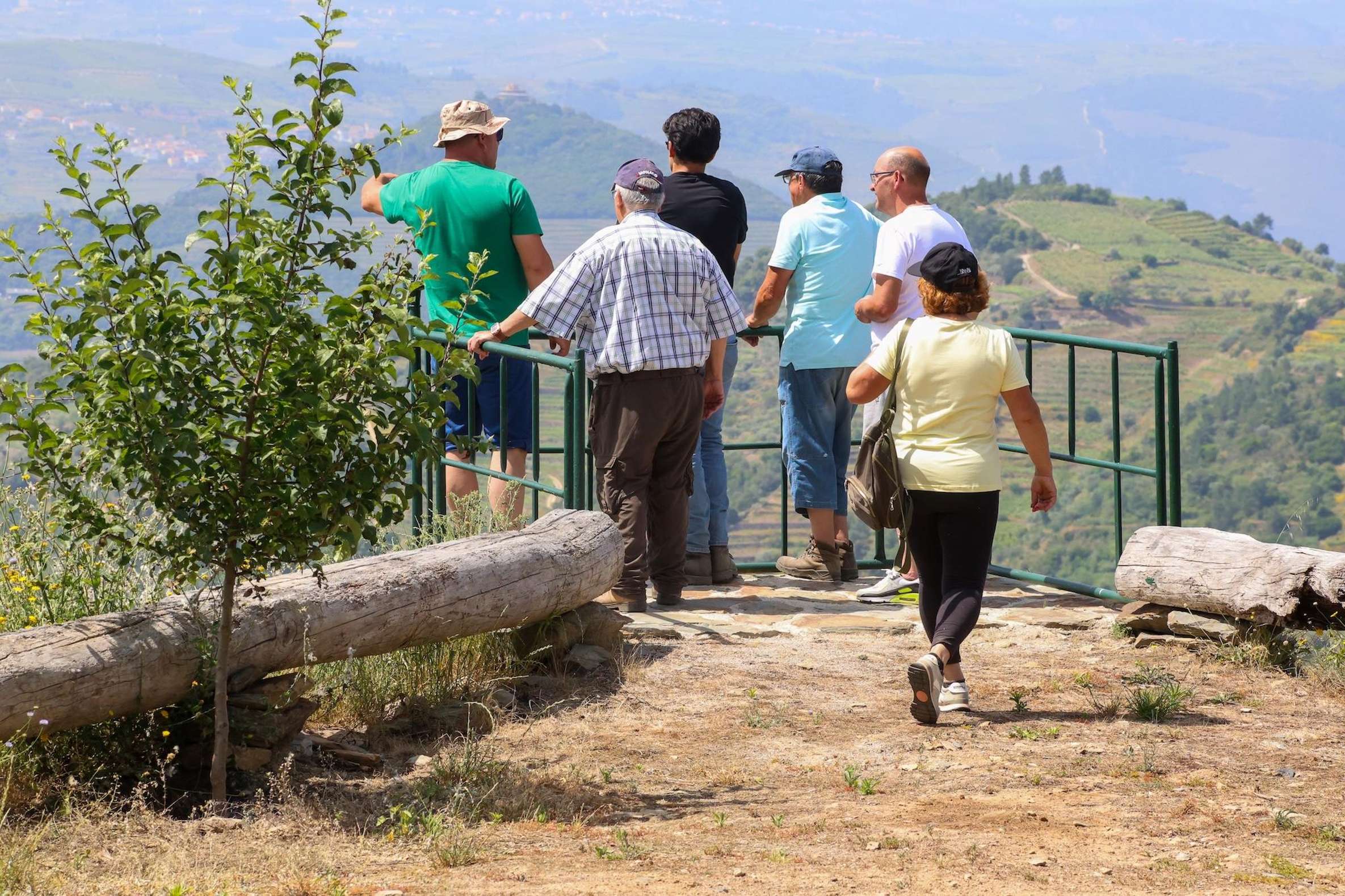
5.04 walkers earned their glass at the open kitchen
Douro Valley Walking Tours Guided Hikes and Trail Routes
Walk the valley the way the locals do, then sit down to the lunch you earned. A local guide leads three routes past the Lagares do Cíbio ruins, the Mêda do Gato rock shelter and viewpoints over the river, with a picnic, water and a return transfer included. Pick the trail that fits your legs and book your day on foot.
"Pedro and his colleague were so kind and flexible when we arrived late. Gorgeous views and a lovely picnic to finish. Perfect for seeing the quieter side of the Douro Valley."
Three ways to walk here: a single guided hike past wine press ruins, an easy vineyard trail that ends with lunch and a tasting at a wine estate, or a multi-day walking journey with dinners and lodging included. The choice comes down to time and pace. A day in boots suits most travelers; three or five days reward those who want the whole valley underfoot.
FootwearWear sturdy closed-toe shoes with strong grip. Smooth-soled running shoes slide on loose stone, cobblestones, and wet schist rock on steep terrace descents.
DifficultyTrails run from easy to moderate across the guided hikes and multi-day journeys, so most fitness levels can keep up.
MobilityVineyard paths involve stairs and uneven ground, and the walking tours here are not suitable for wheelchair users or people with mobility impairments.
HeatJuly and August afternoons reach 28.1 to 29.3 degrees Celsius in the valley, hotter than Porto, so pack light layers, a sun hat, sunscreen, and water.
RainTrails stay open in wet weather but turn slippery on descents, so bring a waterproof jacket and deep-tread shoes in autumn and winter.
CoverageCell signal fails along rural valley trails, so self-guided walkers need preloaded GPS maps rather than standard map apps.
KidsChildren can join the walking tours, and several estates keep short vineyard trails suited to families.
CancellationCancel up to 24 hours in advance for a full refund on these tours.
accessVineyard trails and estate terraces involve steep climbs, stone steps and uneven ground, and the valley's walking tours are not suitable for wheelchair users or people with significant mobility limitations.
Choose a route that matches your condition: the easy 4 km downhill option is the gentlest choice, and anyone with back, heart or mobility concerns should pick a flat riverside or boat-based day in the valley instead. Good grip shoes help on the loose schist.
Which walking tour in the Douro Valley suits you
Best for day hikers
3 - 5 hours·English, Portuguese
5.0(3)
Douro Valley: Guided Hikes with Ruins & River Views
Three routes from a gentle 4 km downhill to a 9 km ridge walk, all guided and all ending at a river-view open kitchen.
Free cancellationLocal guideWalking route through Cotas
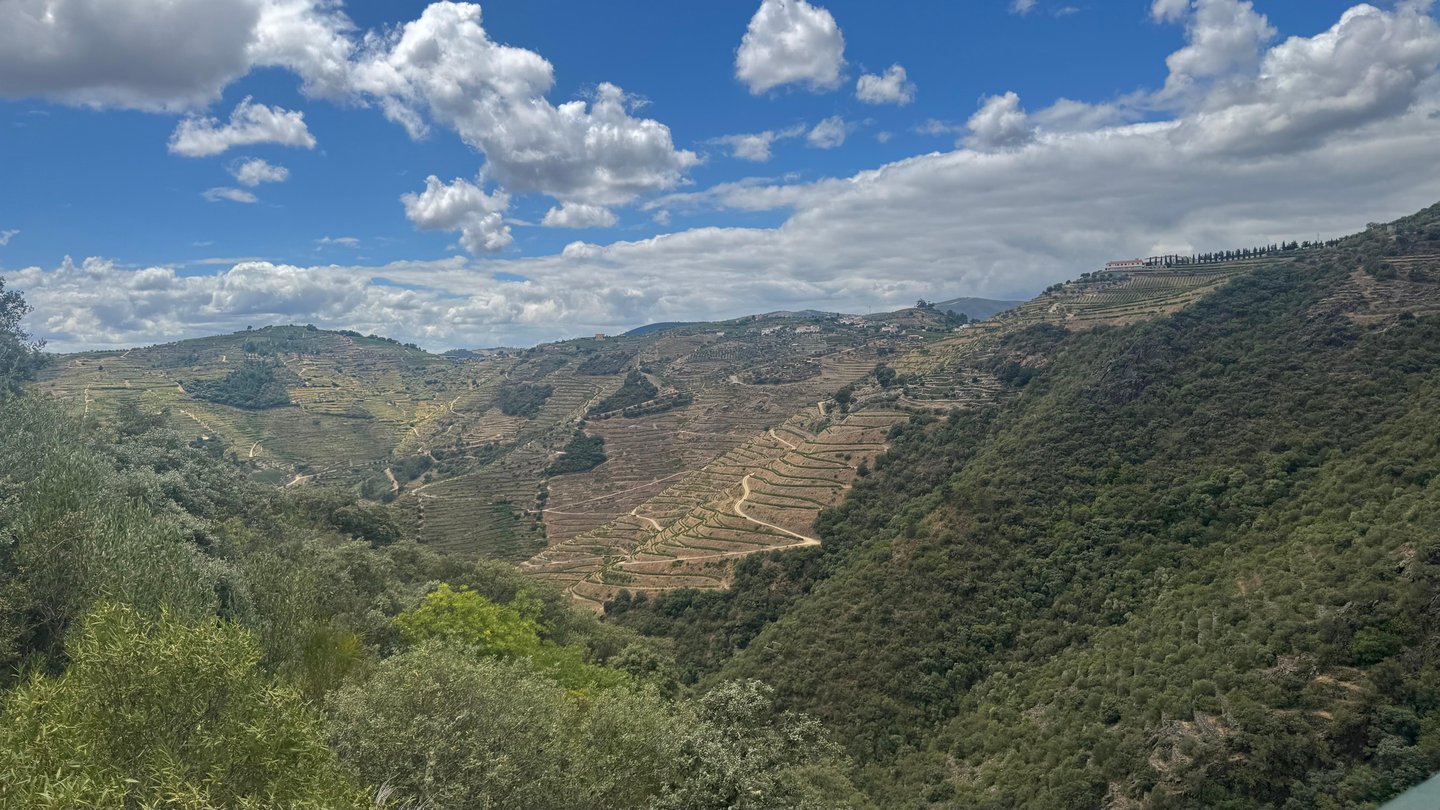
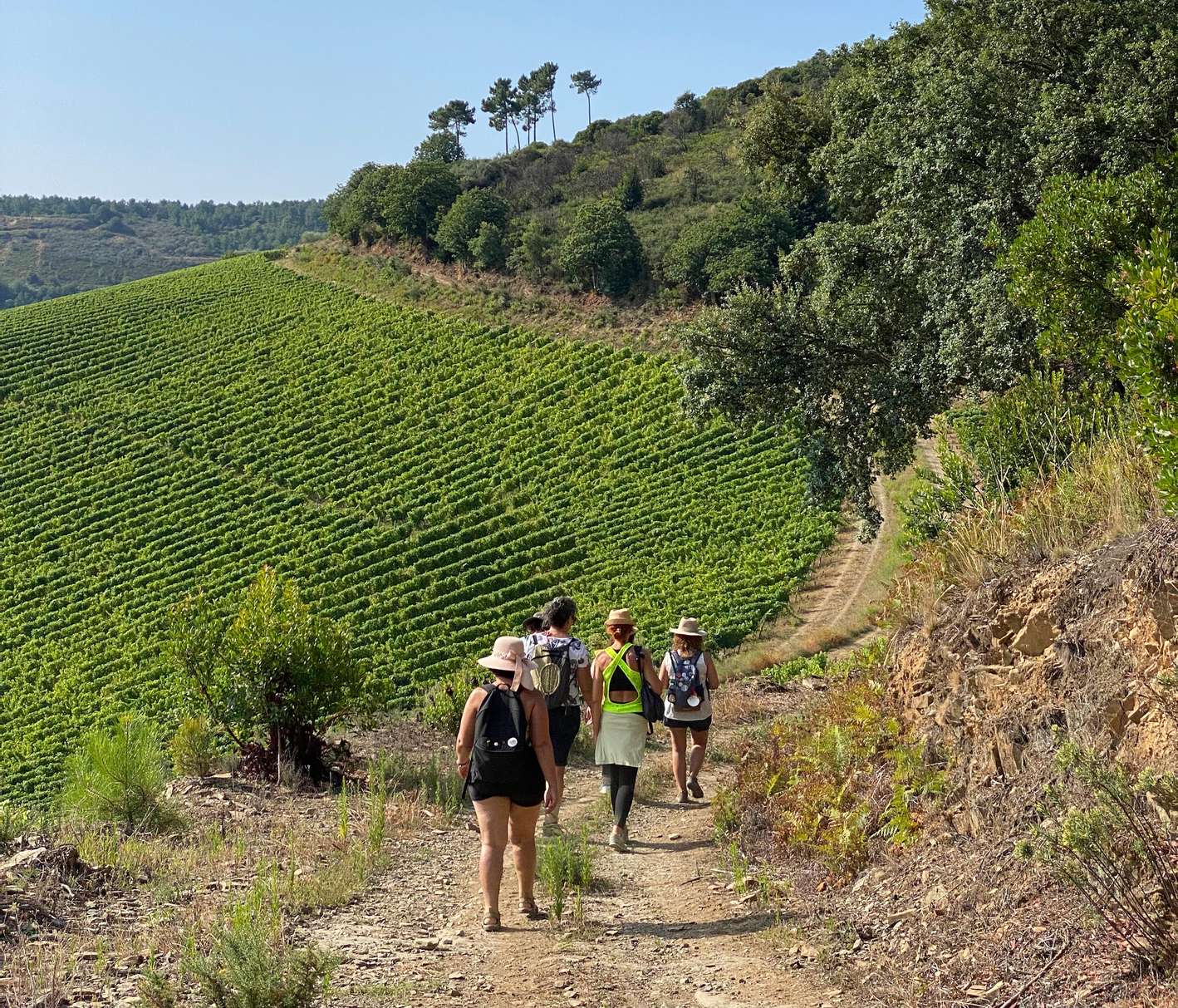
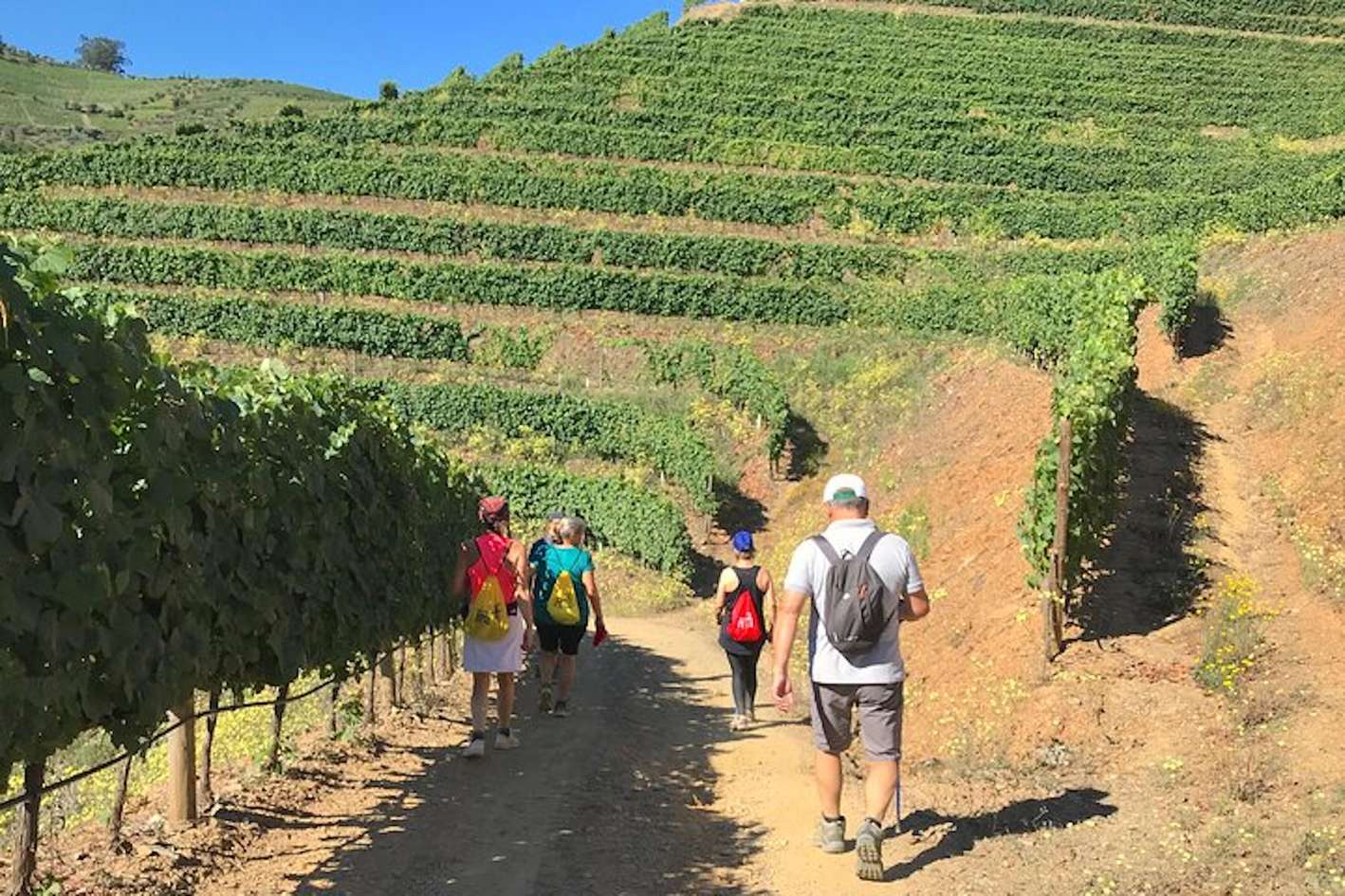
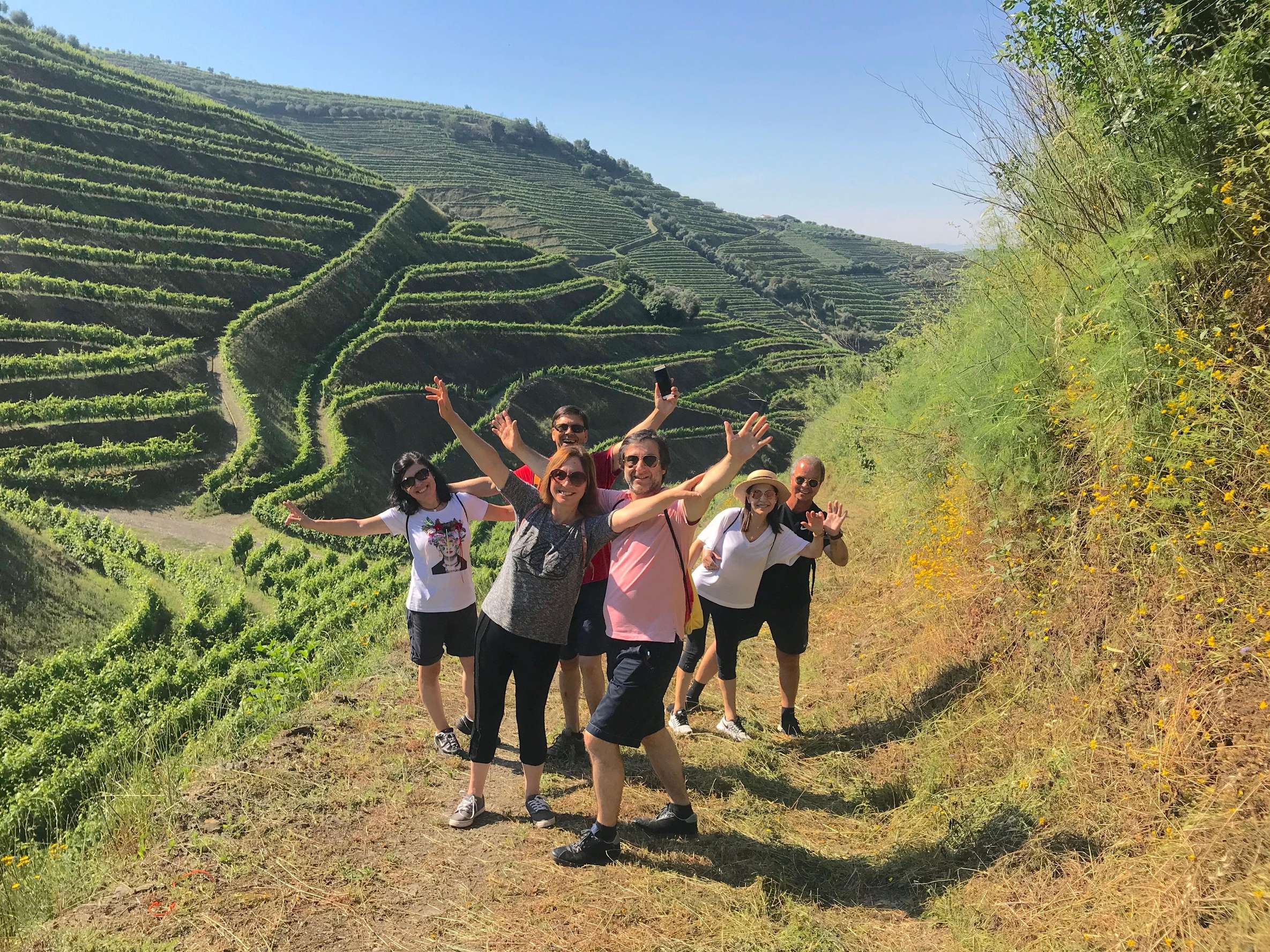
The first thing worth seeing sits off the road, where a hand-built dry-stone wall holds a terrace together without a drop of mortar. That is what these hikes are for: walking the slopes the way the people who built them did, roughly 2,000 years of stonework underfoot.
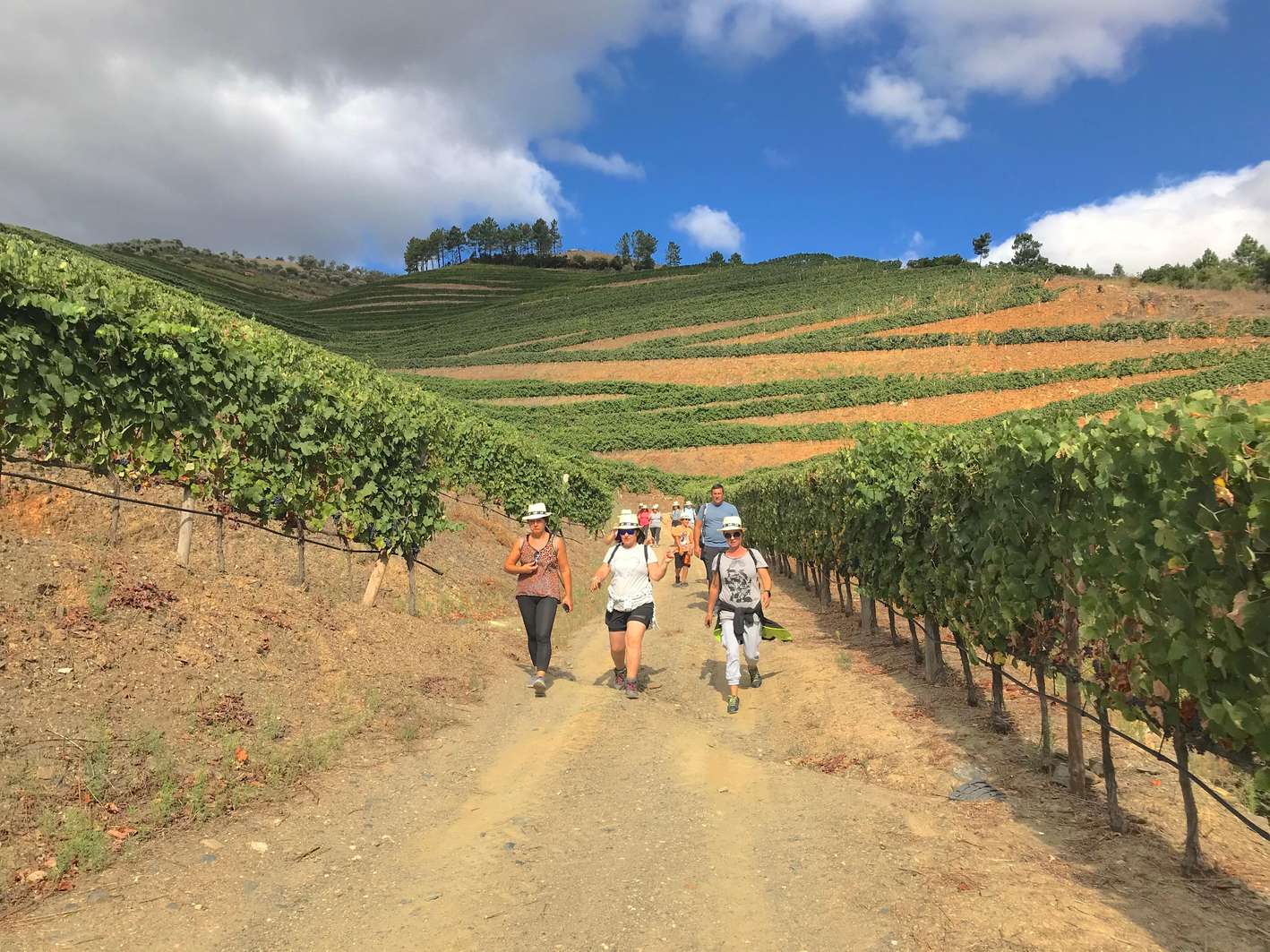
All routes start at Lugar do Esteval with a local guide, and you pick the distance. There is an easy 4 km downhill walk, a 7 km circular route with panoramic viewpoints, and a 9 km one-way trail with a return transfer included.
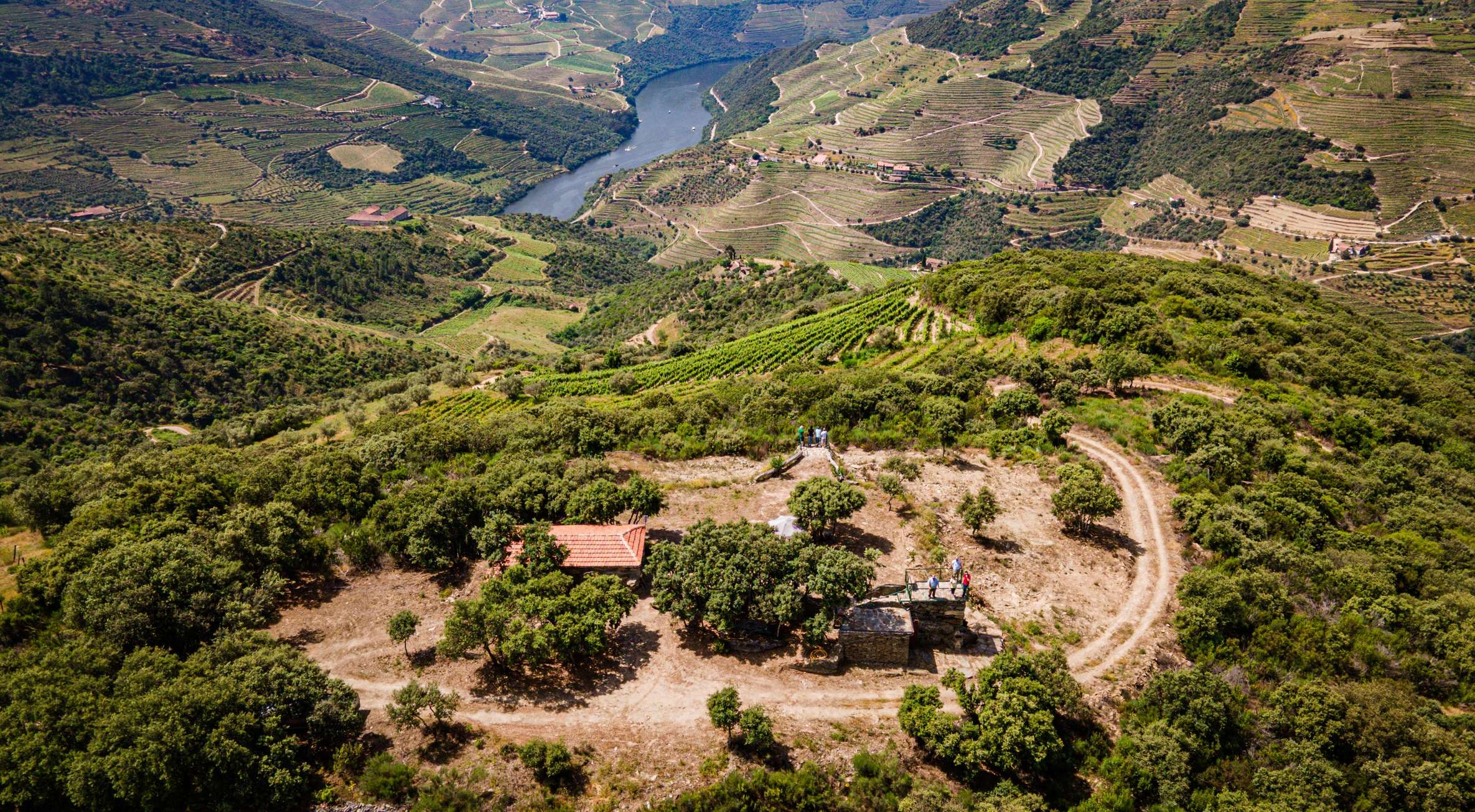
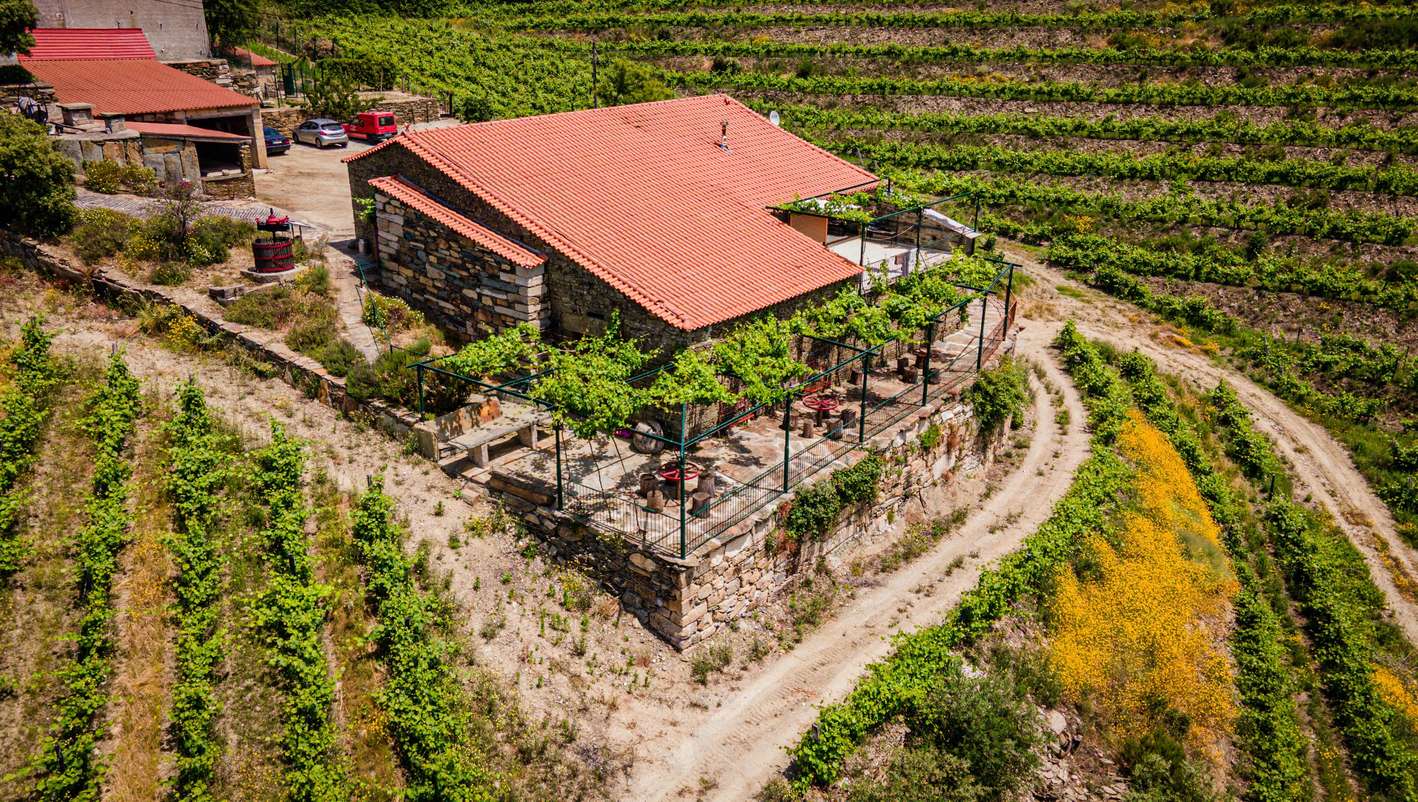
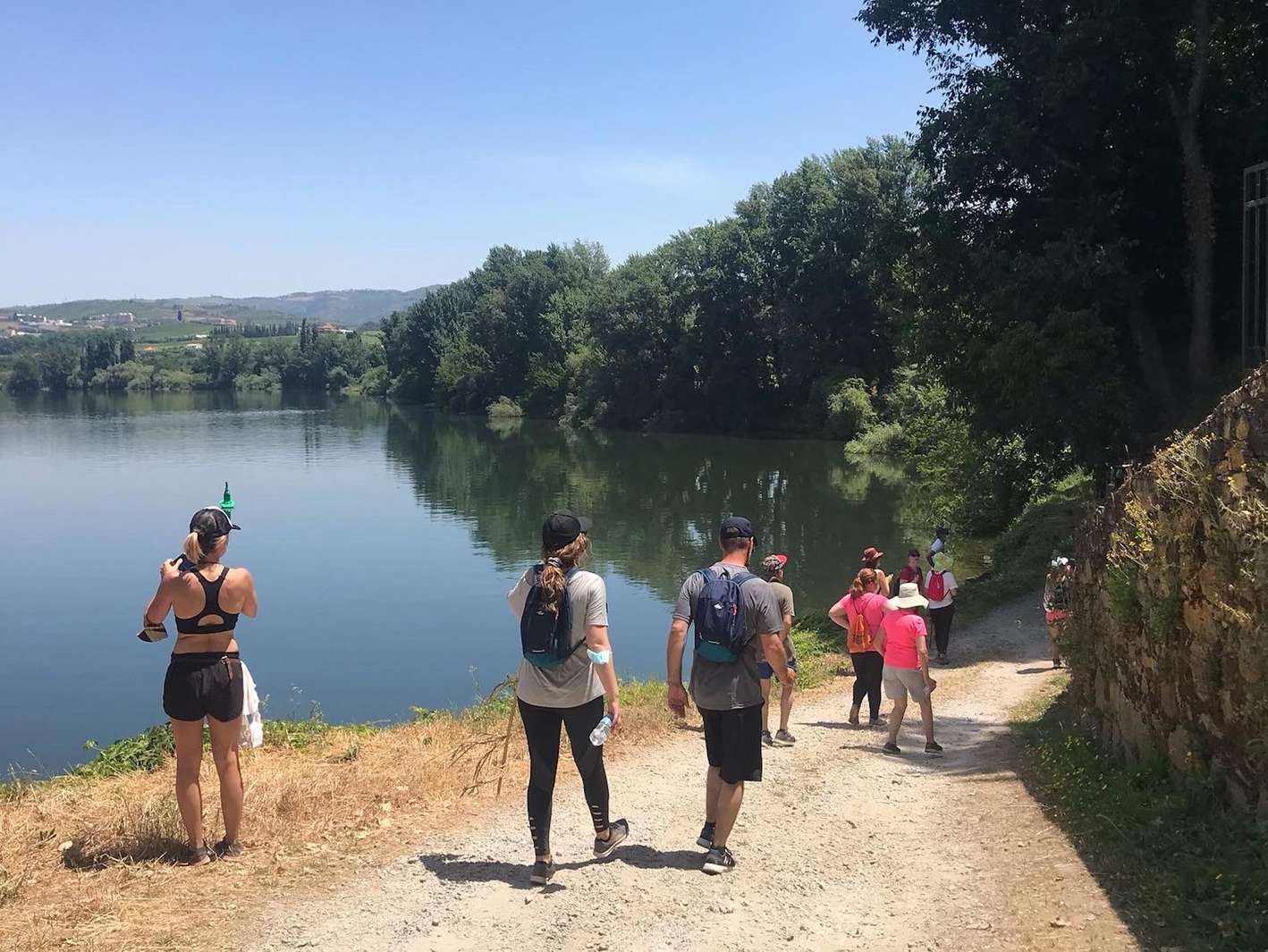
Along the way come abandoned wine-making ruins, a rock shelter known as Casa Gruta, and the village of Cotas. Water, snacks and a picnic are covered, and the day ends at an open kitchen overlooking the Douro River.
1Setting out from Lugar do Esteval· about 60 minMeet your local guide at the starting point and head onto rural paths and vineyard tracks, with water and snacks in your pack.2The Lagares do Cíbio ruins· about 40 minWalk into an abandoned wine-making community left empty after the 19th-century phylloxera plague. Your guide tells its story and there is time for photos.3Viewpoints over the Douro· about 60 minClimb through vineyard terraces to lookouts over deep valleys and the river, pausing as you go on routes rated easy to moderate.4Mêda do Gato rock shelter· about 30 minOn some routes you reach the Casa Gruta, a natural rock formation that sheltered people working these slopes long before the vines.5The village of Cotas· about 30 minContinue toward the traditional village of Cotas, where walking routes pass houses and paths tied to the region's wine heritage.6Open kitchen and transfer back· about 80 minThe hike finishes at an open kitchen with river views, where a picnic and local snacks are served. One-way hikers ride the included return transfer.
The one traveler who wrote in praised the guide for being kind and flexible when they ran late.
Best surprise
The reviewer did not expect a picnic waiting at the end, and called it a lovely finish to the day.
Most common wish
This hiker wished for more days to roam the quiet, less touristy side of the valley on foot.
How to book a Douro Valley walking tour
01
Pick your date and trail length
Choose your date first, then the route. The single-day hike comes in three versions: a 4 km easy downhill walk, a 7 km circular route, and a 9 km one-way trail with transfer.
Pro tipBook a Tuesday or Wednesday. Estates in the valley see their biggest crowd surges on Saturdays.
Common mistakeFirst-timers grab the 9 km route by default. The 4 km downhill option suits anyone unsure about terrace climbs.
02
Decide how you get there
On the Pacheca walking day you either meet at the wine estate itself at 10:30 am or add a transfer with pickup in the Porto area from 8 am. The multi-day journeys meet in the valley.
RecommendedIf you drive yourself to the estate, take the meeting-point option and skip the transfer entirely.
Pro tipThe multi-day packages include transfers to every trail and restaurant, so you never touch a car once you arrive.
03
Book and keep the window open
Reserve online, then check the cancellation terms before you close the tab. These walking tours and multi-day journeys allow free cancellation up to 24 hours before the start.
Pro tipIf a plan is still moving, book early and cancel by the 24-hour mark for a full refund rather than waiting to decide.
ImportantSome day tours ask for a passport or ID card, so check your confirmation for any document requirement before you leave Porto.
04
Prepare your feet and your kit
Pack hiking shoes with real grip. Vineyard trails run over dirt tracks, loose stone, cobblestones, and schist steps that slide under smooth-soled running shoes.
Common mistakeWearing trainers with flat soles is the classic first-timer error on steep terrace descents.
RecommendedBring a hat, sunscreen, and water. The terraced paths are unshaded, and summer afternoons in the valley reach the high twenties.
05
Find your guide on the day
Arrive at the meeting point with time to spare. For walks starting in Cumieira village, guides wait on the National Road N2 in front of the Celeiro Coffee Shop.
Pro tipRural valley roads defeat phone signal and standard map apps, so screenshot the meeting point and directions before you set out.
Common mistakeRelying on live navigation on the way to a village trailhead is what locals never do.
What to know before you book a guided walking tour of the vineyards
Can stop the dayGood to knowGood news
01
ChoosingWhat it is, who it suits, when to go
5
Fitness
All the hikes on this page are easy to moderate, so a steady leisurely pace is enough. A comfortable day of walking covers roughly 10 to 15 kilometers over 4 to 6 hours with pauses for viewpoints and wine, while the shorter routes take about 3 hours.
Meeting point
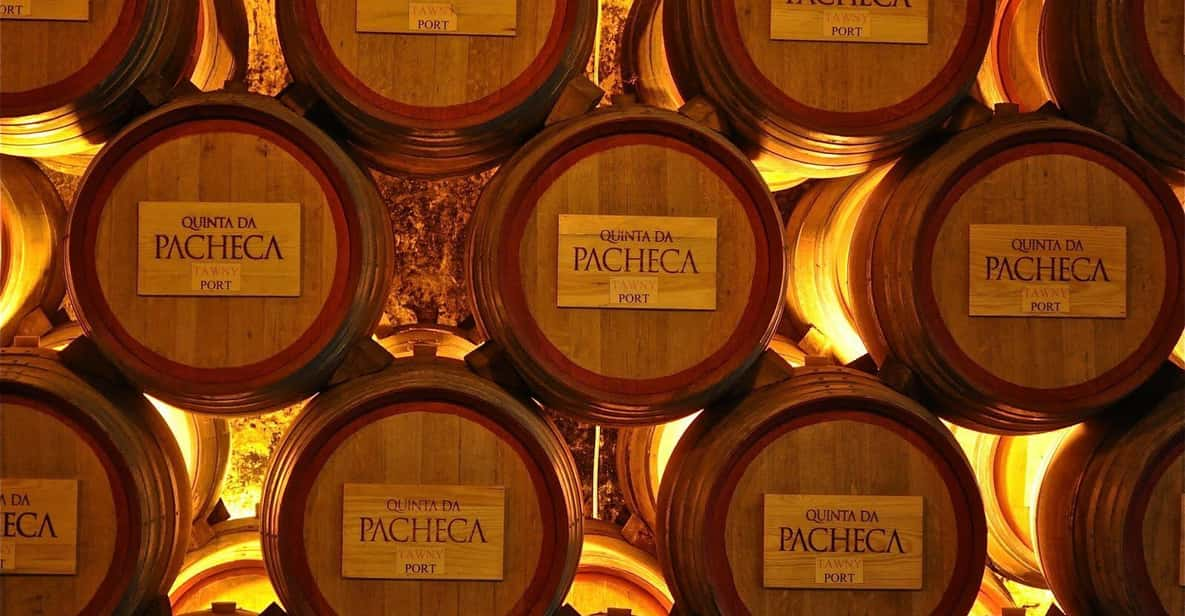
The guided hikes start at Lugar do Esteval with a local guide, and the one-way routes include a return transfer so you do not have to retrace your steps. The estate walk at Quinta da Pacheca can be joined at the estate itself, or a transfer from Porto can be added.
Included
The guided hikes come with water, snacks, a picnic, insurance and the open-kitchen viewpoint stop at the end. The multi-day journeys add local lunches with wine, dinners at restaurants, rustic accommodation and transfers for every trail.
Phone signal
Cellular data regularly fails deep in the side valleys, and ordinary map apps handle rural dirt tracks badly. Preload your GPS coordinates before setting out, and lean on the guide for navigation on the marked trails.
Booking ahead
Multi-day walking journeys and small-group hikes have limited places, so book early for the September and October harvest months, when the valley draws its biggest crowds. Weekday walks are quieter than Saturdays.
02
BookingHow far ahead, and what happens if plans change
1
Cancellation
Every hike and walking journey on this page allows a full refund when you cancel up to 24 hours in advance. That leaves room to rework a day if the forecast turns or your plans shift.
03
Before you goPapers, health, what to bring
3
Footwear
Terrace paths are steep, uneven and slippery in places, with loose stone, cobblestones and dirt tracks. Bring closed-toe walking shoes or hiking boots with strong grip, and leave smooth-soled running shoes, flip-flops and heels behind because they slide on climbs and descents.
Health limitsCan stop the day
The hikes and multi-day walking journeys are not suitable for people with back problems, mobility impairments or heart conditions, and the five-day trip also rules out pregnant women and children under 9. Check the list against your group before booking.
Heat
The terraces are unshaded and the summer sun is strong out on the slopes, so a hat and sunscreen matter even on a short walk. Bring water in any season and layer up for cool, rainy months, when dirt paths turn muddy and rock gets slick.
04
On the dayWhere to be, when, and how you get there
1
Not included
You handle your own transport to the meeting point on the day hikes and the multi-day journeys, and tips are never included. On the five-day trip a transfer to the meeting point can be arranged if you ask well in advance.
Douro Valley walking - a trail guide
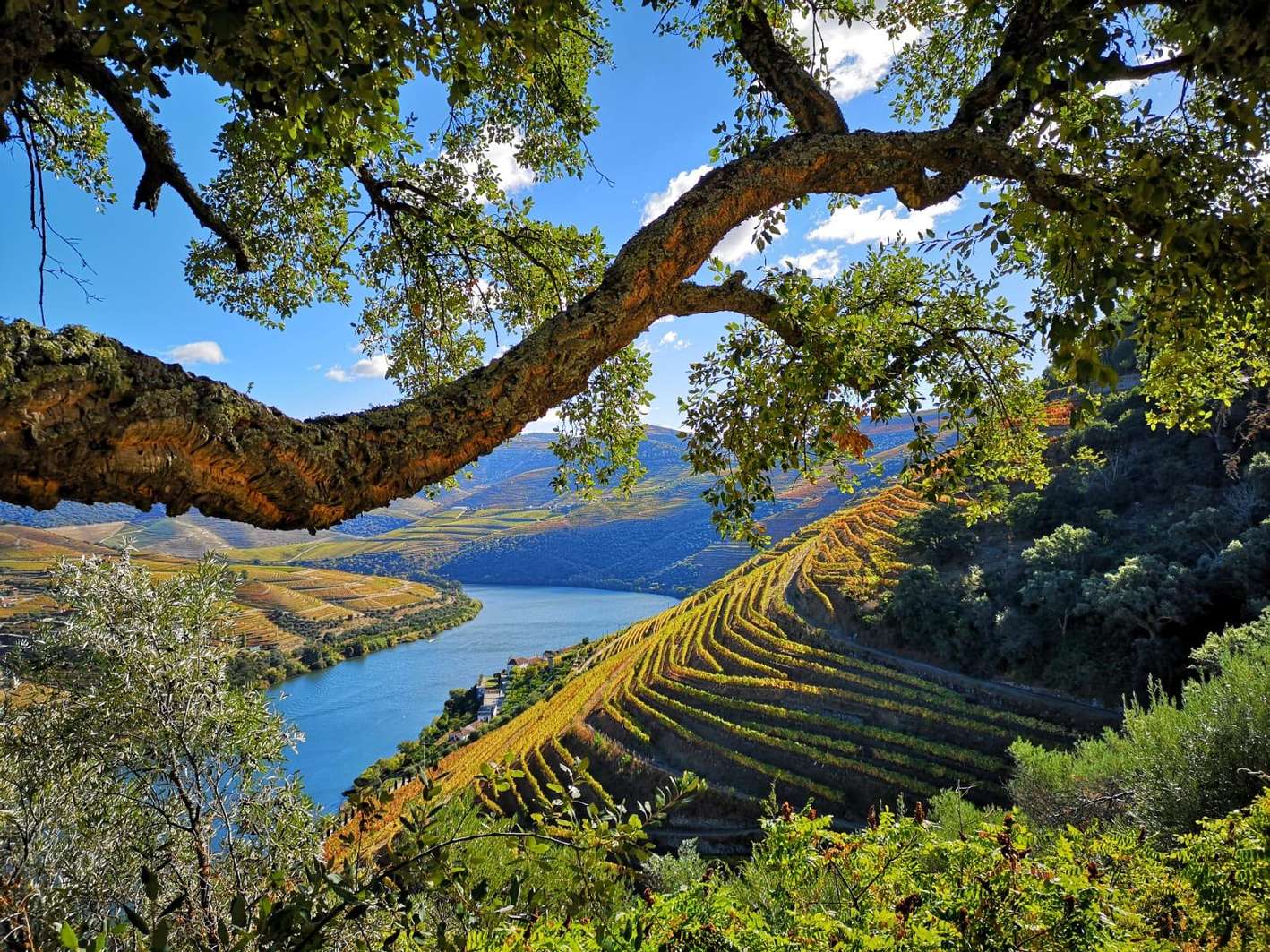
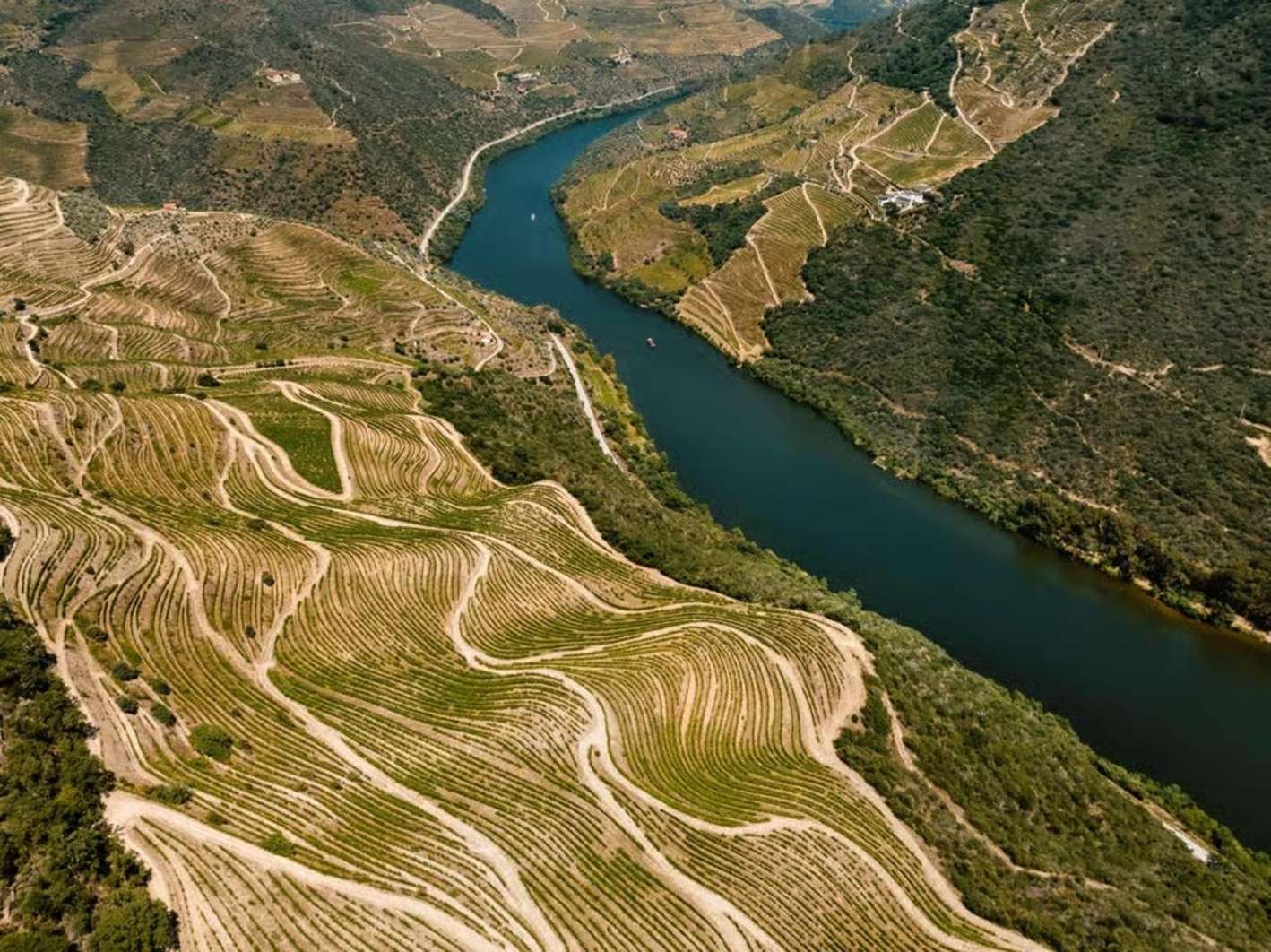
The terraces of the Alto Douro were stacked by hand two thousand years ago, and climbing them beats seeing them from any window. A steady walker can do this; the planning is in knowing which route, month and shoes fit your day.
If you only remember three things
1
Book tastings 3 to 4 weeks ahead, or up to 2 months for harvest season.
2
Wear grippy closed-toe shoes; smooth-soled runners slide on wet schist.
3
One day works, but two nights in the valley beats a rushed day trip.
Why walking the vineyards beats riding through them
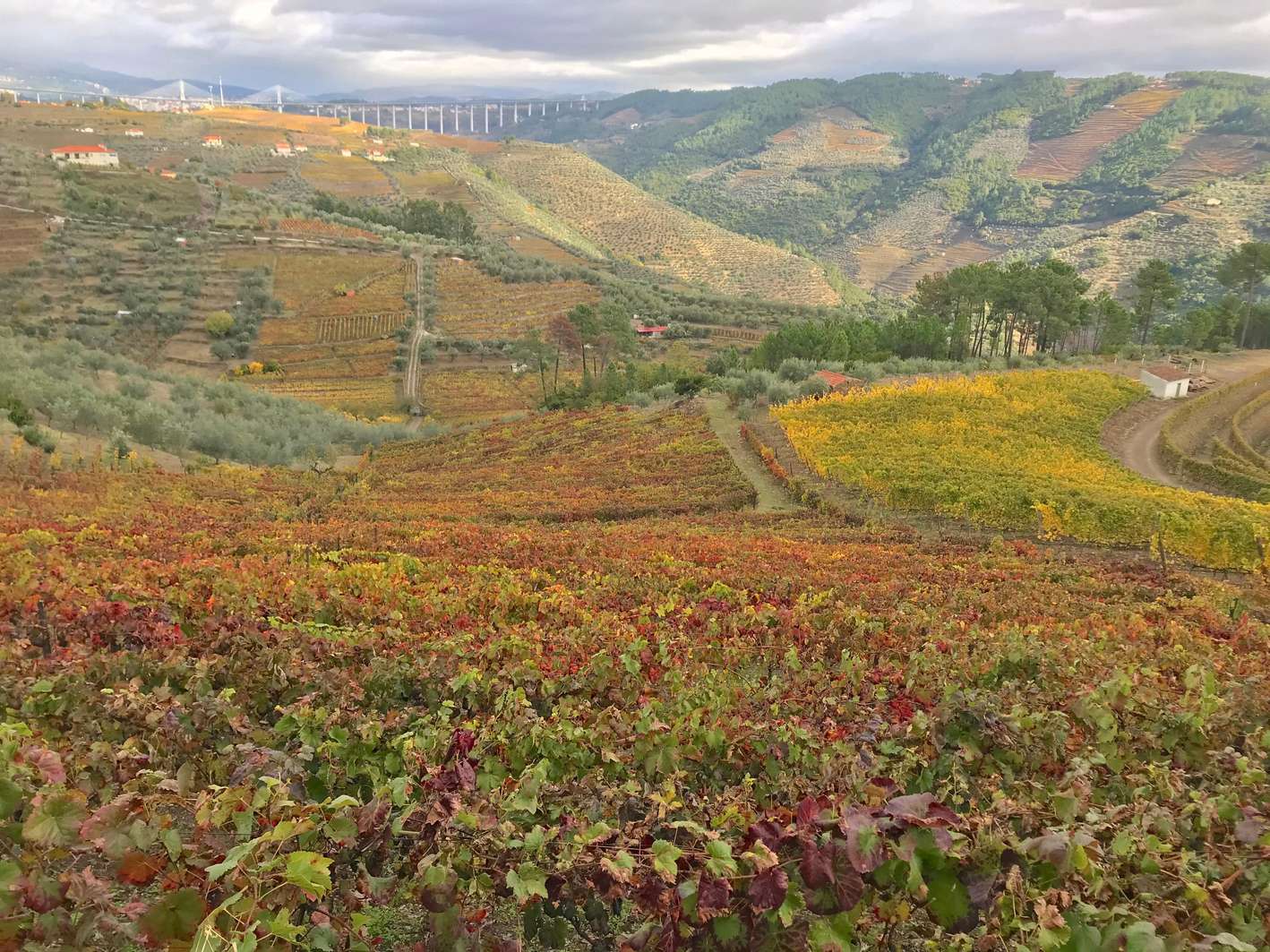
Morning fog still sits in the river bend when the first climbers leave Pinhão, and for the next hour there is nothing but the crunch of schist underfoot and the smell of sun-warmed vines. A bus window cannot give you this.
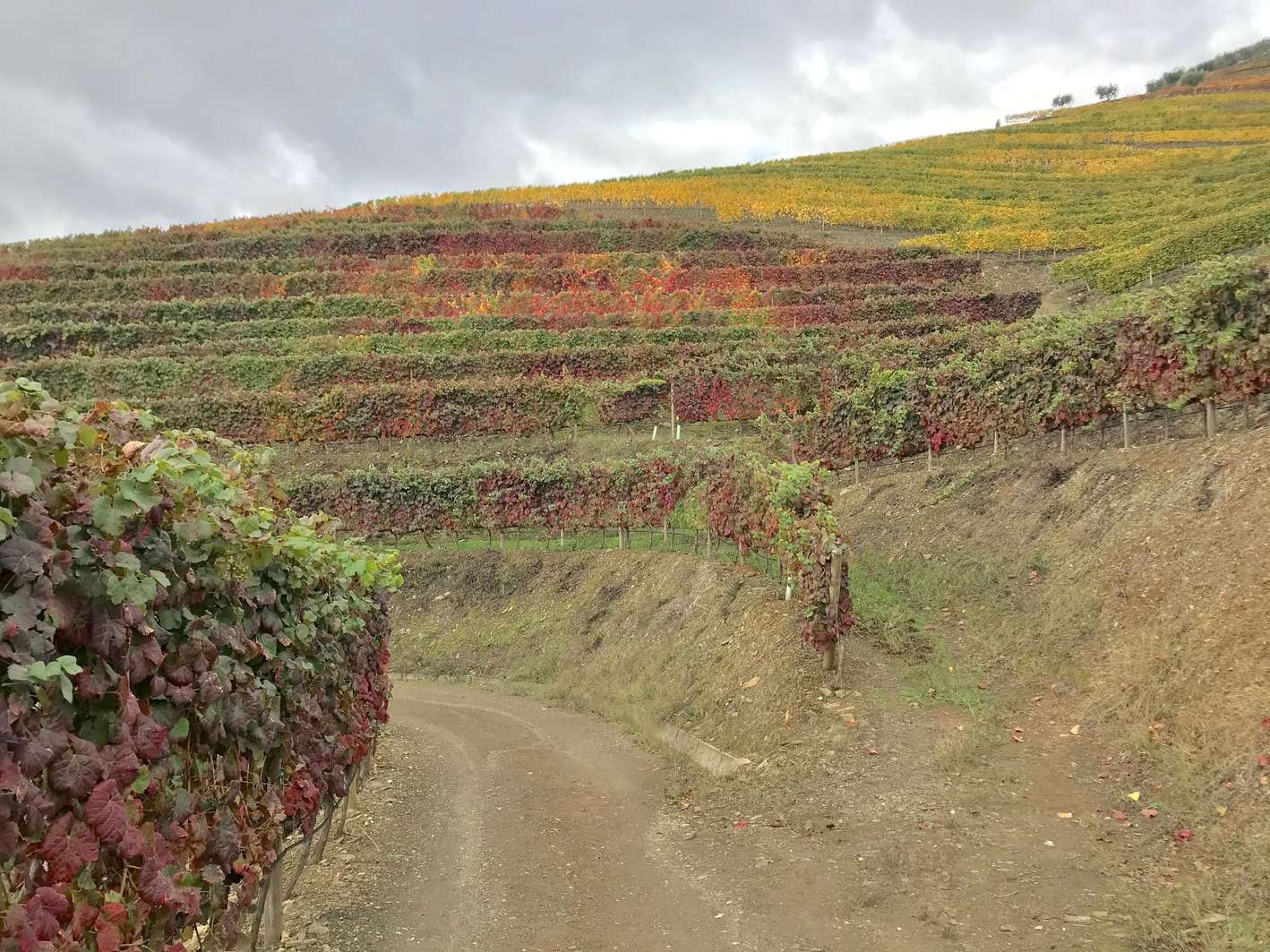
The stone walls you walk past are the reason the valley holds its UNESCO listing. They were built without mortar, by hand, on hillsides steep enough to shed soil and rain, and they have held vineyards in place for centuries. Walking the terraces is how that labor makes sense.
It is honest work, too. Hills, paved stone paths and unshaded stretches in the heat ask more of you than a boat deck or a van seat.
If you have limited mobility, a tight budget or a taste for packaged comfort, a standard van tour remains the practical pick, and no one will judge you for it.
A traveler's note
Pedro and his colleague were lovely, super flexible when we ran late. Beautiful views, picnic, non-touristy Douro.
That line comes up again and again from people who traded the coach for the trail: the walls, the ridge paths and the quiet ruins simply never appear from the road or the water.
Tour for this
Douro: luxury tour with lunch at Quinta da Pacheca5.0★ (1) · 5 - 8 hours · Hotel pickup · Free cancellation
The honest numbers: an unhurried day on the valley trails covers roughly 10 to 15 kilometers over 4 to 6 hours at an easy-to-moderate pace, with pauses at viewpoints and estates. Shorter introductory routes take around 3 hours. Serious mountaineering this is not; steady hill-walking it is.
What surprises people is the short stuff. A climb out of Pinhão that looks like ten minutes on the map can feel like a staircase in August, because the terraces rise steeply and most paths run unshaded. Pack water even for a short stroll.
Underfoot, the ground decides your gear. Dirt tracks, loose stone, cobblestones and wet schist reward grippy soles and punish smooth ones; running shoes with slick outsoles slide on terrace descents, and that is how ankles turn.
The multi-day packages and several walking tours are not suitable for people with mobility impairments, back or heart problems, and some exclude pregnant women. If that is you, a river cruise or a van tour gives you the same views with far less strain.
Tour for this
Douro Valley: Guided Hikes with Ruins & River Views5.0★ (3) · 3 - 5 hours · Free cancellation
A guided day starts at a meeting point, and one operator's routes begin in Cumieira village on the National Road N2, in front of the Celeiro Coffee Shop. From there the path climbs through vineyards and quiet lanes, with the guide handling every turn so you only have to watch your footing and the view.
History sits along the route. Some trails pass the Lagares do Cíbio ruins, an abandoned wine-making settlement left behind after the 19th-century phylloxera plague, and the Mêda do Gato rock shelter.
Elsewhere in the region, walkers find lagares rupestres, stone wine presses carved straight into granite, part of a catalogued group of more than a hundred.
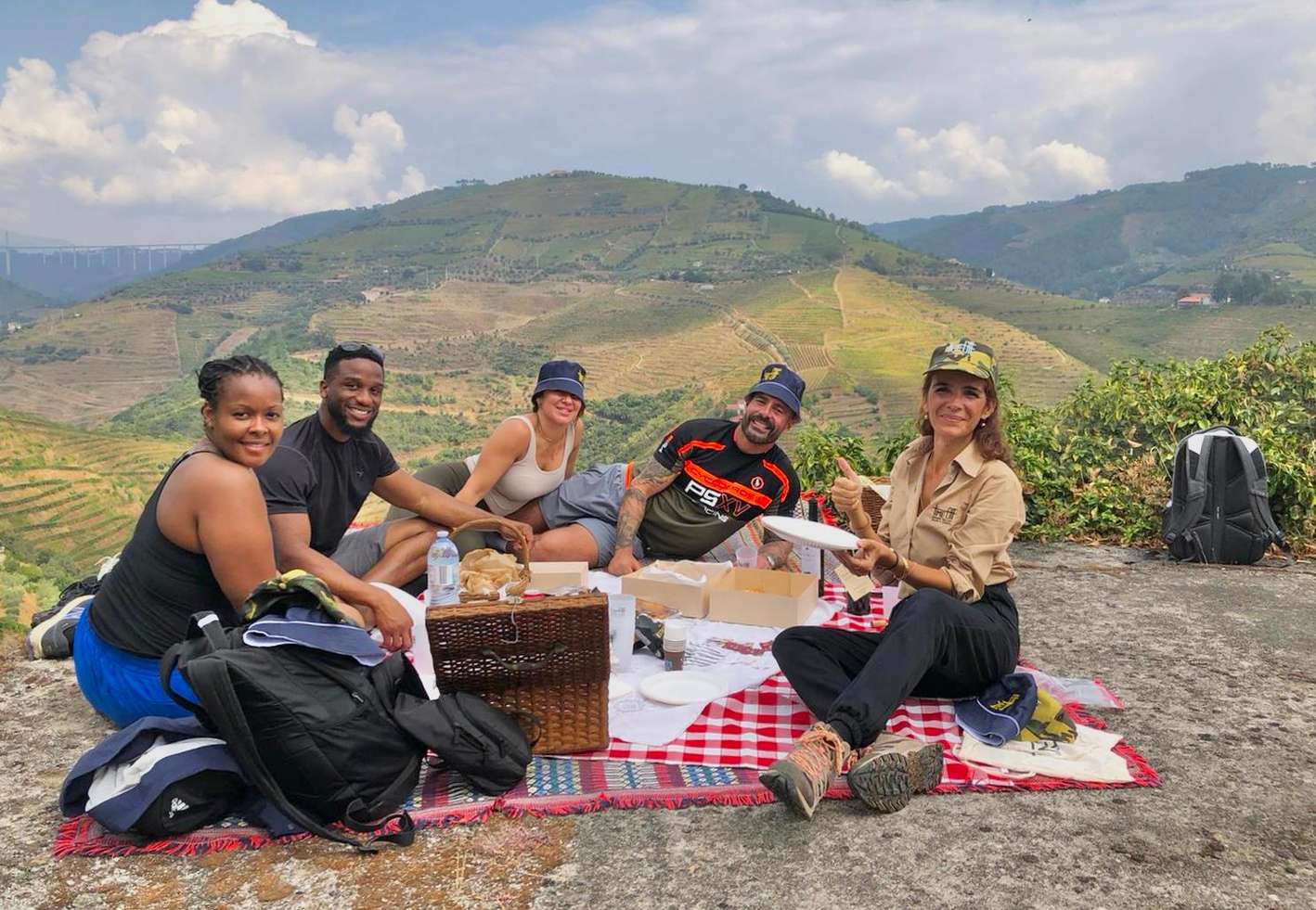
The day closes at an open-kitchen viewpoint over the river, or around a table with a picnic and local snacks; some walkers trade the tasting room for lunch cooked in a wine grower's own home, which no commercial cellar can copy. After hours on the slopes, that first glass feels earned.
The tour built for exactly this is the Douro Valley: Guided Hikes with Ruins & River Views, running 3 to 5 hours with three routes to match your legs, a local guide, the walking route through Cotas, an open-kitchen viewpoint and return transfer on the one-way options.
Tour for this
Douro Valley: Guided Hikes with Ruins & River Views5.0★ (3) · 3 - 5 hours · Free cancellation
When to plan walking dates for heat, harvest and rain
Date choice decides how the walking feels more than any other decision. April through June and September through October give daytime highs between 16.5°C and 24.1°C, the comfortable window for trails.
July and August push afternoon averages to 28.1°C and 29.3°C, hot enough to turn an exposed climb into a slog, so start early or pick another month.
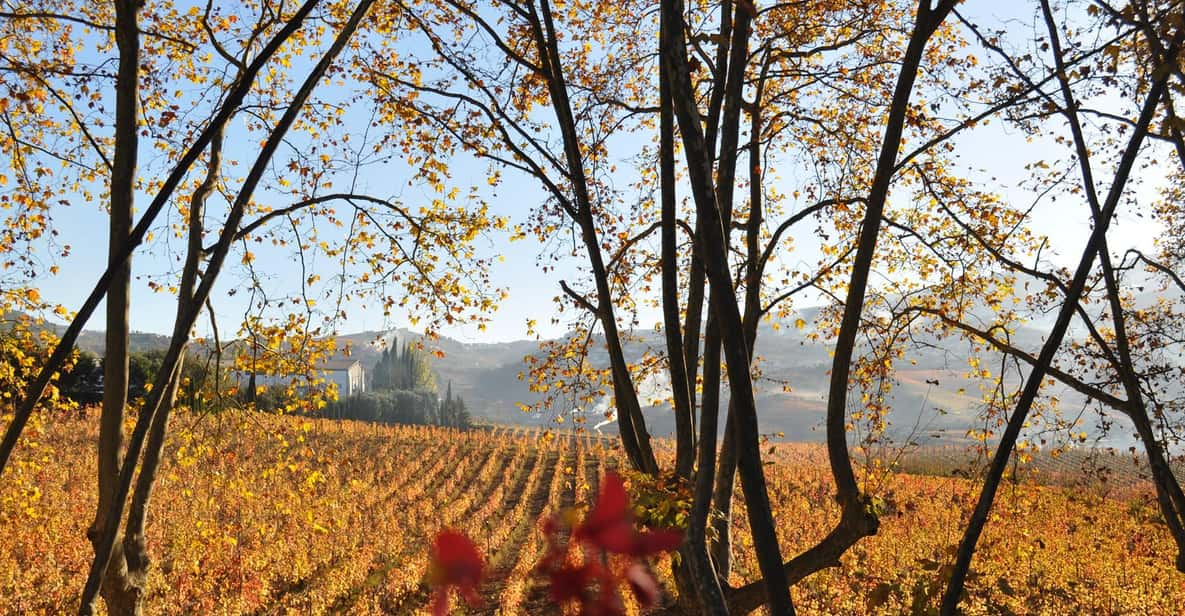
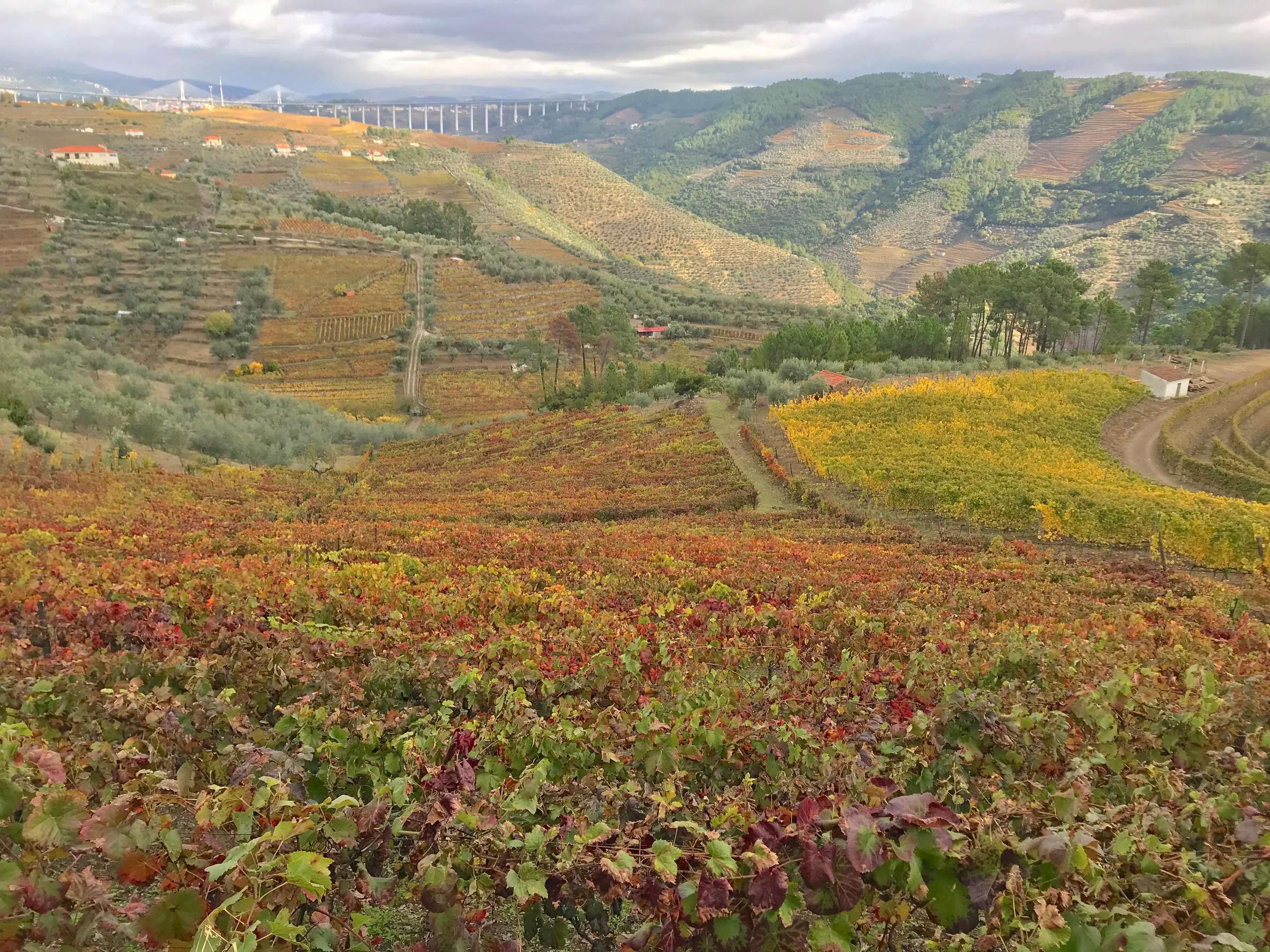
Harvest changes what you see and hear. From mid-September to mid-October the valley turns amber and gold, crews hand-pick grapes from dawn and the air carries the scent of fermenting must. September is the busiest month on the trails, with October close behind; the trade for the spectacle is company and booked-out tables.
Spring, late April to June, brings bright green terraces and wildflowers without the crowds. October is the wettest month of all, so a rain shell earns its place in the pack.
Best months for hiking and sightseeing in the Douro Valley
June is one of the busiest months of the year, offering 15 hours of daylight and warm 24.1°C highs before peak summer sets in.
HighestApr to Jun, Aug to Sep
In betweenJul, Oct
LowestNov to Mar
Darker: a higher how busy it gets score, out of 5
Tap a month to read it.
August is packed with summer travelers despite scorching 29.3°C highs that create significant midday heat exhaustion risk on trails.
HighestJun to Aug24.1 to 29.3 °C
In betweenApr to May, Sep to Oct16.5 to 22.2 °C
LowestNov to Mar8.9 to 12.7 °C
Darker months: higher, from 8.9 to 29.3 °C
Tap a month to read it.
October remains moderately busy early on, offering mild 19.0°C highs for sightseeing before heavier autumn rains arrive.
HighestOct to Jan112 to 159 mm
In betweenFeb to May, Sep59 to 94 mm
LowestJun to Aug6 to 49 mm
Darker months: higher, from 6 to 159 mm
Tap a month to read it.
August is packed with summer travelers despite scorching 29.3°C highs that create significant midday heat exhaustion risk on trails.
HighestJul to Aug29.6 to 30 days
In betweenMay22 days
LowestJun, Sep to Apr17.8 to 21.4 days
Darker months: higher, from 17.8 to 30 days
Tap a month to read it.
October remains moderately busy early on, offering mild 19.0°C highs for sightseeing before heavier autumn rains arrive.
HighestOct0.4 days
In betweenFeb0.2 days
LowestMar to Sep, Nov to Jan0 days
Darker months: higher, from 0 to 0.4 days
Tap a month to read it.
Read the months against your own calendar: May and June give long green days with room to move, September gives the harvest show with the biggest crowds, and a quiet estate visit lands best on a Tuesday or Wednesday, since Saturdays draw the heaviest surges and many wineries close on Sundays.
A single excursion runs 3 to 5 hours on easy-to-moderate routes through areas like Cotas, with a viewpoint stop, a picnic and transfers handled.
A multi-day walking journey runs 3 or 5 consecutive mornings on the trail, with nights in rustic accommodation, local lunches with wine, dinners at village restaurants and transfers for the whole trip. Someone else carries the logistics either way.
The 3-Day Walking Journey in Douro Valley - All-Inclusive bundles private guided hikes, three lunches with drinks, two dinners and two nights of lodging, with afternoons free to rest or explore. Its trails finish by midday, so the afternoon stays yours.
The calendar matters as much as the format. Porto needs two full days on its own, so plan the valley as an independent third day, and two nights in the valley reward you far more than a rushed round trip.
"Day hike, 3-day or 5-day walking trip"
One-day guided hike
3-day journey
5-day journey
Length
3 to 5 hours on trail
3 mornings hiking, 2 nights away
5 mornings hiking, 4 nights away
Fitness needed
Easy to moderate, any steady walker
Easy to moderate, most levels
Easy to moderate, most levels
Meals
Picnic or open-kitchen lunch
3 lunches, 2 dinners, wine included
5 lunches, 4 dinners, wine included
Logistics
Return transfer included
Accommodation, meals and transfers handled
Accommodation, meals and transfers handled
Fits
A third day out of Porto
A dedicated wine-and-walking break
A full week built around the valley
One-day guided hike
Length
3 to 5 hours on trail
Fitness needed
Easy to moderate, any steady walker
Meals
Picnic or open-kitchen lunch
Logistics
Return transfer included
Fits
A third day out of Porto
3-day journey
Length
3 mornings hiking, 2 nights away
Fitness needed
Easy to moderate, most levels
Meals
3 lunches, 2 dinners, wine included
Logistics
Accommodation, meals and transfers handled
Fits
A dedicated wine-and-walking break
5-day journey
Length
5 mornings hiking, 4 nights away
Fitness needed
Easy to moderate, most levels
Meals
5 lunches, 4 dinners, wine included
Logistics
Accommodation, meals and transfers handled
Fits
A full week built around the valley
Scan the last row first: the one-day hike asks nothing of your schedule except a free day, while the 3- and 5-day journeys ask for a proper block of time and give the valley back in depth.
Tour for this
3-Day Walking Journey in Douro Valley - All-Inclusive3 days · Free cancellation
Leave early and you beat everything. A van out of Porto around 7:30 am to 8 am, or closer to 7 am in harvest season, arrives before the coaches that roll out between 8 am and 9 am.
The drive to Peso da Régua takes about 85 minutes without traffic, and reaching Pinhão adds roughly half an hour more.
The train is the slow, lovely way. The Linha do Douro hugs the river for the last stretch, taking about 2 hours 20 minutes to Pinhão, but it is point-to-point only: no commentary, no uphill connections to estates. Sit on the river-facing side and open the window.
One stretch deserves a word if your stomach is sensitive. The N222 from Régua to Pinhão packs 93 bends into 27 kilometers. Drivers warn passengers before the twisty parts and the curves are gentle at a slow pace, but a nervous traveler might rather take the train and hike from the station.
From Lisbon, forget the day trip. The round trip alone eats 7.5 to over 8 hours of driving, leaving nothing for trails or tastings. Porto is the gateway for walking days.
And once you are off the van or train, the river towns themselves fill the gaps between hikes: museums, riverside statues and the Lamego castle all sit within a short walk or drive of the starting points.
A rental car trades one thing for another: the driver loses the tasting. Portugal sets the legal blood alcohol limit at 0.5 g/l, and one or two pours at an estate can reach it, with police checking drivers on these rural roads. If you drive, one of you stays off the wine, full stop.
The roads themselves ask concentration. Tracks between quintas run steep, narrow and winding, and with few river crossings, estate-to-estate distances stretch far beyond what the map promises. The A4 through the Marão Tunnel does make the first leg fast, about 75 to 85 minutes from Porto to Régua.
Parking in Pinhão is workable but tight. Spaces line the riverside road and the area near the railway station, and in peak season you should budget extra minutes to find one.
Ride-hailing apps are famously unreliable out here, with drivers declining or cancelling requests. Ask a winery to call a taxi for you, or take a card from your first driver and book him directly for the return leg.
Driving yourself
Rent a car in PortoCompare cars from the rental companies in one search, then pick yours.
Pinhão station is a genuine trailhead. Leave the platforms, turn left, cross the road bridge over the Pinhão river within ten minutes and turn right to follow the markers.
The official noticeboard for the Pinhão to Provesende route stands about 100 yards from the restaurant Cais da Foz. That climb takes 1 hour 45 minutes up and 50 minutes down, and the steep out-and-back to the Casal de Loivos viewpoint runs about two hours round trip.
Two habits keep solo walkers out of trouble. First, load offline maps with GPX tracks before you set out: cellular data regularly fails in the side valleys, and Google Maps handles rural dirt tracks and terrace junctions poorly.
Second, trust the paint. Trail markers are usually painted straight onto rocks, walls, fences and utility poles, so wooden signposts stay rare out here.
There is no practical bus service up to villages like Provesende, so plan to hike both ways. Estate restaurants outside the villages stay unlit, narrow and footpath-free after dark, so finish on foot by evening.
For a tasting before the train home, Quinta do Bomfim sits five minutes from the platforms and Quinta de la Rosa about 15 to 20 along the river, though many quintas turn walk-ins away.
Recommended"mistake": Setting out from Pinhão without preloaded offline maps and GPX tracks is the one mistake first-timers regret; signal and paper notes both fail between the terraces.
Shoes first, because the ground votes last. Schist terraces and stone steps demand sturdy closed-toe walking shoes or boots with strong grip. Flip-flops, heels and smooth-soled sneakers stay in the bag; the tracks turn loose, steep and slippery when wet.
The season writes the rest of the list. Summer means breathable layers, a sun hat and sunscreen on exposed slopes, plus water for unshaded stretches. Autumn and winter ask for a waterproof jacket and deeper tread on slick rock. Spring mornings run cool with passing showers, so layers that come off work best.
Clothing and footwear by season for Douro terraces
Jun to AugHot and dry with highs near 29°C; wear breathable lightweight clothing, a wide-brim sun hat, sunglasses, and grippy closed-toe shoes.
Sep to OctWarm harvest days cooling to 11°C with autumn rains; wear breathable layers, a water-resistant shell, and sturdy shoes with solid traction.
Nov to FebCold and wet with highs around 9-13°C and slick schist; wear warm thermal layers, a waterproof jacket, and hiking shoes with deep tread.
Mar to MayMild spring weather with cool mornings and passing showers; wear adaptable layers, a light rain jacket, and supportive walking shoes.
One small thing catches travelers out: certain day tours ask for a passport or ID card at check-in, so carry the document itself instead of leaving it at the hotel.
Children belong on these trails more than most visitors expect. Guided hikes run from easy to moderate, and many quintas keep short estate walks, vineyard paths and picnic spots that suit families; the nearby Parque Natural do Alvão adds marked routes for every age. Keep the distances short and the water bottles full.
The car seat law is the rule parents actually need. Under the Portuguese Highway Code, children under 12 or shorter than 135 cm must ride in an approved restraint suited to their size, in the rear seats, and tour vans must comply like any private car.
A child under 3 may only sit in front in a rear-facing seat with the airbag off. The driver carries the legal responsibility, so check the operator can supply a seat before you book.
Some honesty about limits: several walking tours and vineyard sites are not suitable for wheelchair users, people with mobility impairments, back or heart problems, and some multi-day trips exclude pregnant women. Stairs and uneven ground come with nearly every estate visit, so pick routes with that in mind.
The valley's most-published rule: many smaller and prestigious quintas do not accept walk-ins, so arriving without reservations risks being turned away or finding nothing open.
Book tastings 3 to 4 weeks ahead in normal times; in the September and October harvest, estate restaurant tables and boutique tasting rooms fill 1 to 2 months out, with prime weekend slots gone 2 to 3 months ahead. Riverside estate rooms sell out 2 to 4 months before harvest.
Rain does not cancel a walking day, it reshapes it. Tours run rain or shine, so vineyard walks move into barrel cellars and covered tasting rooms, and terrace lunches shift to sheltered estate dining. Boats keep running with covered seating, and operators only swap the cruise for a land activity when sailing turns unsafe.
The window that buys flexibility: most tours refund in full if you cancel 24 hours ahead.
"If plans or weather change"
If this happens
What happens then
You cancel 24 hours or more ahead
Full refund
A guided walk meets heavy rain
The route moves into barrel cellars and covered tasting rooms
A boat cruise becomes unsafe
A land activity replaces it, or a date change or refund
Extreme heat arrives
Walks and lunches shift to shaded or indoor estate spaces
That table is worth a look before you pay, because it tells you exactly what a wet or scorching forecast does to your booked day: the money comes back if you cancel a day out, and the walk itself simply moves under a roof.
Sweet-tooth skeptics can relax: a walking tour's tastings pour far more than Port. Estates regularly serve DOC Douro red, white and rosé table wines alongside fortified selections, and many leading quintas focus heavily or entirely on dry reds and whites.
Pace yourself with the numbers in mind. Port runs 19 to 22% alcohol, with lighter white styles from about 16.5%, so sip slowly and alternate with water. The law sets the floor: no alcohol for anyone under 18.
Bottles travel home more easily than most hikers fear. Buy at the estate shop, then check them in, since 750 ml bottles cannot pass security in carry-on bags; wrap each one in clothing or padded sleeves, away from suitcase edges.
Several quintas ship internationally through specialist carriers in dedicated boxes, though availability and import eligibility vary, so ask before you buy.
Bottles bought past security at the airport can ride in the cabin only inside a sealed tamper-evident bag with the receipt. Port under 24% ABV faces no quantity limit in checked bags beyond your airline's weight allowance, and travelers to the United States should declare anything beyond the one-liter duty-free allowance.
Walking the Douro terraces is the one way to feel the two thousand years of stone under your boots, and the routes run easier than they look. Pick your month, pack grippy shoes, book ahead and the day delivers. Take the van if mobility, knees or a tight budget say so.
Go ifYou want the valley on foot and can handle a steady 4 to 6 hour hill walkYou have three days in Porto and can give a day, or better two nights, to the valleyYou are traveling between April and June or September and October
Skip ifYou have mobility limits, back or heart problems, or you are pregnant, where several routes are off-limitsYou have only two days in Porto and cannot spare the dayYou want tastings, lunch and a cruise handled with zero effort
Our pick to book
Douro Valley: Guided Hikes with Ruins & River Views5.0★ (3) · 3 - 5 hours · Free cancellation
Common questions about walking tours in the Douro Valley
Short answers to what walkers ask before lacing up their boots in the valley.
2026
Today we walked the old terraces to the Lagares do Cíbio ruins, then ate at an open kitchen over the river. Bring shoes with grip; the schist is slick when wet.
How hard are the Douro Valley walking tours?
Easier than the terraces look. Guided hikes here run from easy to moderate difficulty, with routes of 4, 7, or 9 km spread over three to five hours. Multi-day journeys follow the same easy-to-moderate grade each morning, so most reasonably fit walkers manage them without strain.
How far do you walk in a day on the trails?
A comfortable day on Douro Valley vineyard hikes covers roughly 10 to 15 kilometers over four to six hours at a leisurely pace. Shorter introductory routes take about three hours, and rest stops at viewpoints are part of the plan.
Can I go on a self guided walking tour of the Douro Valley?
Yes, from Pinhão. A marked route runs from the train station up to Provesende, about one hour and 45 minutes uphill and 50 minutes back down. A steeper out-and-back hike to the Casal de Loivos viewpoint takes around two hours. Both start on foot from the station.
Do I need a guide, or can I walk alone?
A guide earns their keep on the rural tracks. Cellular data regularly fails deep in side valleys, and standard map apps handle the dirt tracks and turns between terraced vineyards poorly. Downloaded GPS coordinates are essential if you go alone.
What shoes should I wear on vineyard trails?
Sturdy shoes with real grip. The paths mix dirt tracks, loose stone, cobblestones, and wet schist rock on steep climbs and descents, and smooth-soled running shoes slide on all of it. Hiking shoes or trainers with deep tread are the safe choice.
Is the summer heat a problem for hiking?
It runs hotter than Porto. July and August afternoons average 28.1°C to 29.3°C in the valley, several degrees above the coast, with little shade on the terraces. Wear light clothing, a hat, and sunscreen, and carry water. Spring and autumn offer gentler walking weather.
What do the trails include beyond walking?
Wine and food at the end of the effort. Single-day guided hikes finish at an open kitchen viewpoint with a picnic, snacks, and water. The multi-day journeys add local or picnic lunches with wine, dinners at regional restaurants, and wine tastings along the way.
Can I taste wine at quintas after walking there myself?
Some, but not all. Quinta do Bomfim and Quinta das Carvalhas sit within a ten-minute walk of Pinhão station, and Quinta de la Rosa is close too. Many other quintas require advance bookings and turn away walk-ins, so reserve before you set out.
Can I combine a morning hike with a boat cruise?
Yes, and Pinhão is the place to do it. Walk the marked terrace trails in the morning, descend to the riverfront, and board an afternoon rabelo boat for a one- to two-hour cruise upstream toward Romaneira or Tua.
Are the hikes suitable for children?
They can be. Guided trails vary from easy to moderate, and many quintas maintain short estate walks and picnic spots that suit families. Nearby Parque Natural do Alvão also offers marked trails for all ages.
Is a walking tour worth it instead of a bus or van tour?
It depends what you want from the day. Walking puts you on the terraces themselves, among ruins and viewpoints the road never reaches. A van tour remains the practical pick if you have limited mobility, a tight budget, or want tastings, lunch, and a river cruise bundled into one day.
Where to go next after your Douro Valley walking trip