
Our pickLikely to sell out
7 hours·French, English
4.7(2,042)
Porto: Douro Valley Full-Day Boat, Train, and Lunch Tour
Free cancellationShared minivanGuide
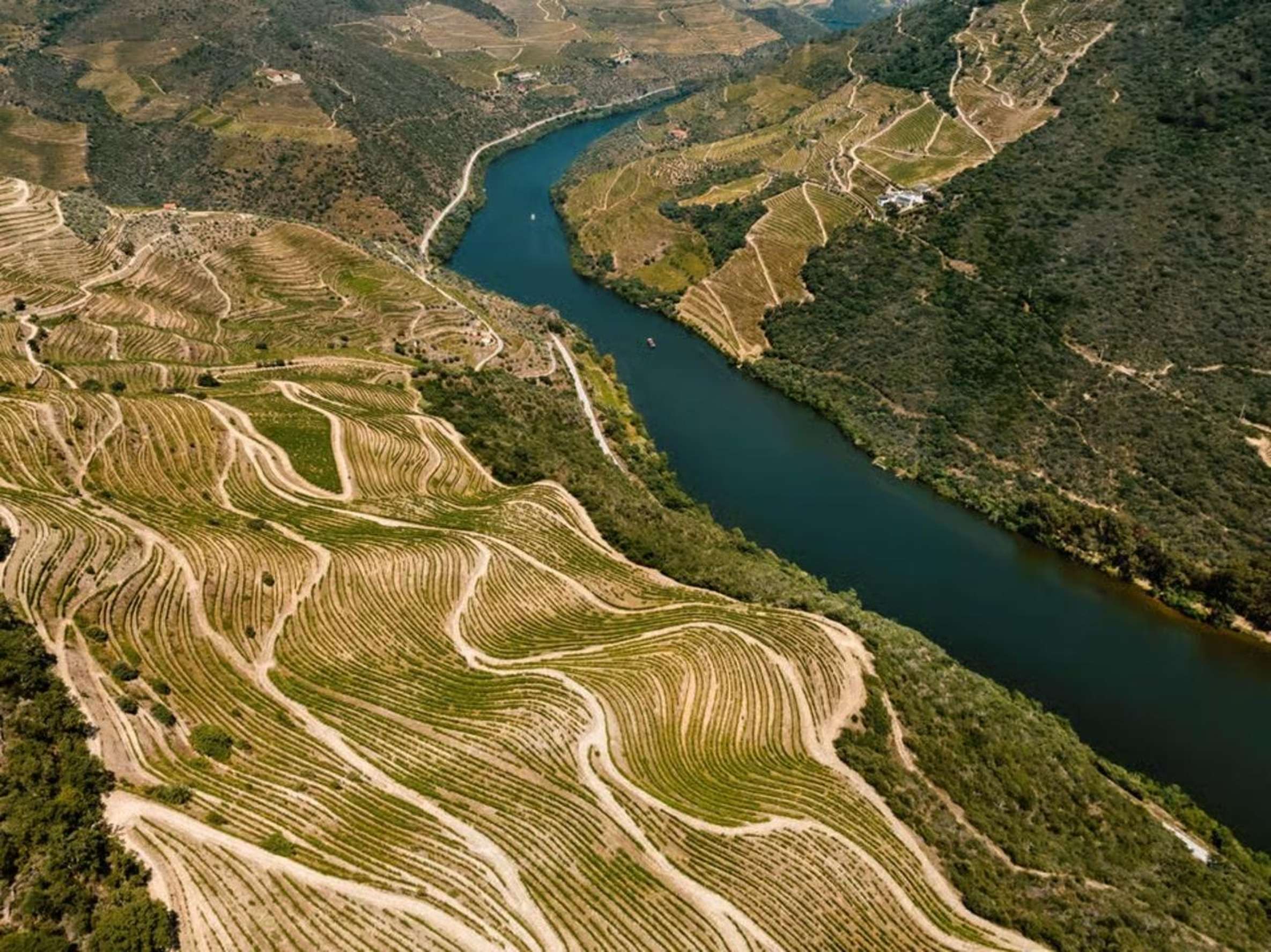
Skip the all-day van ride and give the kids a boat and a train instead. This full-day Douro Valley tour from Porto breaks up the winding roads with a 1-hour river cruise, a scenic rail ride through the terraces, and a family lunch in between. Book the date and let the valley do the entertaining.
Yes, you can book a Douro Valley day trip from Porto with kids here. The closest match is a full-day tour that pairs road travel with a boat ride on the river and a train ride through the valley, so children get three different ways to see the scenery instead of one long van stretch.
It runs about 7 hours and includes lunch and a winery visit with tasting.
It is a shared tour with fixed timing, so naps and snack breaks follow the group schedule. For that kind of pacing, a private Douro Valley tour with kids gives your family the whole vehicle and the power to stop whenever a little one needs air.
You searched for Douro Valley tours with kids, and this page has no exact match on sale. The one we recommend instead comes closest, because it swaps part of the road time for water and rail.
Book the Douro Valley Full-Day Boat, Train, and Lunch Tour for a 7-hour day that keeps children moving between settings.
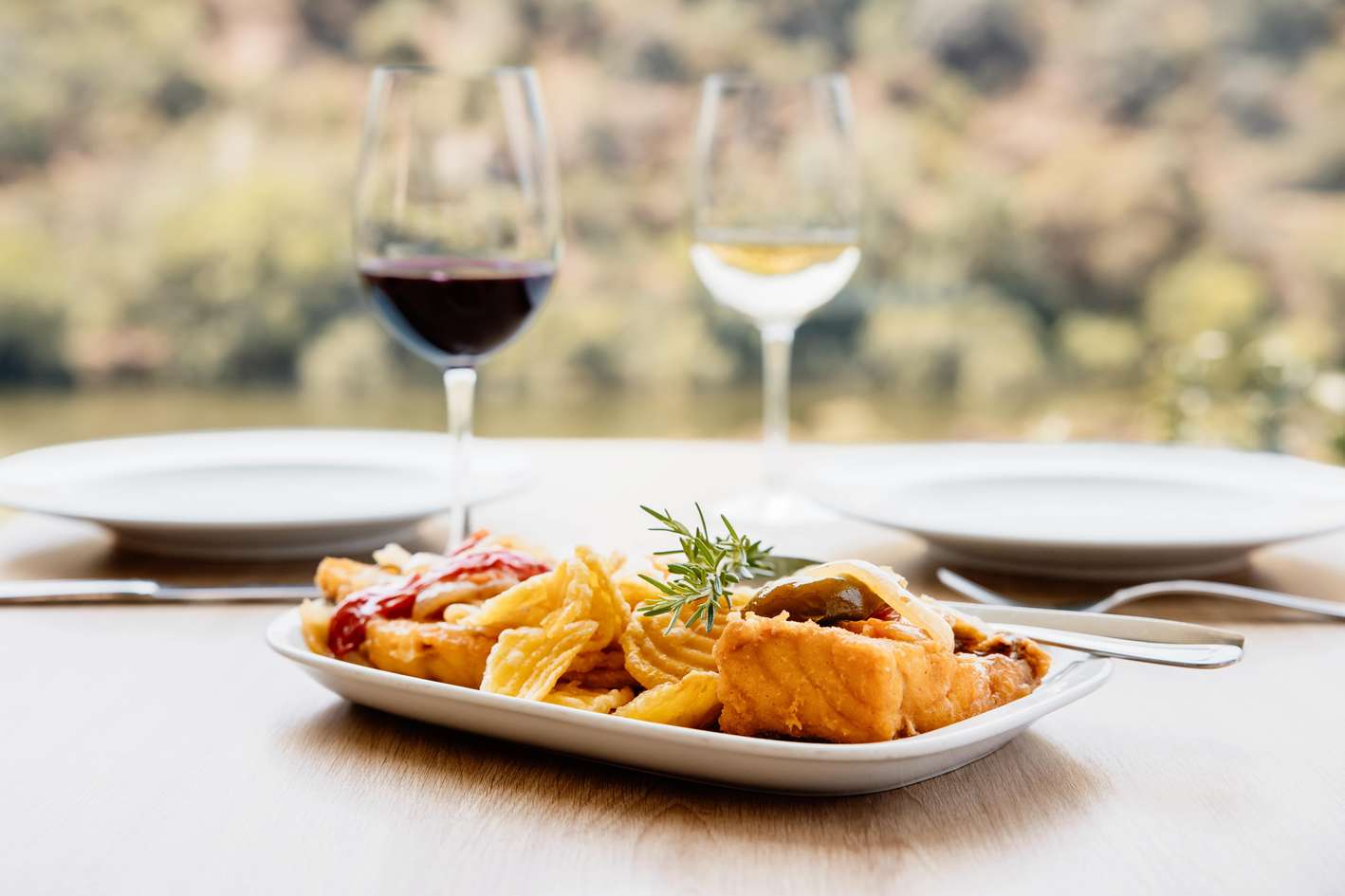
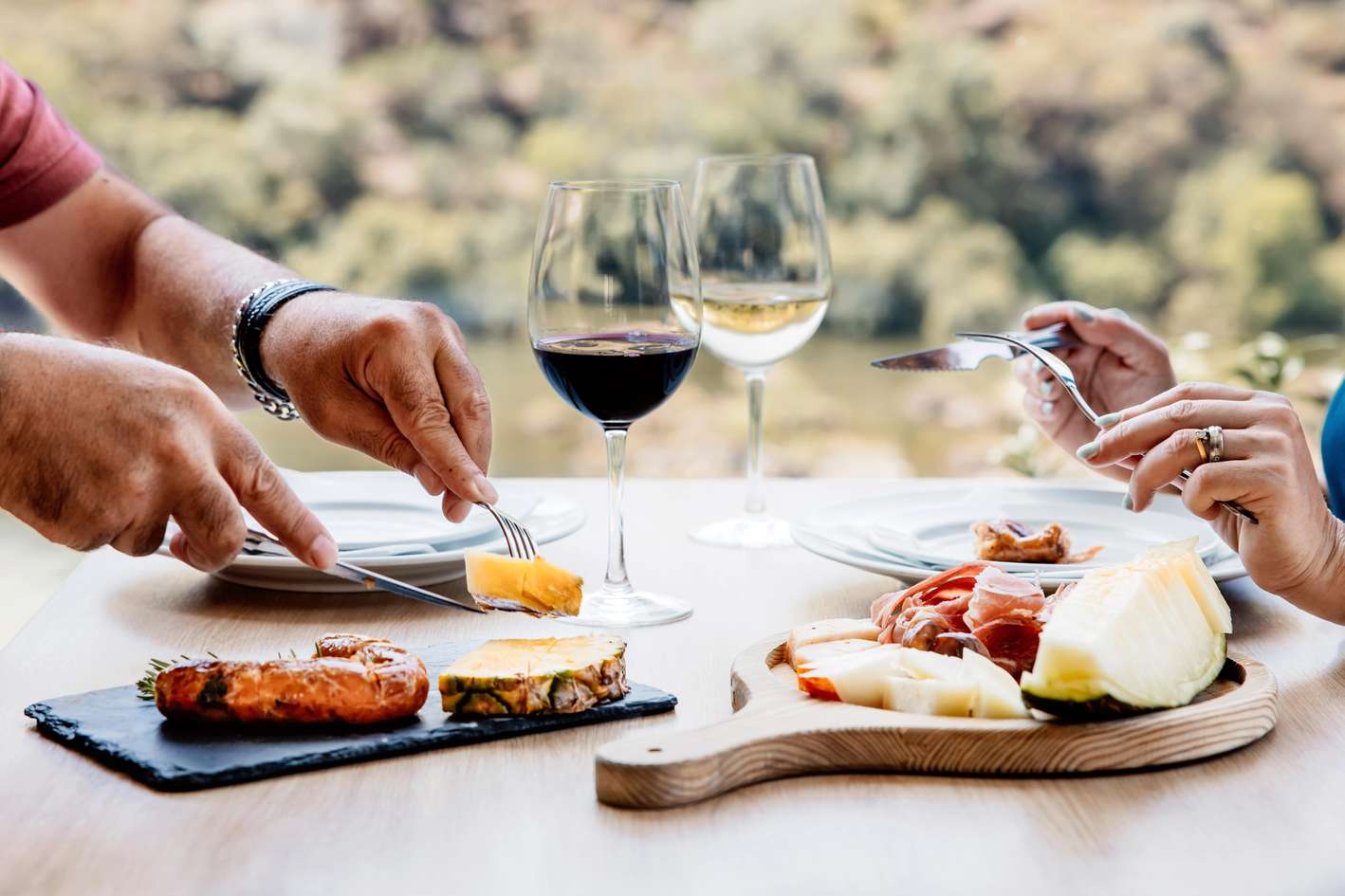
What your kids get: a 1.1-hour boat ride on calm river water, a scenic train ride through the heart of the valley, and lunch at a typical Douro restaurant.
The rail and boat segments give young passengers room to look around instead of sitting through winding mountain roads all day. Adults get a quinta visit with Douro wine tasting, a guide throughout, and a courtesy water bottle on board.
The gap, said plainly: transit between Porto and the valley still runs in a shared minivan, so road travel is reduced, not removed. Pack motion sickness remedies and seats near the driver for the winding stretches.
It suits families with school-age children and teens who enjoy trains, boats, and views. Book well in advance, and cancel free up to 24 hours before if plans change.
Green marks the lowest price. Each price says whether it is per person or per group.


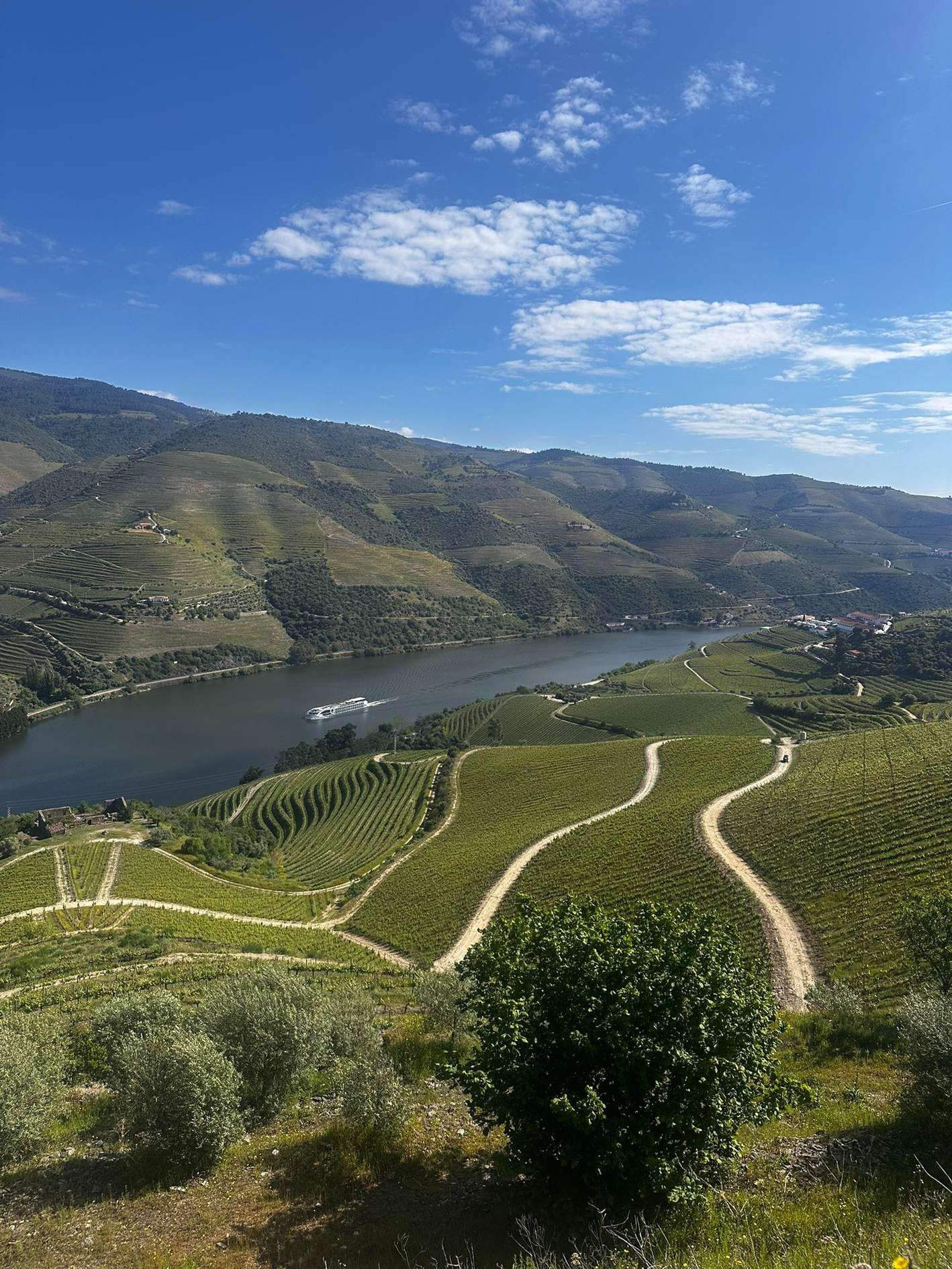

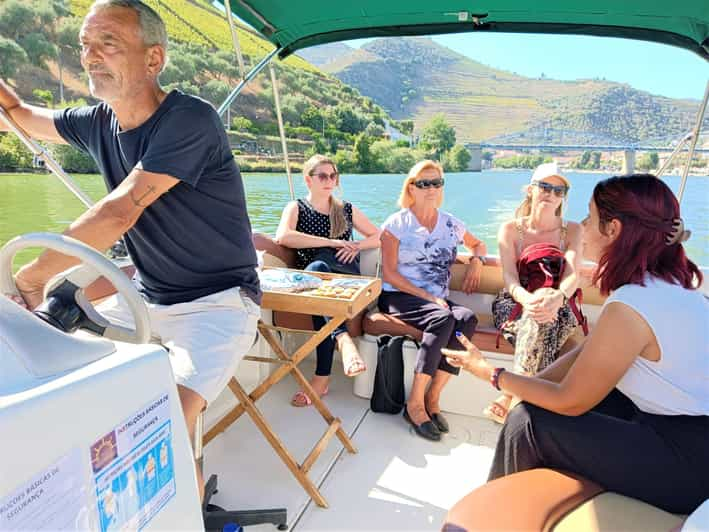
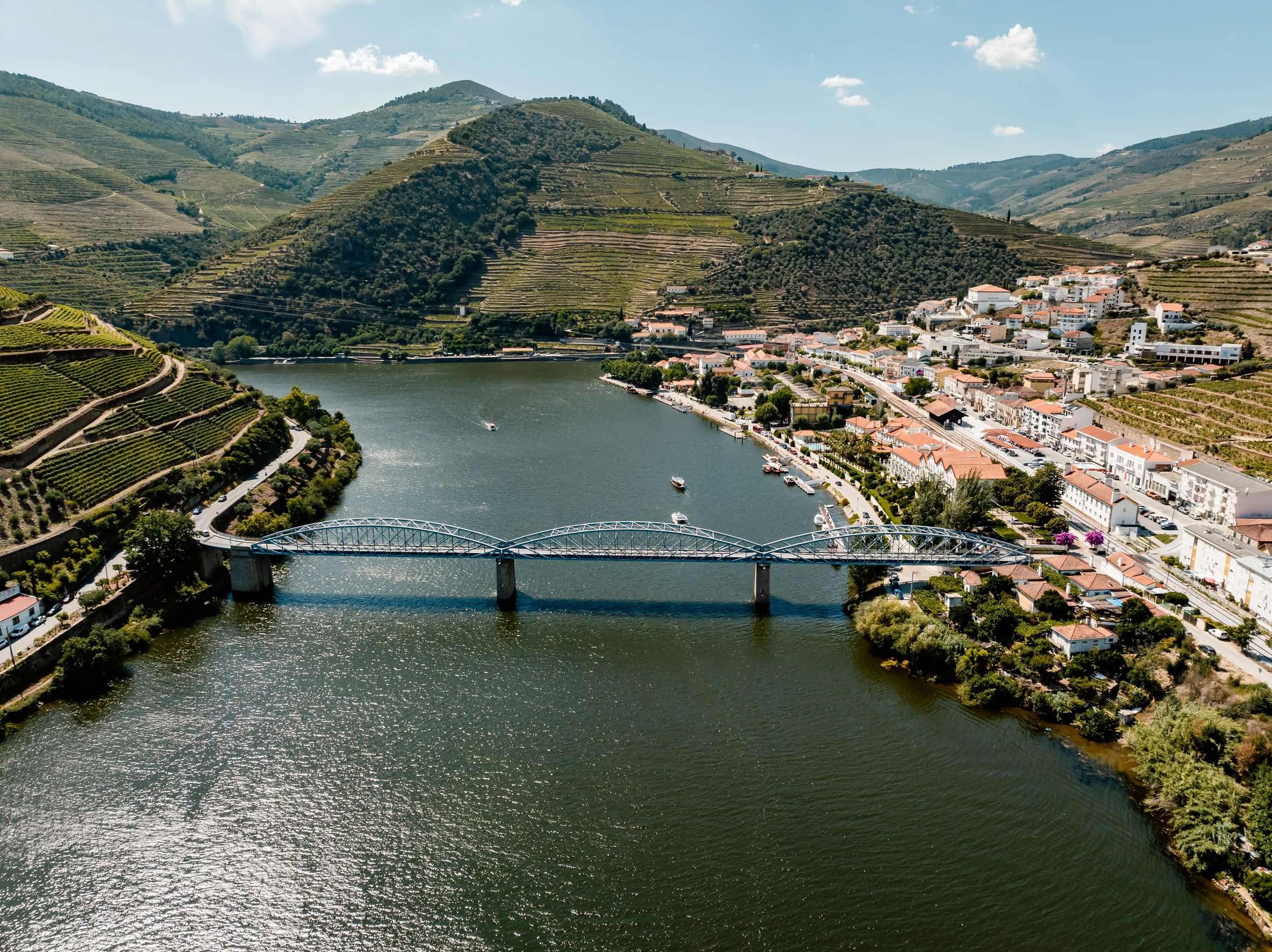
This day trades road hours for river and rail. The drive from Porto takes about an hour and a half, broken by a viewpoint stop before you reach Pinhão.
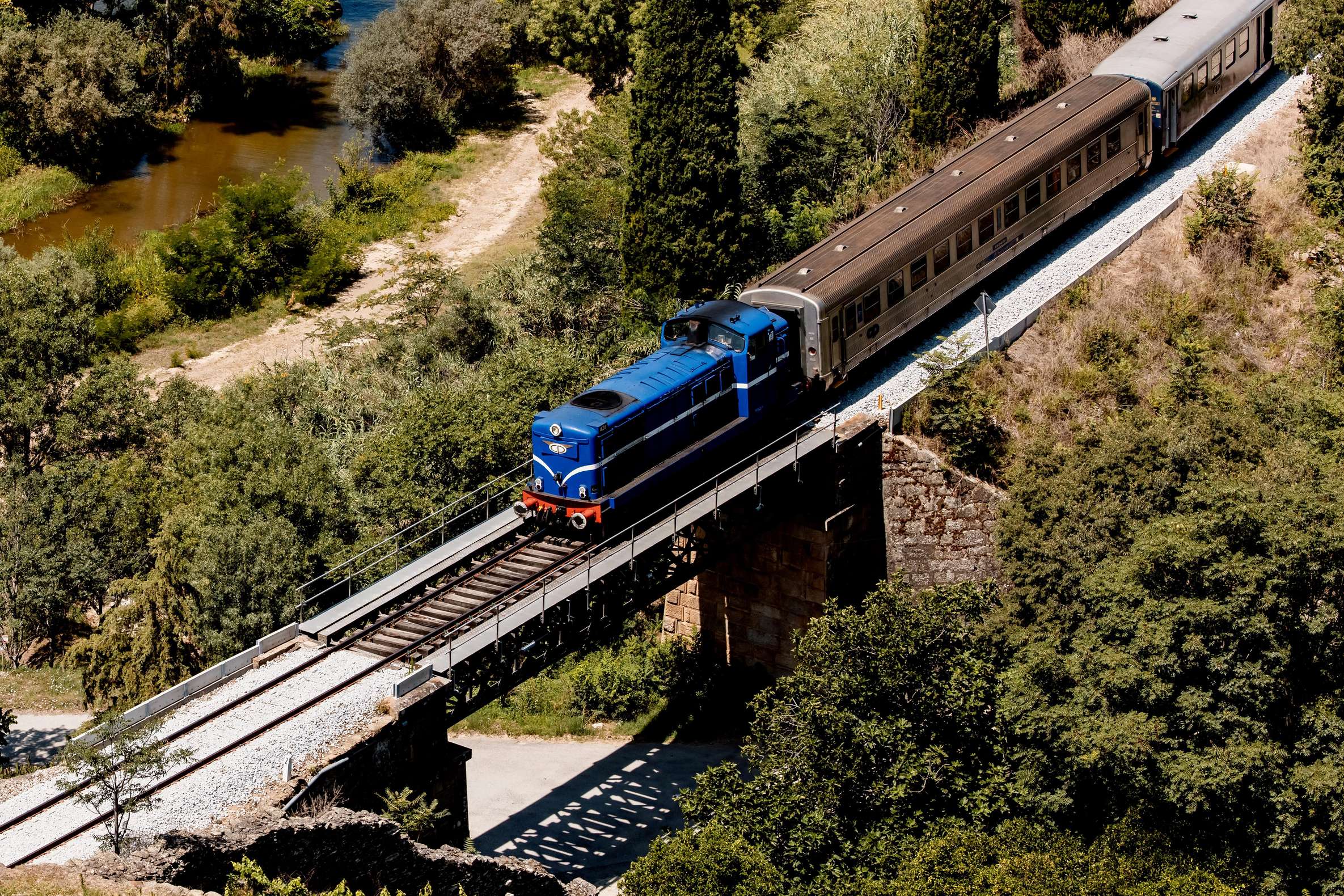
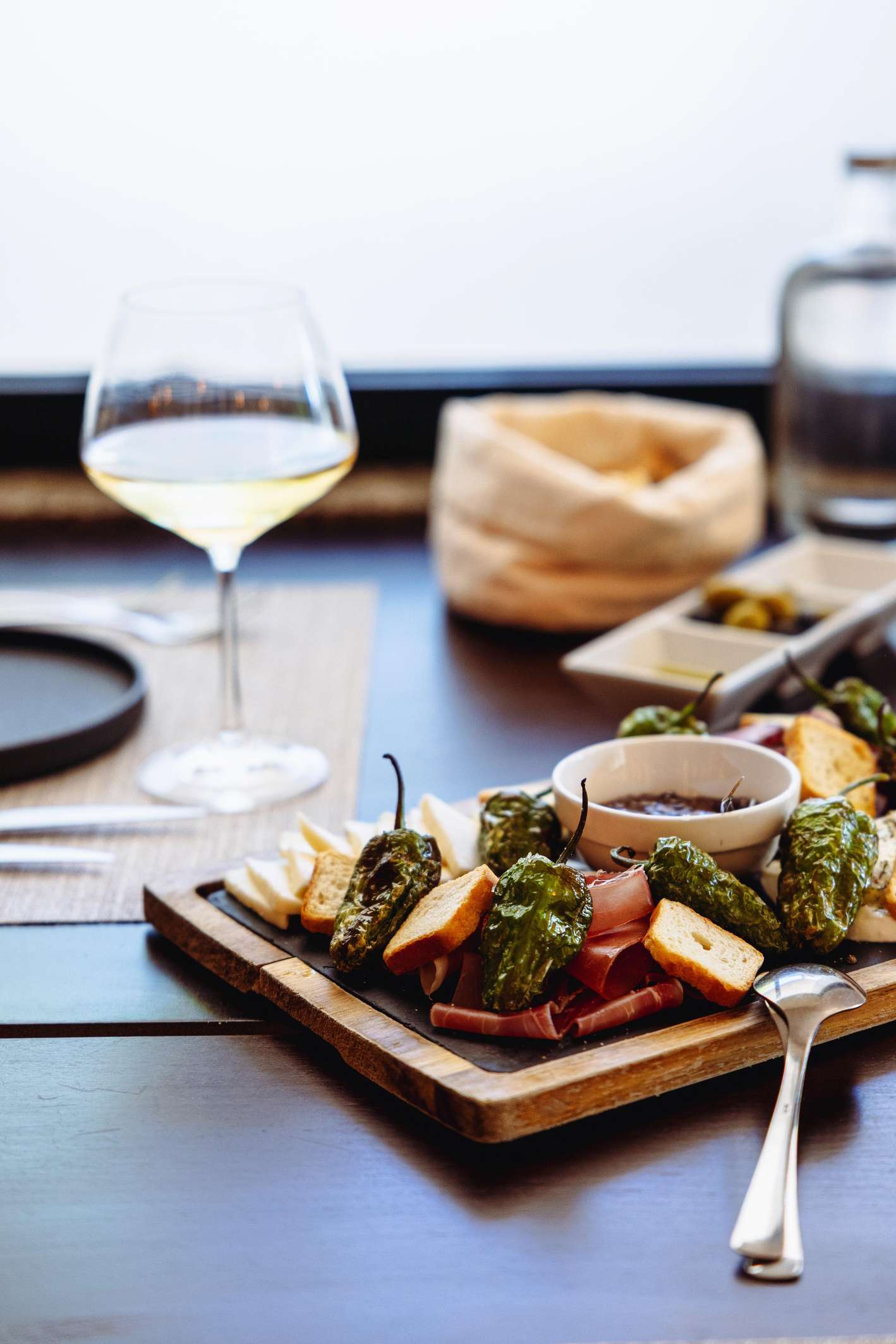
There you board a boat for a long cruise on calm, flat water, then sit down to a two-hour lunch and a short panoramic train ride along the riverbank.
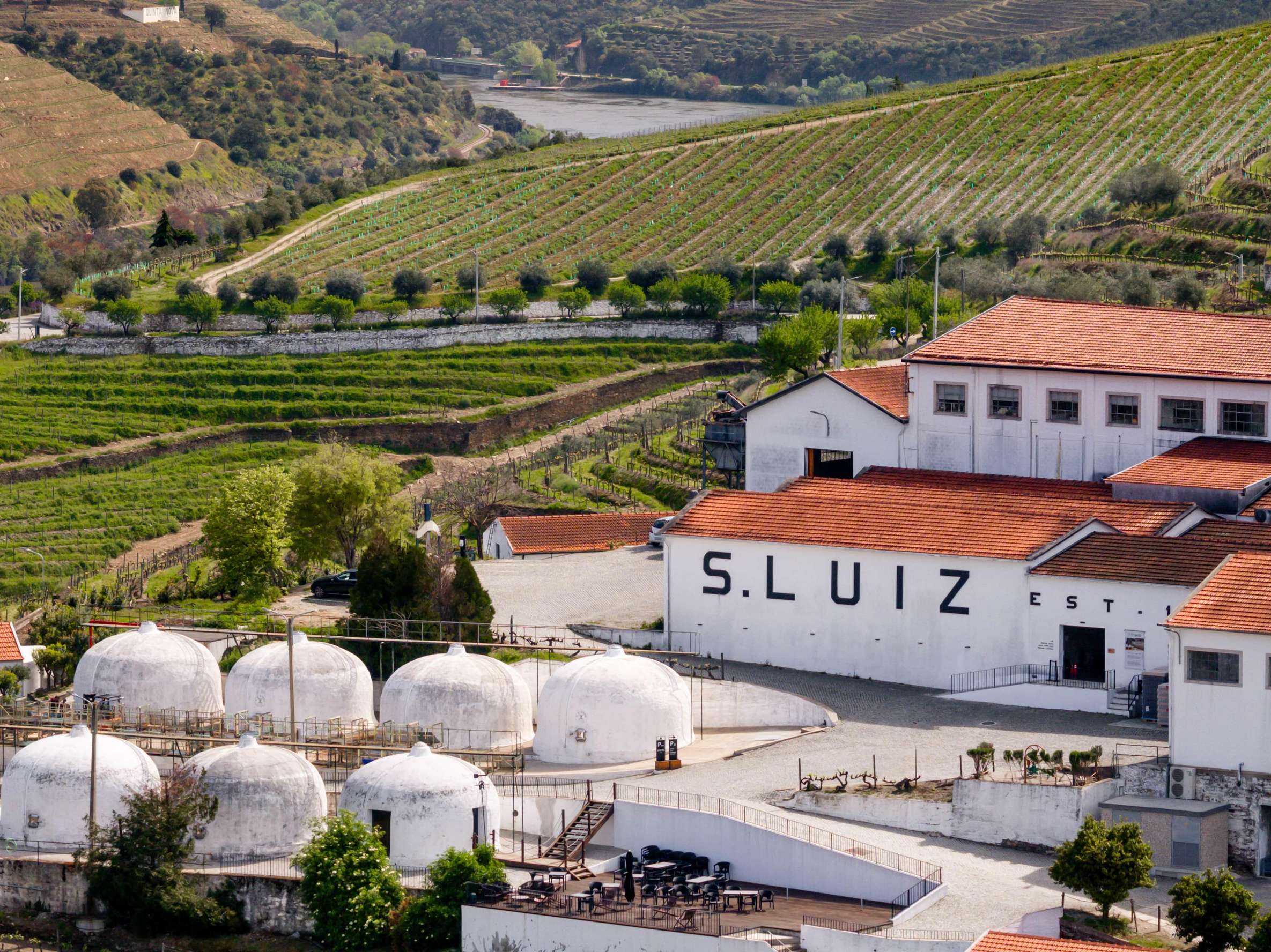
The afternoon closes with a winery visit and tasting of Douro wines, where the stone terraces you have been looking at all day finally come into view up close. Guides on these winding roads give a heads-up before the twisty stretches, and child seats arranged at booking keep the van part of the day easy.
Hola Manuel! What a fab day, truly memorable… even if you struggled with our names!.
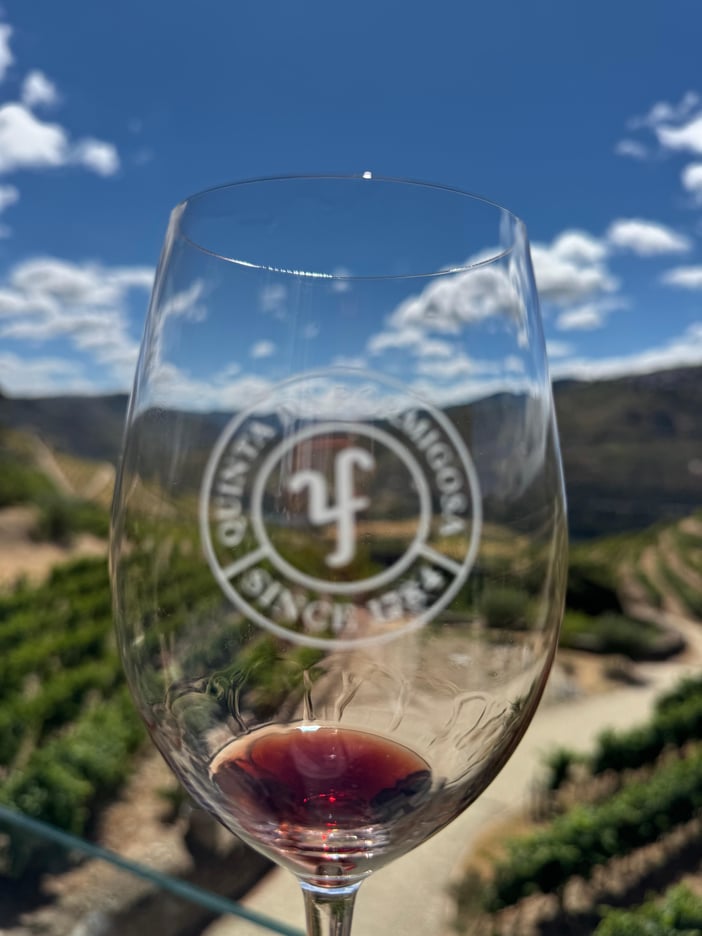
A varied day with several modes of transport to discover the valley. Arriving at the quinta was a highlight, the setting is gorgeous.
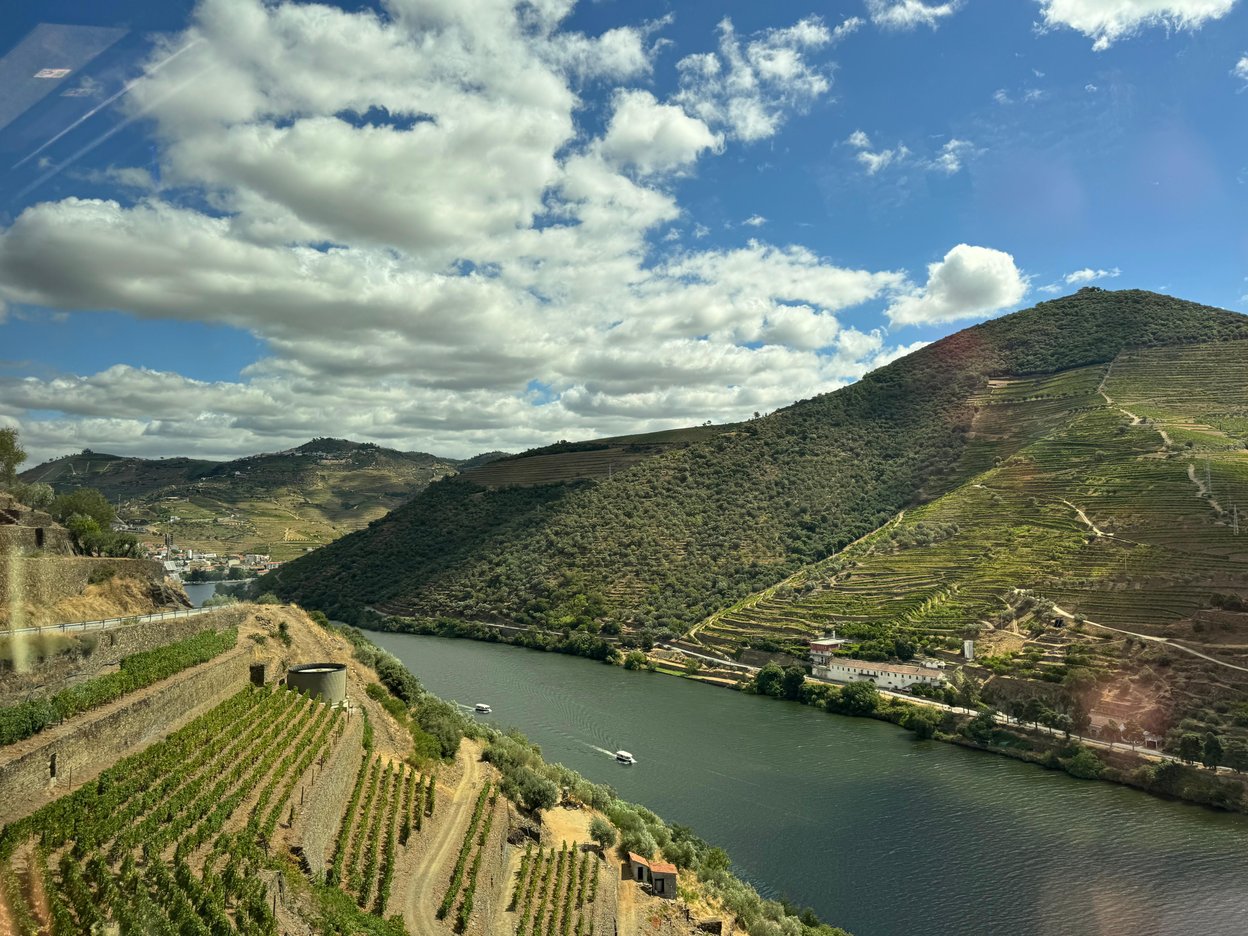
Carlos made our day, his infectious enthusiasm and deep knowledge of the area made it special. The Douro Valley is a must-see; boat, train and meal were spectacular.
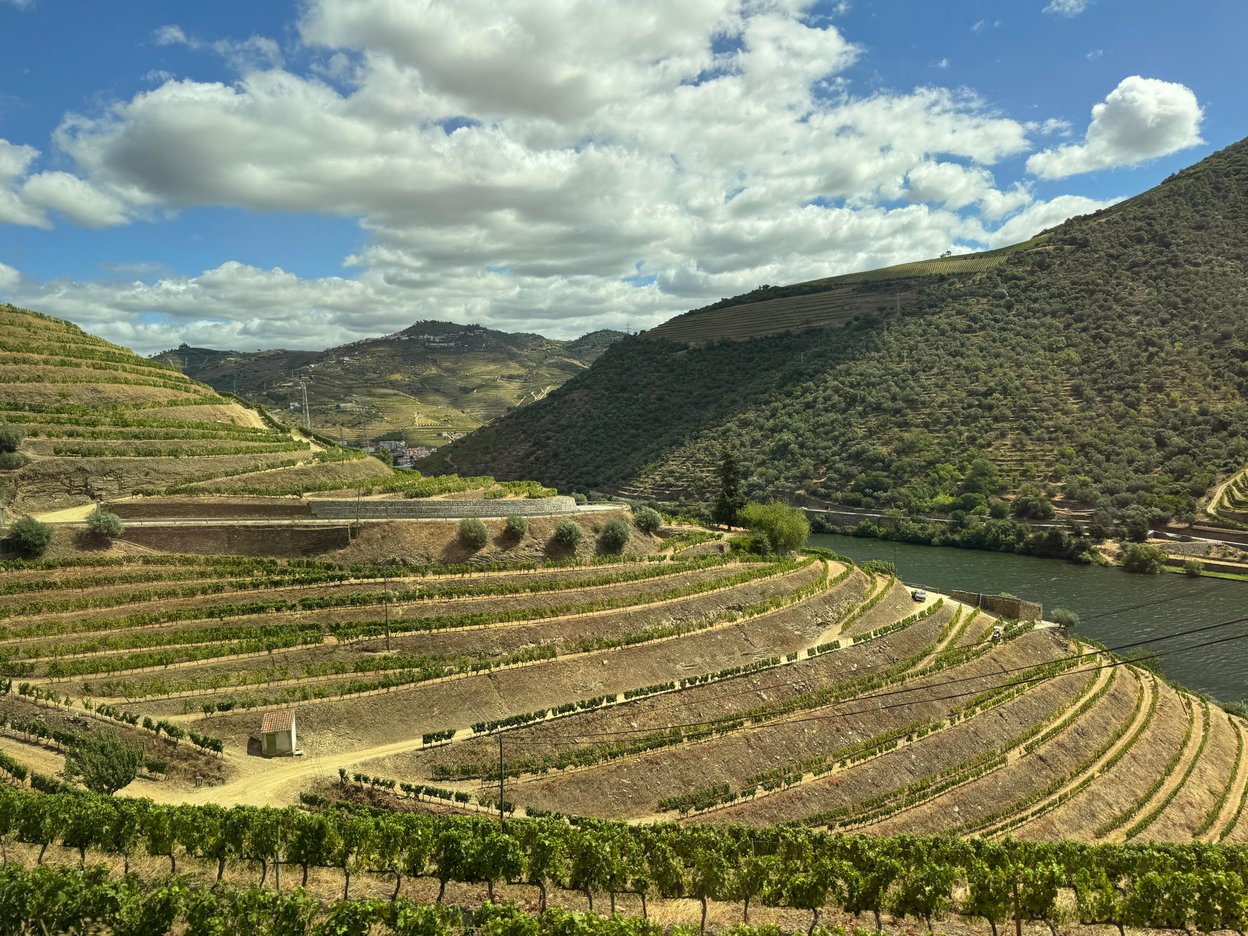
Better than expected, thanks to guide Carlos and driver Antonio. Carlos brought humor, knowledge and passion for Portugal, it felt like your best friend inviting you home.
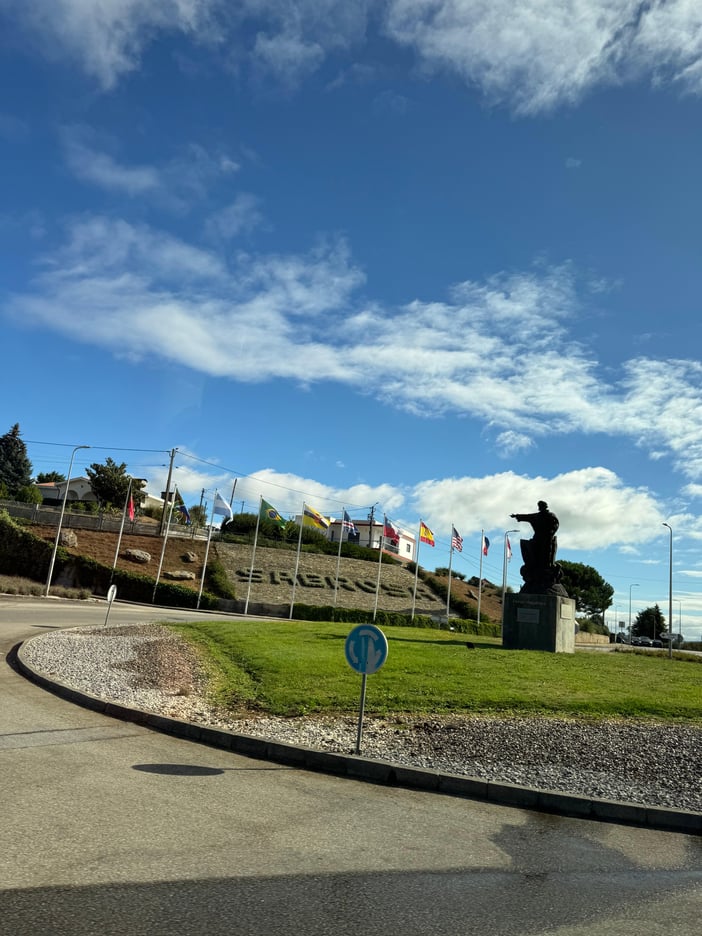
A full day: tasting at a gorgeous quinta, the train ride and Douro cruise, plus a family meal in a.
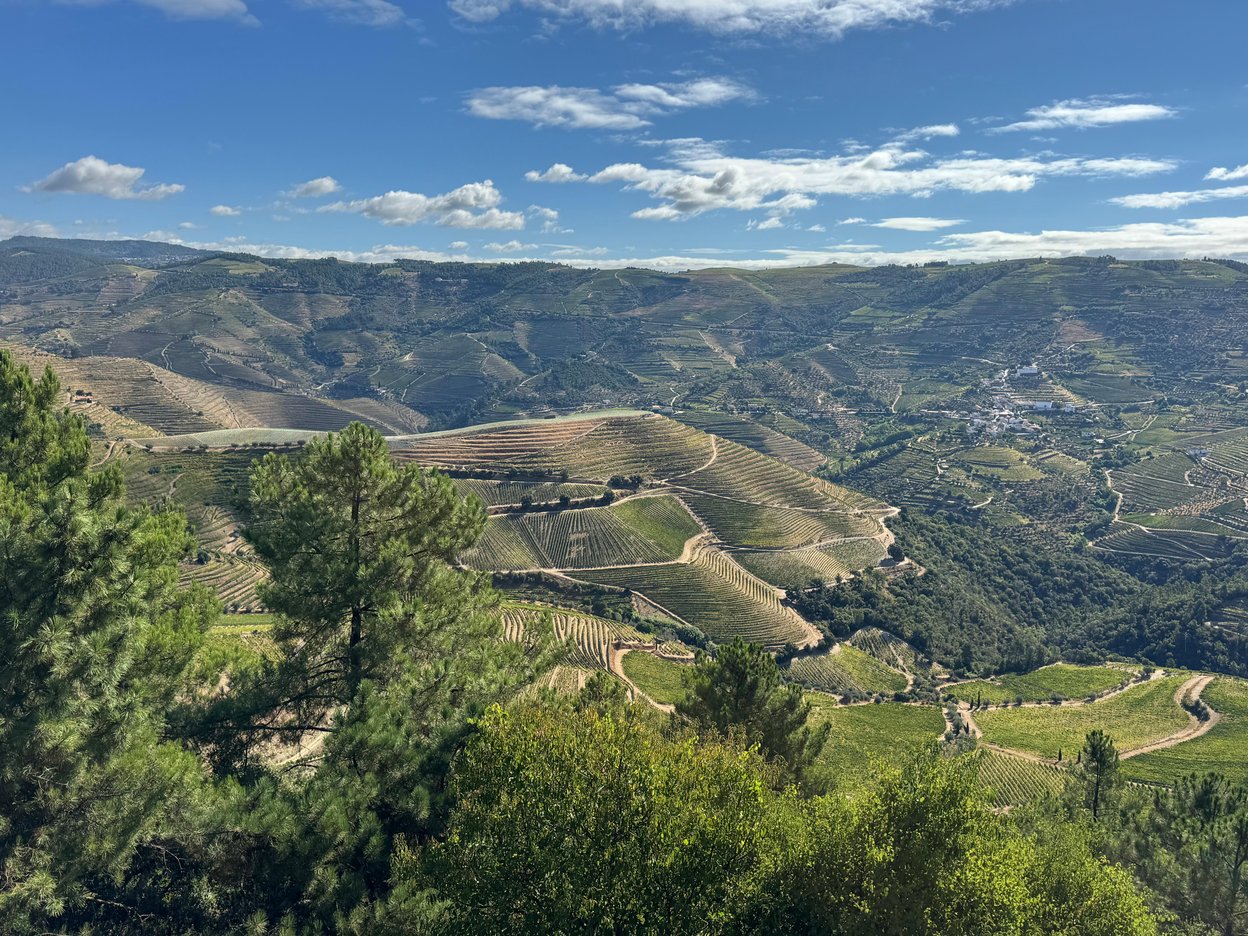
Great experience! Perfectly planned, train, van and boat made it even better. Lunch was delicious: we tried the cod fish and juicy chicken, both excellent.
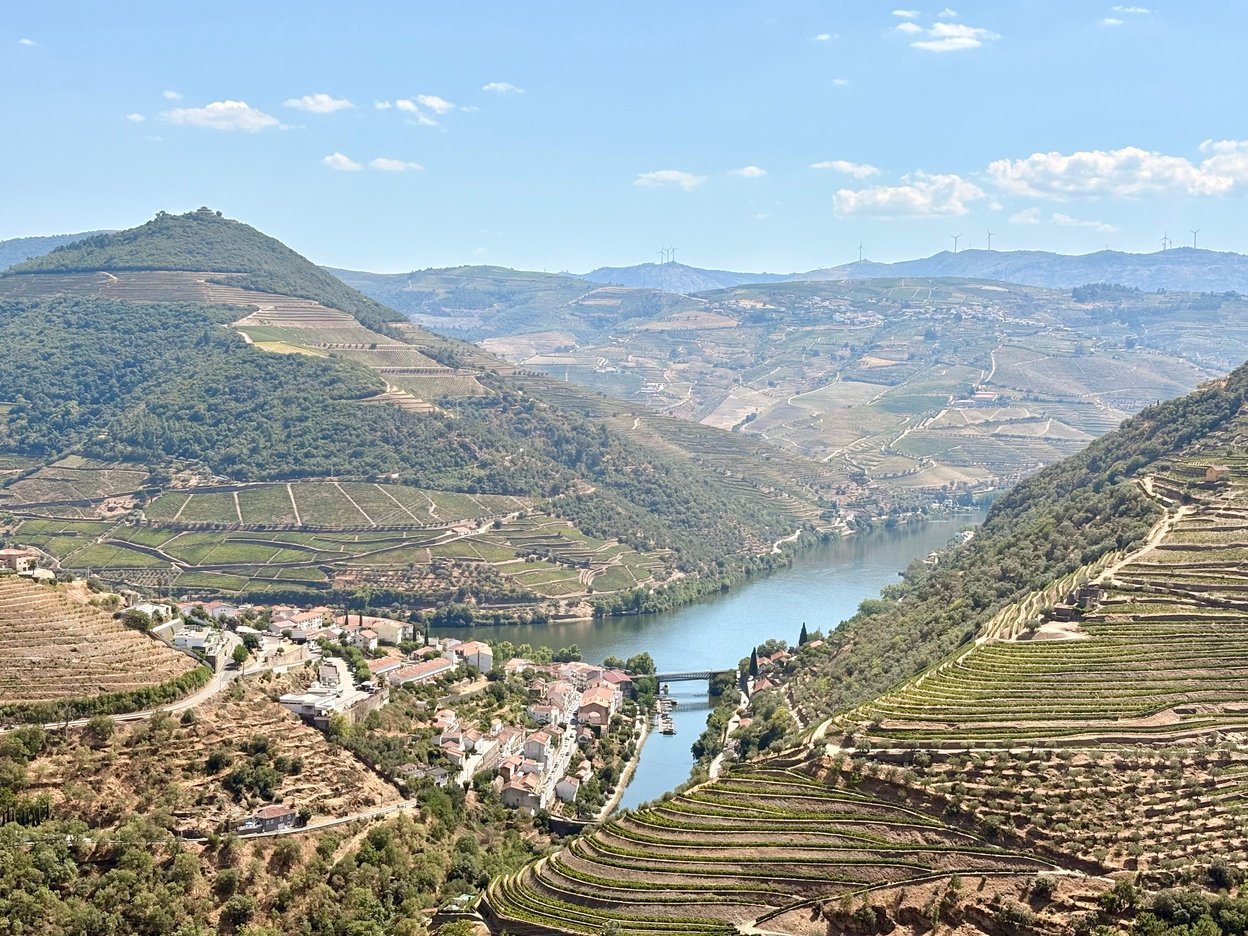
Carlos is the BEST guide! Antonio got us back and forth safely. We were well taken care of, tasting different Ports and enjoying the lovely Douro valley by van, train.
Their guide made the day, praising the stories, humour and photo stops by name.
A few families found the train and boat legs kept their kids more engaged than any van stretch did.
Some reviewers wished for more time at each stop instead of a fast pace between them.
Choose your day first, then decide between a private tour, a small-group minivan, or the boat, train and lunch combination. Book the boat and train tour well in advance, because availability runs out.
When booking, request a car seat or booster seat for each child in writing. Operators only provide restraints on prior request, and children under 12 or under 135 cm must ride in one by law.
Pay through the booking page and save the confirmation email. Most tours let you cancel up to 24 hours ahead for a full refund, which covers a sick child or a changed plan.
Your voucher names the pickup or meeting point. Tours with hotel pickup in central Porto run between 7:30 am and 8 am, and the exact time arrives the day before by email or message. Meeting-point tours gather at spots like Palácio da Bolsa or next to Porto Cathedral.
Arrive 15 minutes before the start time and let the driver know who is prone to car sickness, since seating near the driver helps. Pack snacks, water, sunscreen, hats, and motion sickness remedies.
One of the full-day group tours from Porto takes children only from 6 years old, and one small-group minivan tour draws the line at 3. The private options and the boat and train day have no minimum age, so match the format to your family.
Day tours from Porto fill 7 to 10 hours, driving time included, so a 7:30 am or 8 am start is normal. With toddlers, the boat and train format helps: a river cruise and a scenic train ride break up the road hours. If your child still naps, a private tour lets you build the day around it.
Portuguese law requires an approved child restraint for every child under 12 or shorter than 135 cm, and children ride in the rear seats. Operators provide car seats or boosters only when you ask ahead of time, so request one when you book.
The full-day boat and train tour asks you to book well in advance to secure places, and Douro boat departures can sell out even a day or two ahead. During the September harvest, book at least a week or two out.
Every tour featured here lets you cancel up to 24 hours in advance for a full refund. That gives you room to wait out a fussy week or a doubtful weather forecast without losing the booking.
The valley roads are steep and full of bends, especially the stretch between Peso da Régua and Pinhão. Drivers give a heads-up before the twistiest segments, and packing motion sickness remedies or seating a sensitive child near the driver helps a lot.
A full day out asks for a few things packed in advance:
Certain Douro day tours require every traveler to bring a passport or ID card, children included. Anyone under 18 cannot drink alcohol at tastings, which is the rule rather than a suggestion.
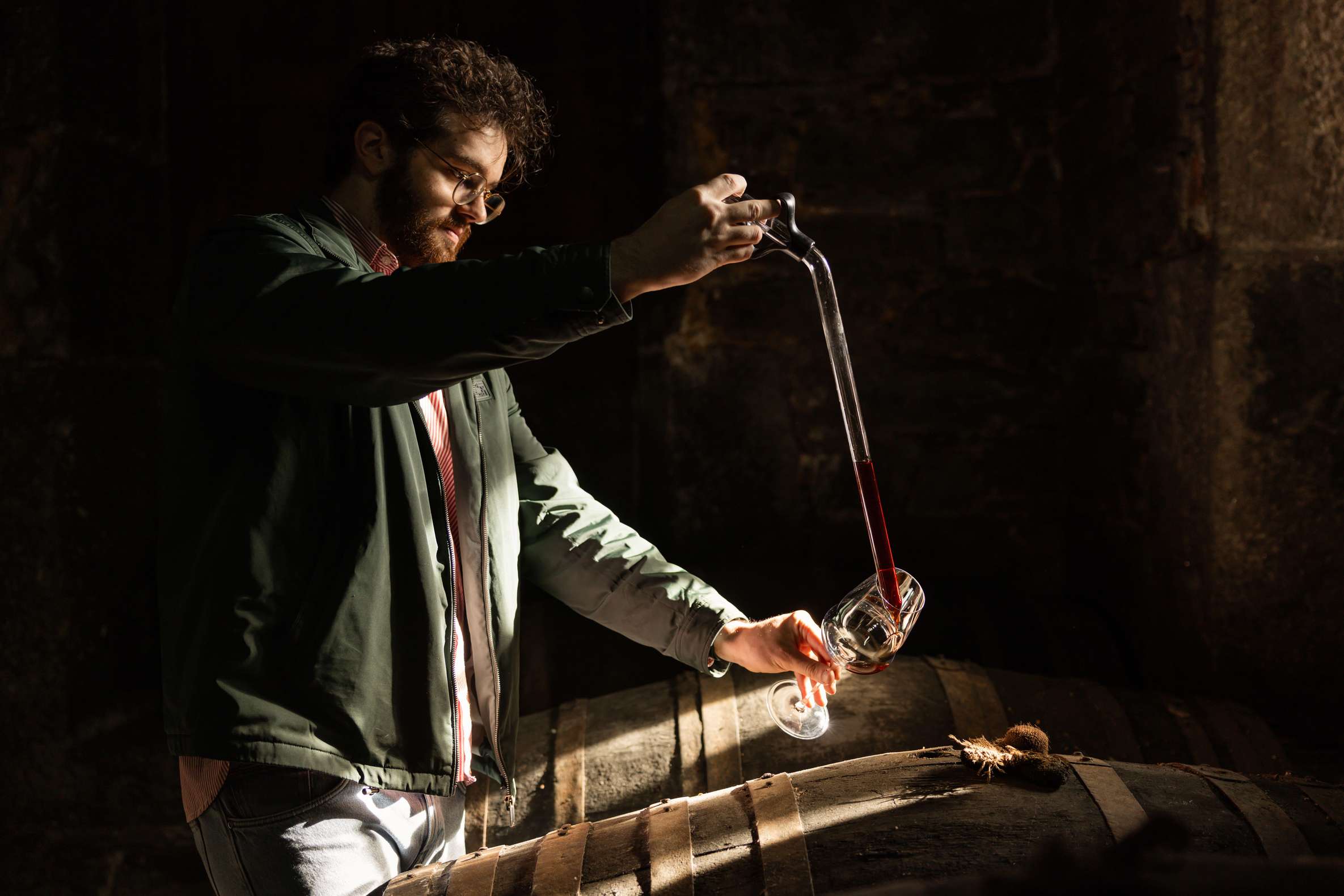
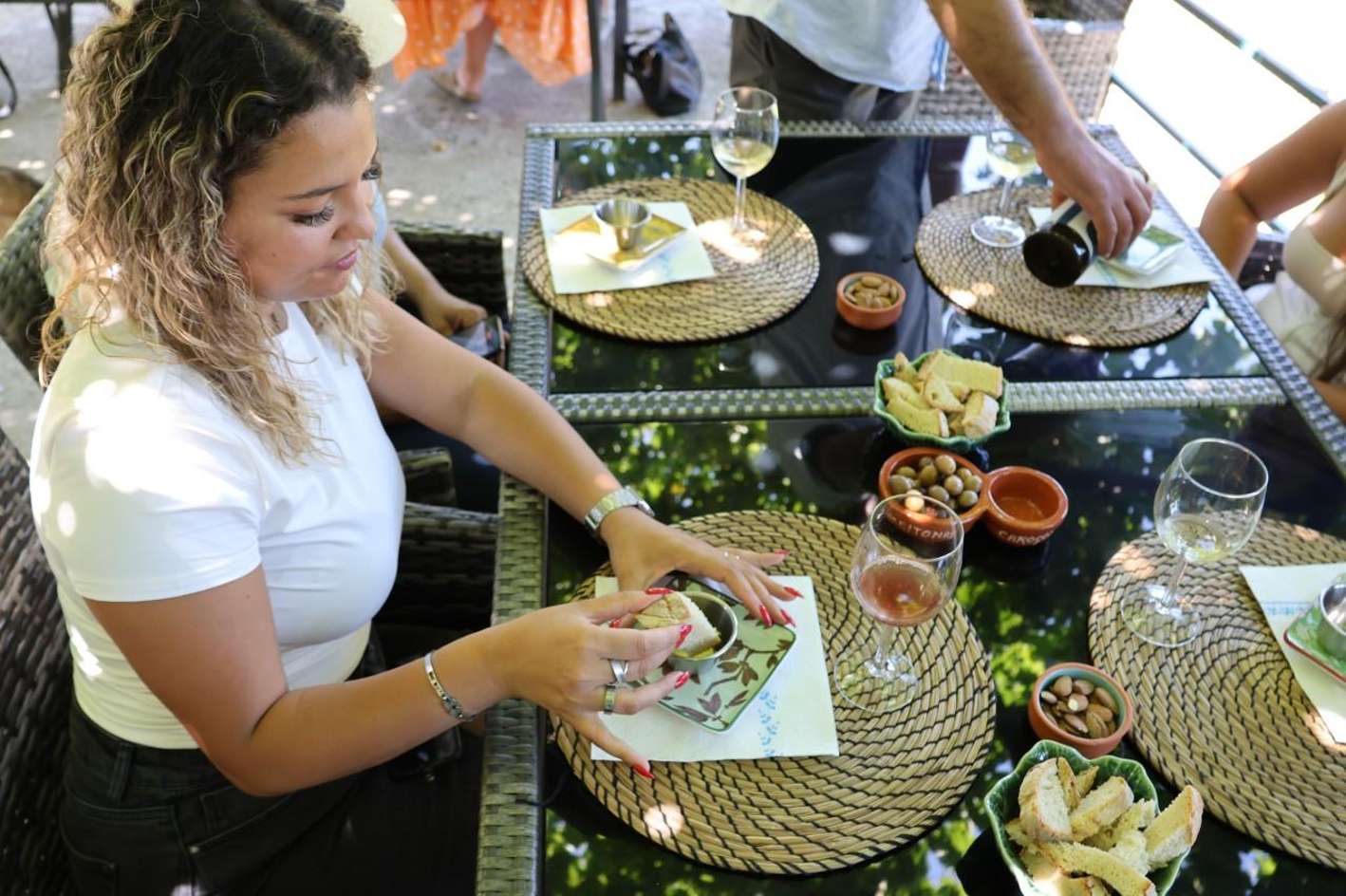
Children rarely sit through a dry lecture. Estates pour grape juice alongside the adults' wine, hand out snacks like almonds and honey, and many set up play corners, scavenger hunts, or drawing tables so parents can taste in peace.
Private tours pick you up at your Porto hotel. Group tours run hotel pickup between 7:30 am and 8 am and send the exact time the day before, or you meet at a central point. Some old-town streets are inaccessible by van, so you may walk a few minutes to the vehicle.
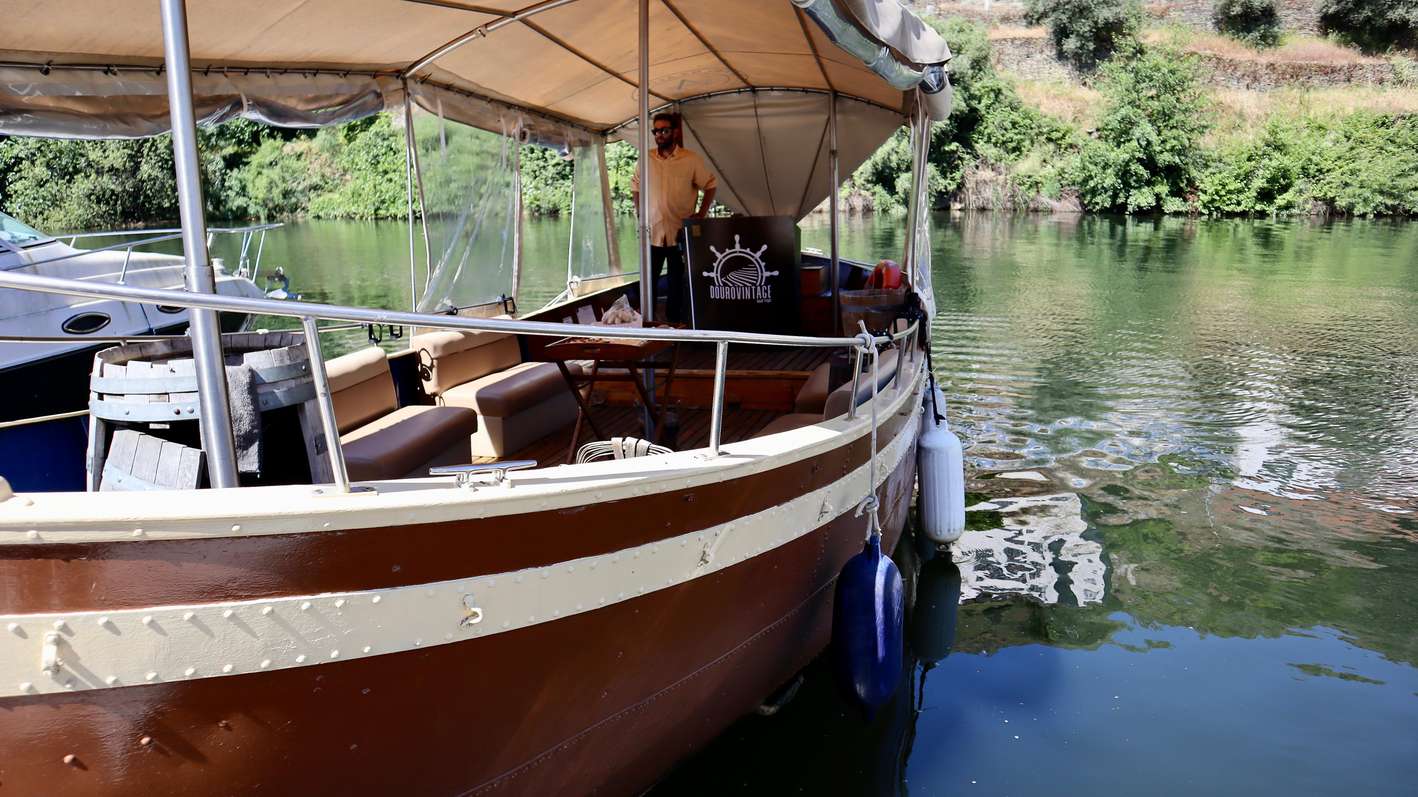
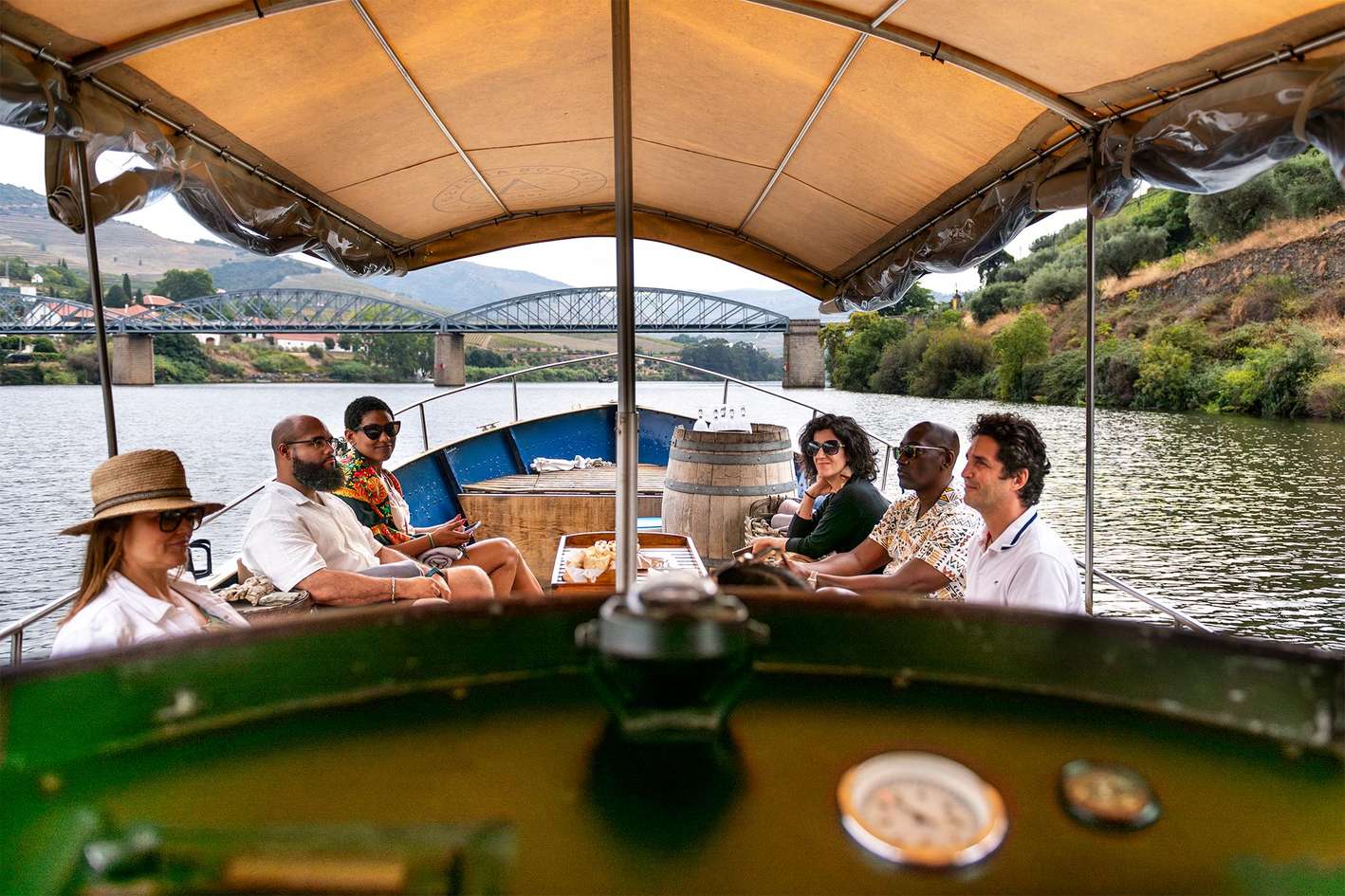
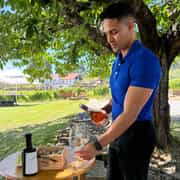
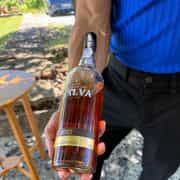
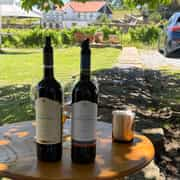


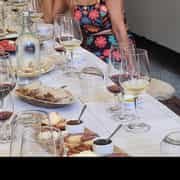
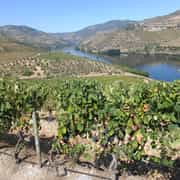
A wine valley with small children sounds like a mismatch, and it mostly works out. What decides the day is the format you pick: who drives, how often you stop, and what the kids do while you taste.
A full day fits two wineries at most; plan the day around that number.
Book any child restraint when you reserve, because operators only provide car seats on prior request.
Cancel free up to 24 hours ahead, so you can book early and change your mind without paying for it.
Nobody sells a Douro Valley tour built for kids, and that is fine, because none is needed. What families need is a day that splits the adult parts (tastings, cellar talk, the drive) from the child parts (boats, viewpoints, open ground), and the tours that do that well are the ones worth booking.
Start with what any full day here actually holds. A realistic day visits two wineries, pours around five dedicated samples split between them, adds a regional lunch and one hour on the river. Two wineries and one cruise is the whole budget of the valley, and it happens to be a child-sized one.
So judge the tours on this site by three things: age rules, transport comfort and pacing. First, age rules: some group departures bar children under six entirely, which can end the search before it starts.
Second, transport comfort, because the drive in and out takes about an hour and a half each way and the valley roads twist. Third, pacing, which is where private and fixed-schedule formats part ways.
The tour that comes closest to what you searched for is the full-day boat, train and lunch itinerary.
It mixes a river cruise, a stretch of scenic railway and a van ride into one seven-hour day, so no single stretch of travel lasts long enough to defeat a child. The road, the schedule and the welcome at the winery get their own chapters in turn.
The fear every parent carries into this trip is the same: hours of winding mountain road with a bored, motion-sick child in the back. The way out is variety of transport.
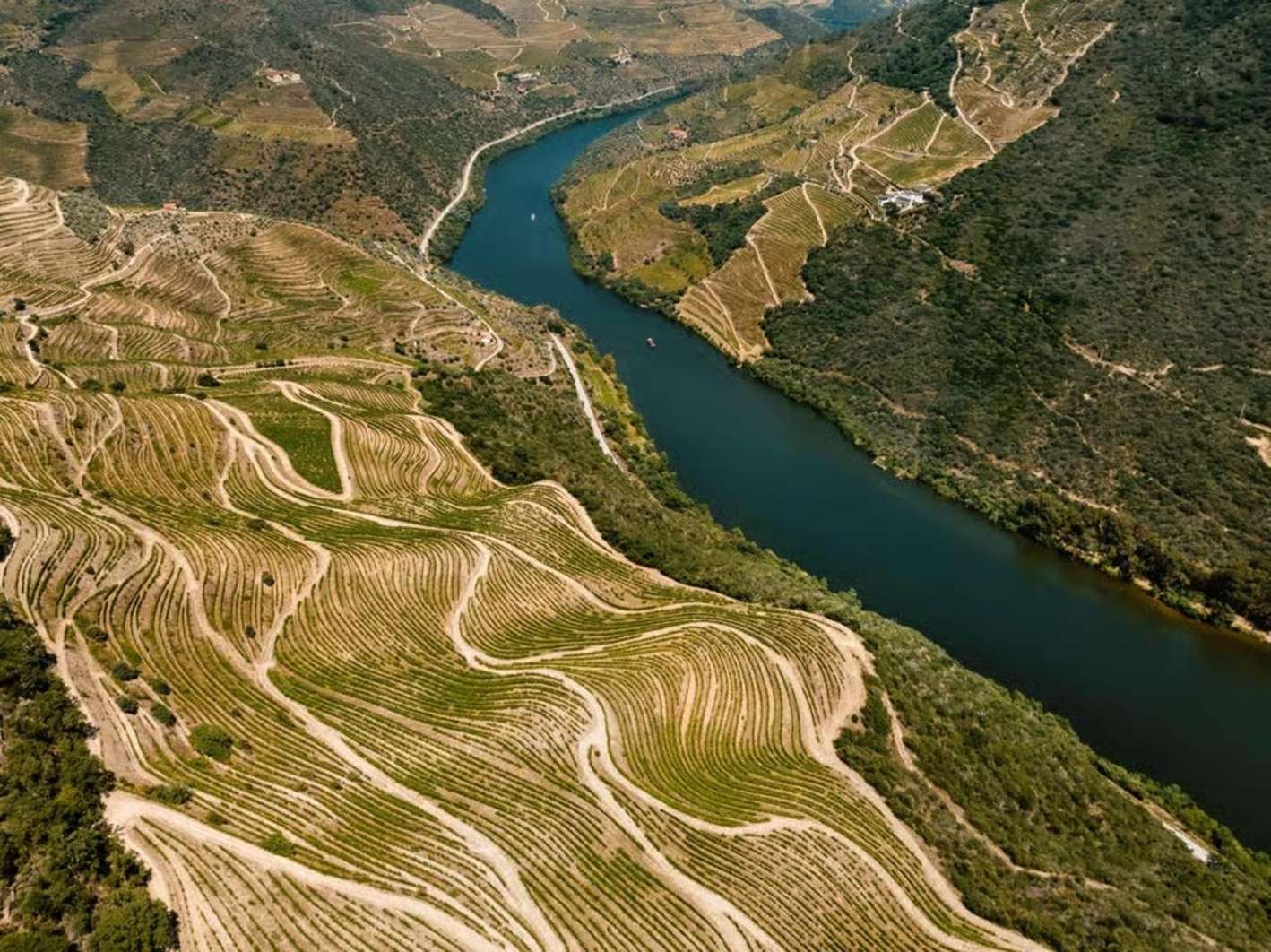
Combination day tours in the valley break vehicle travel across rail, water and road, folding in a short panoramic train ride through the heart of the valley and a river cruise in Pinhão. The cruises stay inside the valley; no boat carries you from Porto.
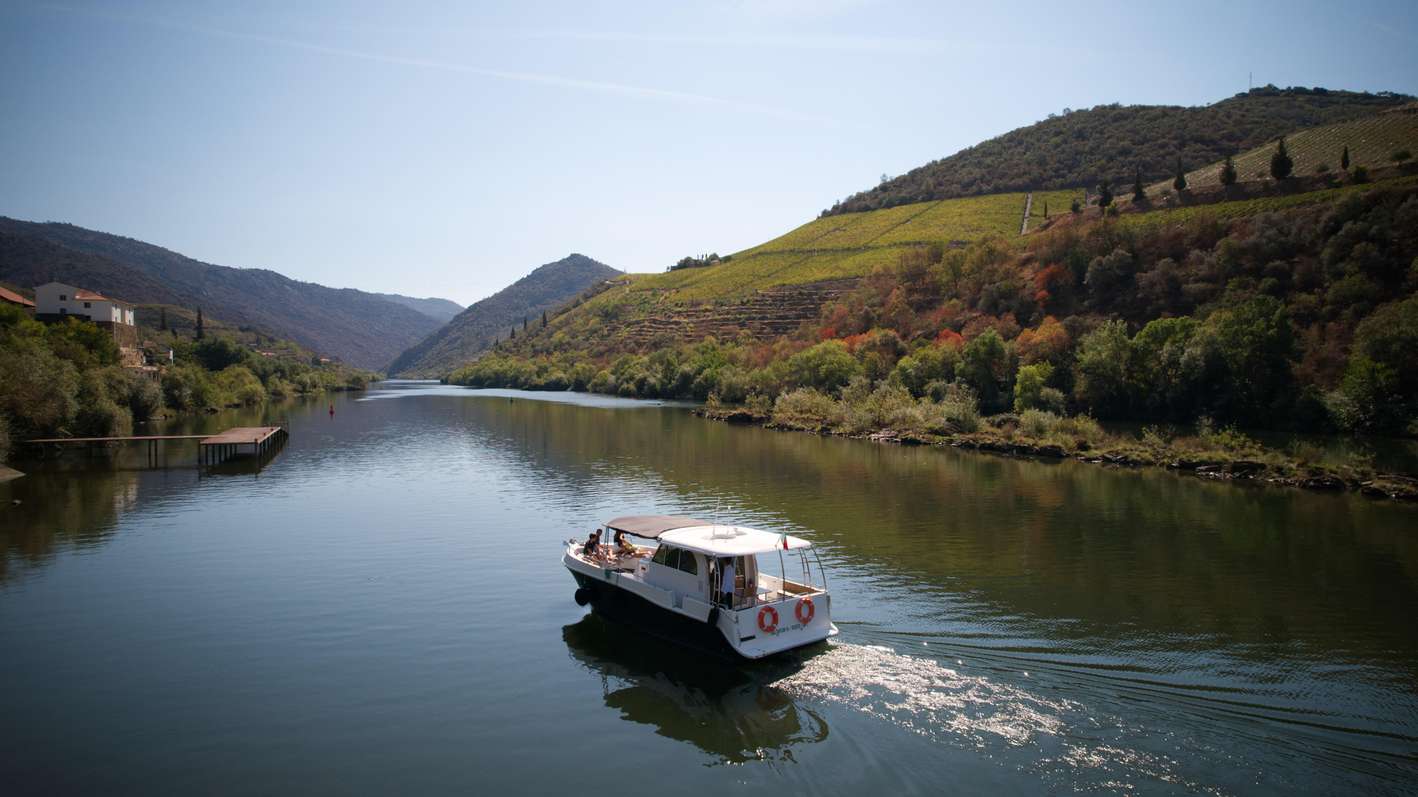
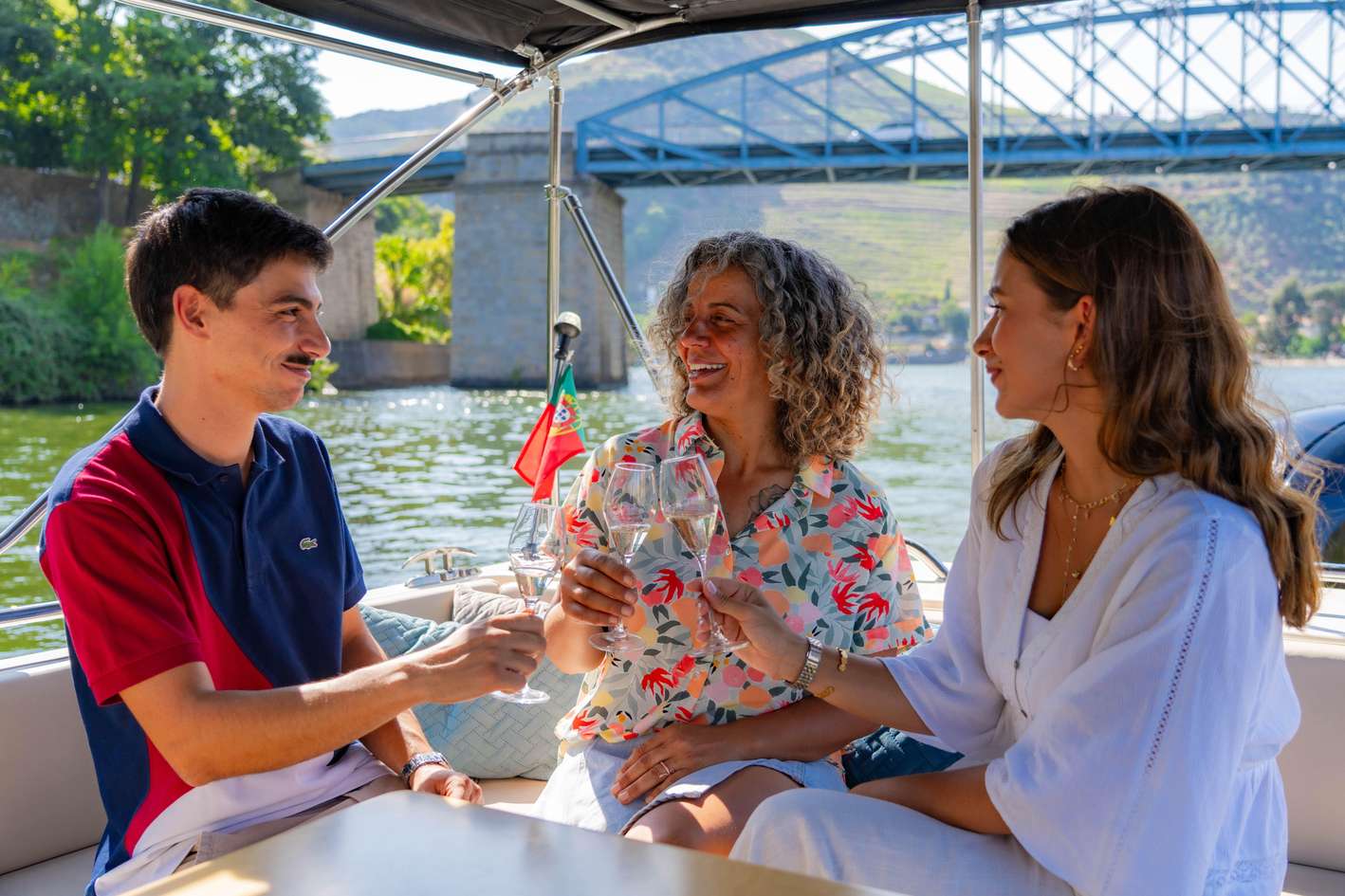
That mix is exactly what the full-day boat, train and lunch tour delivers. Its headline stretch is a 1.1-hour boat ride on the Douro, a shared vessel gliding past the terraced slopes with a glass of Port or sparkling wine in hand for the adults.
After lunch in a regional restaurant, a scenic train ride carries the group through a slice of the valley's centre, and children who spent the morning in a minivan get to stand, move and watch the river slide past a window instead of a windscreen.
The honest gap: the transfer between Porto and the valley is still a shared minivan, roughly an hour and a half each way. Rail and water shorten the road time, they do not erase it.
If ninety minutes at a stretch is more than your youngest can handle, the private format in the next chapter lets you stop whenever you need to.
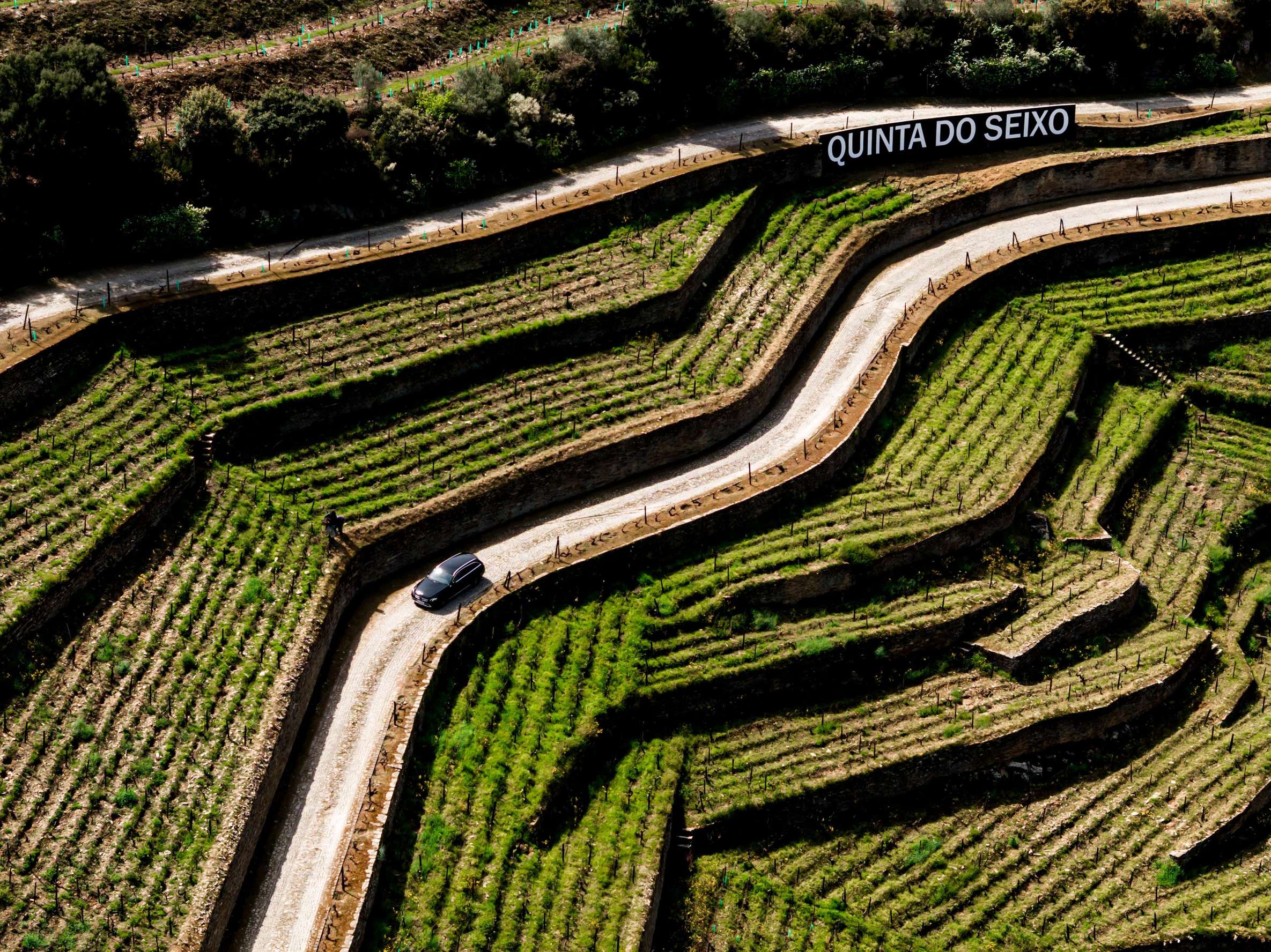
A small-group minivan tour runs a fixed schedule built to fill an eight-to-ten-hour day: two wineries, a group lunch at a set sitting, a one-hour cruise, and stops only at pre-planned points to keep the group on time.
That machinery stays invisible until you are the parent asking for an unscheduled toilet break forty minutes before the next planned stop.
A private day works differently. You set the pace, and you change it mid-morning if a nap runs long.
Routes, activities and mealtimes are all adjustable, so you can steer toward kid-friendly estates, gardens, viewpoints or riverfront villages instead of a second tasting room, and you can pull the van over whenever a child needs to rest. No other travellers wait at the end of that decision.
Private flexibility means pacing the space between them, since a third stop will not happen
You can build the day around what your children like, with no fixed meal times
Every stop keeps the rest of the van on schedule
The trade is structure.
That is the case for the private grand experience from Porto: hotel pickup at your door, a private air-conditioned vehicle, a guide who belongs to your family for the day, a private boat ride with snacks and drinks, and a private lunch at a historic estate with tastings of Port and table wines.
It runs about nine hours door to door, with nobody else's schedule inside it. A fixed group day tells you exactly what happens and when, which some children find reassuring; a private day hands you the freedom and the job of filling it well.
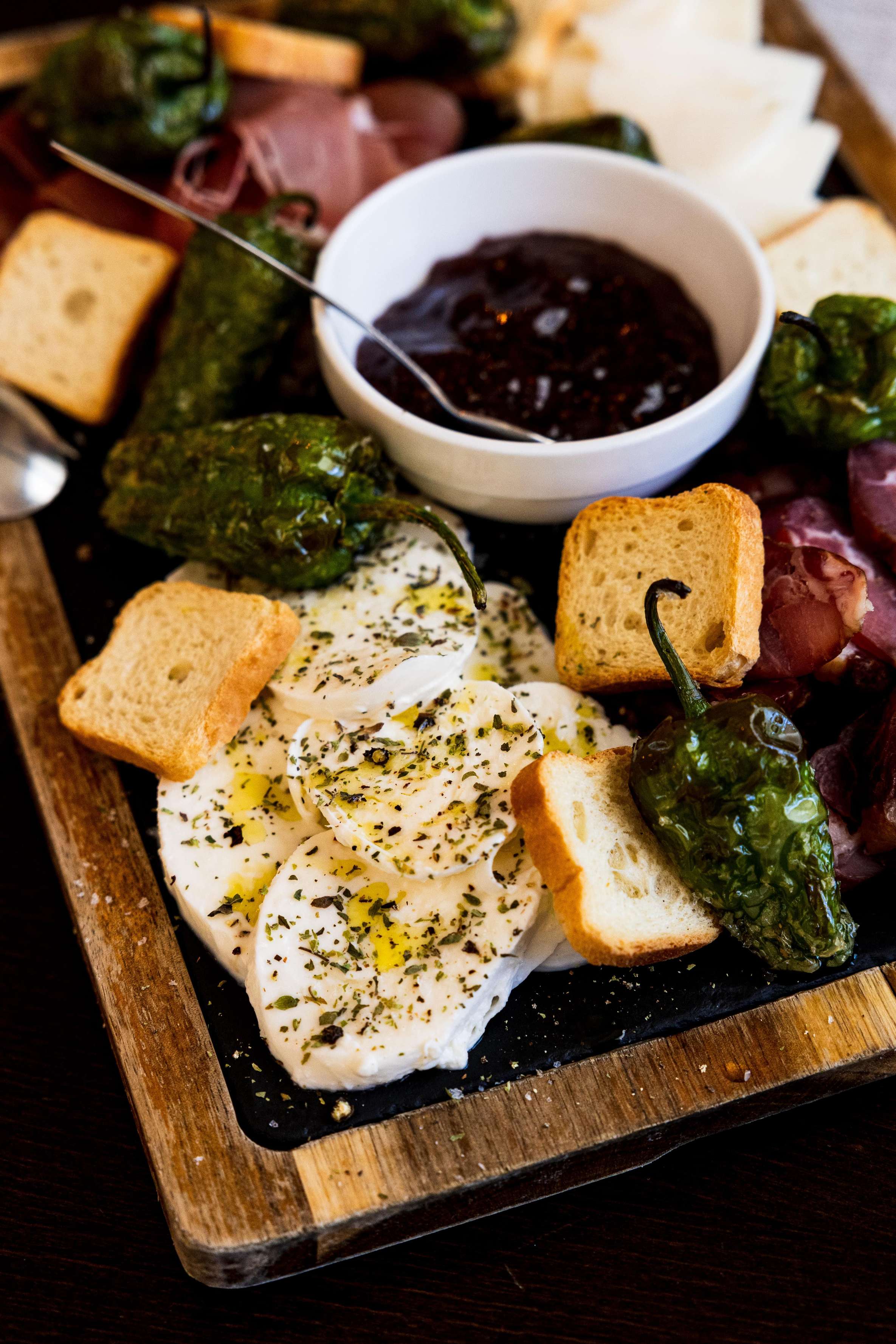
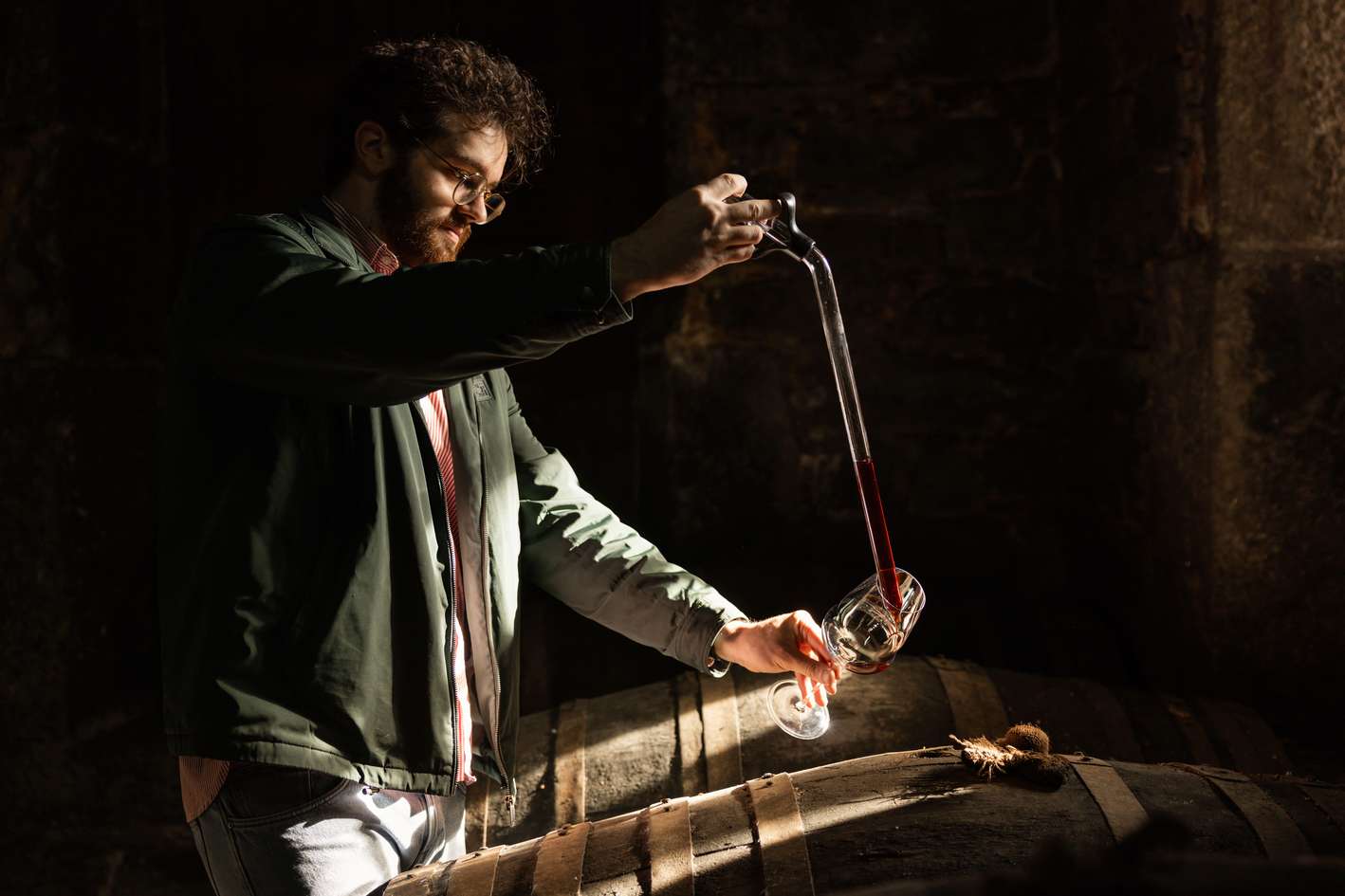
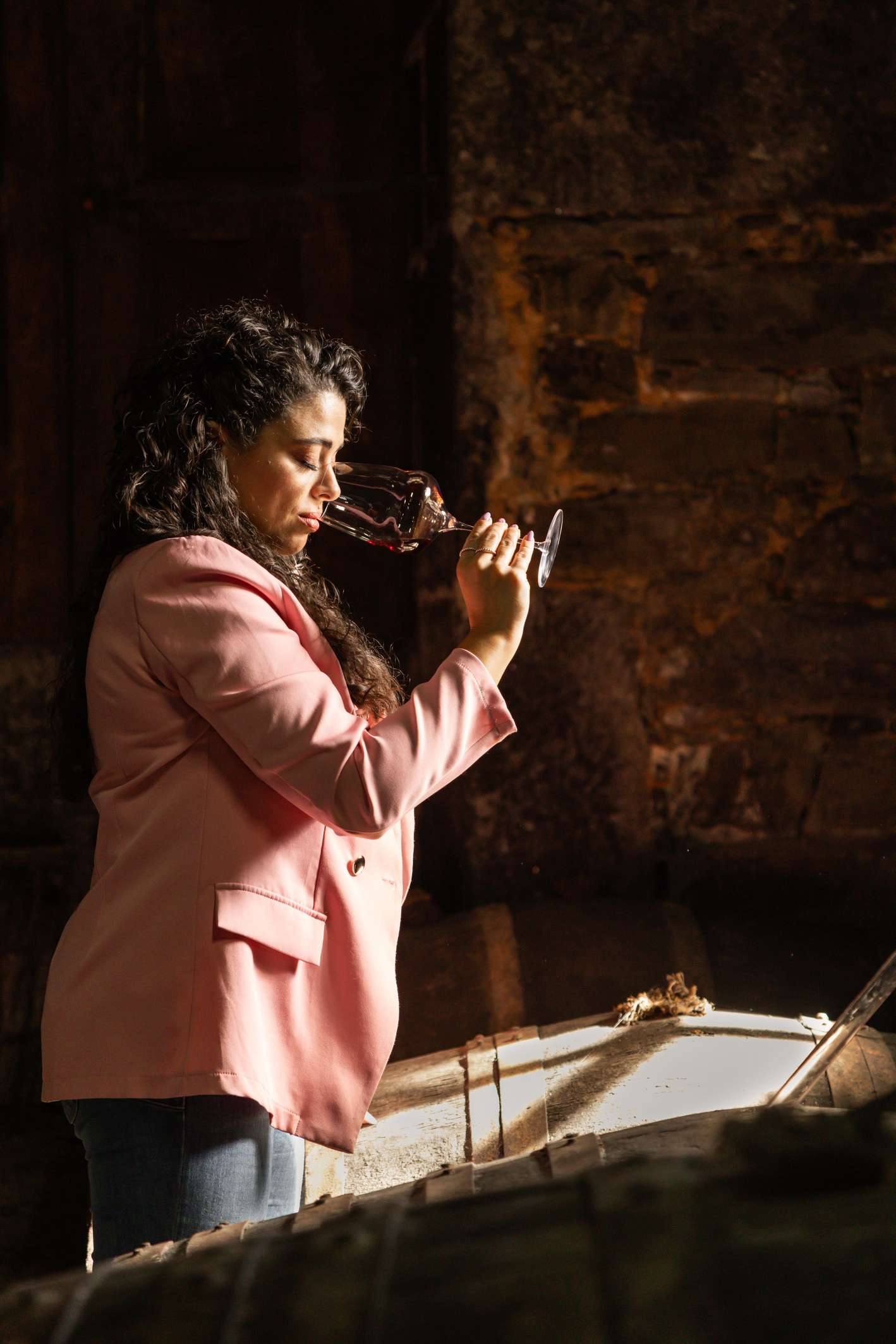
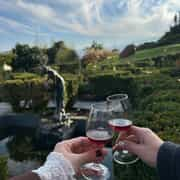
Yes, and more warmly than most parents expect. Tastings are short, usually two to three pours at each estate, and while the adults work through them, children are often handed grape juice tastings of their own, along with snacks like almonds and honey.
Some estates keep play areas with drawing and toys, and a few organise vineyard scavenger hunts that turn a cellar tour into a game. Olive oil and honey tastings run alongside the wine at many quintas, which gives a curious ten-year-old something to swirl and sniff legitimately.
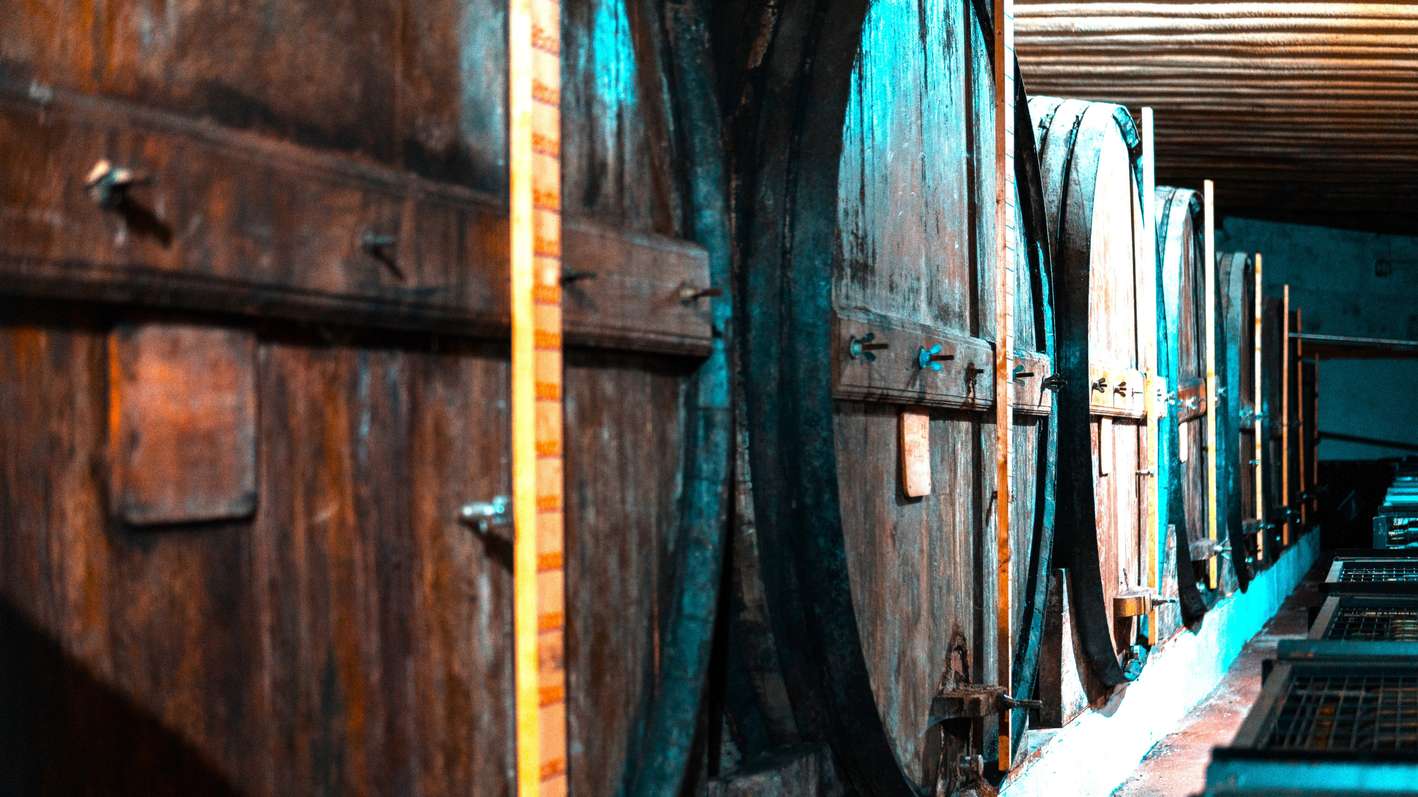
The warmest setting on this site's tours is the family farm lunch.
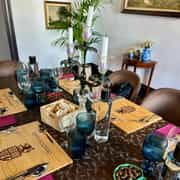
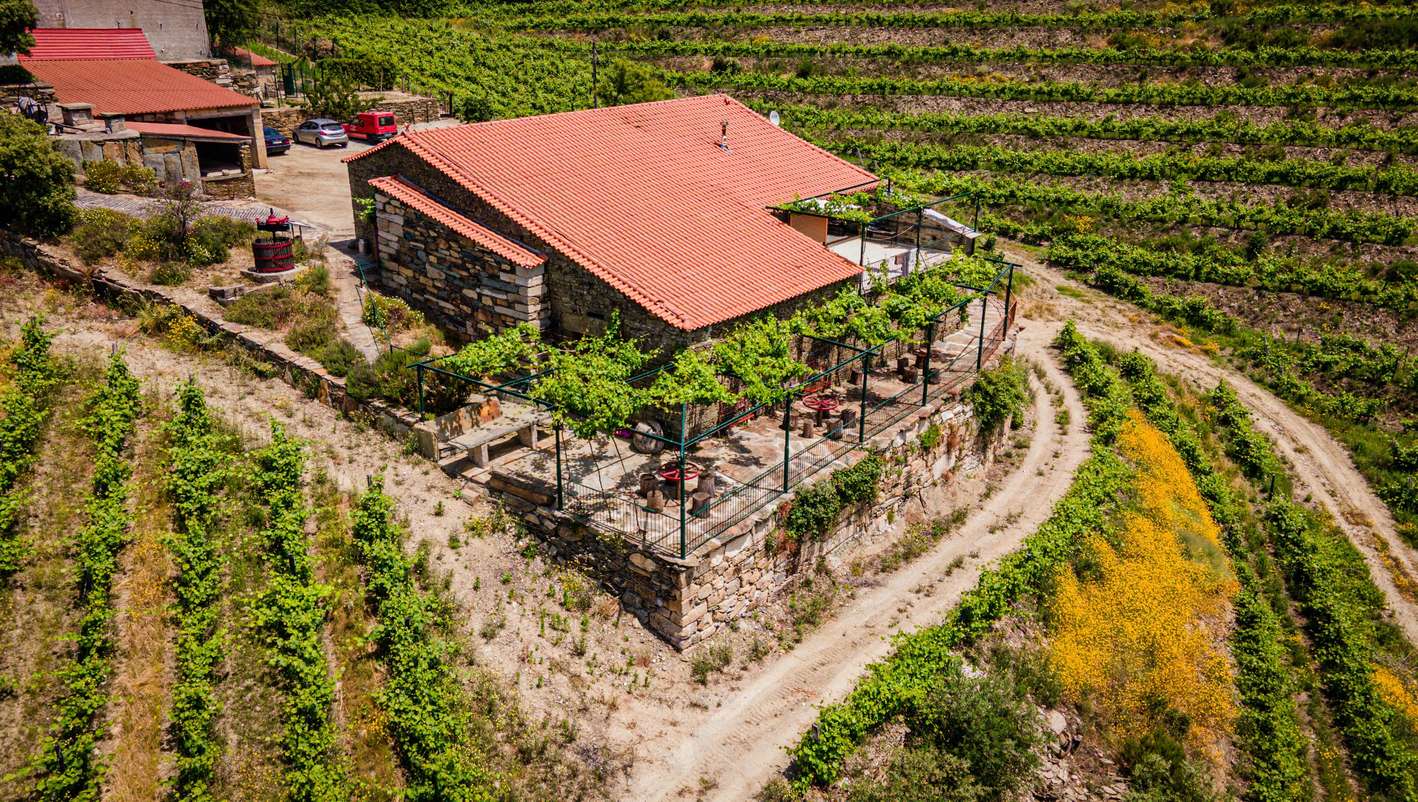
The small-group tour, lunch and private cruise itinerary builds its day around a working farm, with food cooked over an open fire, a visit to the old kitchen and lunch at a long table, then ten different wines across the day for the adults from DOC reds and whites through Port, Moscatel, LBV and Vintage.
Children under three are not carried on that departure, worth knowing before you fall in love with it, and the farm used for lunch can shift depending on availability.
Better than expected, thanks to guide Carlos and driver Antonio. Carlos brought humor, knowledge and passion for Portugal, it felt like your best friend inviting you home.
One rule holds everywhere: nobody under eighteen drinks alcohol, on any tour, at any estate. The juice and snacks are the children's version of the tasting, and hosts offer them without being asked.
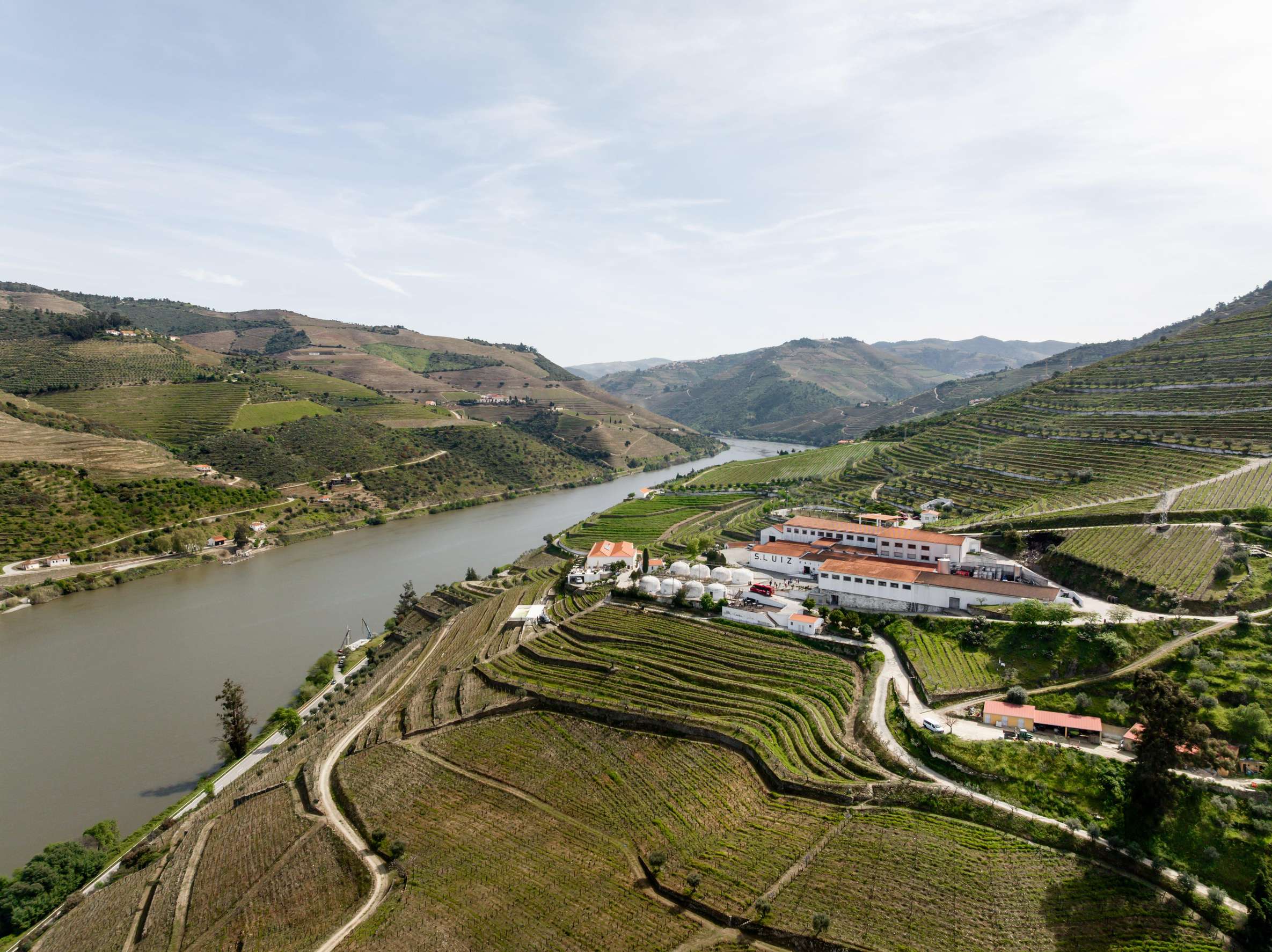
The adults' programme on a valley tour is maybe three hours of actual wine. The rest of the nine- or ten-hour day is scenery, and scenery holds a child's attention only if it does something. The valley is better at this than its reputation suggests.
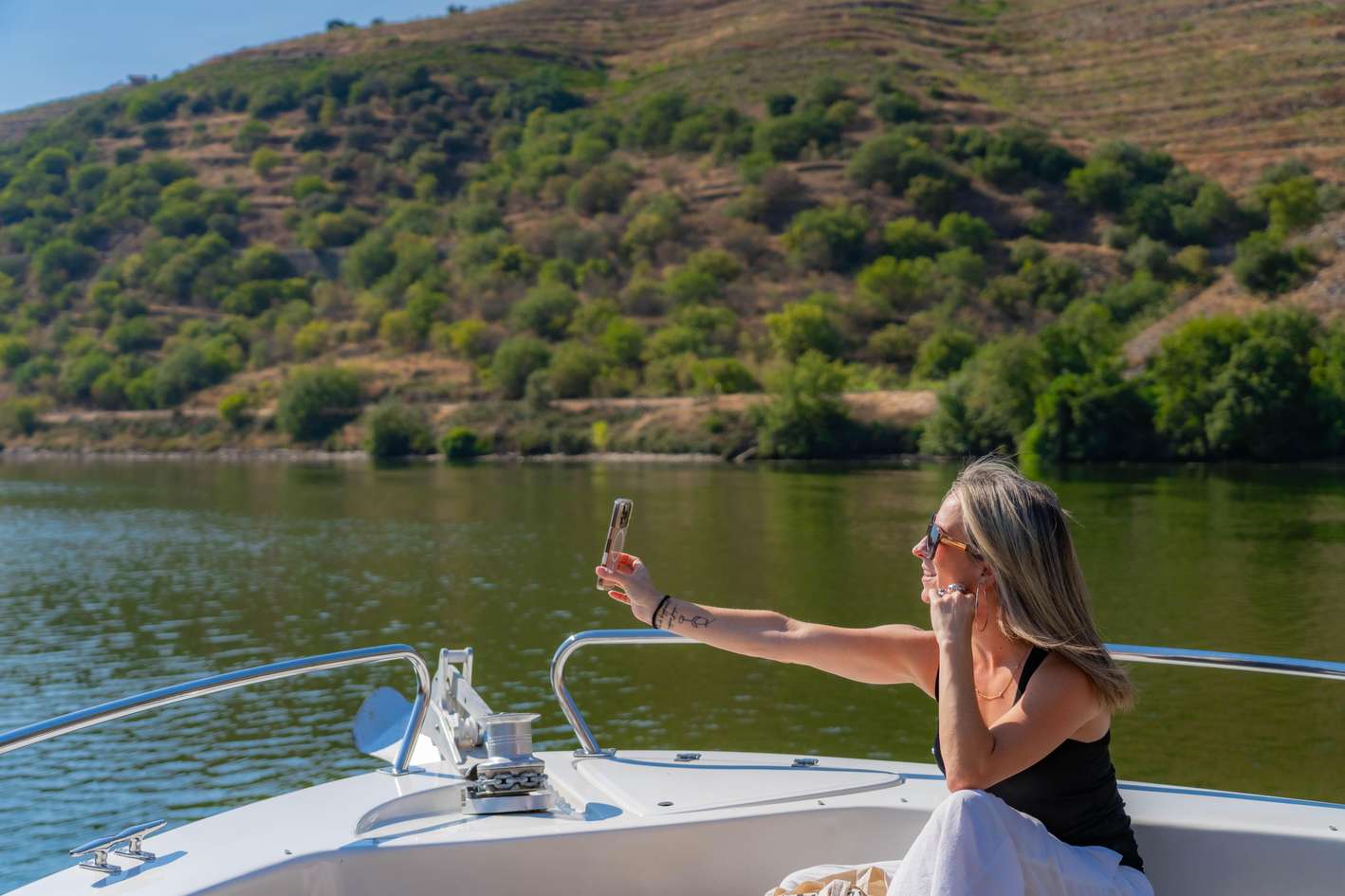
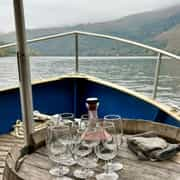
On the water, the wineries come to you. Short one- to two-hour cruises out of Pinhão and Folgosa run on traditional wooden rabelo boats or solar-powered vessels, and children watch bridges, passing boats and hillside farmhouses from the deck.
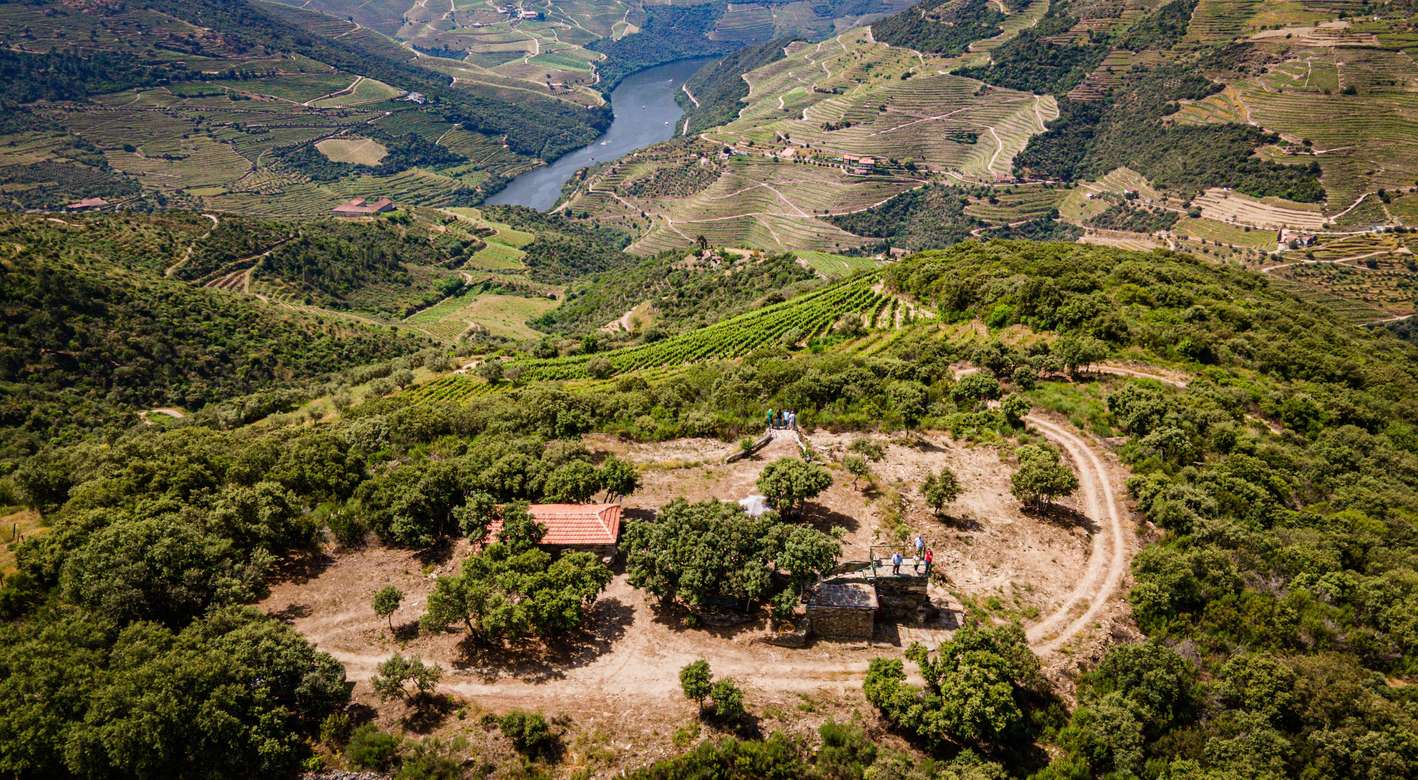
On land, the options run from easy to strenuous: riverside walks, cycling tours, hiking trails through the UNESCO-listed terraces, plus wall climbing, rappelling and kayaking for teenagers who would rather not hear another word about grape varieties.
At the estates themselves, a few go further with hands-on workshops: clay modelling, Portuguese tile painting, painting with grape dye, and estate picnics laid out on the lawn. In September, the harvest adds grape stomping in the stone lagares, which is about the most memorable thing a child can do in a wine region anywhere.
The trick with teens who did not choose this trip: let them pick one non-wine activity for the day and build the tour around it.
Because tastings themselves are brief, families pair them easily with riverside time, short boat trips or a swim at one of the freshwater river beaches. A teen who spent an hour in a kayak will listen to a five-minute cellar explanation with actual goodwill.
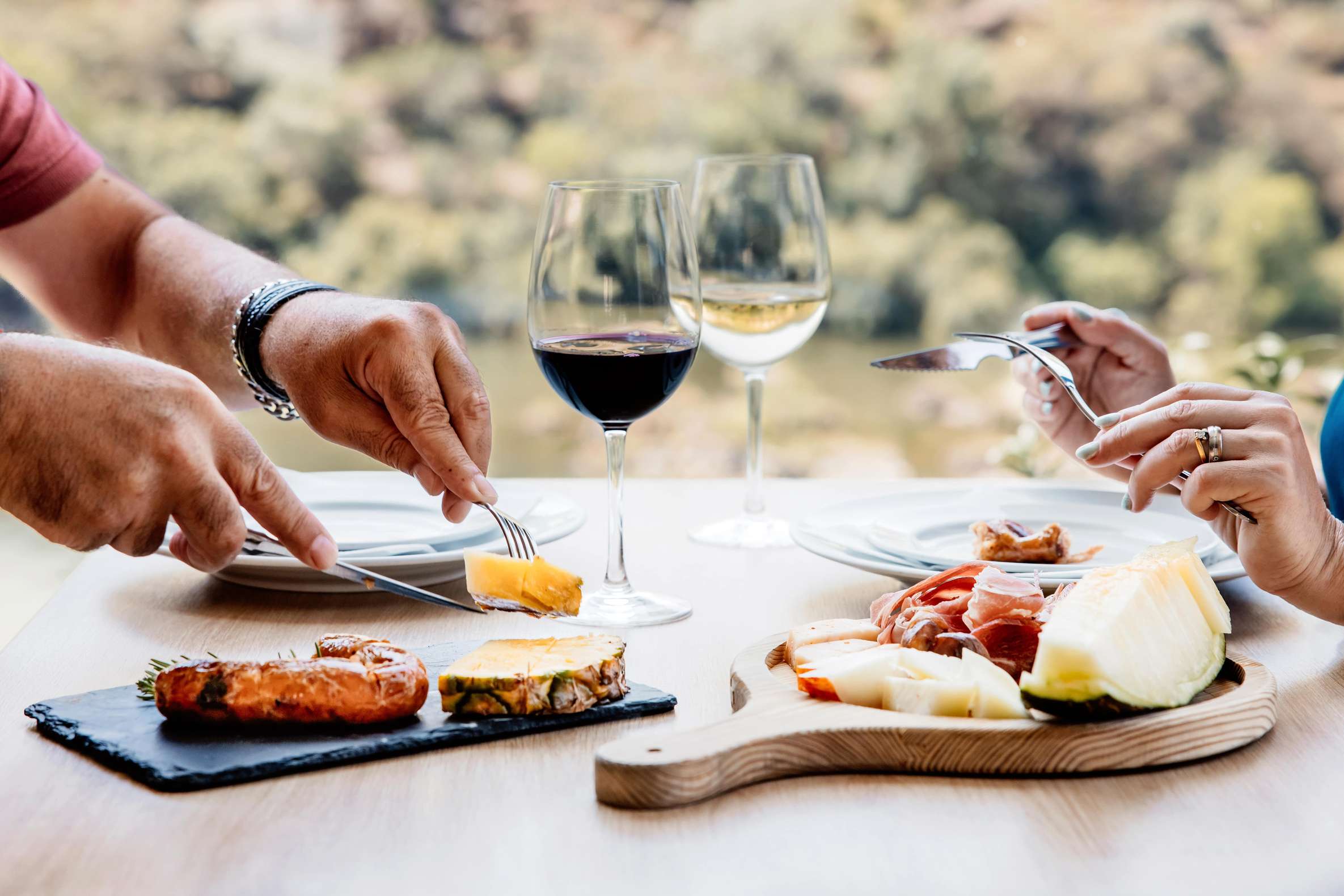
It depends on your Porto stay, and this is the decision to make before you compare a single tour.
A valley day trip works well when you have three days in Porto: the city needs two full days for its essentials, and the valley fills the third beautifully, especially for a family that likes wine and wide views.
On a two-day stay, the same trip costs you one of the days Porto itself requires, and that trade rarely pays off with children in tow.
The second condition is format. For toddlers and young children, the fatigue of riding winding mountain roads all day is the thing to design around, which points to a private car with door-to-door transport or a day that mixes in the train.
Families travelling with infants should not attempt the valley by self-driving rental at all; a private guided tour with coordinated hotel pickup is the workable route, because someone else handles the vehicle while you handle the baby.
Third, the day itself is long. Standard tours run eight to ten hours from Porto, and full-day cruises that travel from Porto all the way up the valley are considered exhausting for young children.
If that sounds like too much for your crew, two nights in the valley beats one rushed day from the city, and family operators say so plainly. Otherwise, pick the shortest full-day format that fits your children's stamina and stop there.
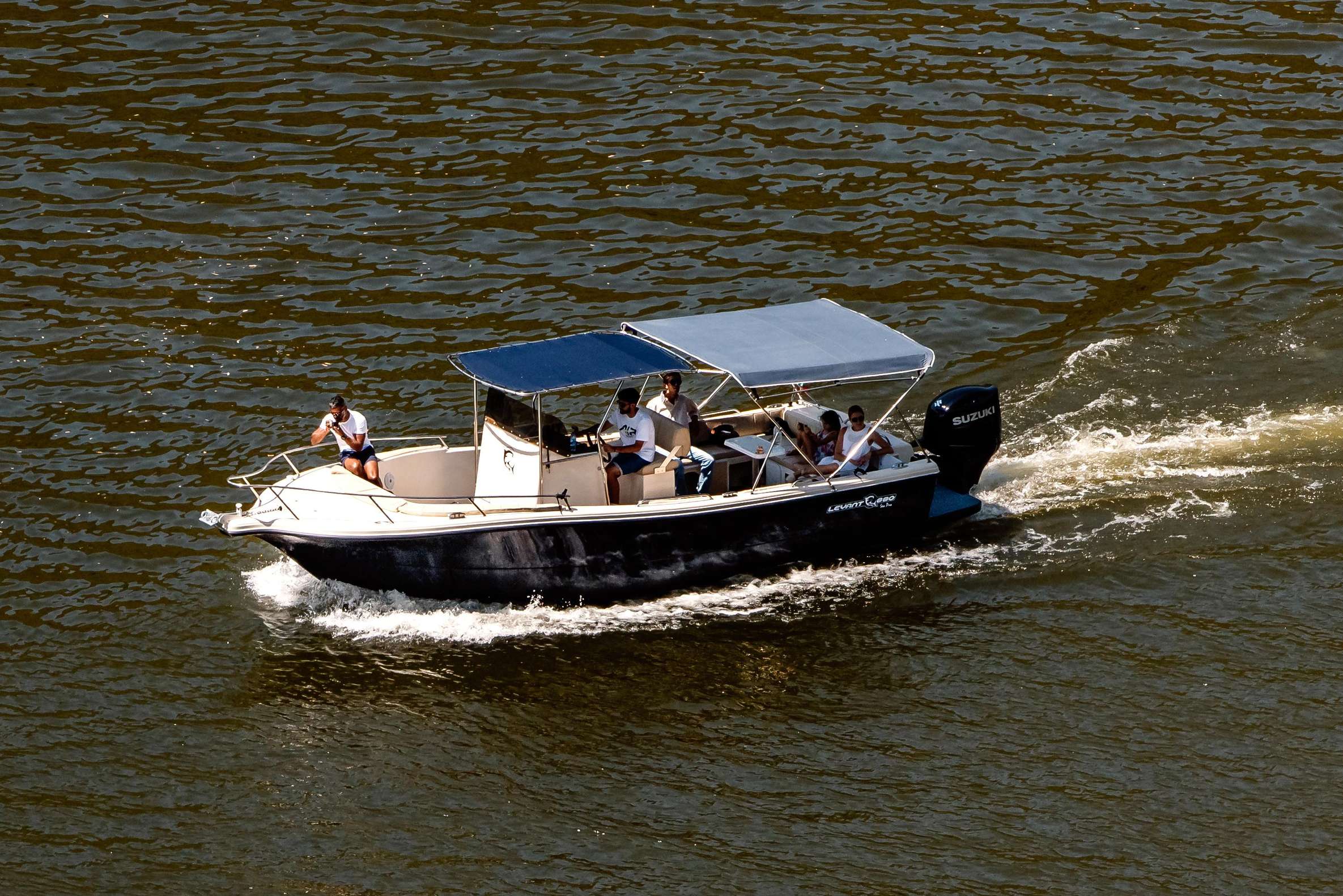
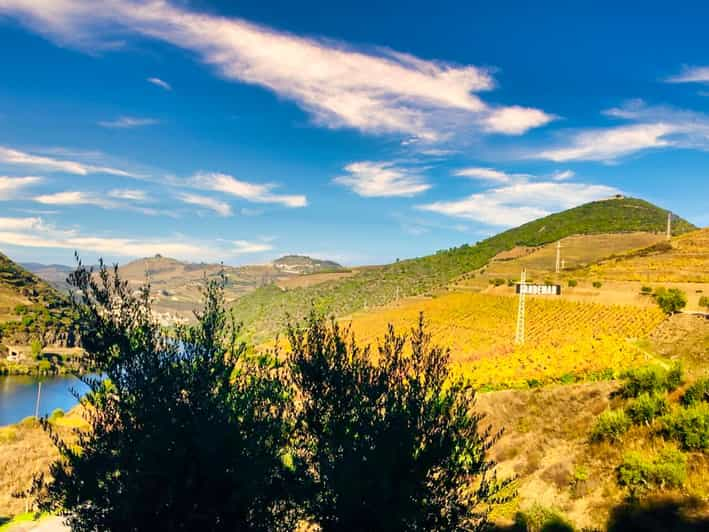
Mid-September to mid-October is the valley at its most exciting: the harvest, when hand-picking and grape stomping happen on the terraces and the hillsides turn amber, gold and red. For children, this is the version worth telling friends about, and the air carries the scent of fermenting grapes across whole villages.
The cost is crowds and lead time. September is the busiest month of the year for winery visits by a wide margin, and October stays well above average.
Estate restaurant tables and boutique tasting rooms book out one to two months ahead in the harvest window, and prime weekend slots fill two to three months out, so a family of four plans further ahead here than at any other time of year.
Late April through June is the counter-offer: green terraces, mild days in the high teens and low twenties Celsius, and far fewer visitors, with no harvest theatre.
Summer changes the arithmetic of the day itself. Valley afternoons in July and August run three to five degrees hotter than Porto, with intense sun, so light clothing, hats, sunscreen and water bottles stop being optional.
Mornings on the water are the family-friendly slot: between eight and eleven the river sits flatter and quieter, and children still have the energy and focus for a seated boat ride before the heat and the afternoon dock crowds arrive. Whatever the month, aim your cruise early.
April: 5 out of 5 for how busy it gets. Tour bookings surge into high season as pleasant 17°C valley temperatures make vineyard tastings and boat rides popular.
Tap a month to read it.
August: highs around 29.3°C. Summer crowds face the valley's hottest weather of the year, with daytime highs reaching 29°C and virtually no rain.
Tap a month to read it.
August: lows around 16.2°C. Summer crowds face the valley's hottest weather of the year, with daytime highs reaching 29°C and virtually no rain.
Tap a month to read it.
October: 159 mm of rain. Tours remain popular for autumn foliage despite cooler 19°C days and the return of heavy autumn rains.
Tap a month to read it.
July: highs around 24.6°C. Tours stay busy as summer heat peaks at 28°C under dry, sunny skies that are significantly hotter than the coast.
Tap a month to read it.
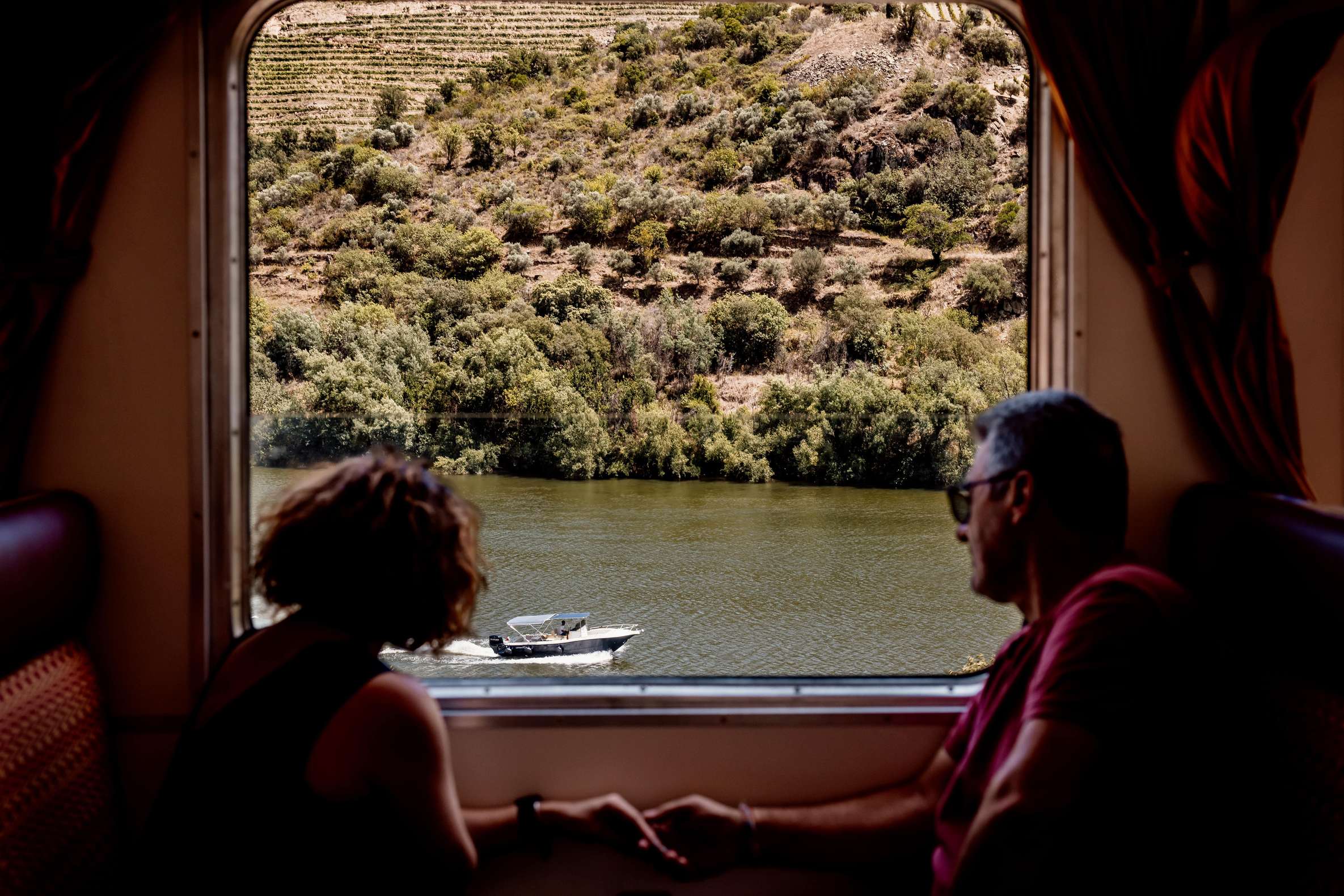
The road into the valley has a reputation, and it is worth meeting honestly. Access from Porto is mostly highway now: the A4 runs through the Marão Tunnel and covers the drive to Peso da Régua in roughly 75 to 85 minutes, which is a gentler ride than the old mountain road it replaced.
The scenic stretch between Peso da Régua and Pinhão is the twisty part, 27 kilometres of N222 carrying 93 bends, running mostly flat at water level with curves that feel gentle when taken slowly.
Guided tours handle this well. Drivers on these roads are skilled and practised, and they warn passengers before the particularly winding segments, which is half the battle for a queasy passenger.
If your child is prone to car sickness, seat them near the driver, keep remedies in your day bag, and pick a morning departure so the drive happens before the heat and fatigue pile up.
A few things change the odds further. Going by private car or train with young children avoids the cumulative fatigue of a full day of winding roads, and the boat-train format exists precisely to shrink the road portion.
Tours that do the full scenic route in both directions are noted as unsuitable for people prone to seasickness, which is the plain way of saying the curves are real.
One practical detail: the harvest months put tractors, trailers and grape lorries on the N222, so the drive slows further in September and early October. Build in the extra time and nobody in the back seat feels rushed.
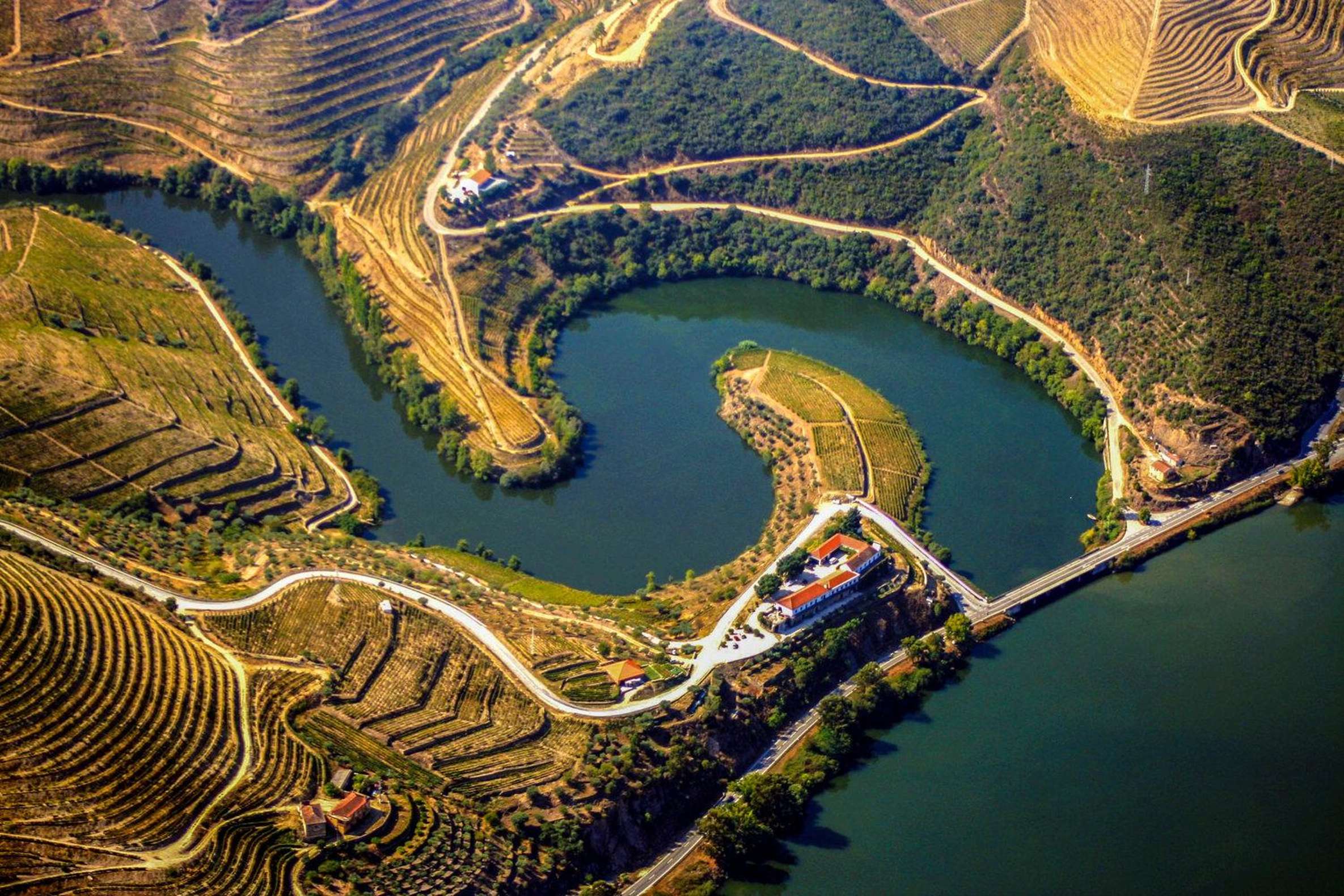
The booking matters more than the bag. Child car seats and booster seats must be arranged when you reserve, because tour operators provide restraints only on prior request, and Portuguese law requires an approved child restraint for every child under twelve or shorter than 135 centimetres, riding in the rear seats.
Tour vans comply like any other vehicle, and the driver carries the legal responsibility. Several group tours bar children under six outright, so read the age rules before you get attached to an itinerary.
Then the day bag. Valley routes follow tortuous, winding roads, so motion sickness remedies belong in a parent's pocket for the drive, and the suitcase can wait. Packed snacks and refillable water bottles cover the long drive segments and the gaps between the formal meal and the cruise.
Sunscreen and a hat protect against open viewpoints and boat decks, and the children need sturdy walking shoes for cobblestones, vineyard paths and boat ramps; sandals slip on all three.
Last, some day tours ask for a passport or ID card, so carry the family's documents rather than leaving them at the hotel.
Weather is the main thing that can change a family's valley day, and the way it gets handled is reassuring. Tours here run rain or shine.
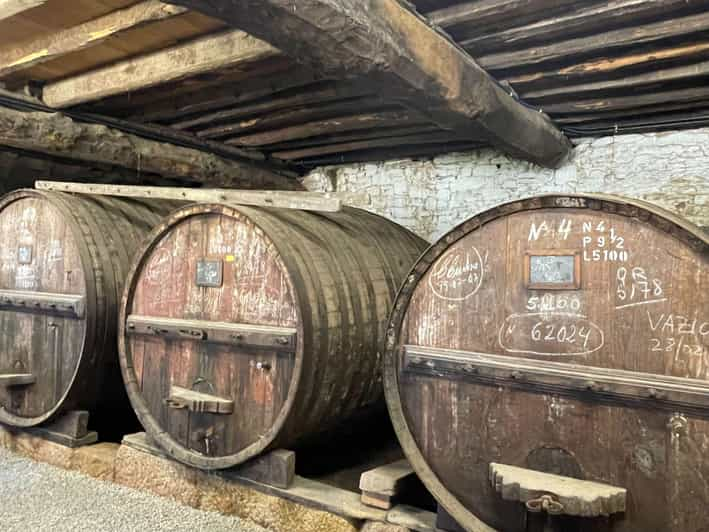
When heavy rain arrives, the river cruise continues on covered boats or with indoor seating, open-air vineyard walks are cut short or moved inside, and the visit shifts to barrel cellars and covered tasting rooms, where the explanations and pours continue uninterrupted.
Tastings and estate lunches move into shaded or indoor rooms during extreme summer heat too, so a scorching afternoon costs you a terrace photo and little else.
The river itself can force a bigger change. Ordinary rain and cold do not stop the rabelo boats in Pinhão, but severe weather, storms or strong upstream currents can bring sudden cancellations, shortened sailings or itinerary swaps, and operators then substitute alternative activities or offer a date change or refund.
Boats must also dock before dark year-round, which caps how late any cruise can run.
| If this happens | What happens then |
|---|---|
| Heavy rain on tour day | The cruise runs on a covered boat and the vineyard walk moves into the barrel cellars |
| Storms or strong river currents | The swap brings another activity, a new date or a refund |
| A fever or a change of plan | Cancel up to 24 hours ahead for a full refund |
Book early anyway. Every tour on this page allows free cancellation up to 24 hours in advance, so the fever or the foul forecast costs you nothing, and the peak-season departures fill weeks out.
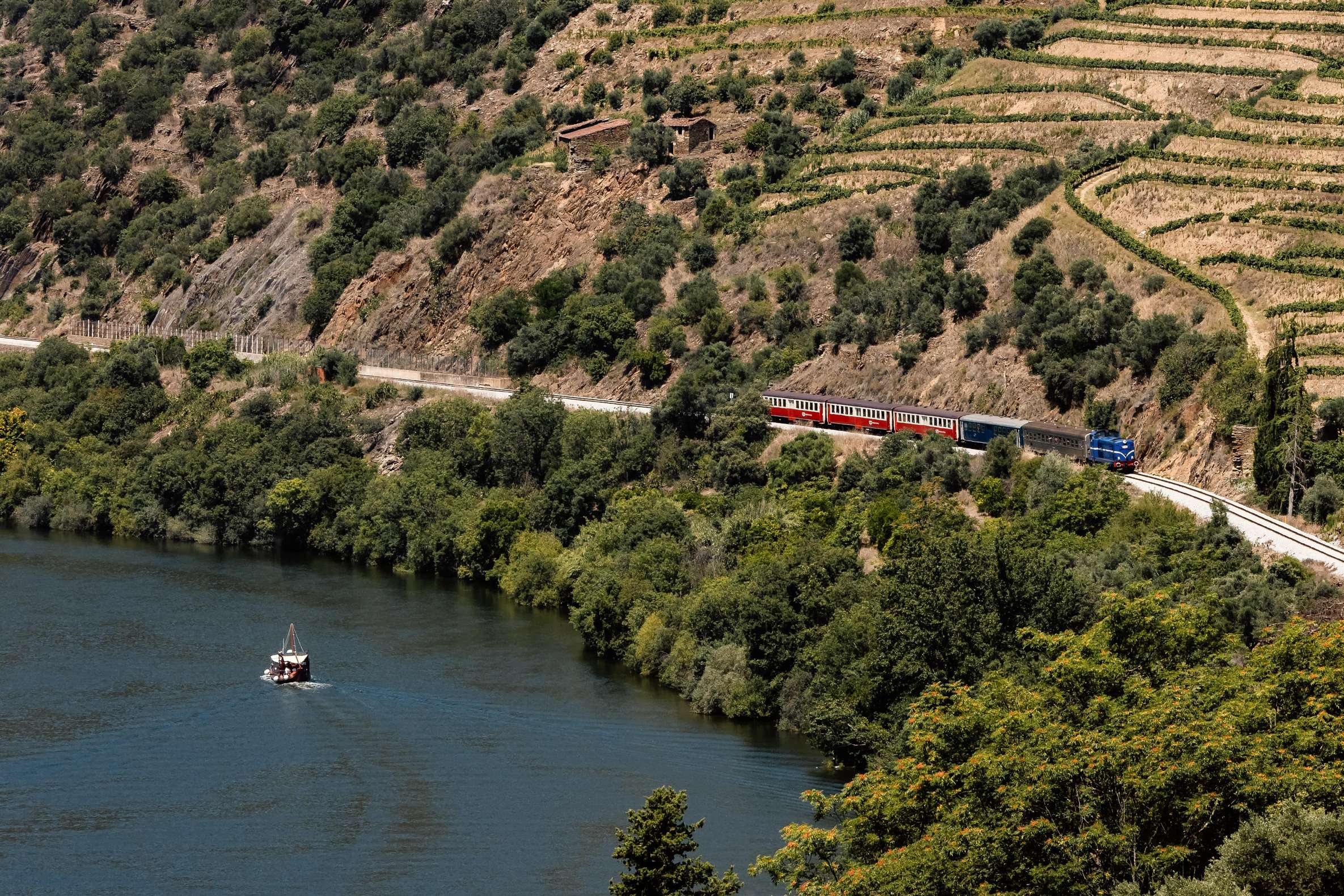
Between vineyards, the valley hands families a set of easy wins.
In Peso da Régua, the riverfront promenade is a flat, stroller-friendly path along the water, with boat watching, nearby cafés and ice cream stops, and the Museu do Douro sits close by with interactive exhibits on river navigation, regional ecology and viticulture aimed at every age group.
It is the rare museum where a six-year-old and a grandparent both stay longer than planned.
Pinhão's contribution is free and famous: the railway station's hand-painted blue azulejo tile murals, which depict the traditional grape harvest and the wine-making process, panel by panel.
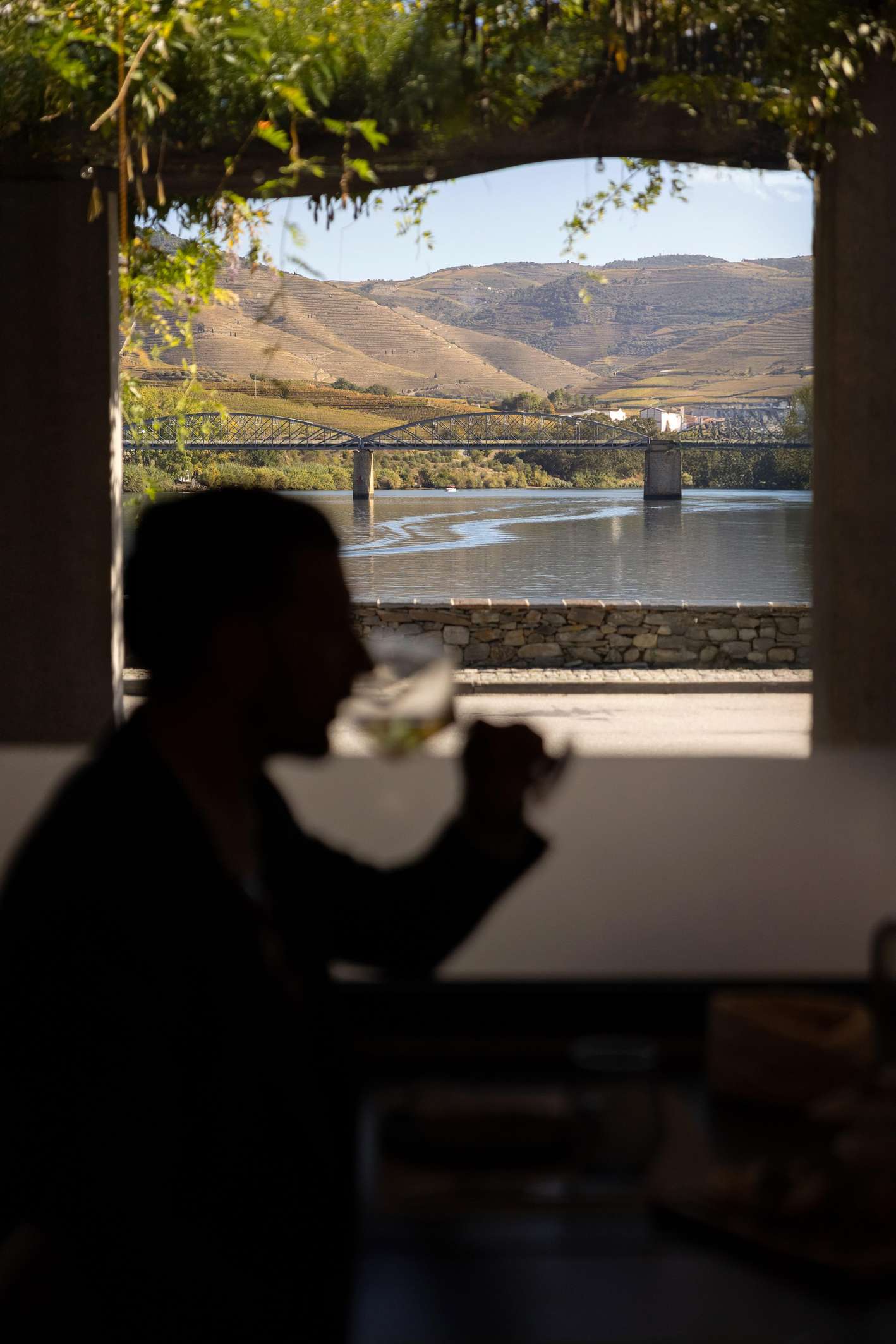
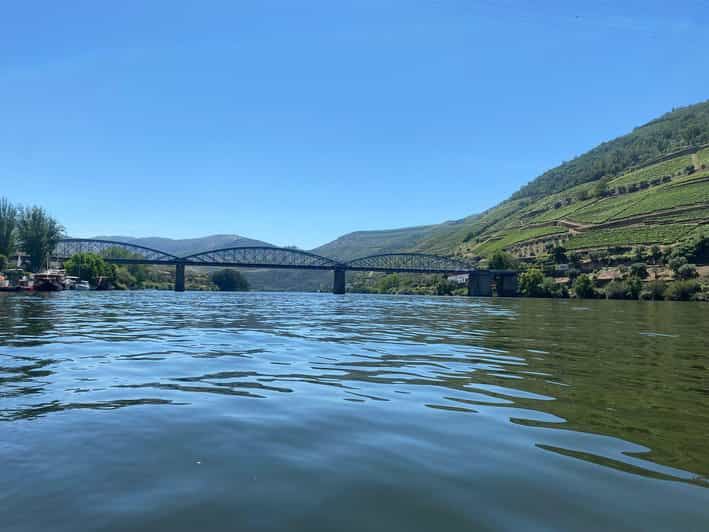
The 1906 iron bridge over the river gives a short walk and a wide view, and several wineries, including one about five minutes from the platforms and another a ten-minute walk across the road bridge, sit within easy reach of the station on foot.
Then there is the story to tell on the boat itself. The traditional rabelo boats were built with long steering oars called espadela, extending from the stern, because their crews needed the leverage to steer through rapids, fast currents and narrow rocky gorges where a normal rudder had no grip.
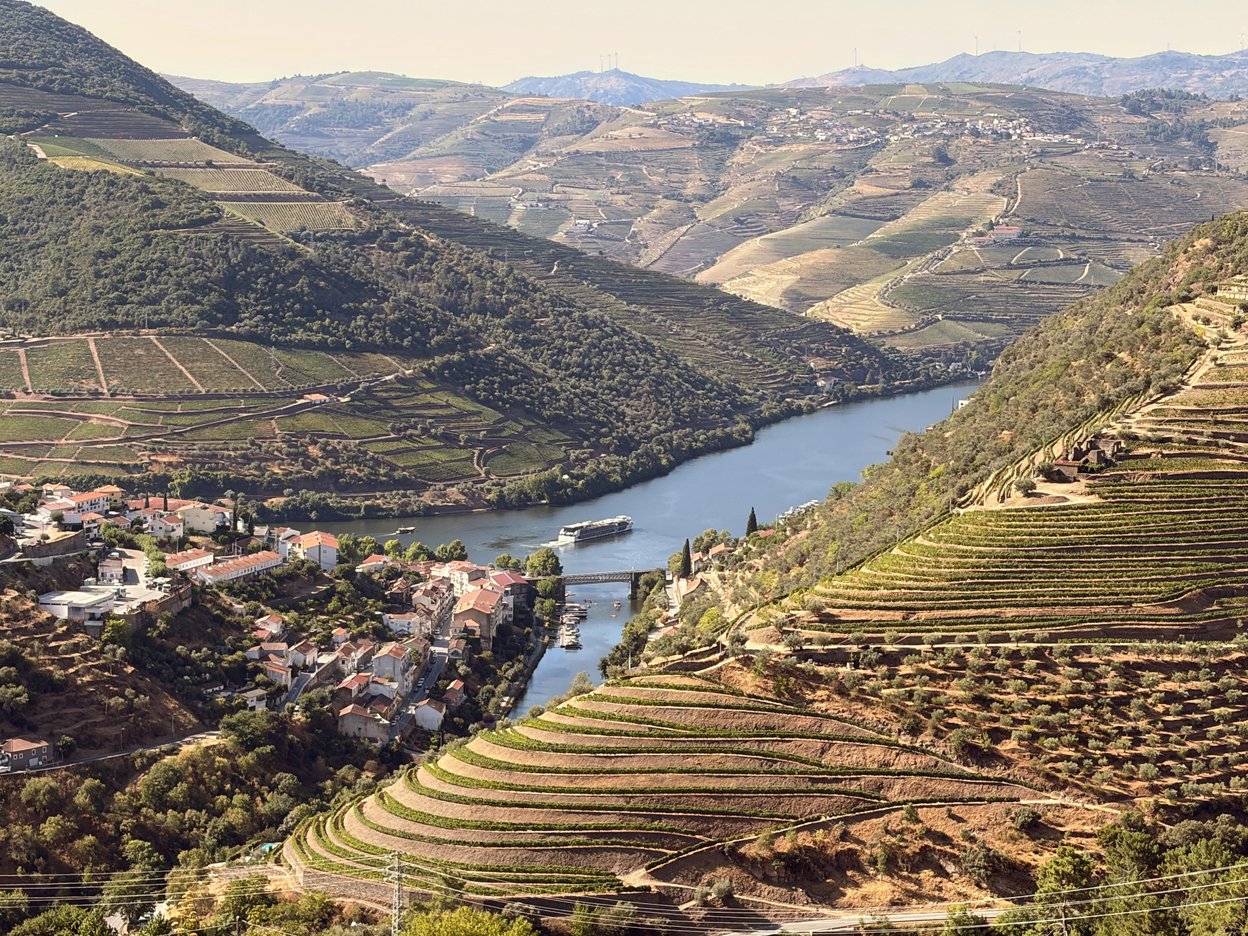
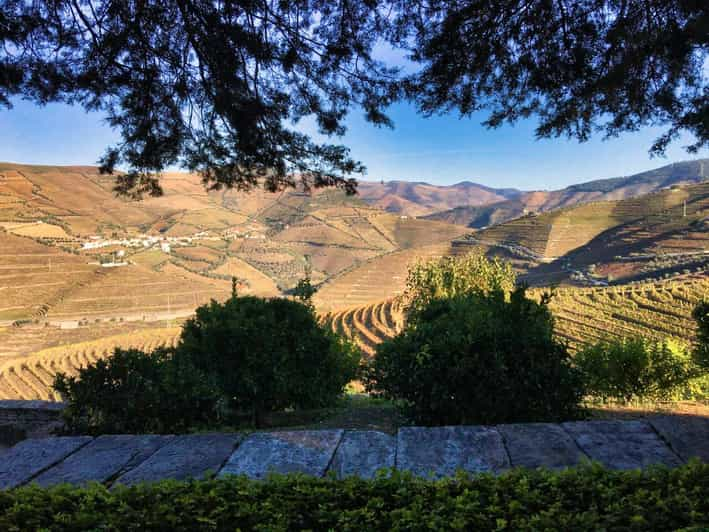
It is a good story at eye level for a child, told while the flat-bottomed descendant of those boats carries you past the same terraces, whose hand-built stone walls have held the slopes for roughly two thousand years.
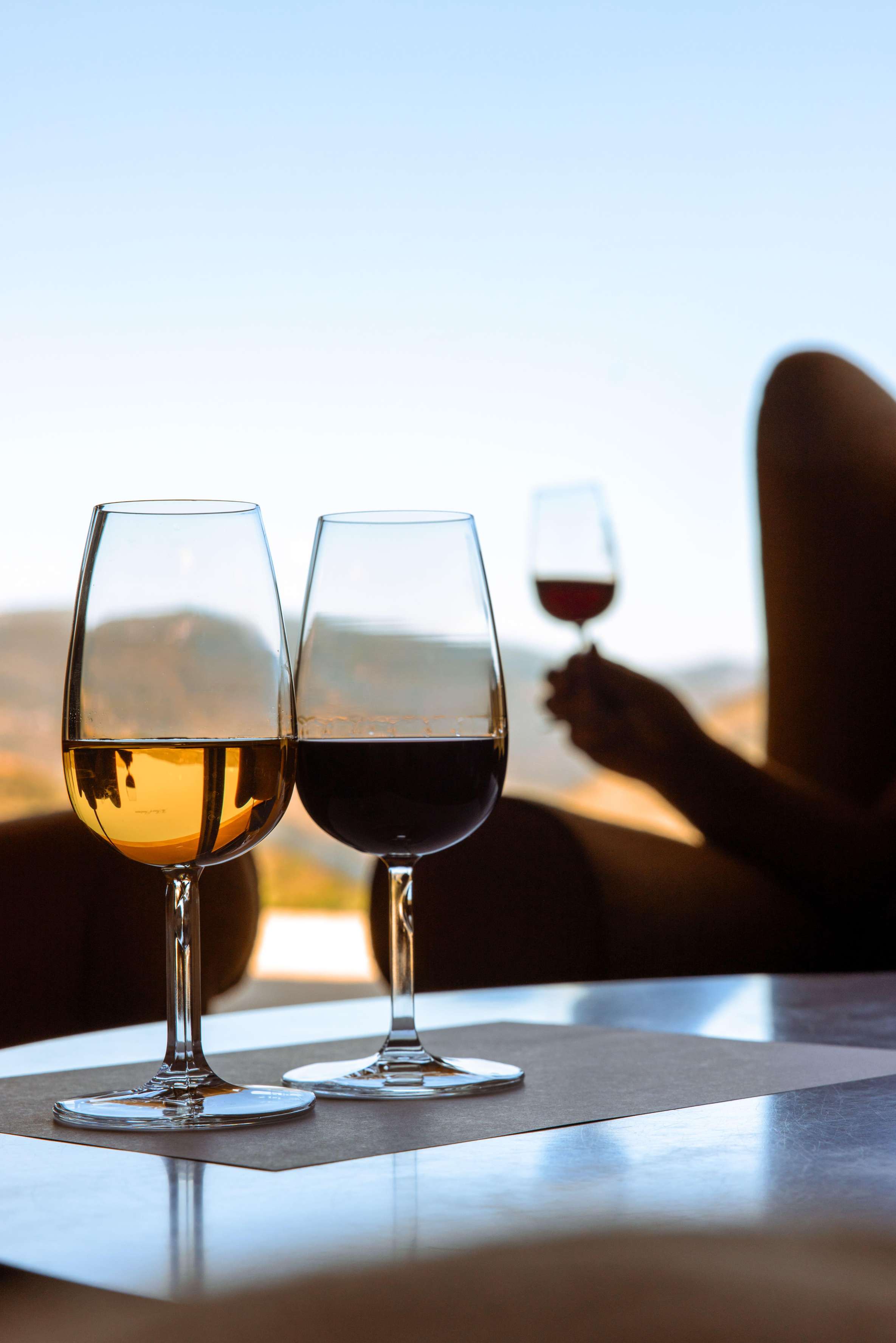
A rental car looks like the perfect family solution until the tastings start. Portugal's legal blood alcohol limit is 0.5 g/l for standard drivers, and just 0.2 g/l for anyone who has held a licence for under three years.
On the valley's winding rural roads, where police run active checks, a single tasting pour can put a driver at or over the threshold. So one parent abstains for the entire day while everyone else tastes, and the same rule repeats at lunch, at the second estate, on the boat.
The driving itself is slow. Roads between wineries are steep, narrow and winding, river crossings are scarce, so estate-to-estate trips take far longer than the map suggests, and the narrow stretches demand constant concentration from whoever is behind the wheel.
Parking adds friction in Pinhão during peak season, when town spaces are limited and finding one costs extra time.
In the harvest months, the scenic road between Peso da Régua and Pinhão fills with tractors, trailers and lorries hauling grapes, so the drive slows further precisely when the valley is at its most beautiful.
Measured against all that, a guided tour does this job better for most families: a practised driver takes the curves, a guide carries the story, and both parents can taste, nap a child across the back seat, or deal with a queue at the farm lunch without watching the road.
Rent the car for the city and the coast; let someone else drive the gorge.
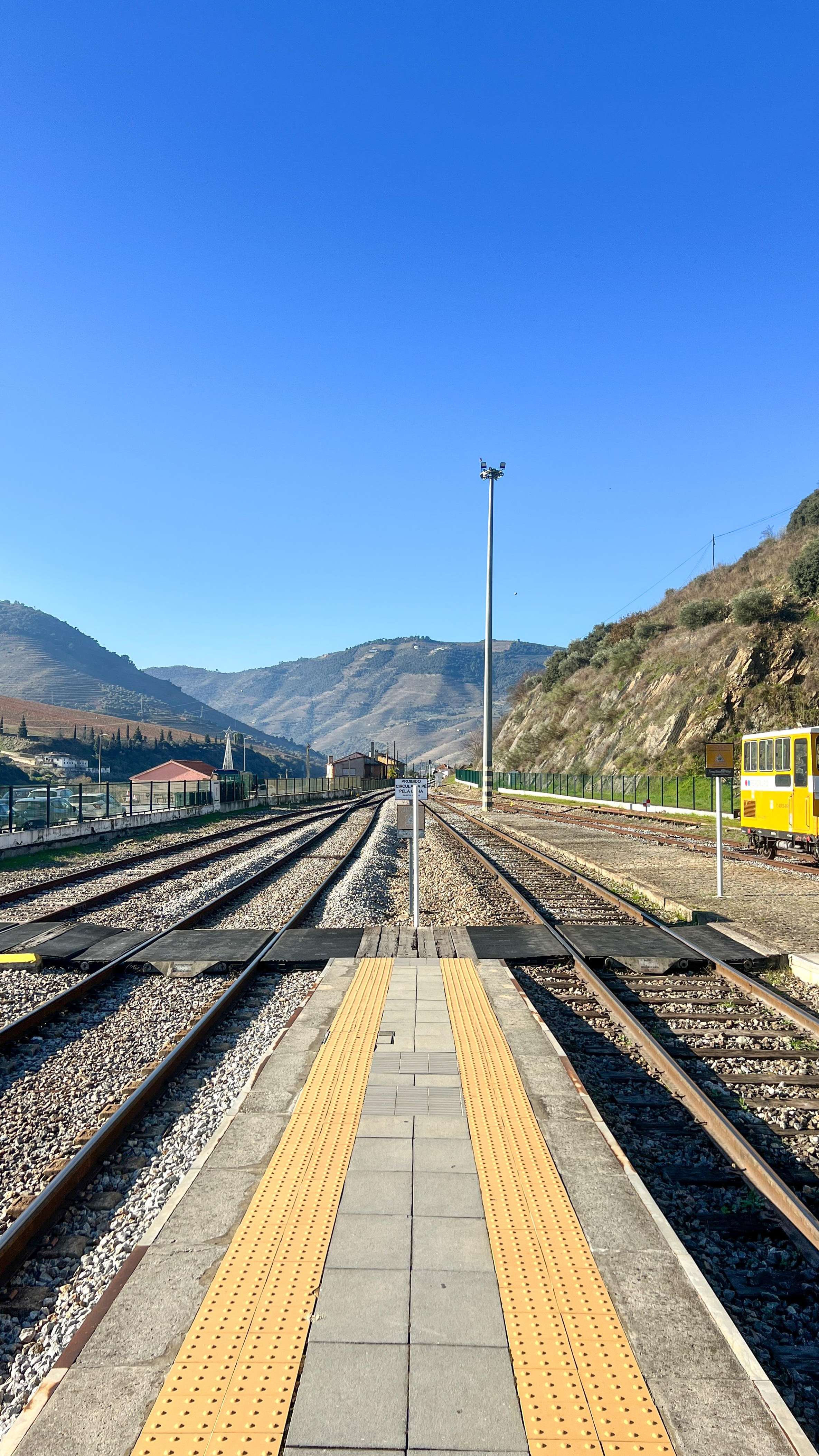
The valley earns its day with kids when you match the format to their ages and stomachs. For most families the boat, train and lunch day is the closest match on this site: water and rail break up the road time, and the whole thing fits inside seven hours.
Go private with a baby or a child who needs the day to bend around their rhythm. Go small group on the family-farm lunch if warm, informal settings matter most. Skip the valley from a two-day Porto stay.
The things parents ask before booking a family day in the valley.
 Porto2026
Yes, if you pick the right format. A private tour or a combination trip that uses a train and a boat keeps children out of a full day on winding mountain roads, which is the part that wears them out.
Estates used to visitors often pour grape juice for kids and set out snacks like almonds and honey. Some have play areas with drawing, painting, or toys, and a few run vineyard scavenger hunts while the adults taste.
Book a combination day tour. One format pairs a 30-minute panoramic train ride through the valley with a 1- to 1.5-hour boat cruise in Pinhão, so road time is broken up across rail, water, and van. The cruise runs within the valley itself.
It is, when you choose the right format. Short cruises work well for young children, who enjoy the bridges, passing boats, and hillside farmhouses. Full-day cruises that travel all the way from Porto to the upper valley can exhaust them.
A private tour moves at your own pace. You can stretch time at a viewpoint, stop whenever a child needs the restroom, and skip a fixed lunch schedule. Small-group minivans follow a set plan of two wineries, a group lunch, and a one-hour cruise, with stops only where scheduled.
Plenty. Depending on your children's ages: kayaking and swimming at freshwater river beaches, cycling and hiking through the terraced vineyards, and at the estates themselves, September grape stomping, tile painting workshops, and picnics. Teenagers usually need the outdoor options more than another cellar tour.
Look for tours with a boat ride, a train leg, or time outdoors rather than back-to-back cellar visits. Cycling, hiking trails, and water sports in the valley give teens something active between meals and viewpoints.
The easiest route is a private guided tour with door-to-door transport from Porto. That way you control nap times and stops instead of managing a fixed group schedule or self-driving on steep mountain roads.
Some group tours do not accept children under 6, and others set the bar at 3. Read the age limit on each tour before booking, and request a child seat in advance, since operators provide restraints only when you ask.
Motion sickness remedies or seats near the front of the van, snacks, refillable water bottles, sunscreen, hats, and sturdy shoes for cobblestones, vineyard paths, and boat ramps.
Tastings are brief, so families pair them with riverside activities, cable car rides, or short boat tours the same day. That can be a good warm-up before committing to a full day in the valley.
The Régua riverfront promenade is a flat, stroller-friendly path with cafés and ice cream shops, and the Museu do Douro nearby has interactive exhibits on river navigation and vineyards. In Pinhão, the station's azulejo murals show the grape harvest, a quick story kids can read in pictures.
Boat options from short rabelo rides to full cruises, sorted so you can pick what suits your children's patience.
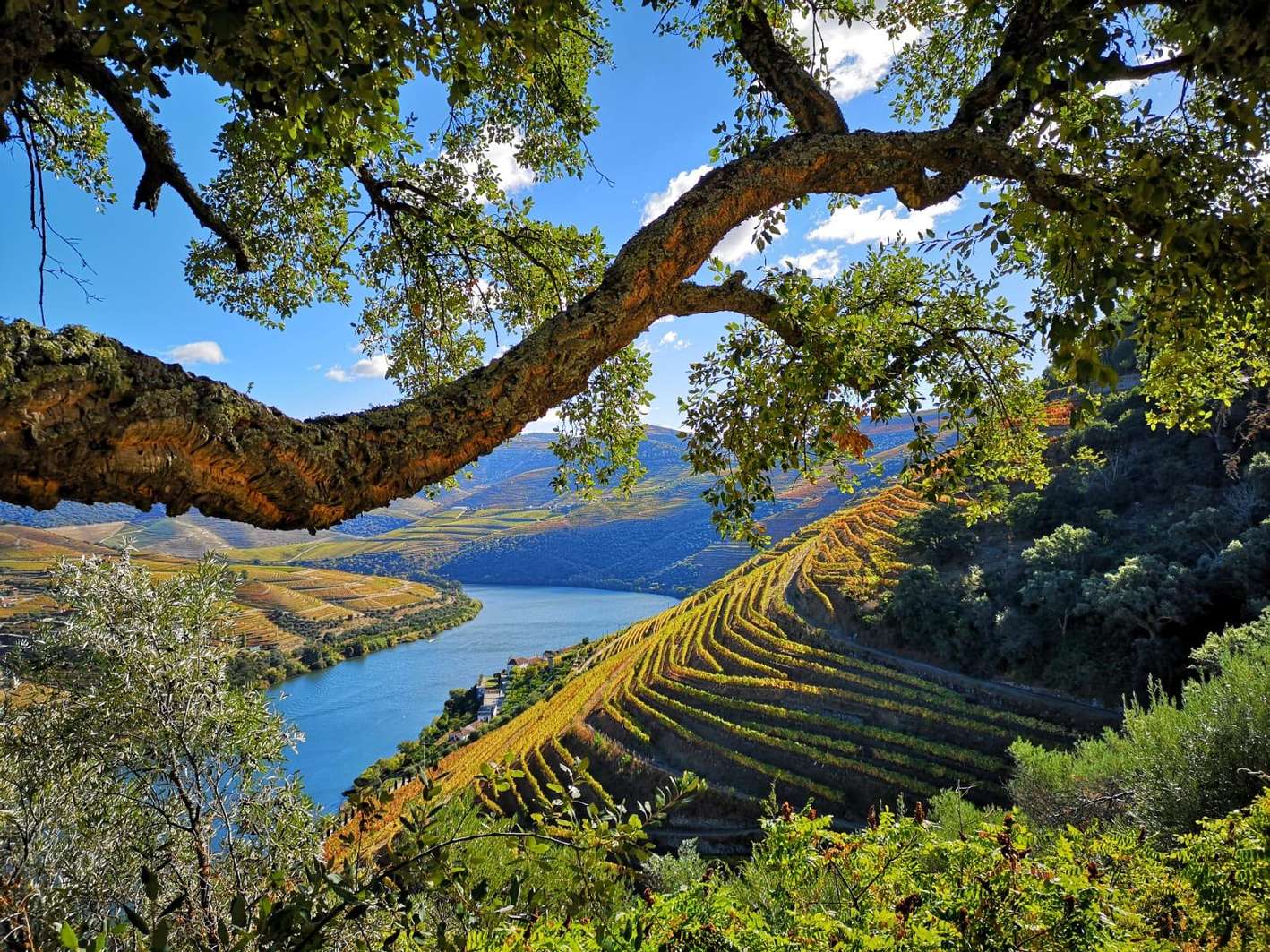
One to four hour sightseeing sailings, ideal when a short river trip beats a full day on the road with little ones.
Full-day sailings that pair the river with vineyard stops, with timings that work around young energy levels.
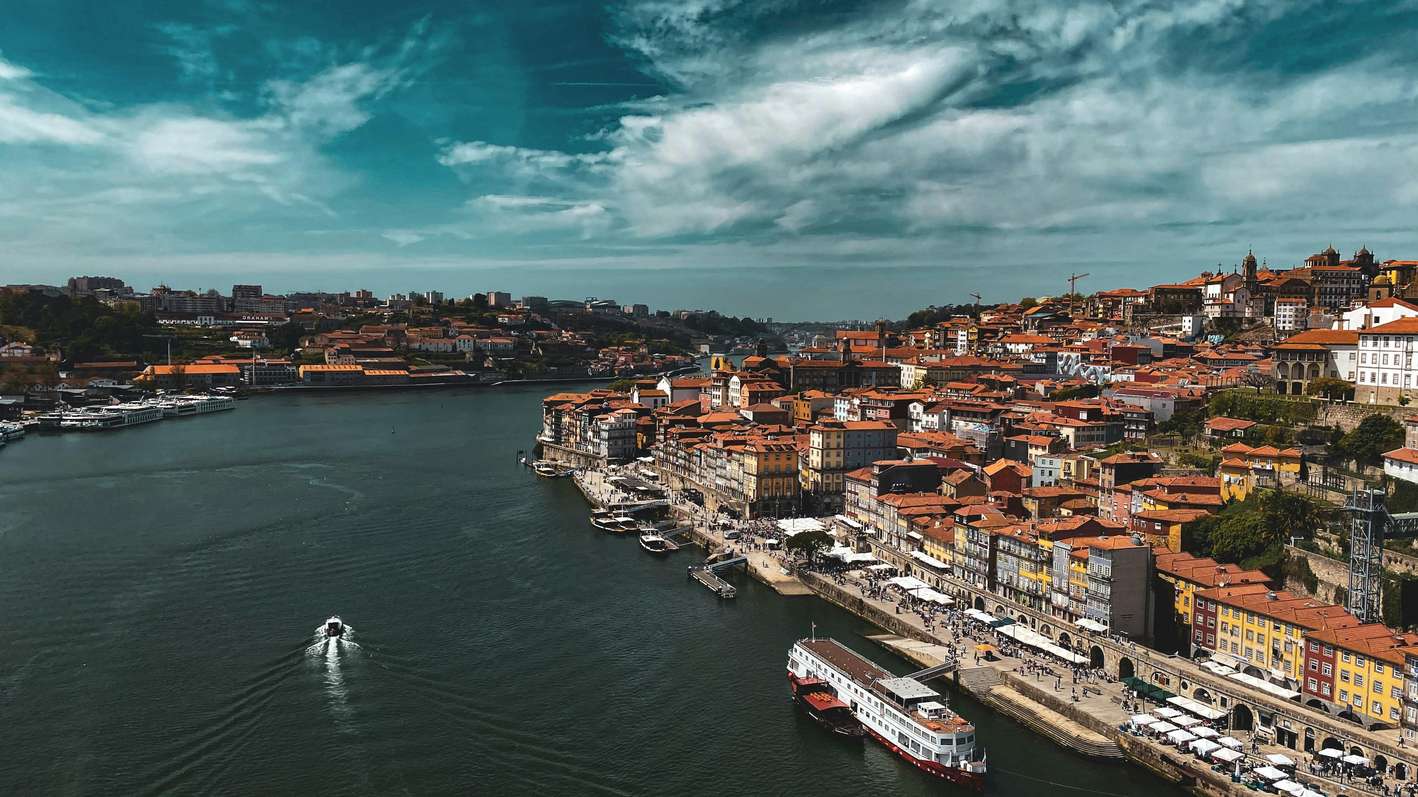
Two and three day cruises with cabins on board, a calmer way for families to take in the terraces.
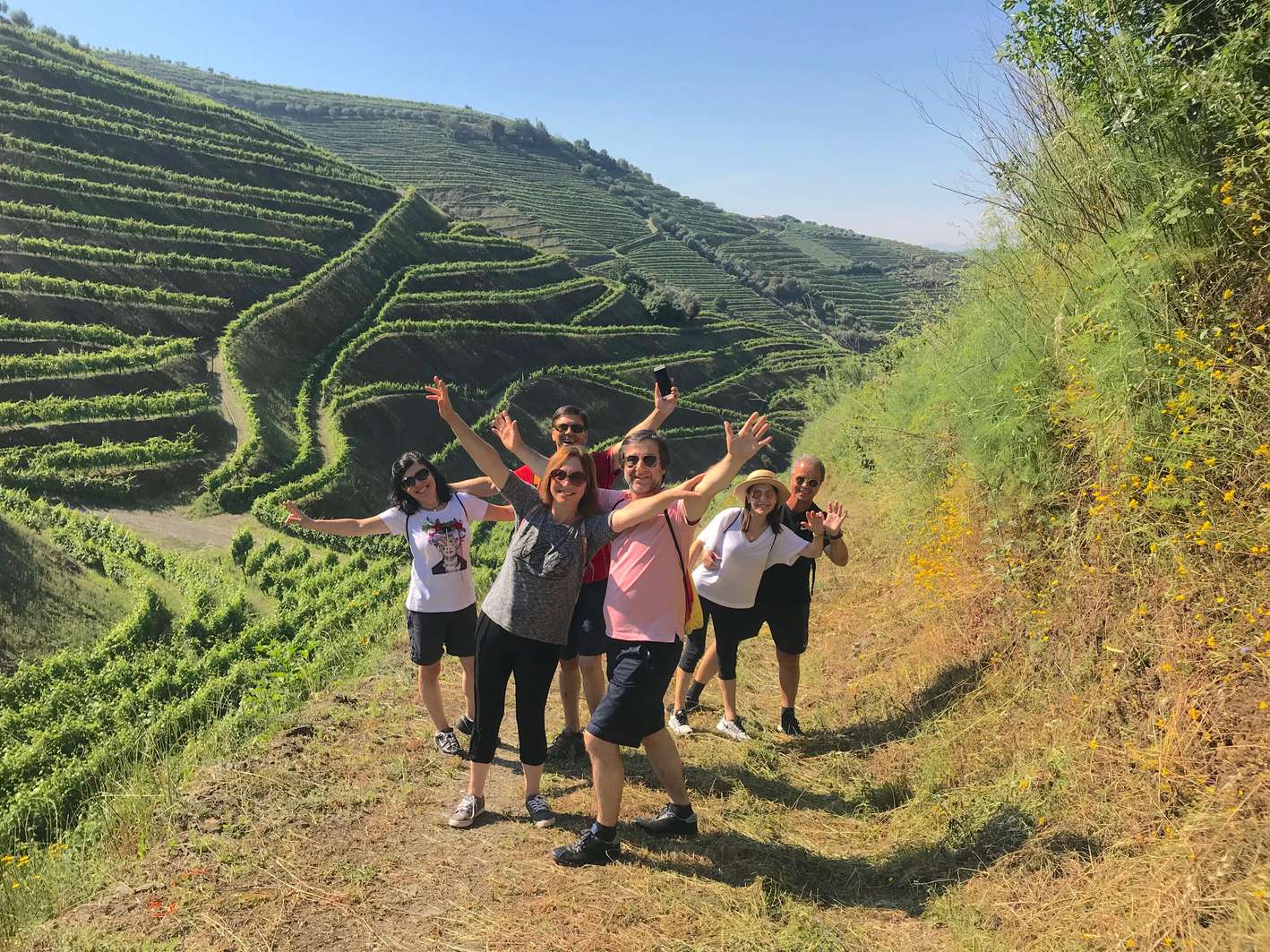
A five day itinerary that unpacks once and moves by water, well suited to multi-generation groups.
River sailings leaving from Porto, so you skip the winding drive entirely before you ever reach the water.
Short itineraries from Porto for days when a full day out with a baby or toddler is simply too much.
Every day tour option in one place, so you can compare pacing and stops before you commit.
Two and three night stays that trade rushed transfers for slow mornings and early dinners at the estate.
Guided hikes through the terraces, with trail lengths matched to different ages and legs.

Premium estates and private charters, if you want space and a flexible schedule for your whole group.
Wine-free visits built around juice tastings, olive oil, and scenery, handy for teens and non-drinkers.
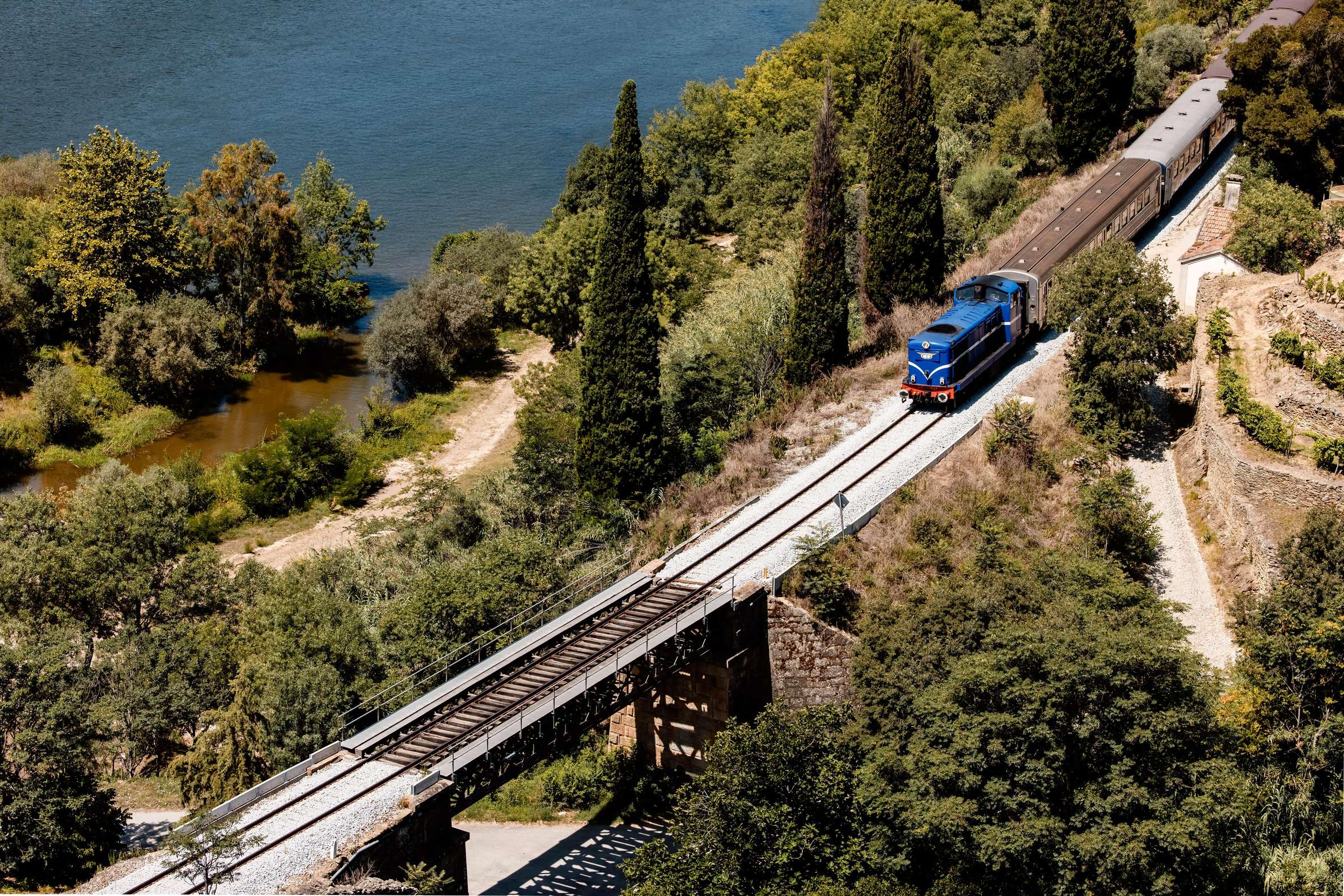
A full-day tour pairing a 1.1-hour river cruise with a scenic train ride and a quinta lunch, and you can cancel up to 24 hours ahead for a full refund.