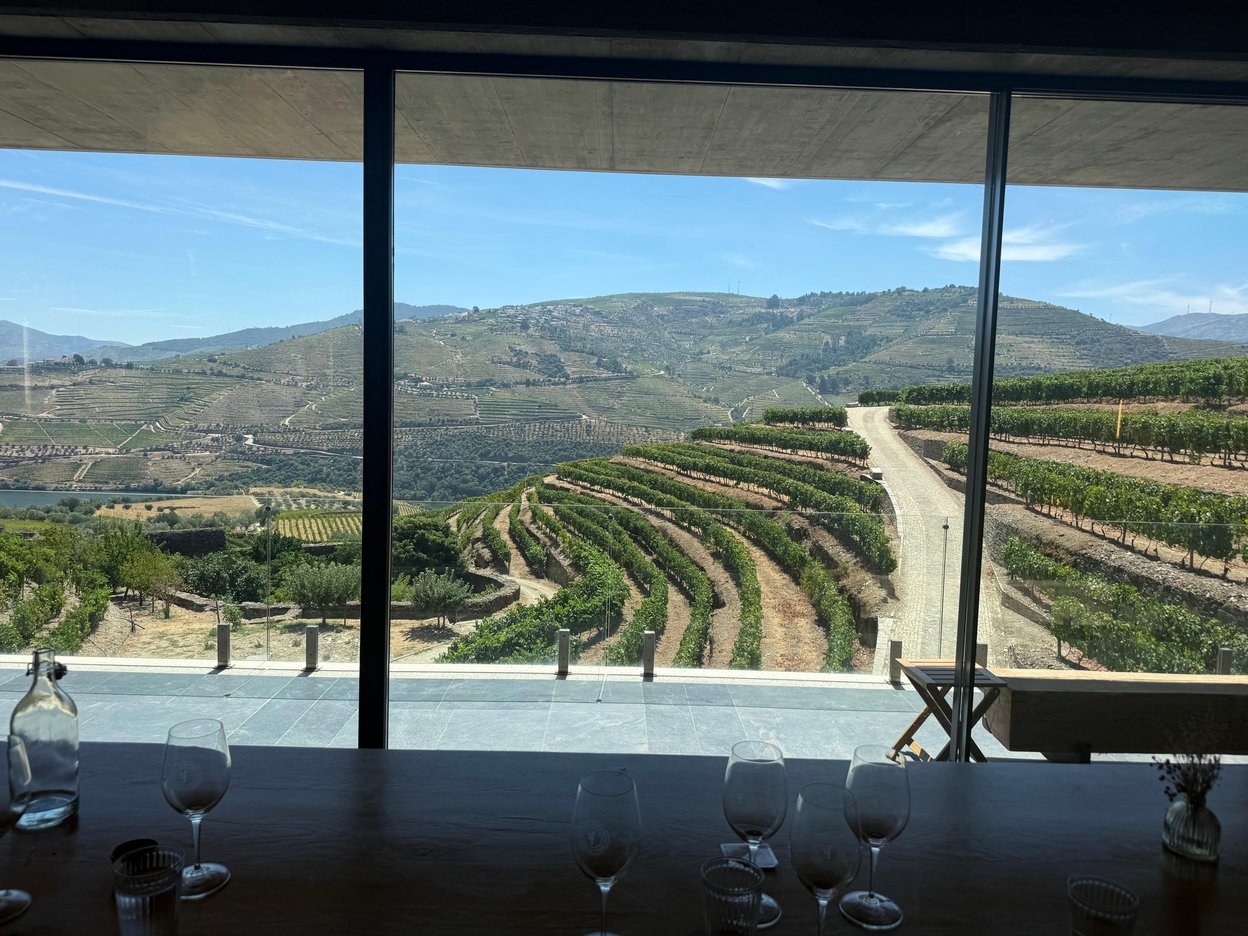
 Our top pick
From Pinhão: Douro Valley Tour w/ Wine Tasting and Boat Trip
Mini-van with ACBoat rideWinery visit and wine tasting
From$62 /person
See dates and book Free cancellation
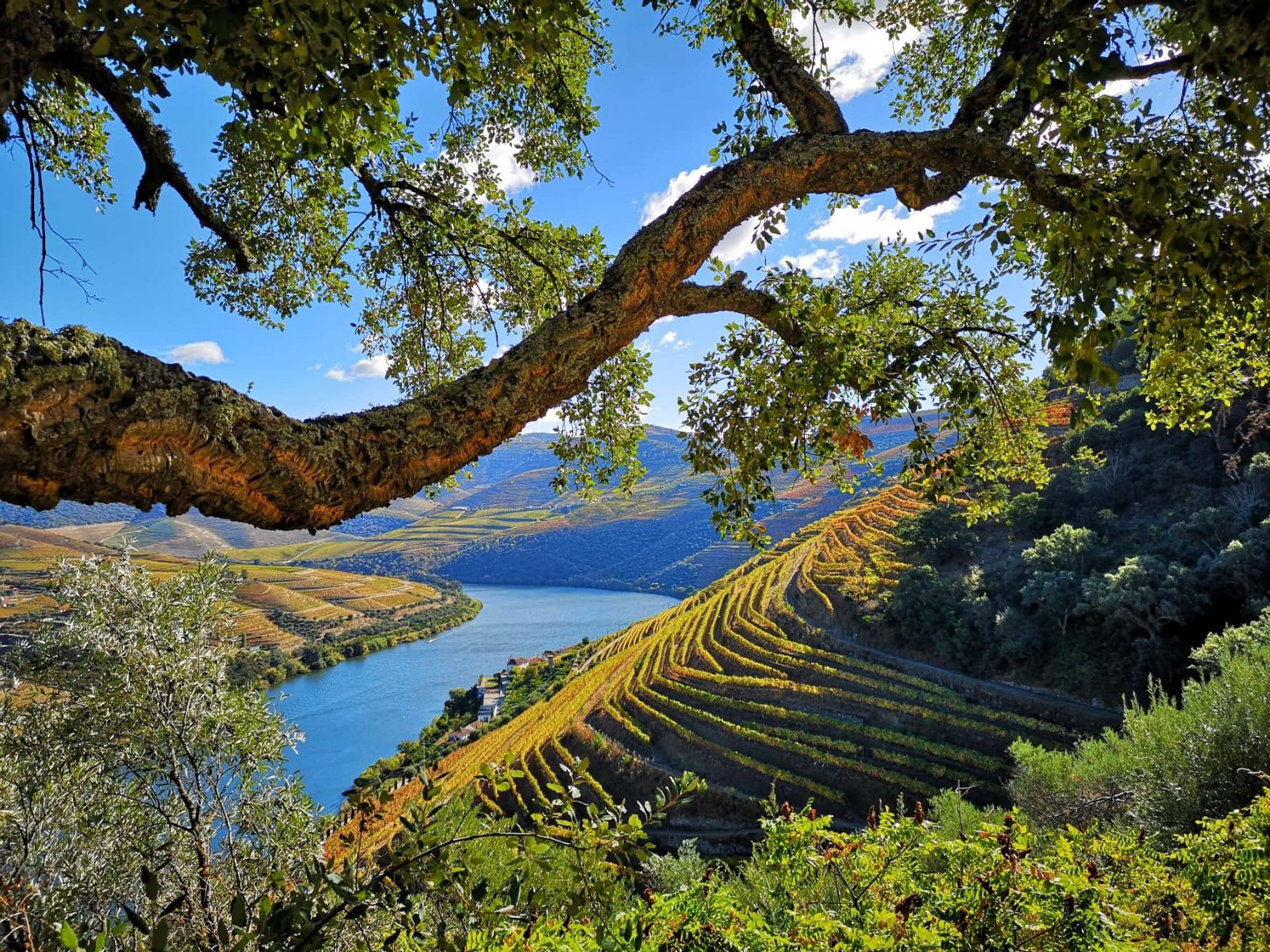
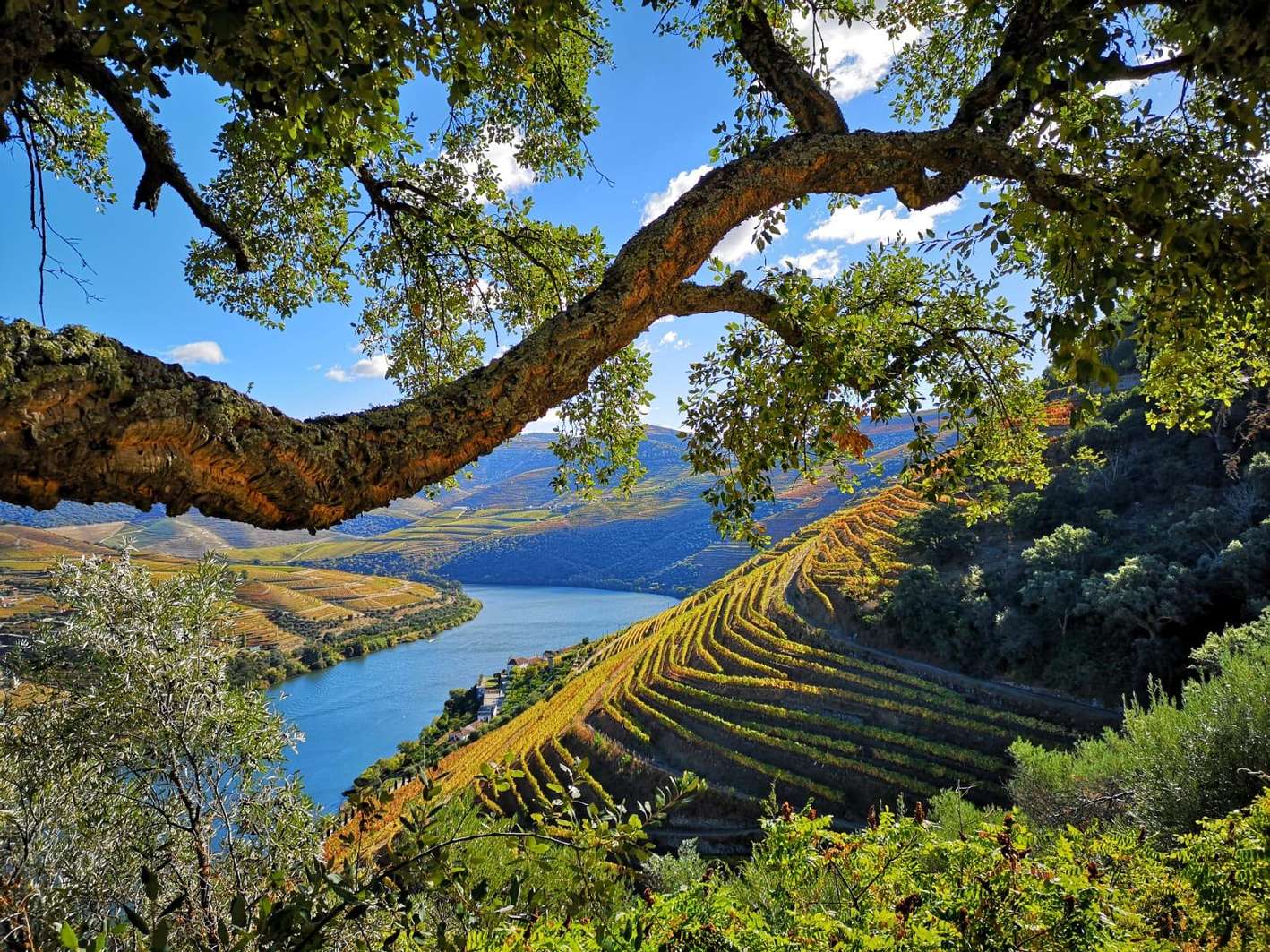
Skip the long bus ride and board where the terraces are steepest. Book a Douro river cruise and wine tasting that starts at Pinhão's quay, minutes from the train platform, with a small boat, a local guide, and a tasting at a riverside winery. Cast off straight into the valley's most dramatic stretch of river.
“The boat was smaller than I pictured, and the tasting came after the cruise, not during. Still worked out great, driver was very good, winery delightful, guide excellent.”
One tour starts right at Pinhão's quay, pairing a boat ride with a winery tasting. The rest are full-day tours from Porto that put their sailing on this same stretch of river.
Our top pick






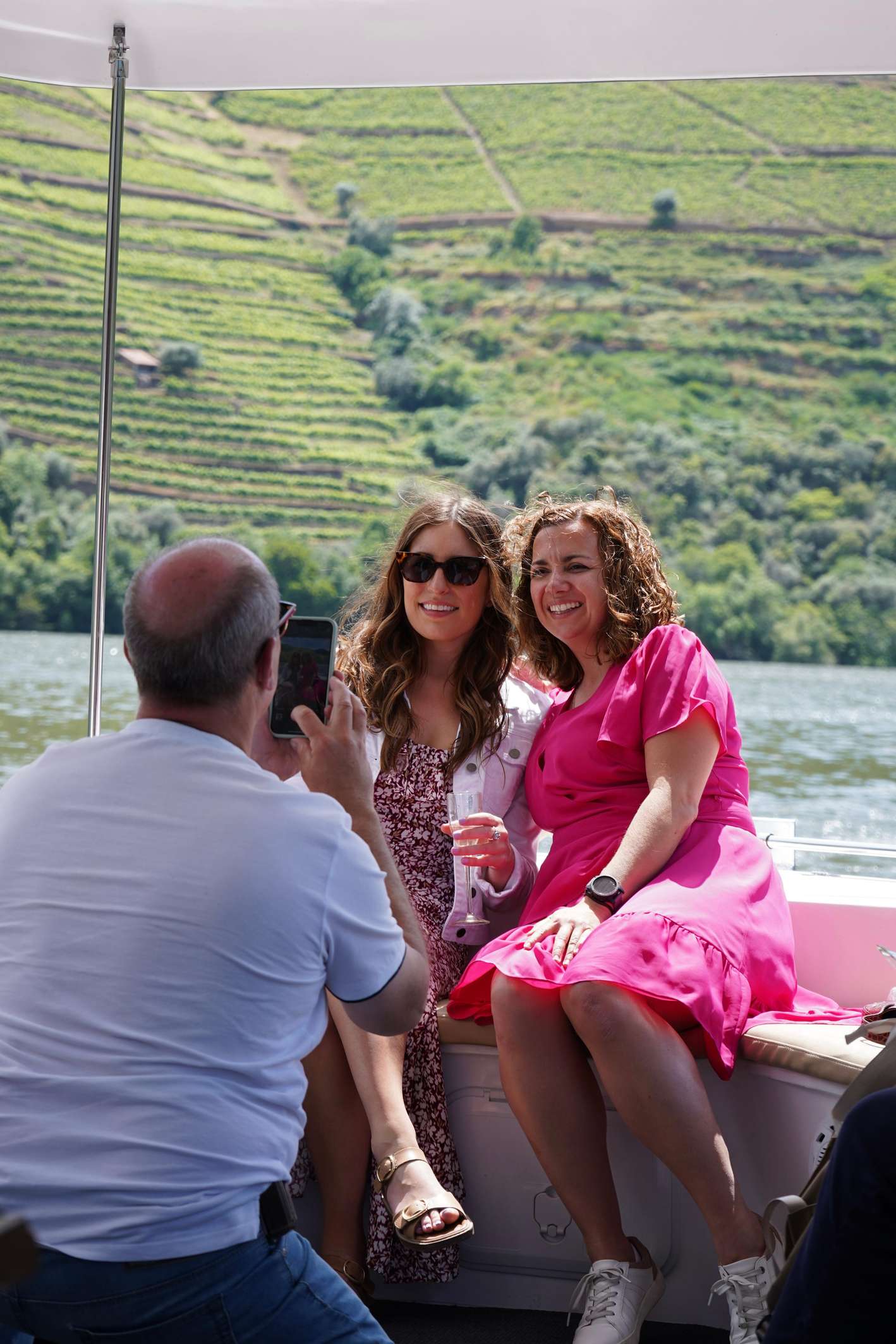
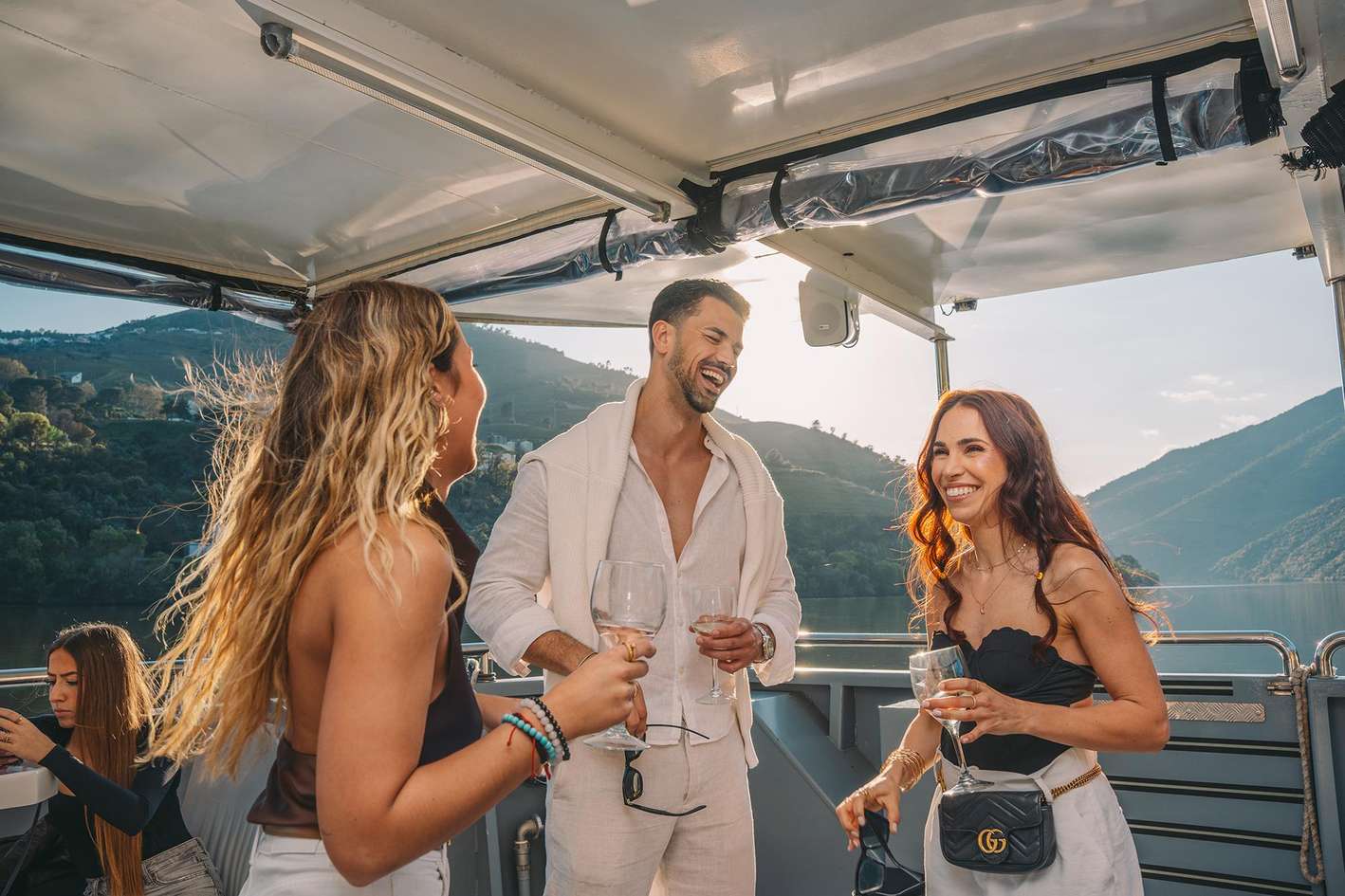
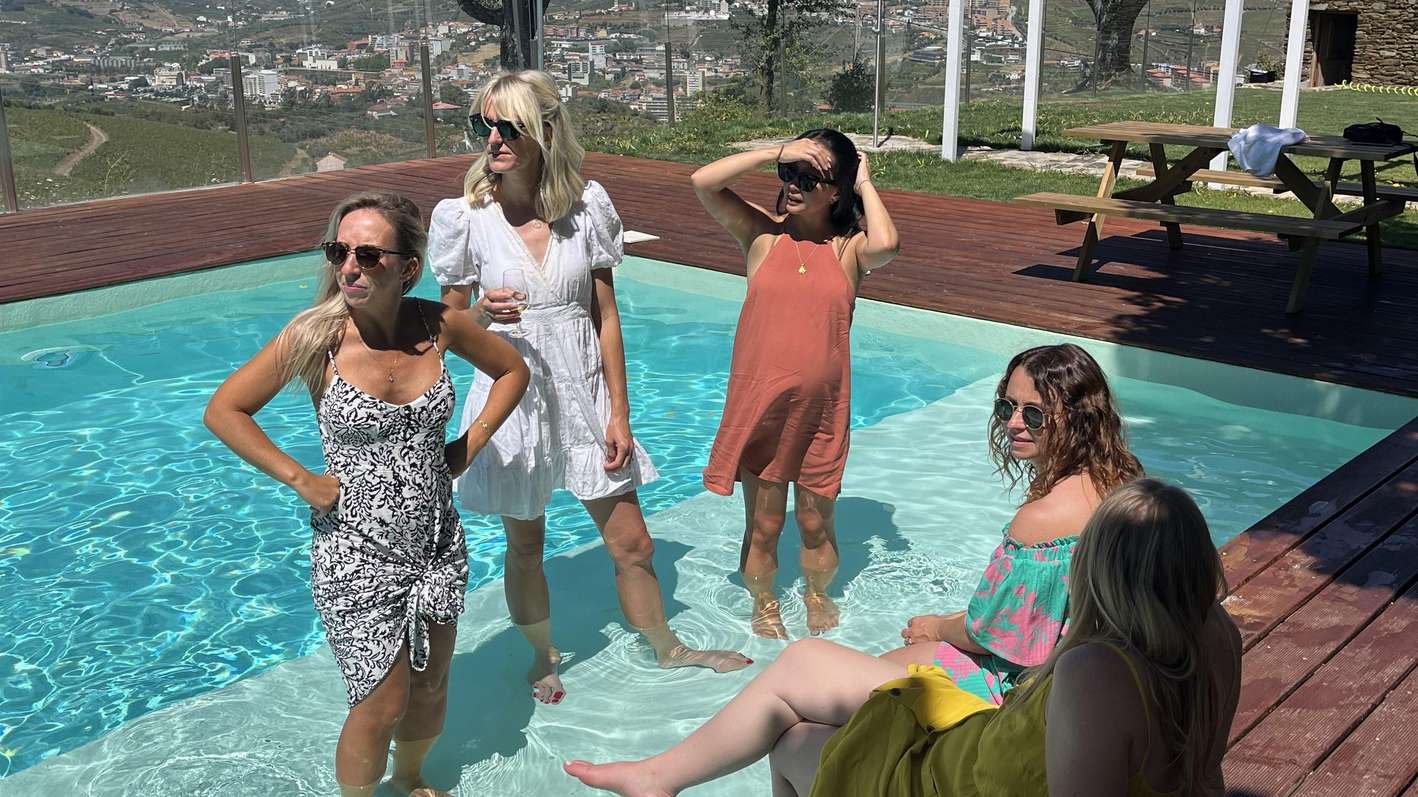
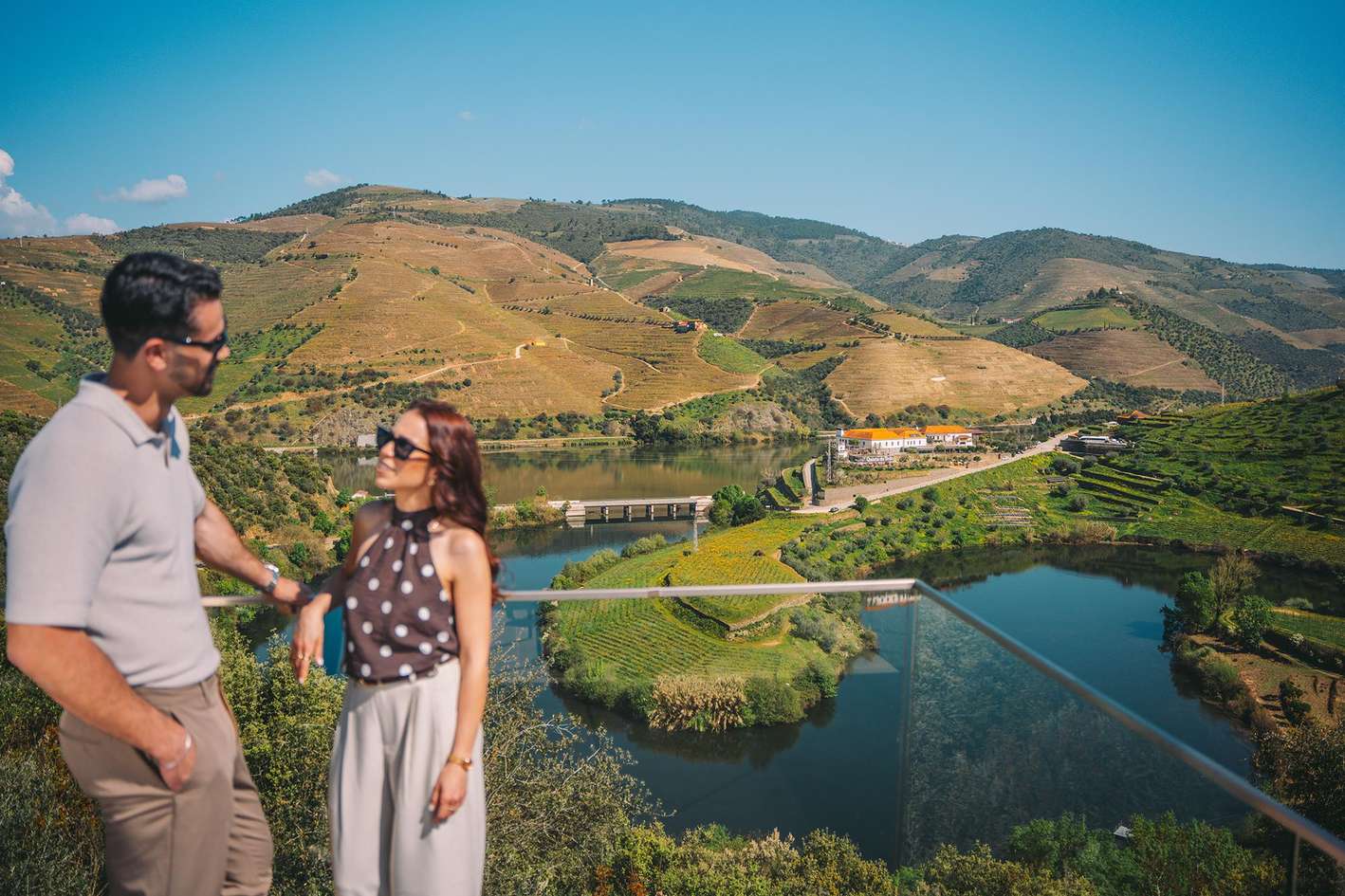
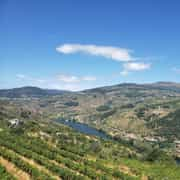
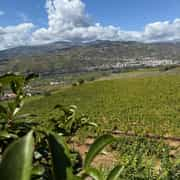
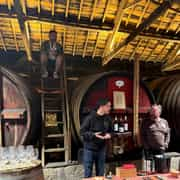
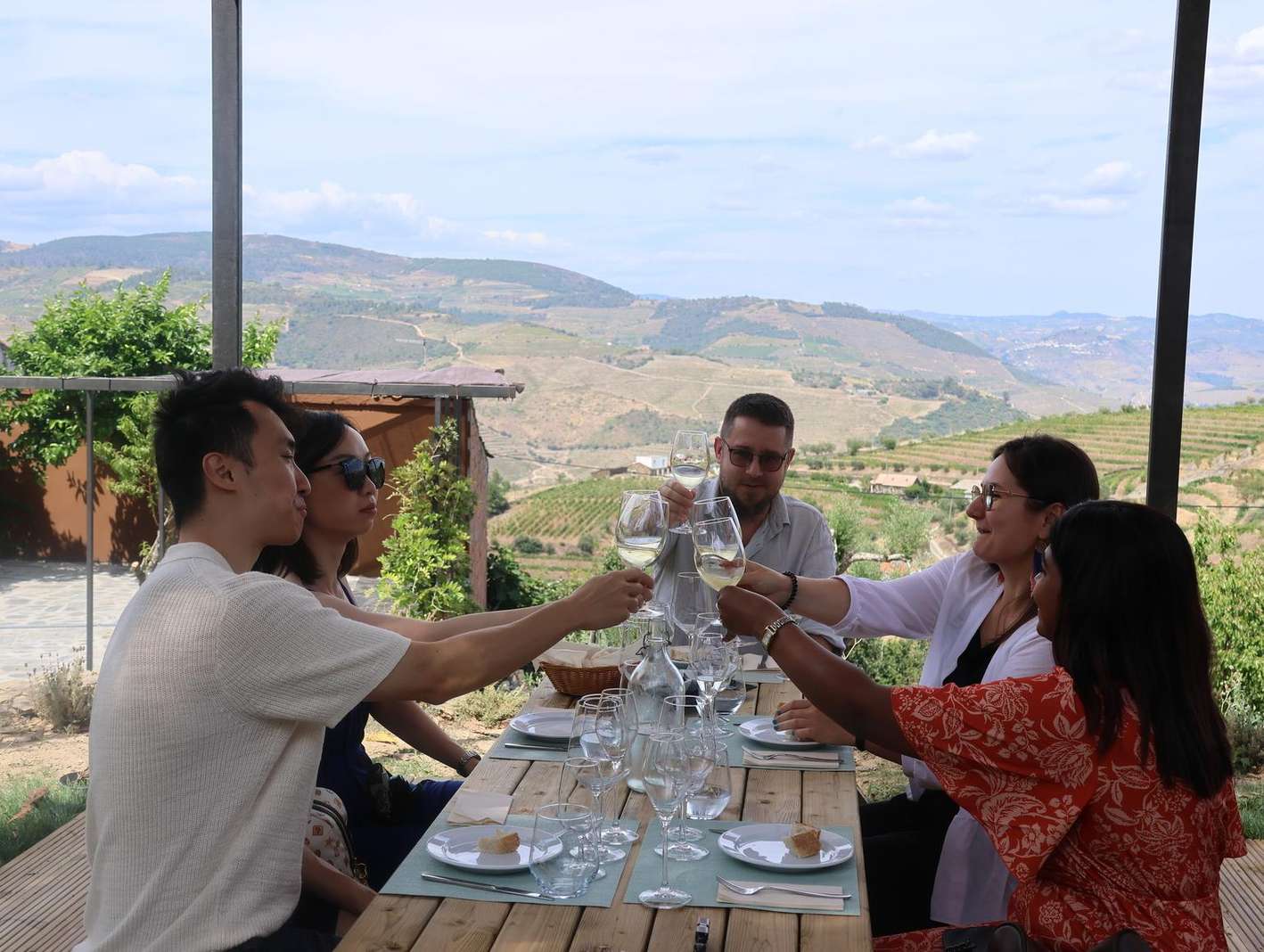
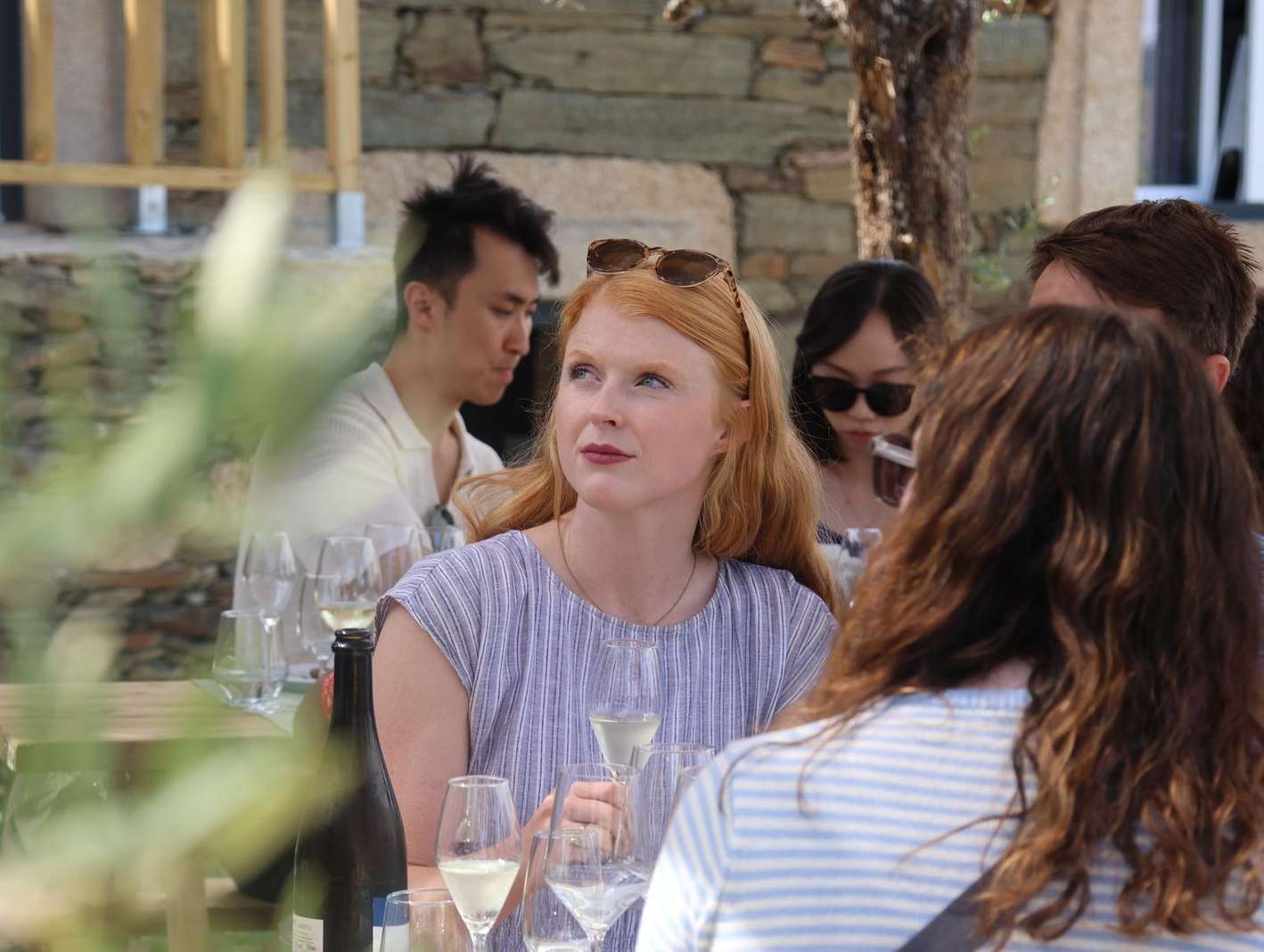
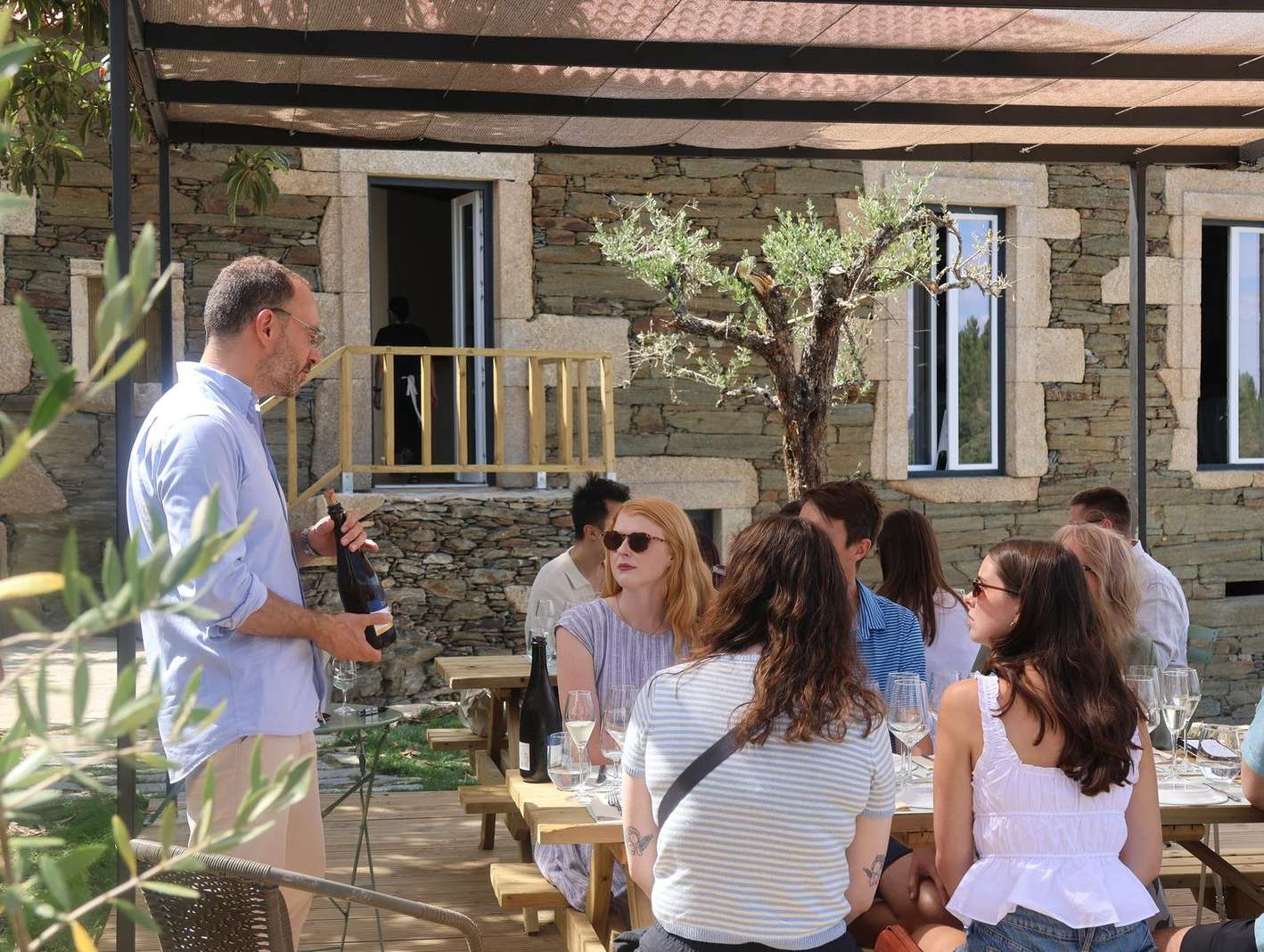
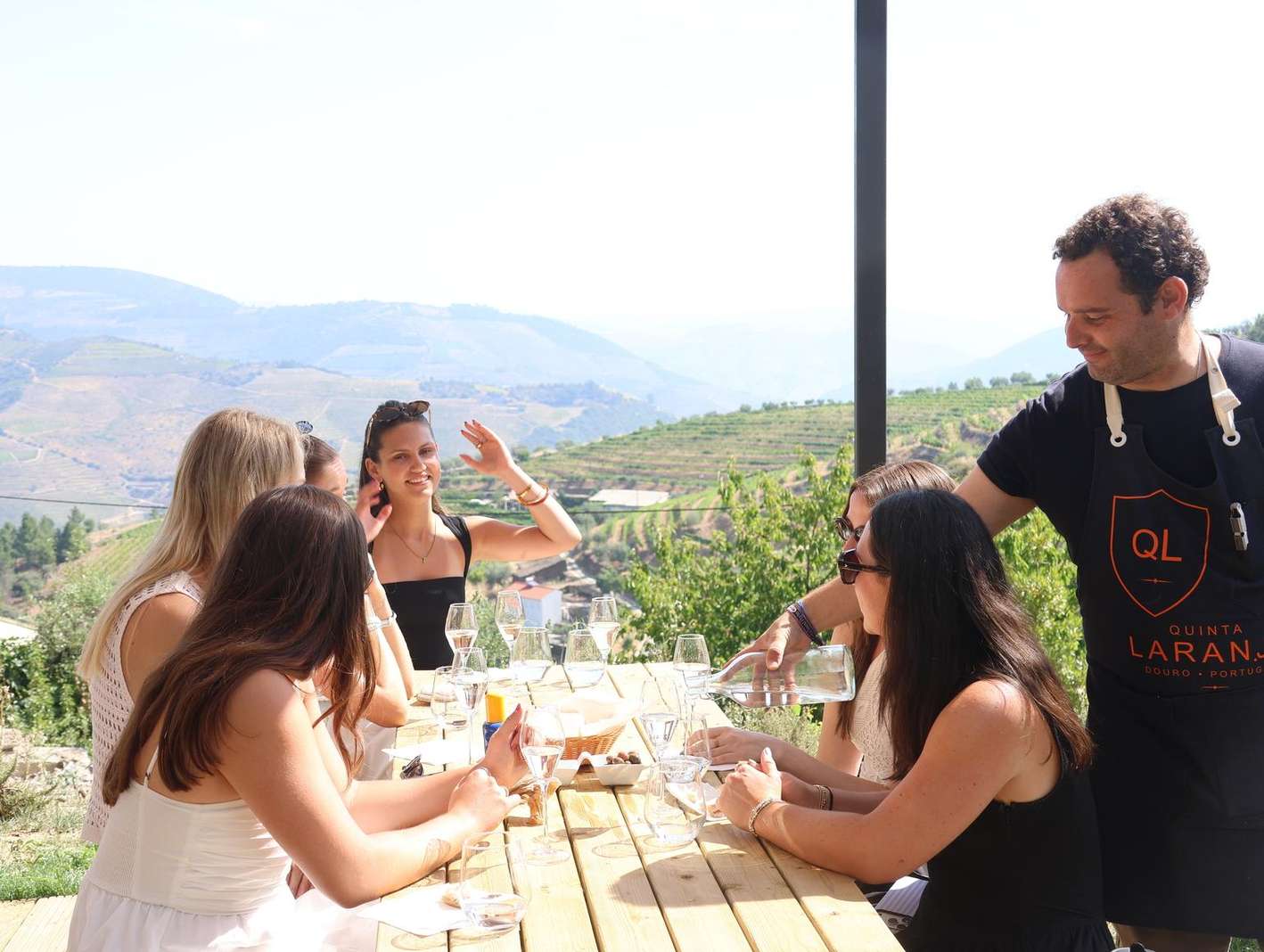
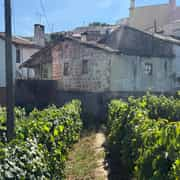
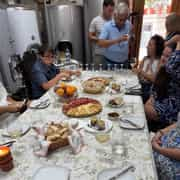

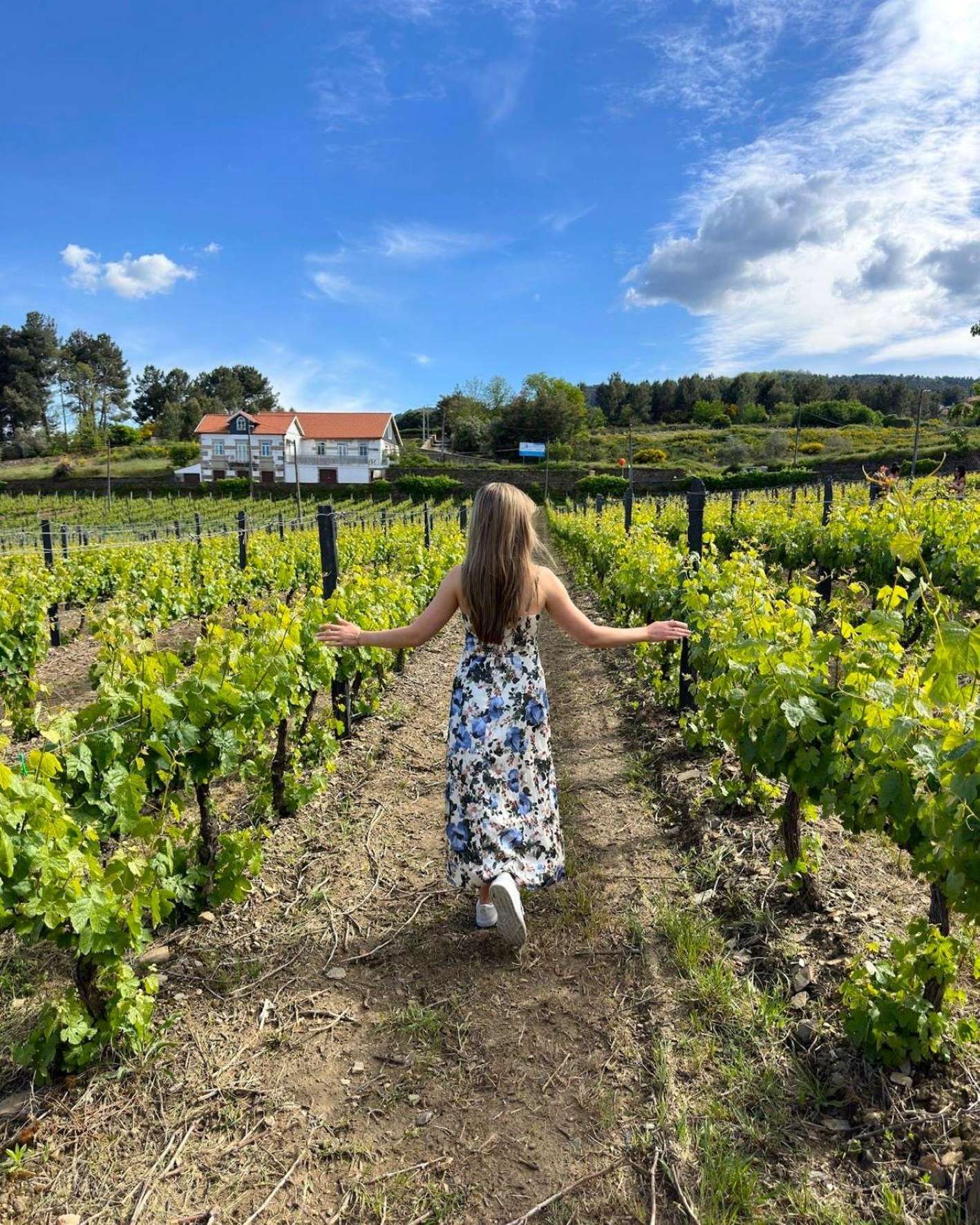
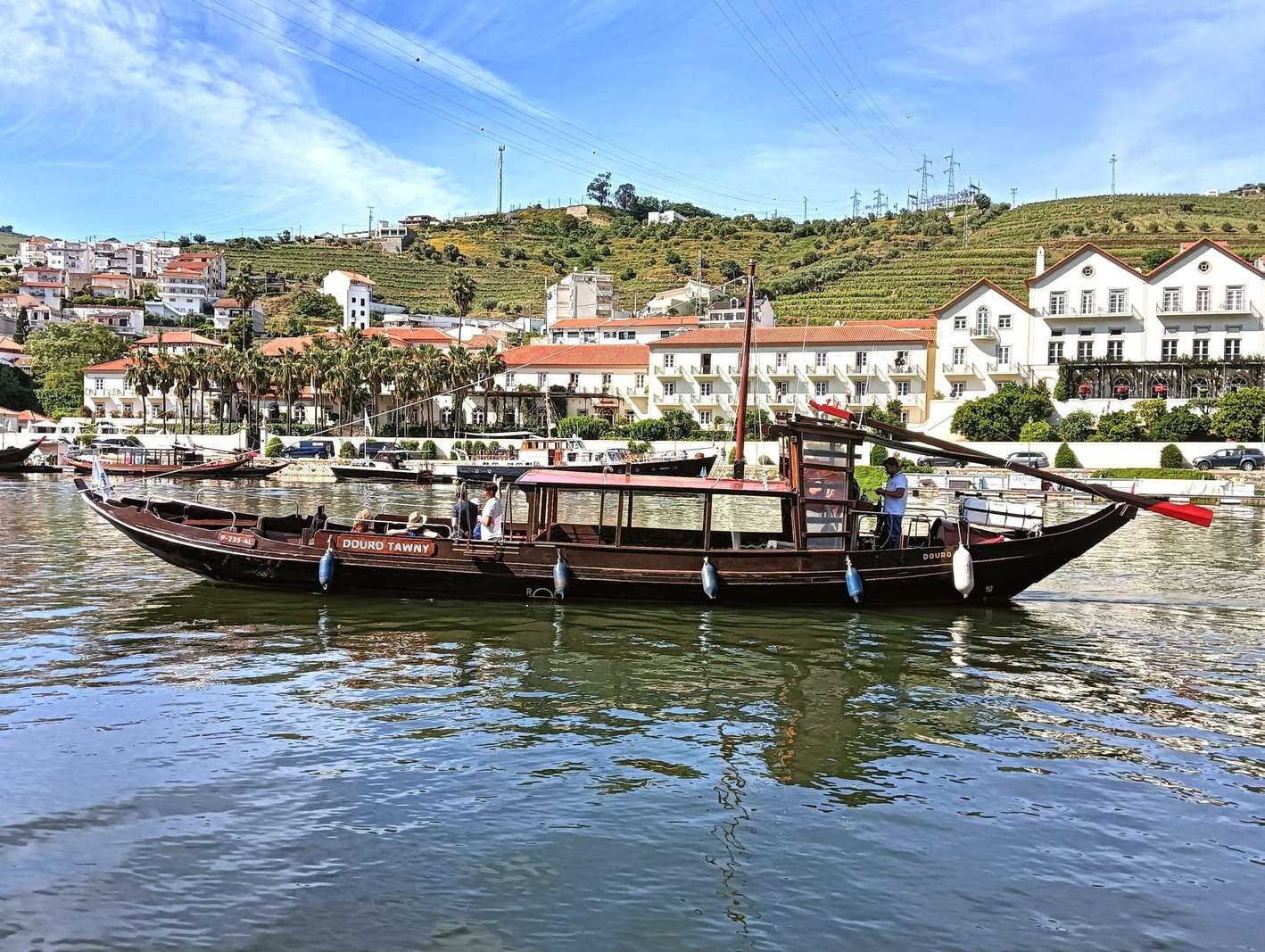
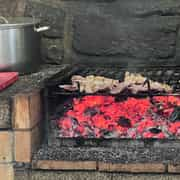
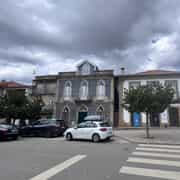
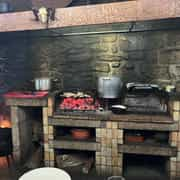
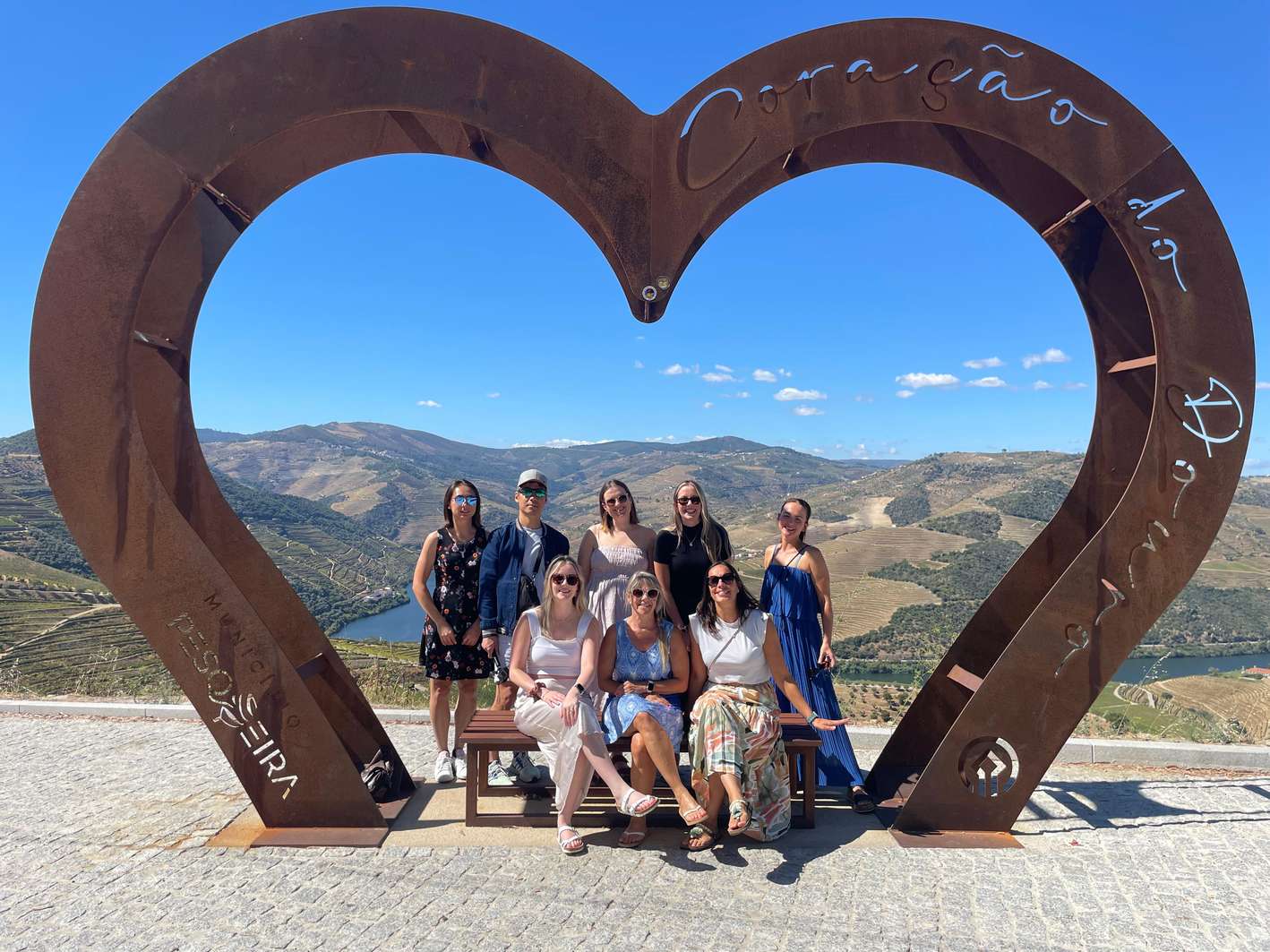
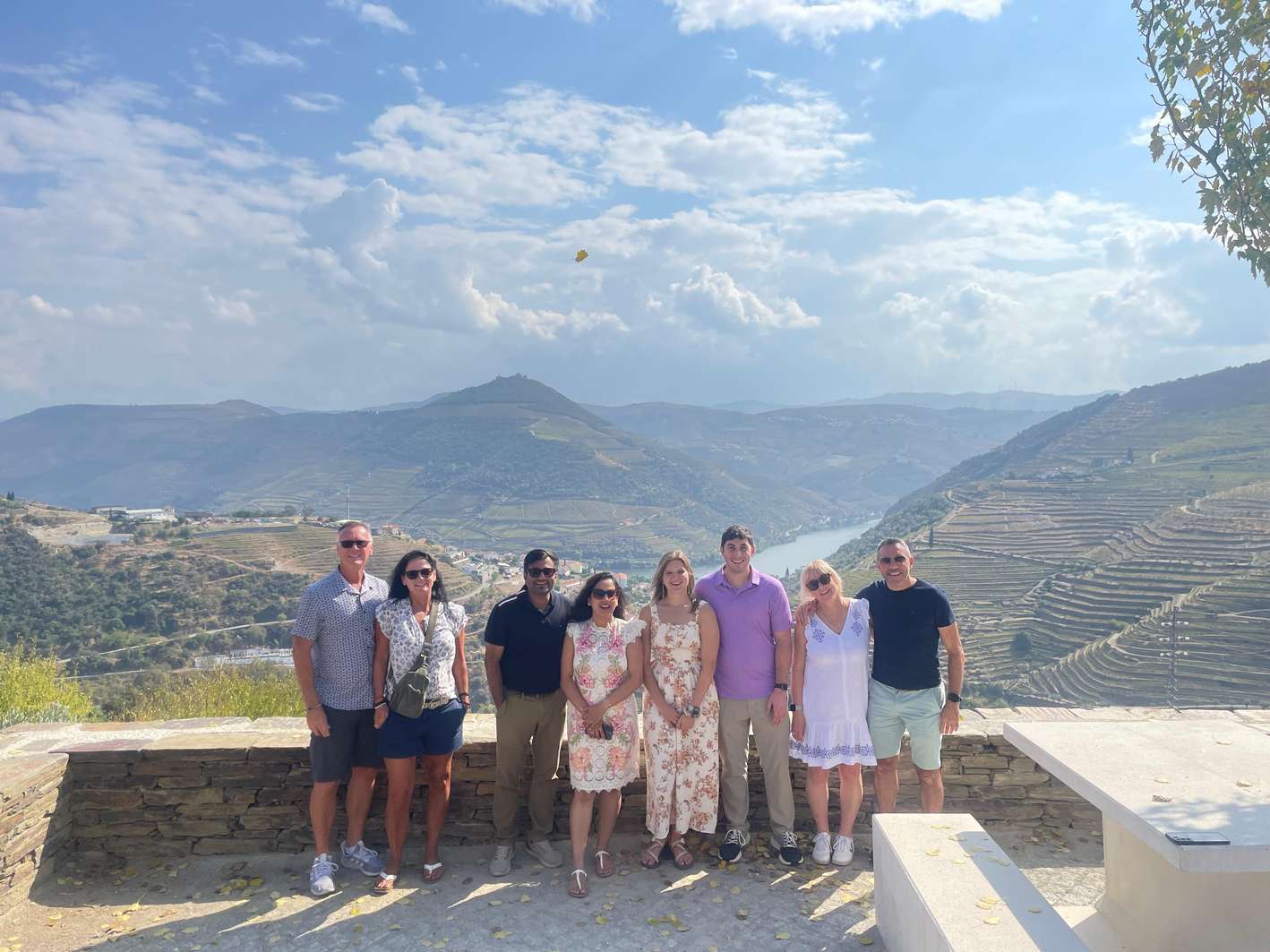
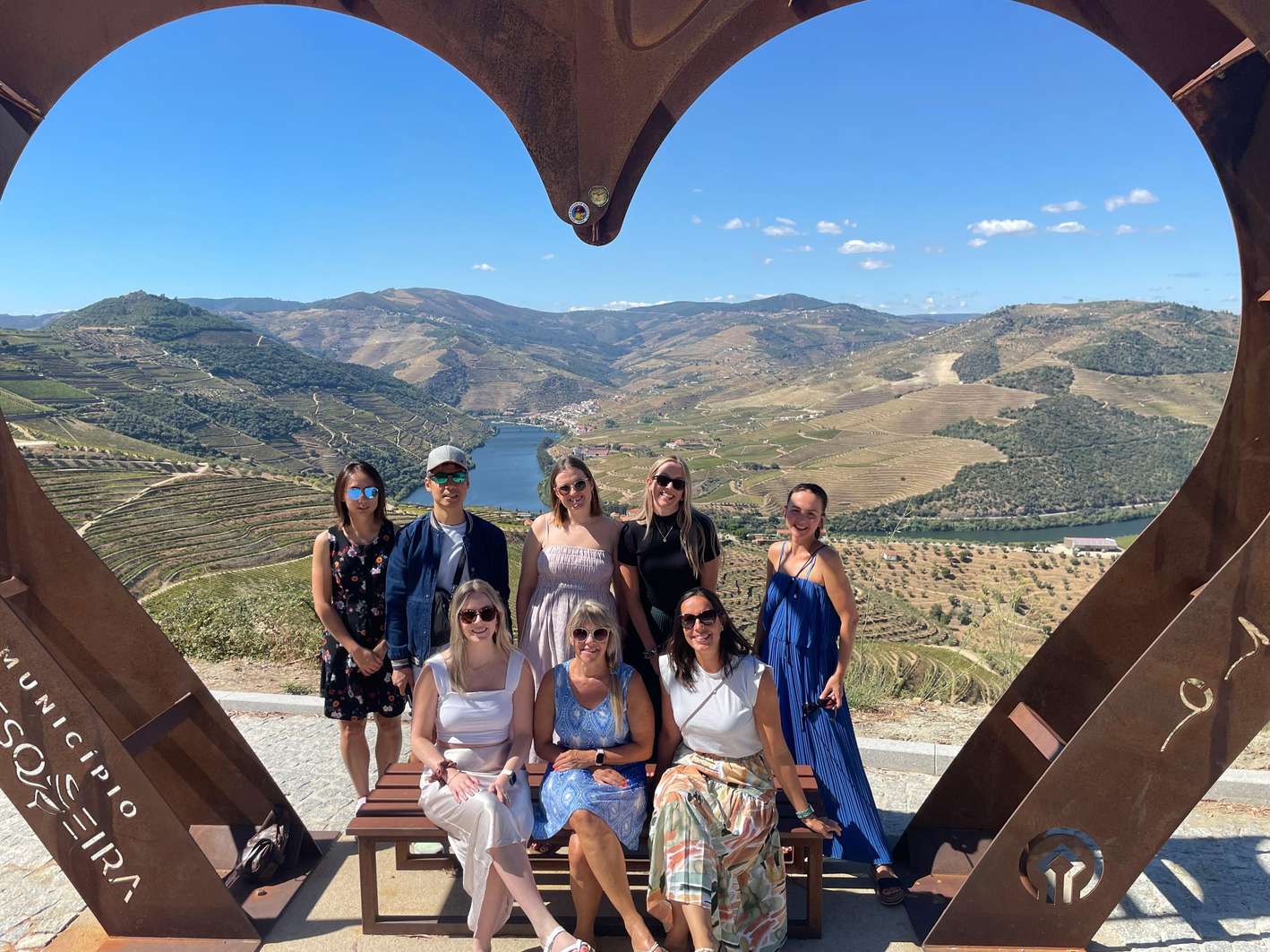
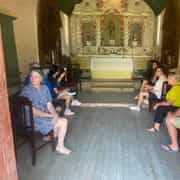
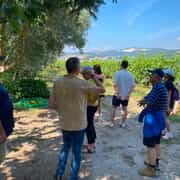
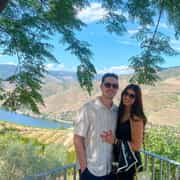
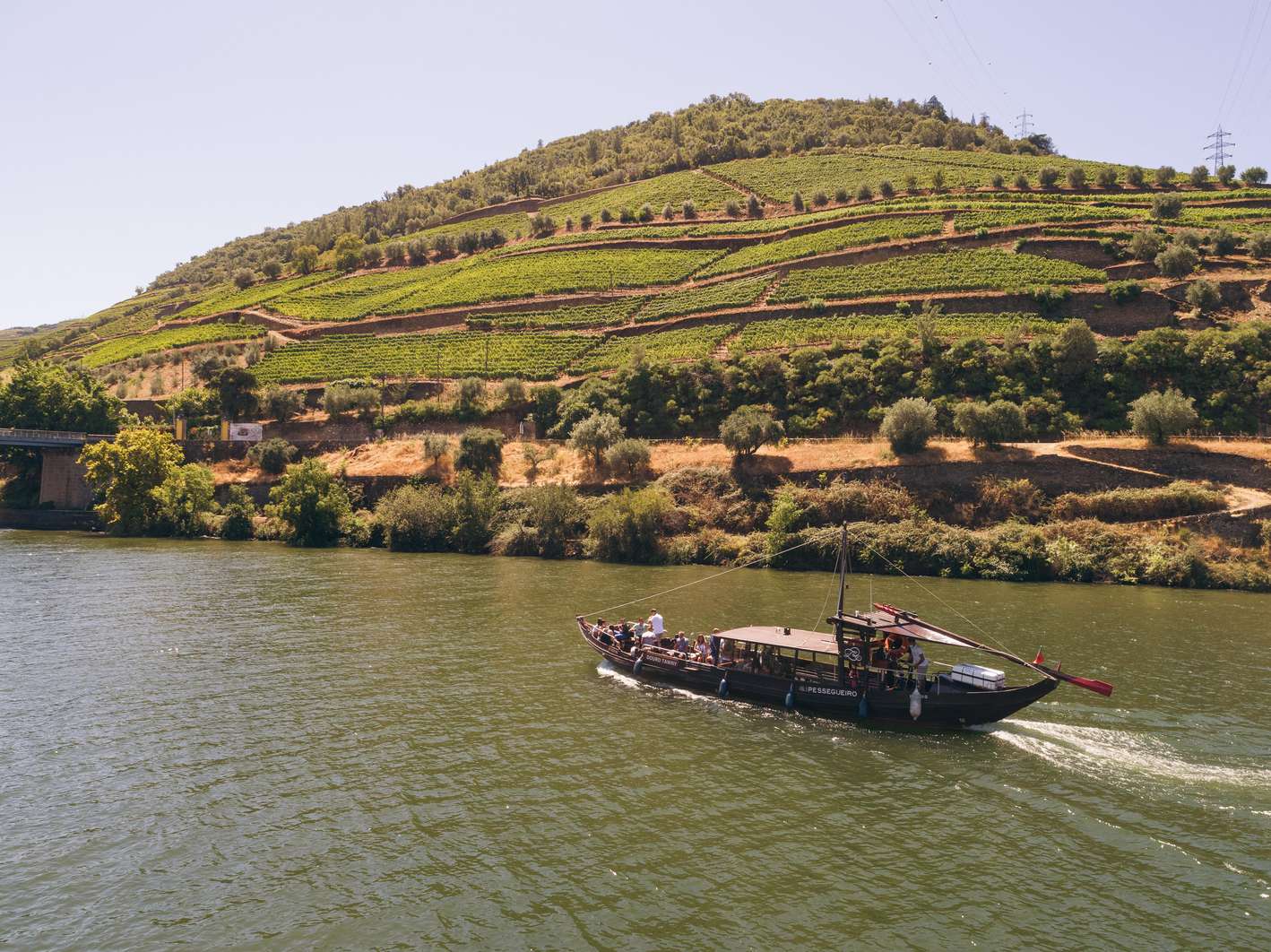
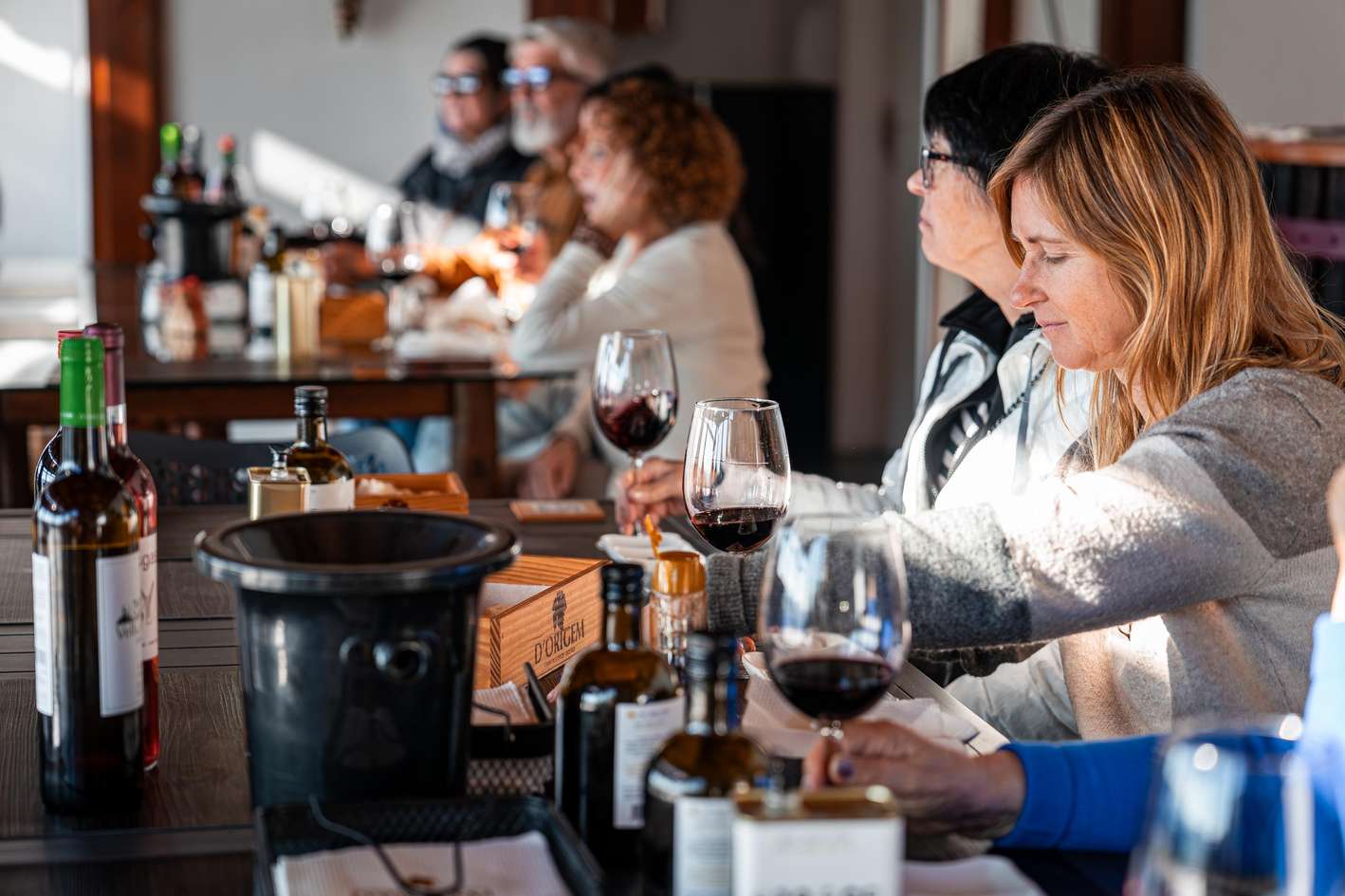
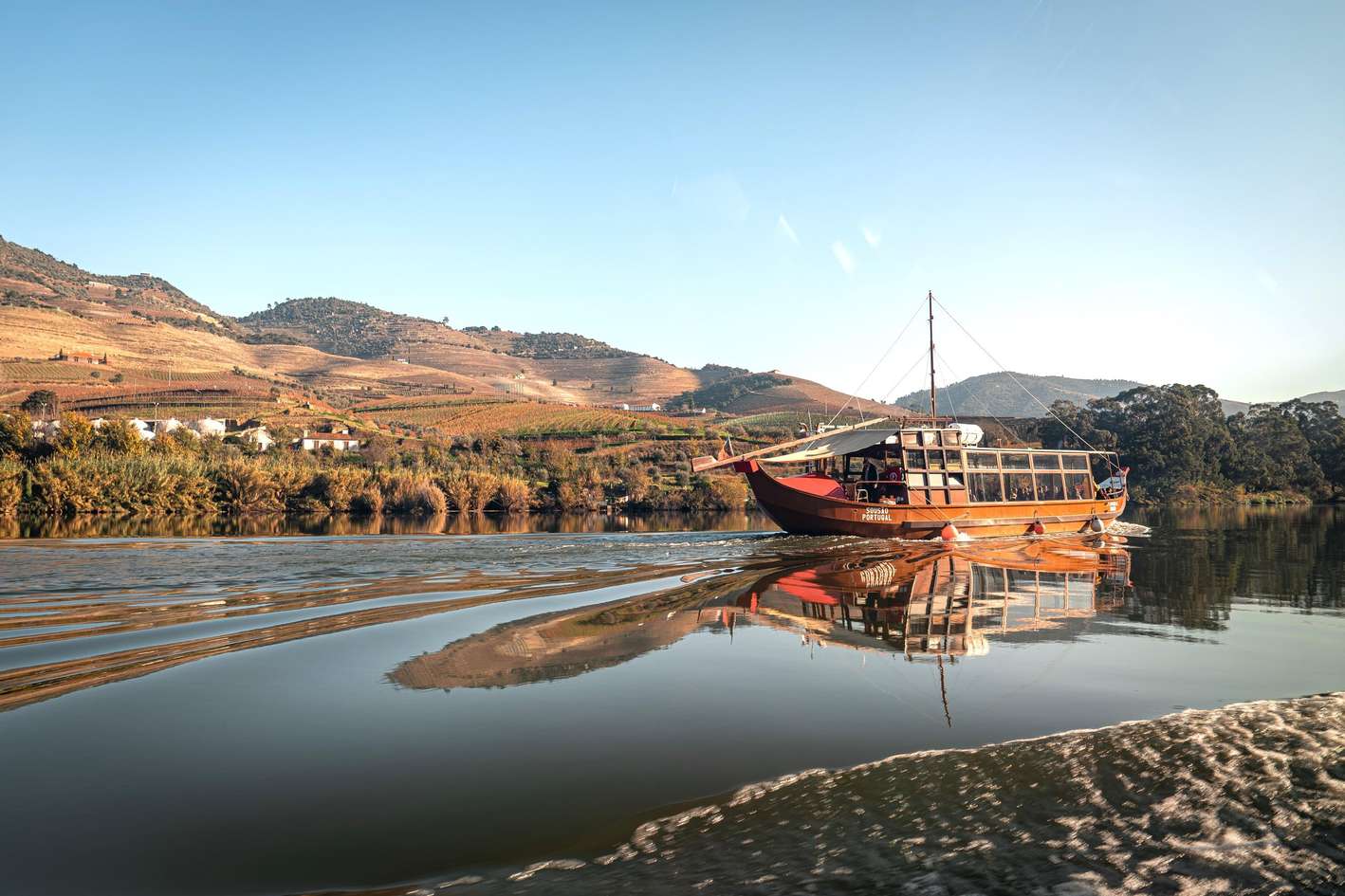
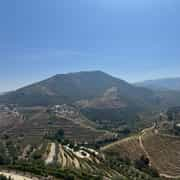
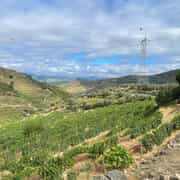
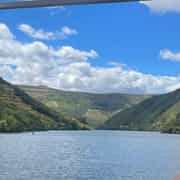
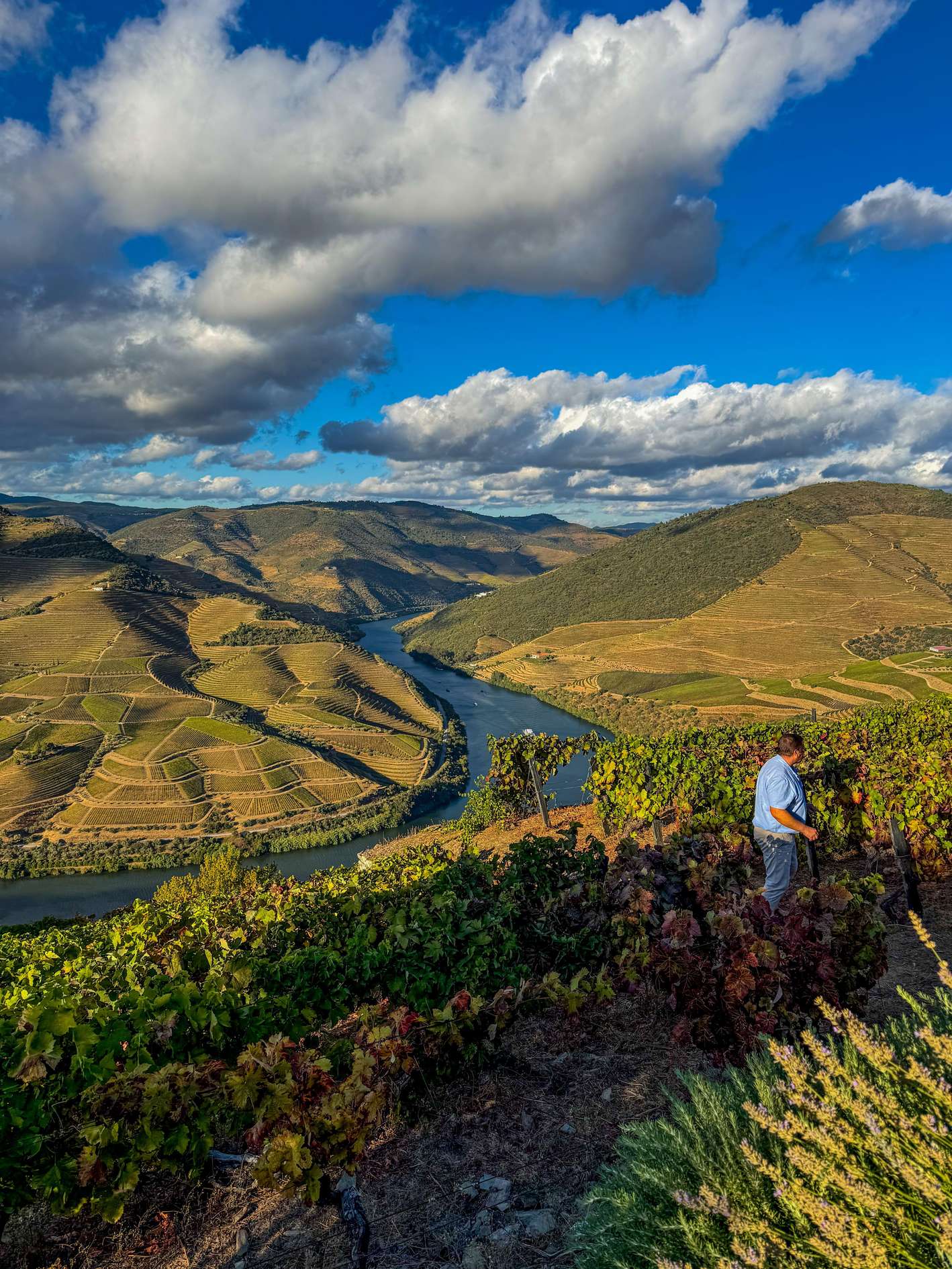
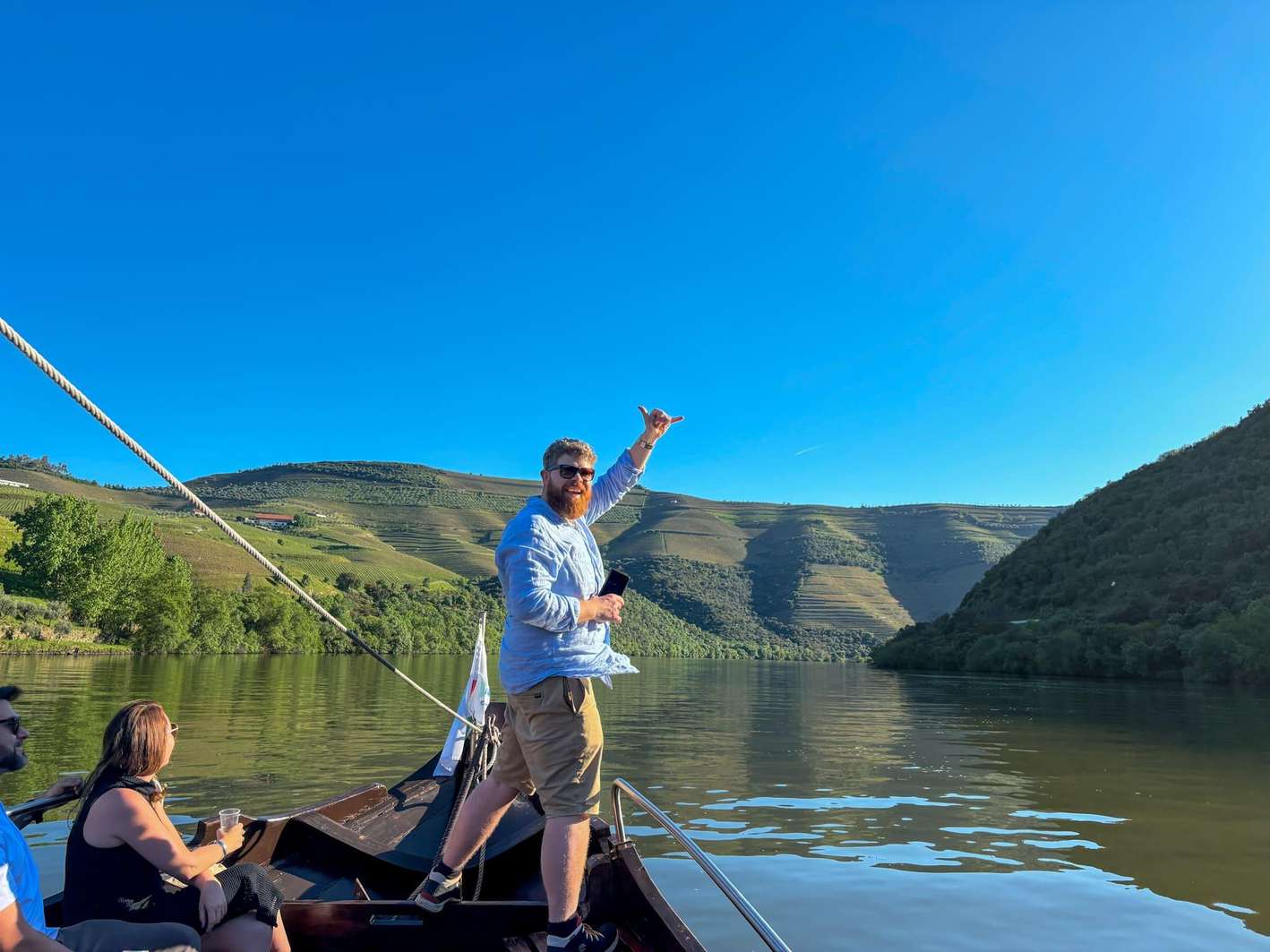
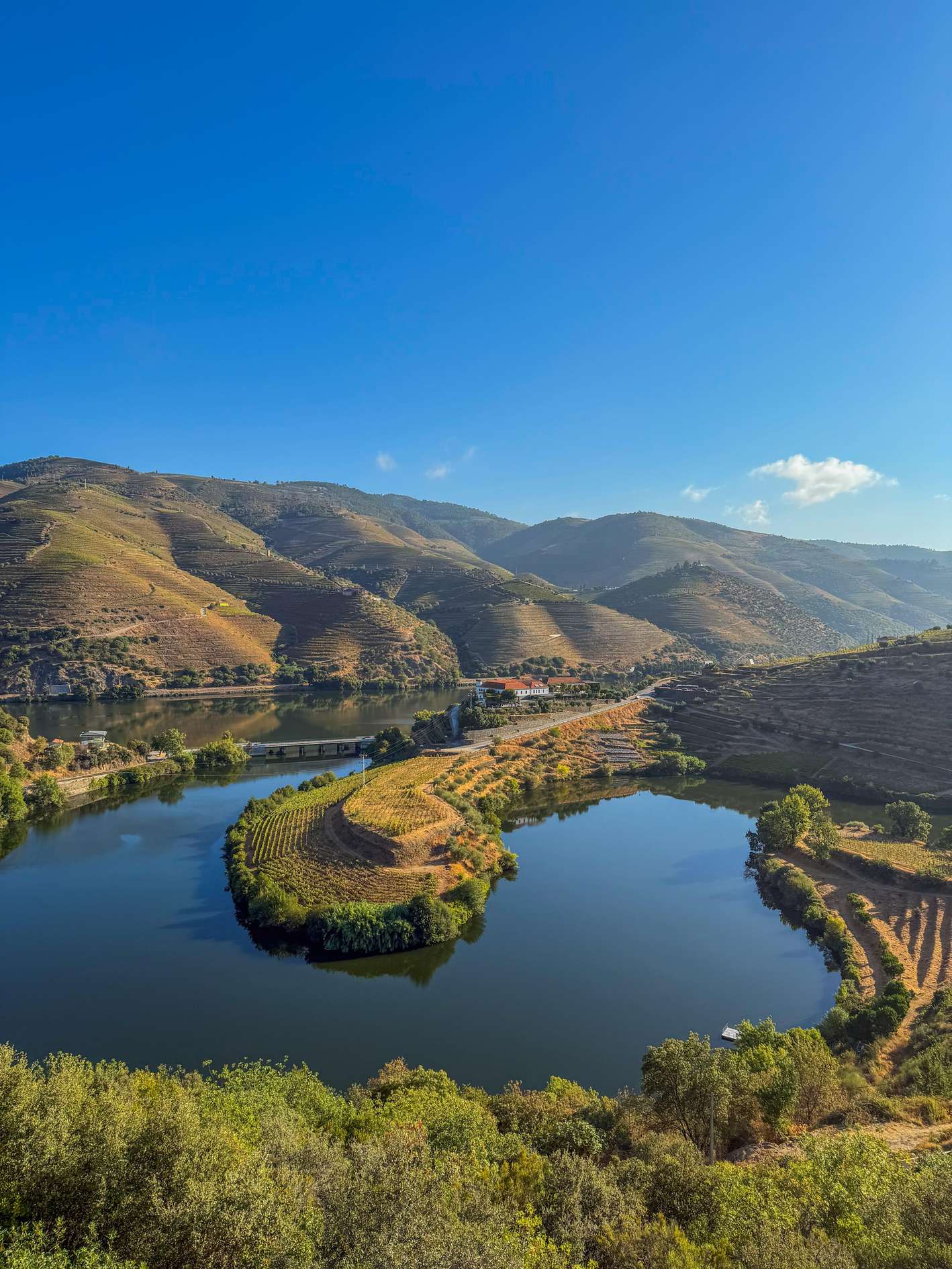
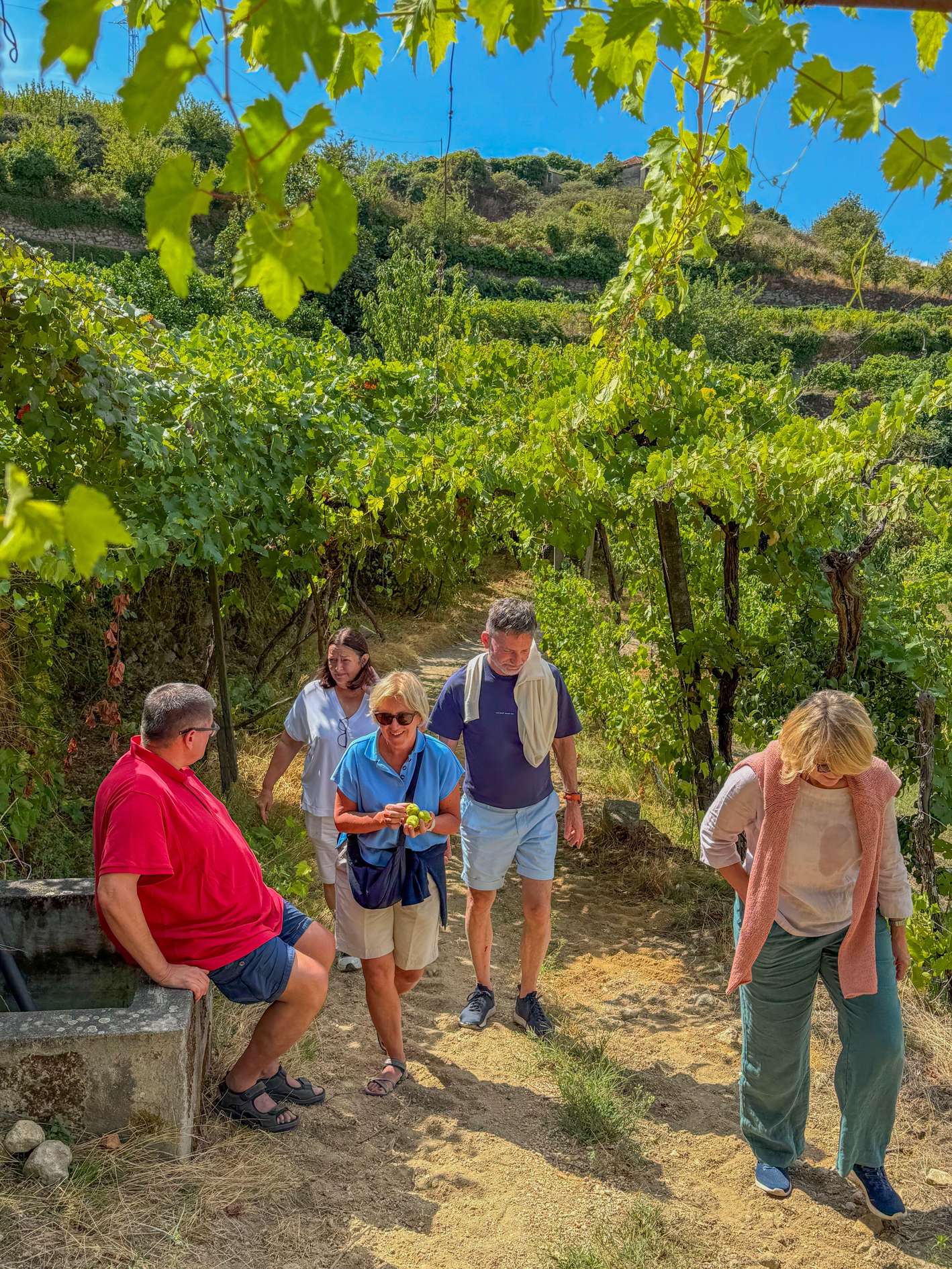
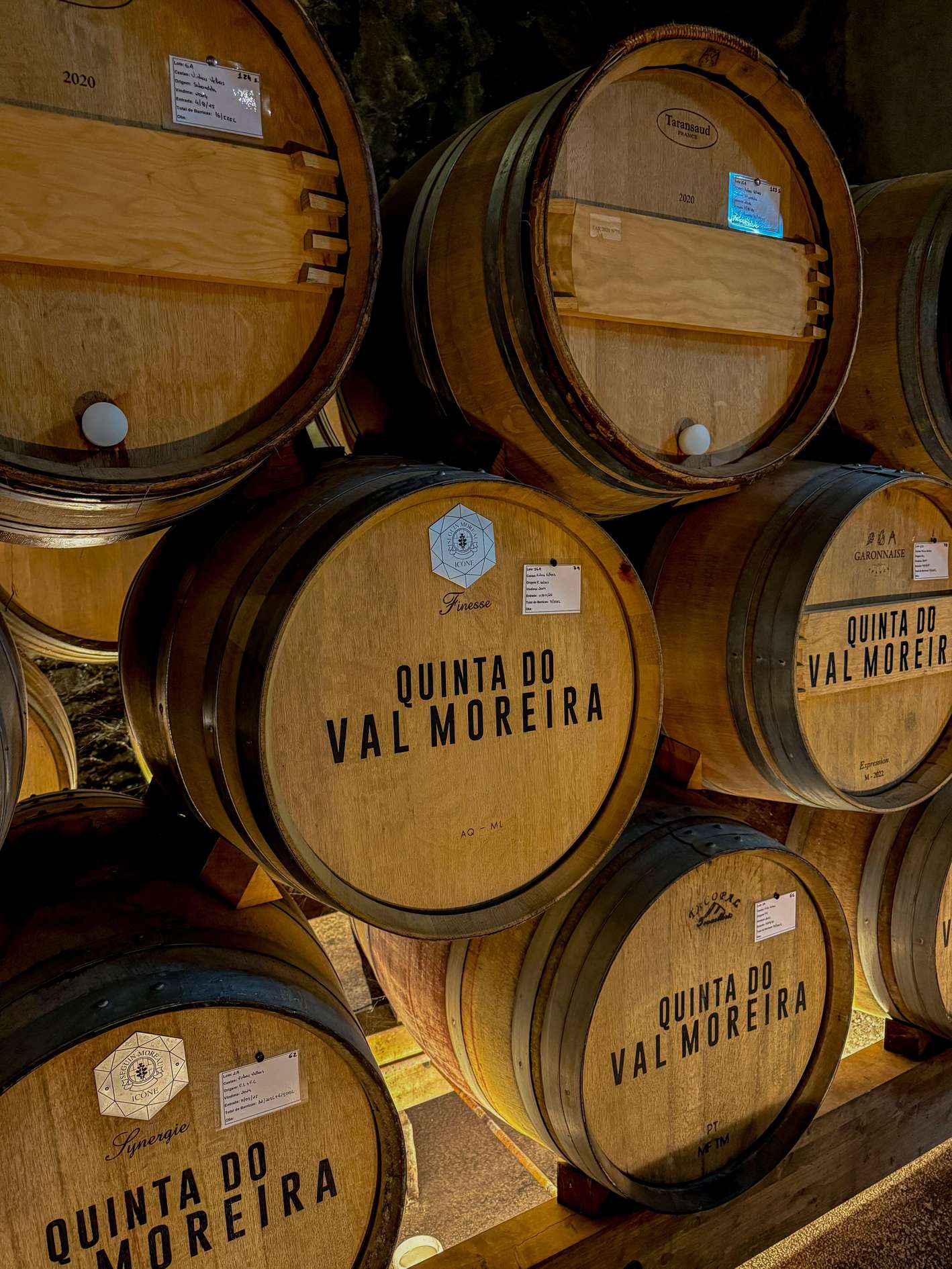
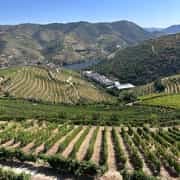
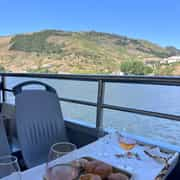
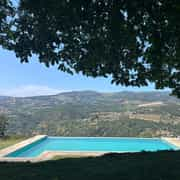
Most reviewers praise their guide by name, describing the hosts as kind, funny and full of stories about the valley.
Many say the day exceeded what they expected, with generous tastings, plentiful food and views that outdid the photos.
A few reviewers wished for more table wine pours and a quieter, smaller winery instead of the crowded large estate.
Choose a day, then pick a departure time. The Pinhão tour runs daily at 10 am and 2 pm, and the earlier slot leaves you the afternoon for a winery visit on foot.
Read the terms before you pay. Tours allow you to cancel up to 24 hours in advance for a full refund, so a flexible date on the train line stays low-risk.
Complete the booking and the confirmation arrives with the meeting details and the operator's contact. Check the message the day before, when exact start details are usually sent.
The train from Porto takes about 2 hours 15 minutes to 2 hours 30 minutes, and the station sits roughly 100 meters from the quay, a walk of a few minutes.
Head for the kiosk on Cais do Pinhão, the riverside promenade along Rua da Marginal, and arrive 30 minutes before departure for check-in.
Pinhão sits in the heart of the Douro Valley, and its quay is about 450 meters from the train station, an easy walk for anyone arriving on the Linha do Douro. Cruises leave throughout the late morning and afternoon, and the trip upstream toward Tua shows the most dramatic terraced slopes on the river.
What decides the way is how much time you have. A standalone 3-hour tour from Pinhão combines the boat ride with a winery visit and tasting, so you can fit wine and water into one outing. A full-day tour from Porto adds lunch, more estates and the drive along the N222.
Whichever you pick, arrive 30 minutes before departure and wear a hat and sunscreen. Midday sun hits the water hard in summer, so morning or late-afternoon slots keep the deck comfortable.
Douro Tours
Guided tour, Sightseeing, Scenic views on the way (15 minutes)
Wine tasting (1.5 hours)
Douro Tours
Break time, Photo stop (20 minutes)
Boat cruise (1 hour)
Porto, Igreja da Lapa, Porto, Lapa, Igreja da Lapa
Porto, Igreja da Lapa, Porto, Lapa, Igreja da Lapa
Porto, Igreja da Lapa, Porto, Lapa, Igreja da Lapa
Porto, Igreja da Lapa, Porto, Lapa, Igreja da Lapa
Porto, Igreja da Lapa, Porto, Lapa, Igreja da Lapa
Break time
Wine tasting
Photo stop
Wine tasting
R. de Alexandre Herculano, 4000-053 Porto, Portugal, Porto
Traditional rabelo boat cruises in Pinhão run in ordinary rain and cold, but severe weather or strong river currents can bring sudden cancellations, shortened sailings, or itinerary changes.
If the weather turns rough, the operator will offer a substitute activity, a new date, or a refund, so keep your booking confirmation handy and build some flexibility into your Pinhão day.
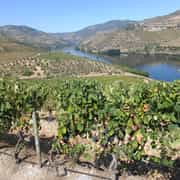
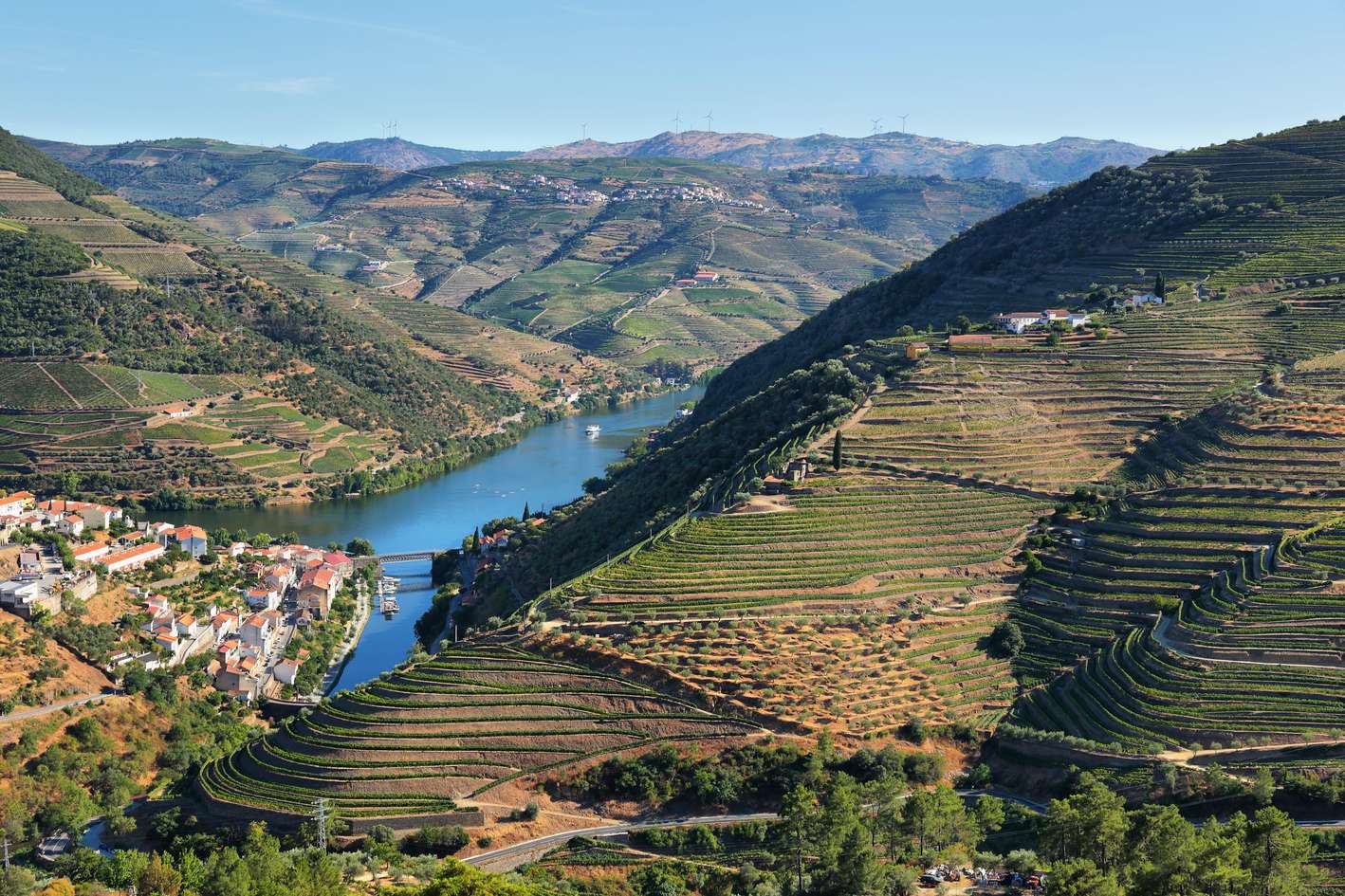
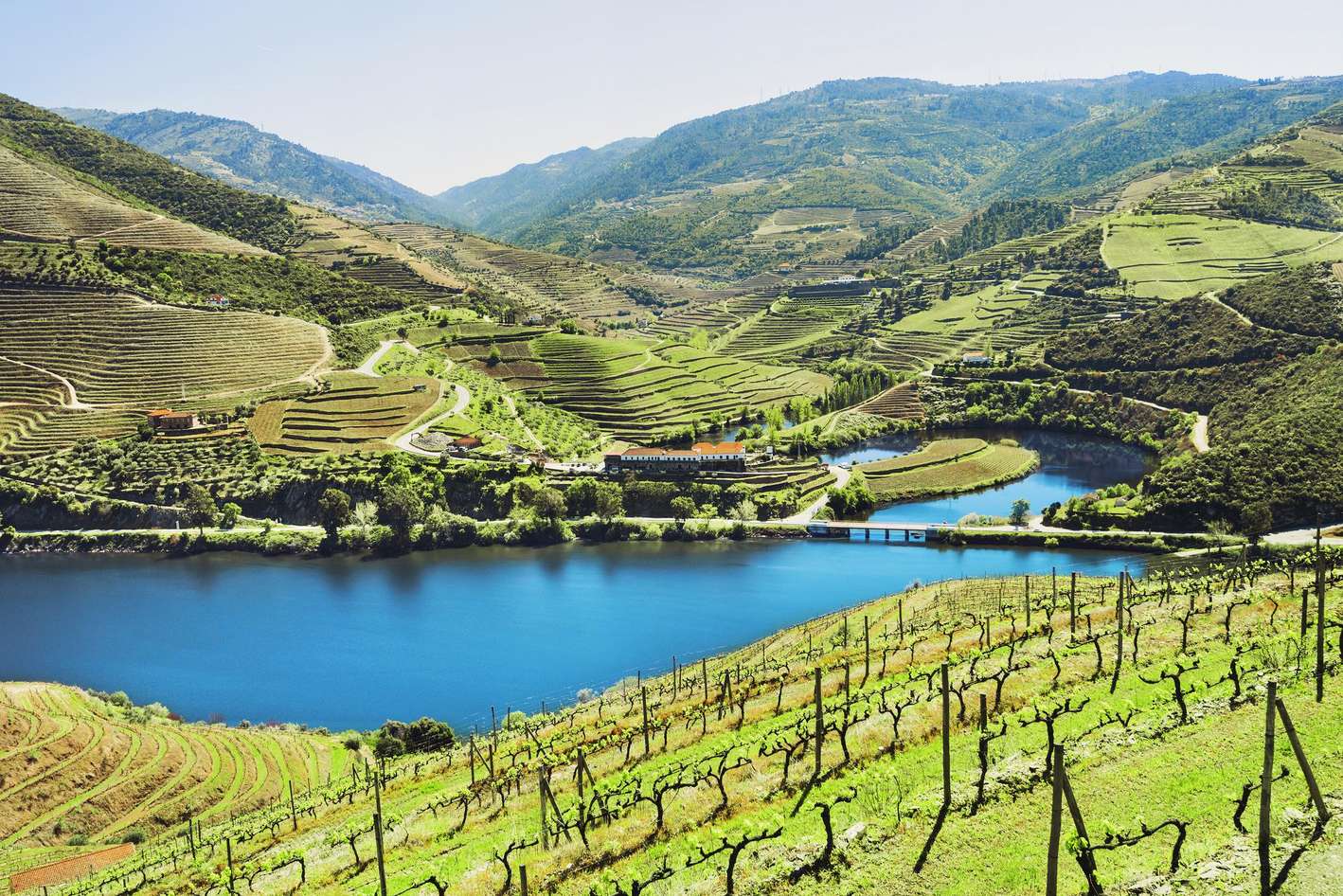
The last bend before Pinhão, and the valley closes in. Terraces of schist climb the walls of the gorge on both sides, close enough that you can pick out the stone walls by hand.
This is the stretch the rabelo boats sail from the village quay, heading upriver toward Tua, and it is the most dramatic river scenery in the whole valley.
Sailings from Porto show the city bridges and the Gaia waterfront. Departures from Peso da Régua run through gentler country. Neither reaches what Pinhão reaches, because the gorge above the village is where the slopes are steepest and the vineyards climb highest.
A road trip combined with a boat here gets you more than the water alone: high viewpoints and quintas that water-only cruises never touch.
They are not: the stretch upriver from Pinhão toward Tua shows steeper terraces and wilder scenery than the water around Régua or Porto
**The most dramatic vineyard scenery on the water is in Pinhão itself**, and the train puts you there in just over two hours
Régua sailings run through milder country; the gorge above Pinhão is the part worth the extra half hour
That gap in scenery is why travelers ride the train or drive the extra half hour upriver, and why the village quay is where this guide starts.
Four ways onto the water leave from the same quay, and they are not interchangeable. The 1-hour rabelo cruise is the classic: a traditional wooden hull with an open deck and cushions, a covered cabin with benches behind it, and a short loop upriver and back.
Public rabelos commonly carry 15 to 30 passengers, though the largest boats take up to 100.
The 2-hour extended sailing goes further upstream with recorded commentary in several languages. Private motor launches seat 12 to 20 for one group, with cushioned sheltered seating and often a toilet aboard. Catamarans run half days with glass-enclosed salons for bigger groups.
The fourth lane folds the cruise into wine: boat, then estate, then tasting. One tour operator runs that exact program from the quay, and it is the one this page leads with. Compare the four on the points that decide the day.
| Upriver scenery | Vessel and crowd | Train station access | Beating summer heat | Quintas on foot | |
|---|---|---|---|---|---|
| 1-hour rabelo cruise | Pinhão upstream to Tua, most dramatic | Up to 100 passengers, open deck | 100 m, 1-5 minute walk | Morning slots, calm water and soft light | Quinta do Bomfim 10 minutes |
| 2-hour extended cruise | Upstream toward Tua beats Régua | Recorded multi-language loudspeaker commentary | 450 m, five-minute walk | Morning before midday or sunset | Quinta do Bomfim five minutes |
| Private boat charter | Pinhão, Tua stretch, most dramatic | Private vessel, 12-20 passengers | Nine-minute walk, 0.6 km | October 19.8°C vs July 29.4°C | Bomfim, Carvalhas within walk |
| Boat plus wine tasting | One-hour Pinhão cruise included | Boat, then cellar tour, then tasting | Tour vans drive from Porto | Cruise scheduled away from midday glare | Two to three estates per day |
Whichever lane you pick, the upriver stretch toward Tua is the same water, and it is the best of it.
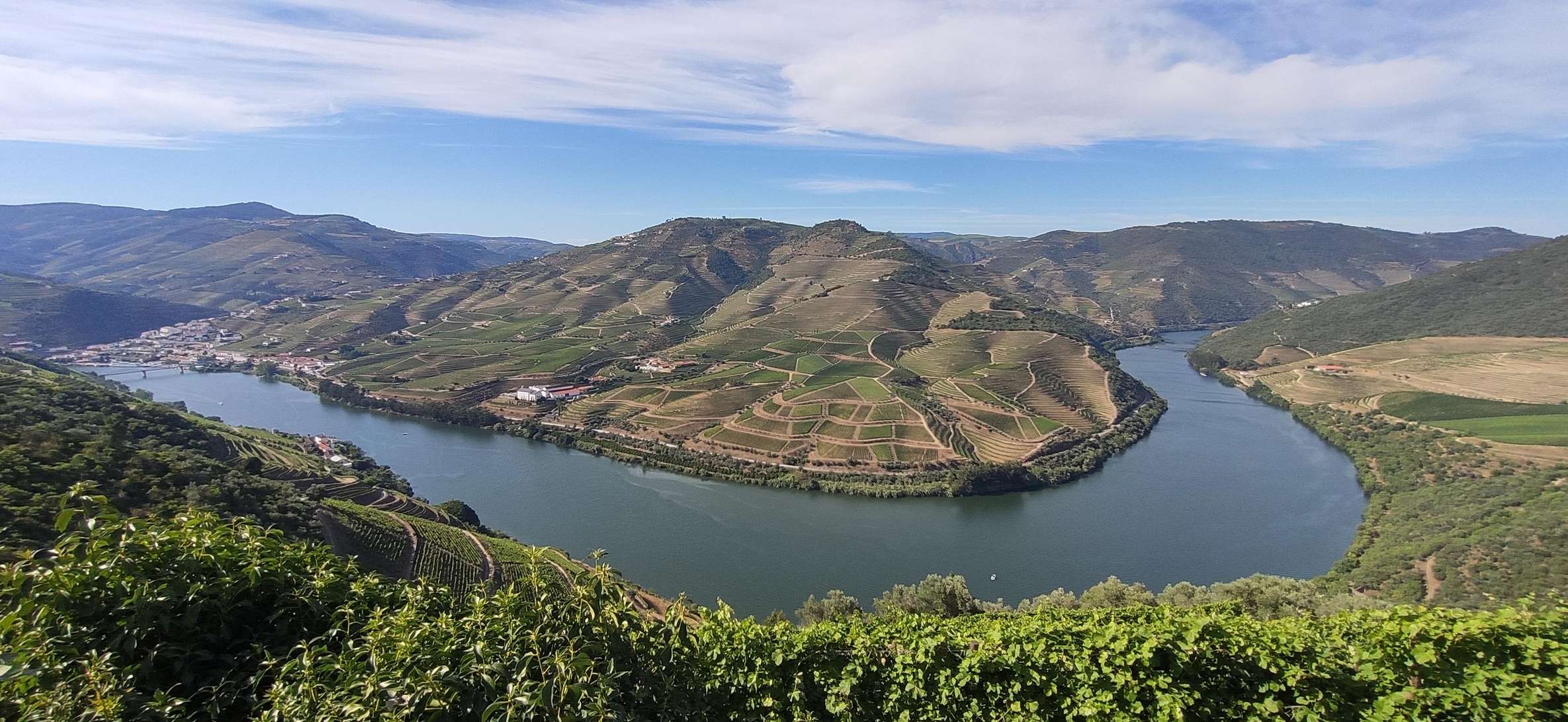
The train is the way to do this independently. InterRegional trains run from Porto Campanhã along the Linha do Douro to Pinhão in about 2 hours 15 minutes to 2 hours 30 minutes, roughly five departures a day each way, hugging the river for long stretches between Régua and Pinhão.
Arrival could hardly be easier. The station stands 100 metres from the riverfront, a one- to five-minute walk, and the cruise kiosks and boarding docks sit within five minutes of the platforms. No taxi, no transfer, no parking.
The train is point-to-point transit: no commentary, no winery stops, no uphill runs to viewpoints. That is the trade for running on your own clock. Roughly five trains a day means the schedule does the planning; a morning departure out of Porto lands you in Pinhão in time for a late-morning or afternoon sailing.
That side of the carriage matters most in the last hour, when the track runs at water level and the terraces rise above you.
Allow a 30-minute buffer after arrival for boarding check-in and the occasional train delay, and the connection holds.
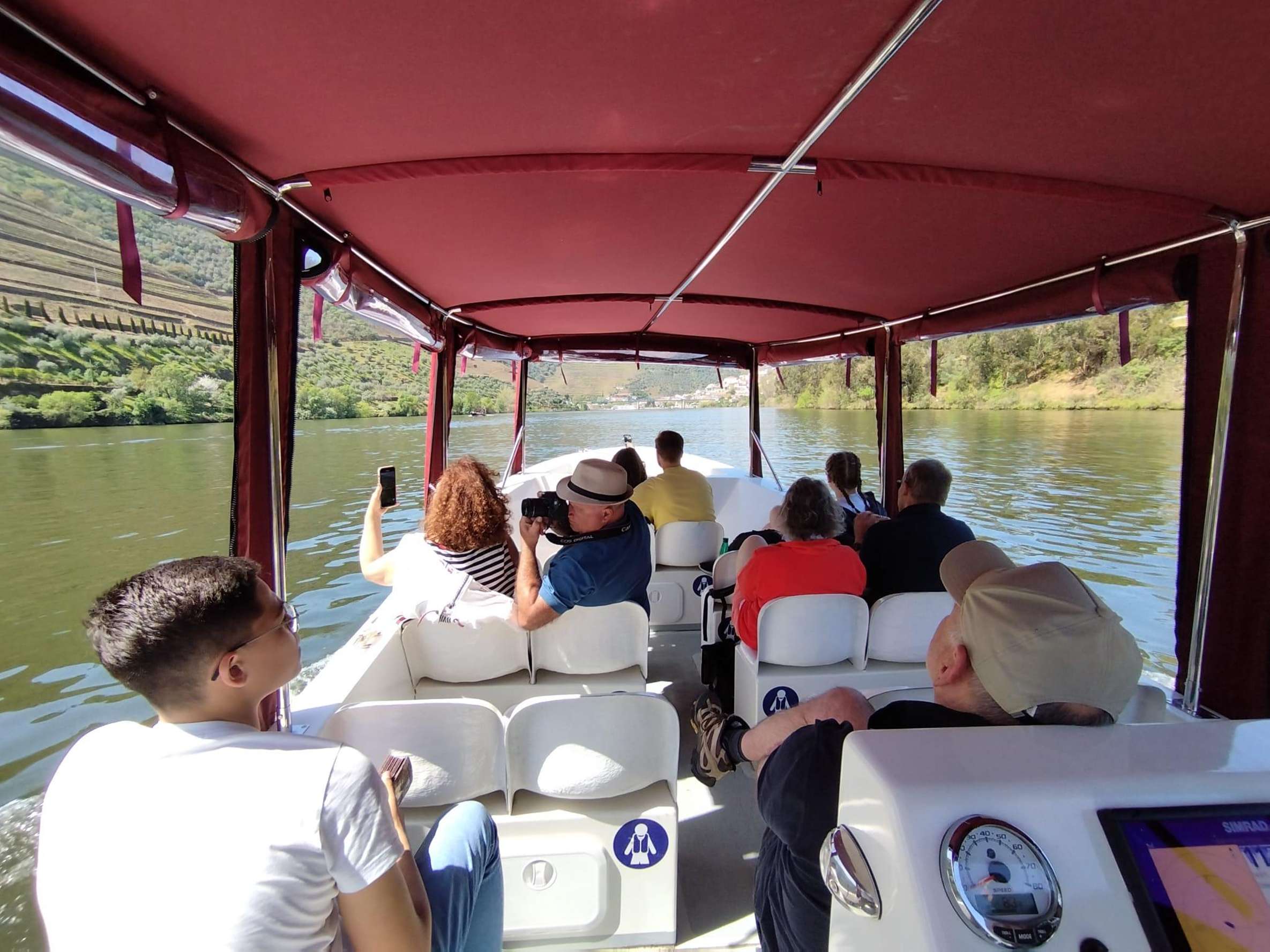
By road, the A4 does the heavy lifting first: the Marão Tunnel cuts through the Serra do Marão in about four minutes, and Porto to Peso da Régua runs 75 to 85 minutes without traffic.
The last stretch, the N222 from Régua to Pinhão, is the famous one: 28 kilometres that take 35 to 40 minutes of steady curves along the water.
Passengers prone to car sickness feel that stretch. Drivers on guided runs give a heads-up before the windiest segments; in your own car, take the curves slowly and sit front if you can.
Two rules make the road day work. First, the driver skips the tastings: Portugal's limit is 0.5 g/l for standard drivers and lower for novices, and police check actively on these rural roads, so one pour can put the person behind the wheel over it.
Second, park early. Riverside parking near the station is limited in peak season, and finding a spot takes extra time.
In September and early October, expect tractors and grape lorries slowing the N222; add margin.
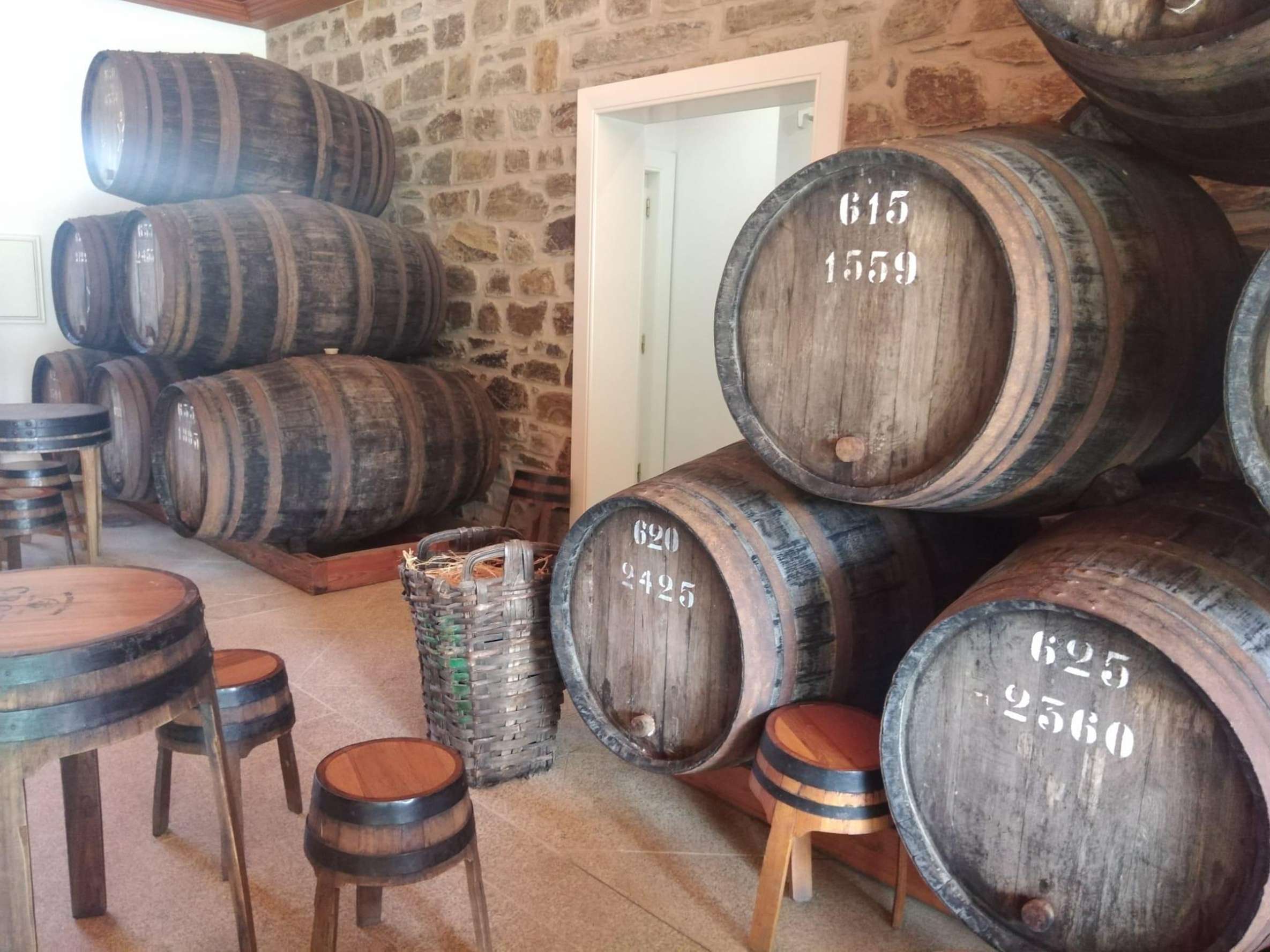
Every sailing in this guide leaves from the same place: the piers along the riverside promenade at Cais do Pinhão, on Rua da Marginal, right where the village meets the water. From the train station it is a five-minute walk at most.
Tickets can be bought the same day at operator kiosks along the riverbank and outside the station. That works in quiet months. In high season, walk-up slots sell out, sometimes a day or two ahead, and the fallback is waiting hours for a later departure.
The fix is simple: book online in advance for a specific slot whenever your dates fall between spring and October, then just show up at the quay. Tours that start at the pier ask you at the kiosk 30 minutes before departure anyway, so an early arrival costs you nothing.
Convenient in winter, but walk-up slots can sell out even a day or two ahead in high season
It also absorbs train delays if you are coming in from Porto
There is usually a later sailing to fall back on, but you will spend the gap in the sun
Book the slot, arrive at the kiosk half an hour out, and the quay does the rest.
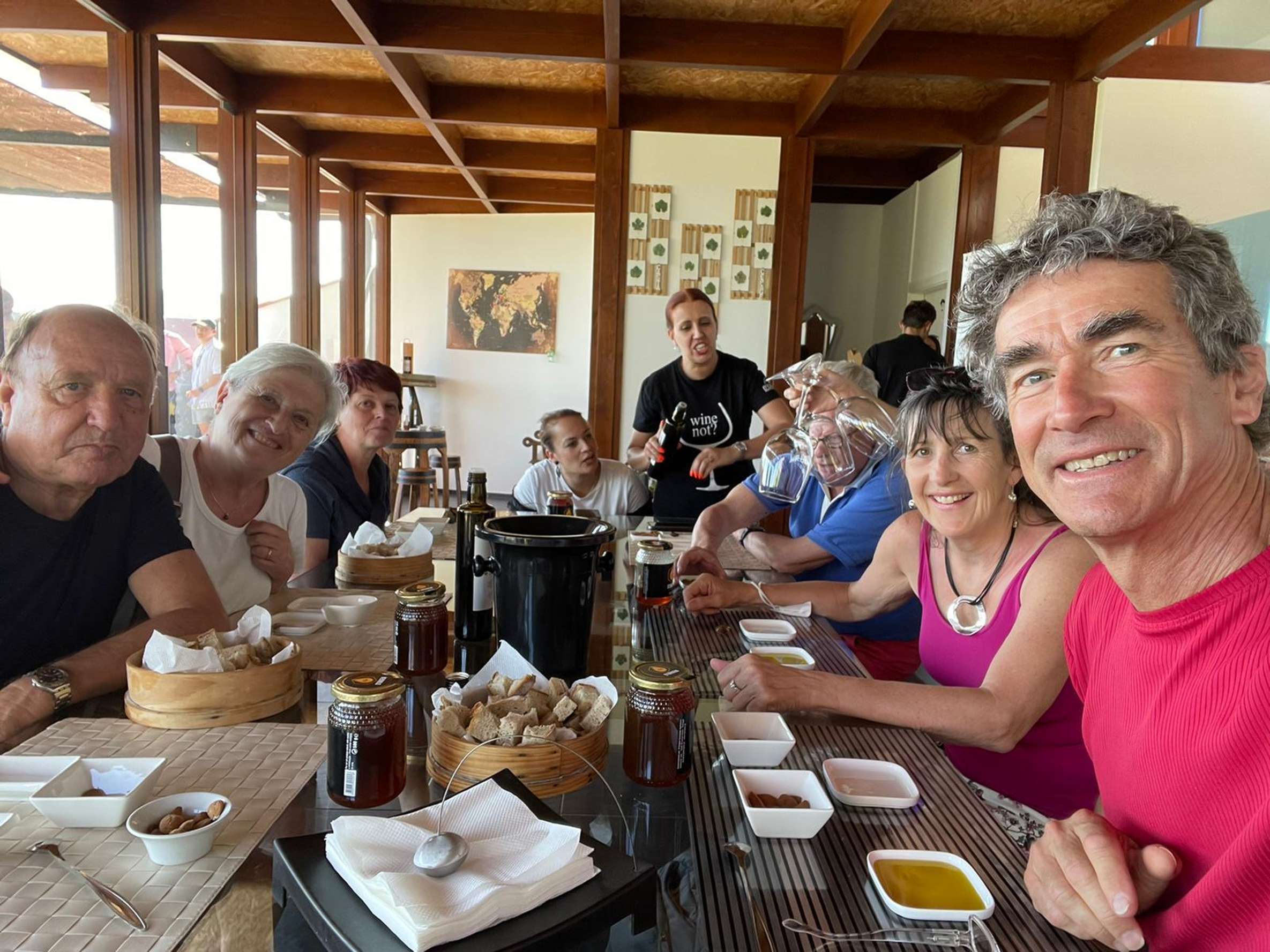
Both shared sailings cover the same upriver water toward Tua, and neither passes a dam lock; lock transits belong to longer multi-hour and full-day trips. So the choice is really about time on deck and what surrounds you.
The 1-hour rabelo is the village classic: 15 to 30 fellow passengers on a traditional hull, a short loop upriver and back. Some versions include a glass of Port or a regional snack aboard; several offer a drink on the water.
The 2-hour extended sailing reaches further upstream, with recorded commentary over loudspeakers or personal audio devices in Portuguese, English, Spanish, French and sometimes German. The commentary keeps to the highlights and basic history, which suits a river you are mostly watching anyway.
If you have half a day in the village, take the hour and spend the rest on land. If the cruise is the day, take the two.
| Check | Why it matters | Our pick |
|---|---|---|
| Direction of sailing | The upriver stretch toward Tua has the most dramatic terraces | The shared rabelo sailings from Pinhão run upstream and return |
| Vessel and crowd | A traditional wooden rabelo keeps the classic feel; big modern boats add enclosed seating and more people | The rabelo carries up to 100 on the largest boats, more typically 15 to 30 |
| Commentary | Recorded audio in several languages covers the highlights and basic history | Provided on longer sailings by loudspeaker or personal audio device |
| Drinks included | Some sailings pour Port or serve snacks aboard | Depends on the ticket; some cruises include a drink, others sell aboard |
| Slot time | Midday heat and glare are the worst of it in summer | Book a morning slot for calm water and soft light, or late afternoon |
Run down that list before paying, and the ticket you land on will match the hours you actually have.
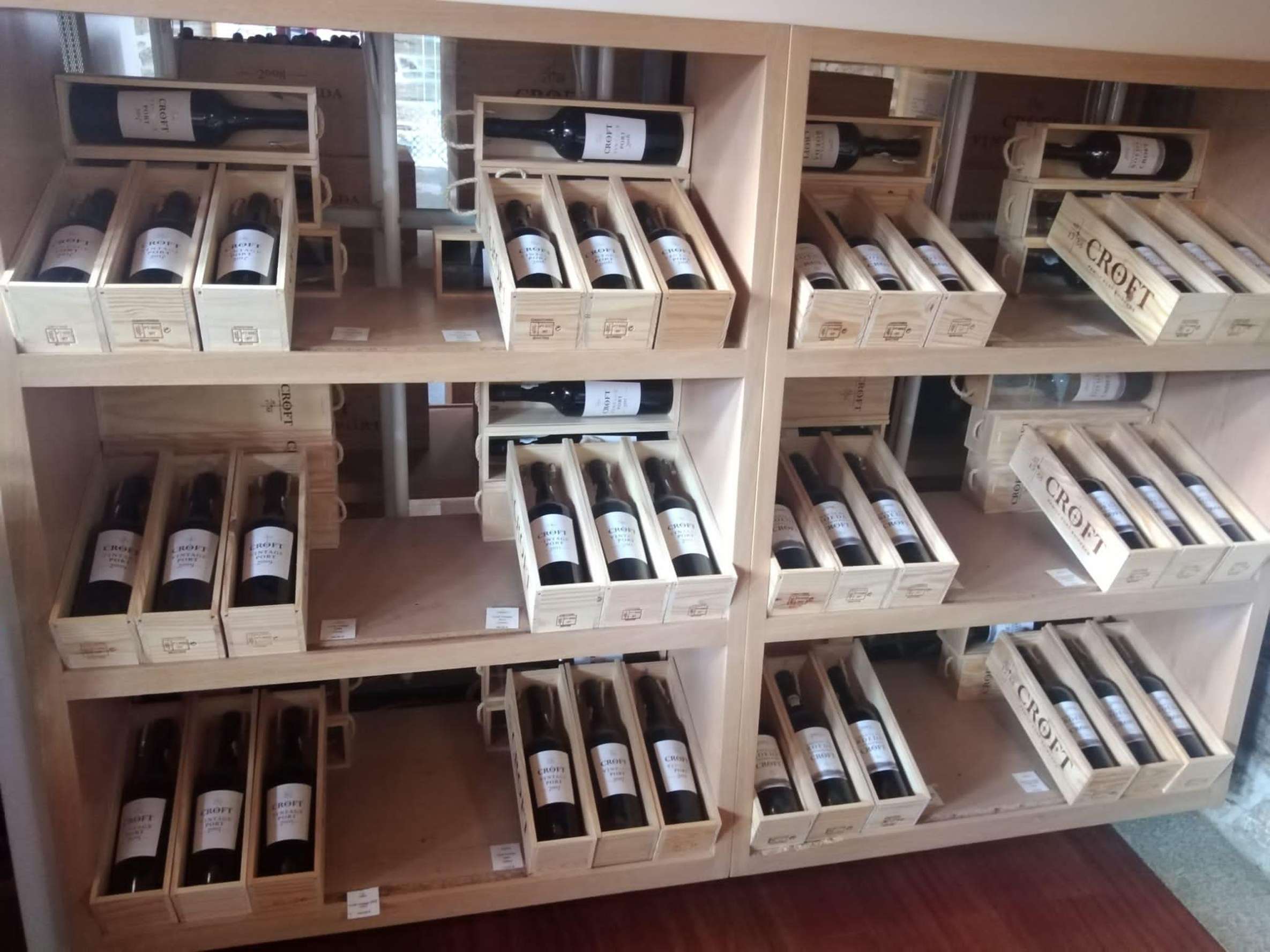
A private charter takes the same gorge and empties it. Vessels sized for 12 to 20 guests give your group cushioned, sheltered seating, shade or enclosed areas, and often a toilet aboard, along a route you shape yourselves as an out-and-back from the quay.
The rules are few but firm. On deck, flat non-slip shoes or trainers; heels and loose flip-flops stay off the gangways. Sunscreen and a hat in sun, a windproof layer in the shoulder months. Some day tours require a passport or ID card for boarding, so carry one.
One hard boundary governs every charter: boats must dock before dark. Night navigation is prohibited on the Douro, and the cutoff moves with sunset, from about 5:03 pm in December to about 7:25 pm in August. The sun sets your return time.
Bringing your own wine aboard varies by operator: some charge a corkage fee, some prohibit outside bottles entirely. Ask before you pack the cooler, and buy from the boat's own list if that is the rule.
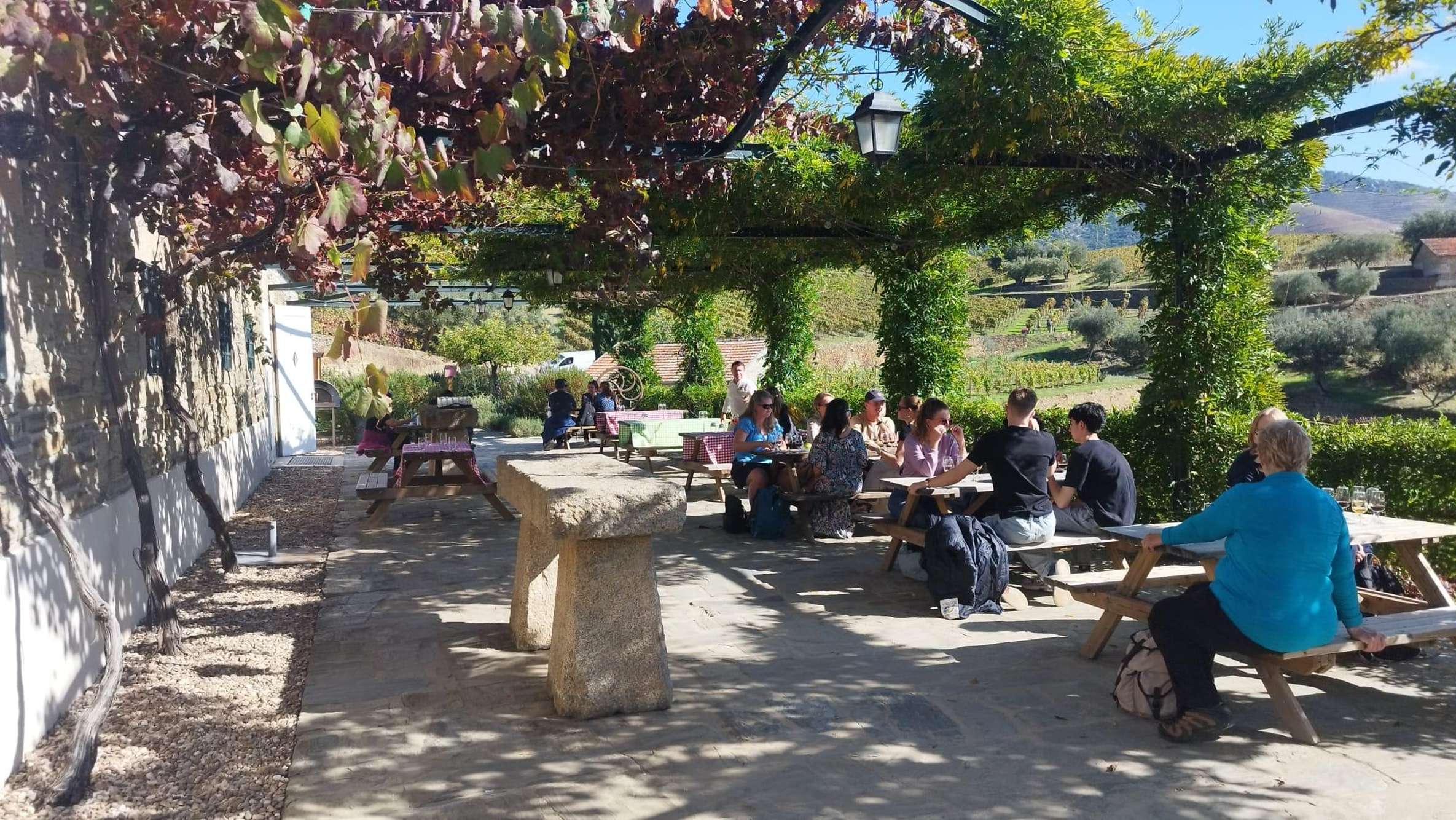
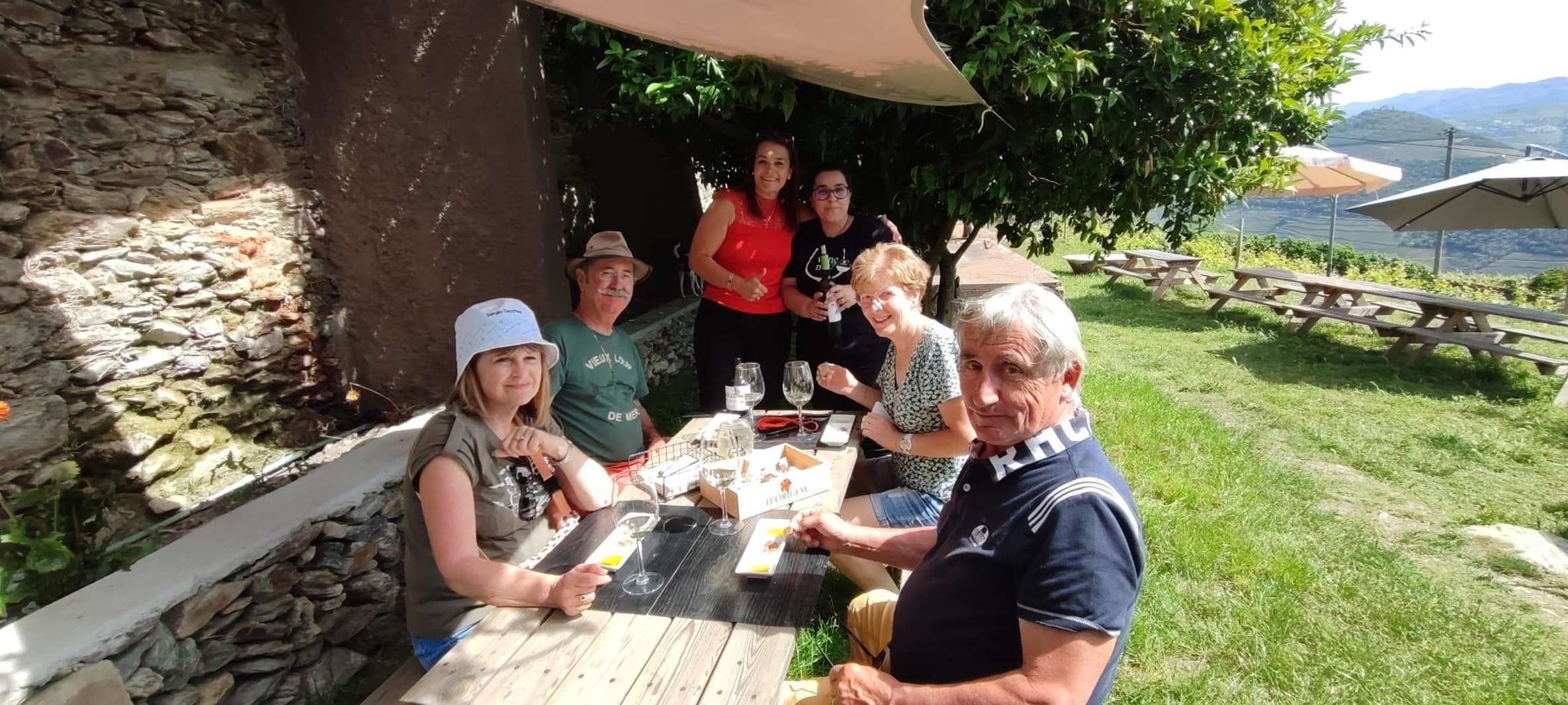
The sequence that made Pinhão's name runs in three moves from one quay. Meet at the kiosk 30 minutes out, sail the rabelo for about an hour up the gorge, then step off and walk to an estate for its cellars and a guided tasting of Douro table wines and Port.
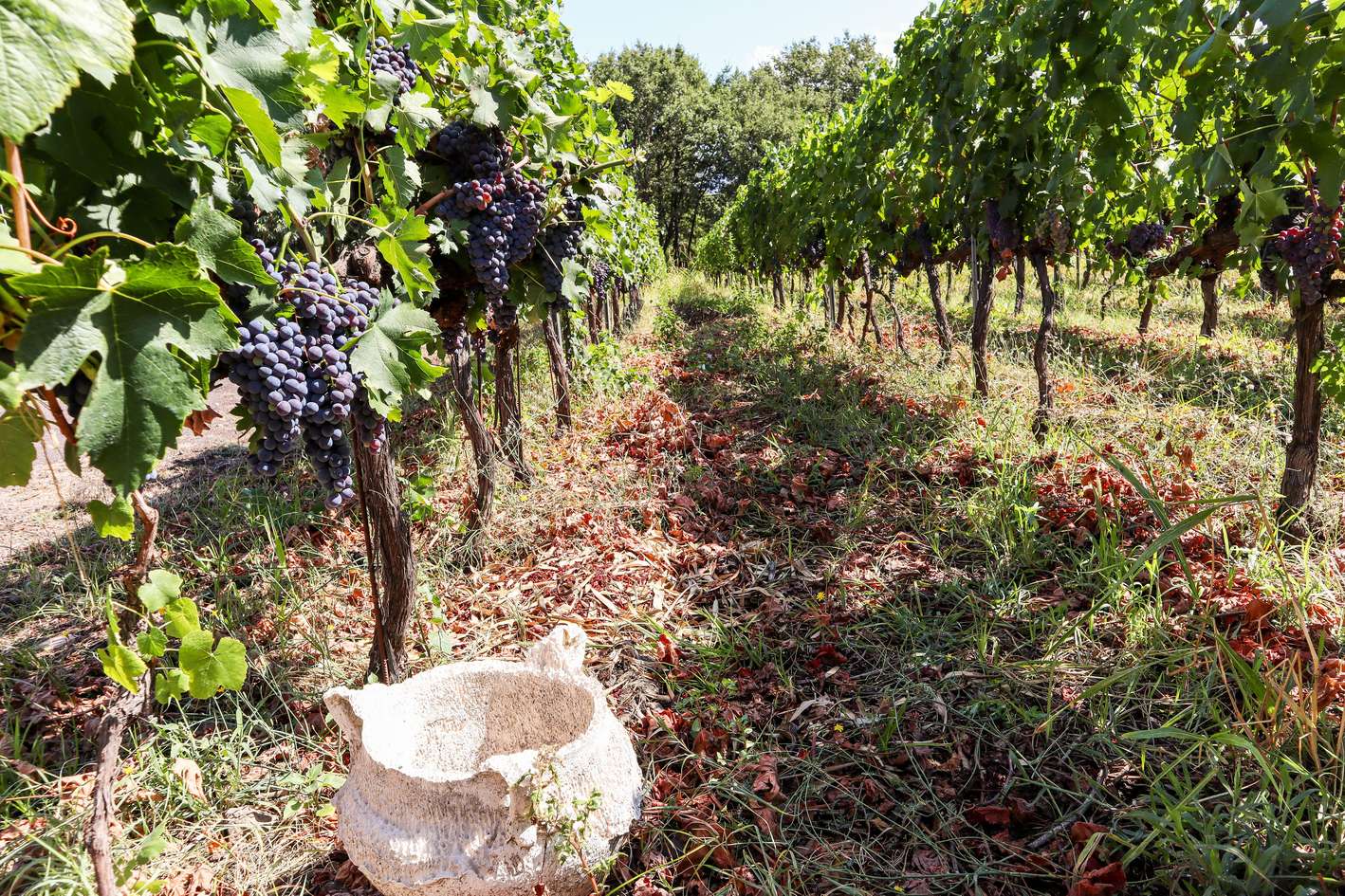
That order is one tour operator's standard program from Pinhão, bookable as a single 3-hour outing, and it is the cleanest way to get both river and vineyard without a car. Estate visits here sit among terraced schist vineyards, where the tasting covers Port and DOC still wines together, and sometimes estate olive oil.
Two wineries a day is the realistic ceiling for staying unhurried, and a half day comfortably covers one. A single hour on the water is enough, because the point of Pinhão is what it leaves room for afterwards.
Also absorbs any delay on the walk from the station
The most dramatic terraced stretch of the Douro
Close enough that no transfer is needed
Guided visits are usually conducted in English
Small pours; sip slowly and alternate with water
Book ahead for the tasting session; most wineries require reservations, and English-language ones should be requested in advance.
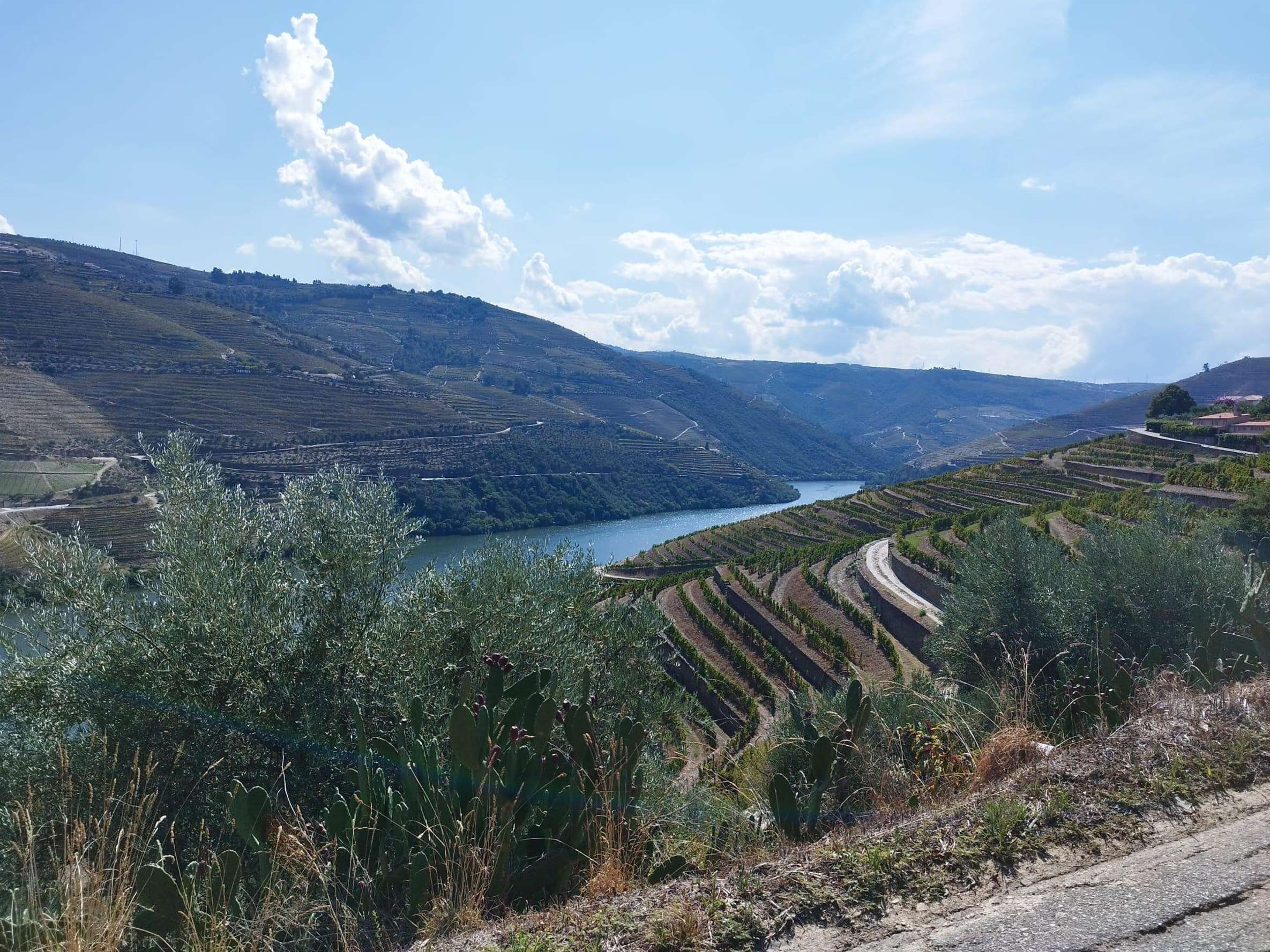
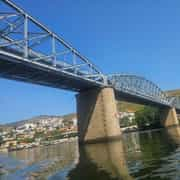
Off the boat, Pinhão repays an hour on foot better than any village in the valley. The 19th-century railway station, five to ten minutes from the quay, carries azulejo panels of harvests and rabelo boats across its exterior, and the 1906 iron bridge out over the water gives the best river view in town.
The estates do the rest. Quinta do Bomfim sits about ten minutes on foot from the piers, open daily, with cellars and tastings.
Quinta das Carvalhas lies five to ten minutes across the road bridge. Quinta de la Rosa is a flat 15-to-20-minute riverside walk west. Even the olive oil museum is under twenty minutes away.
One caution shapes the plan: many quintas do not take walk-ins. Smaller and prestigious estates especially expect reservations, and arriving unbooked risks being turned away. Reserve your tasting the same day you book the boat.
Between the station tiles, the bridge, a cruise and one tasting, a half day in Pinhão fills itself.
The gorge bakes. Pinhão mornings run cool even in summer, 9 to 16 degrees from May through August, then the afternoon climbs past 30. On an open wooden deck with no shade, that swing is the whole packing problem, and layers solve it.
Removable layers and comfortable walking shoes cover the base. Add a hat and sunscreen for the water, where glare bounces up from below.
In the shoulder months, a windproof jacket over the layers, because river breezes cut through at 13 to 22 degrees. And carry cash in euros: on-board bars and kiosks frequently do not take cards.
Timing does the rest. Morning slots before midday and late-afternoon sailings skip the worst heat and glare; midday from noon to four is the slot to avoid in July and August, when daily highs reach the low thirties. October afternoons run a mild twenty instead.
| If this happens | What happens then |
|---|---|
| Ordinary rain or cold | Sailings run as scheduled, with covered seating or a covered cabin keeping you dry |
| Storm alerts, high water or strong currents | Operators may shorten the sailing, substitute another activity, or offer a new date or a refund |
| Sun drops on an evening cruise | Temperatures fall sharply after sunset; a windbreaker over summer clothes is enough in summer, warm layers in the shoulder months |
| Rain on a walking or tasting stop | Tours move the visit indoors to the cellars, and the tasting goes ahead |
The weather reshapes the day at most; it rarely removes it, so book the slot and pack for the alternative.

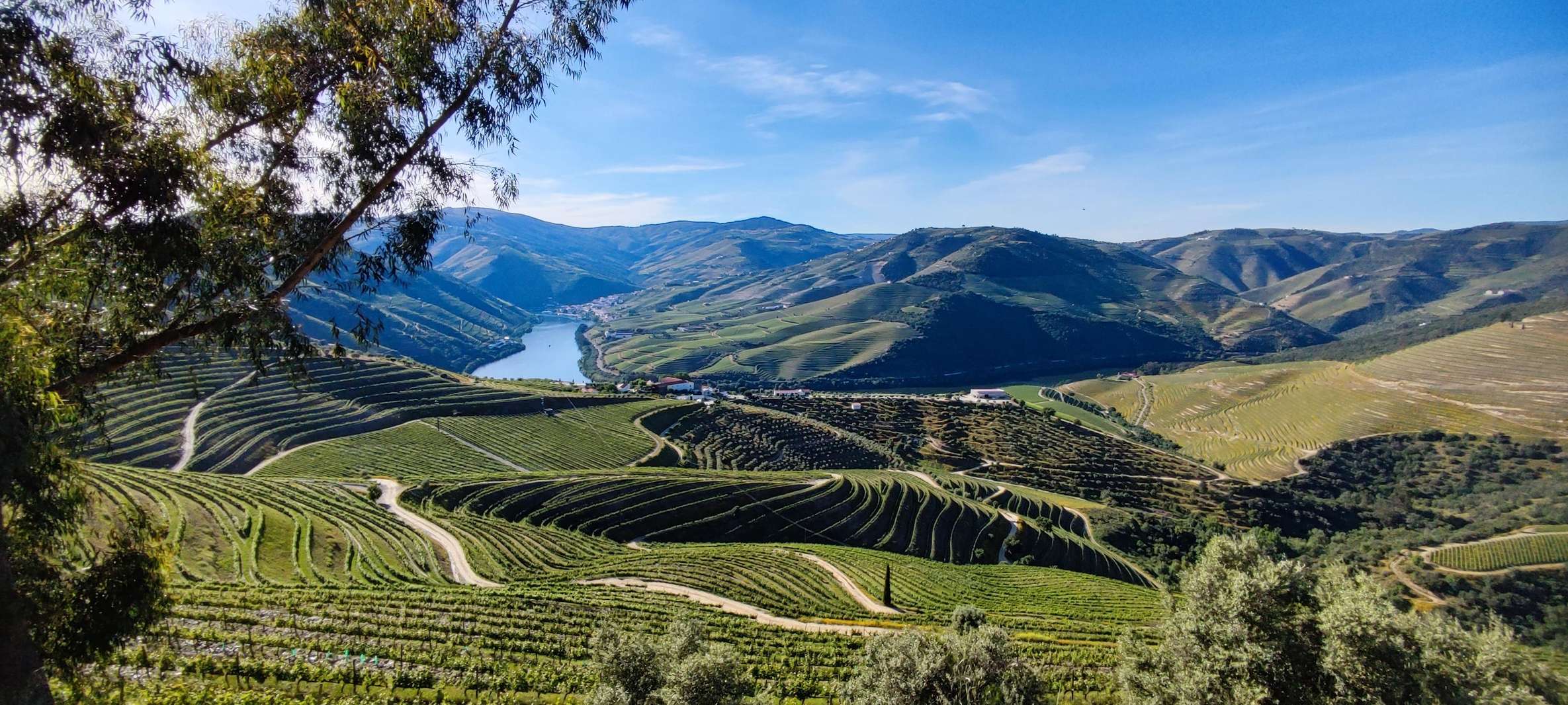
Two windows earn the trip. Late April through June turns the terraces bright green and mild, without the crush. Mid-September to mid-October is harvest: crews hand-pick the slopes at dawn, the valley smells of fermenting must, and the hillsides turn amber and red.
September is the busiest month of the year for winery visits by a wide margin, with October close behind.
July and August are the hot ones, with afternoon averages near 29 degrees and barely a drop of rain, fine for an early sailing, hard at midday.
Winter is quiet and short on daylight, but short local sailings keep running inside the reservoir at Pinhão even while the dam locks close from December through late March, pausing longer cruise traffic.
Booking tells the same story. Harvest weekends sell out one to two weeks ahead; popular weekday departures fill 24 to 48 hours out.
April: 5 out of 5 for how busy it gets.
Tap a month to read it.
1-hour rabelo cruise
Read those levels against your own dates: the green and gold months are mild on every lane, and the hot ones still work if you sail early.
Boats leaving Pinhão head upriver toward Tua, where the terraced vineyard slopes climb steepest and the river gorge is at its most dramatic. Cruises around Régua and water-only sailings from Porto see tamer stretches. Pinhão also lets you add viewpoints and winery visits by road that a boat alone can never reach.
An InterRegional train runs from Porto Campanhã to Pinhão in about 2 hours 15 minutes to 2 hours 30 minutes, with roughly five trains a day. The station sits 100 meters from the Cais do Pinhão piers. Allow a 30-minute buffer after arrival for boarding and train delays.
Kiosks along the riverfront and outside the train station sell tickets on the day. For a specific time slot, or in high season, book ahead: departures can sell out even a day or two in advance, and walk-up visitors sometimes wait hours for the next sailing.
Yes. One three-hour guided tour from Pinhão combines a 50-minute boat ride with a winery visit and tasting, and accepts children of all ages, including toddlers.
Quinta do Bomfim and Quinta das Carvalhas both sit within about ten minutes on foot of the station and quay, so a tasting fits neatly before or after your sailing. Several smaller tasting rooms line the waterfront too.
Dress in removable layers with comfortable walking shoes, because Pinhão mornings can be cool even when afternoons top 30°C in summer. On the open deck you will want a hat and sunscreen, since there is little shade on the water.
Yes. Parking sits along the riverside road and close to the railway station. In peak season the town fills up, so build in extra time to find a spot before your departure.
See every kind of boat and cruise holiday the valley runs, from short rides to multi-day trips.
Compare 1 to 4 hour sightseeing sailings if you want time on the water without giving up a whole day.
Find full-day boat sailings that pack a cruise, tastings and lunch into one long day.
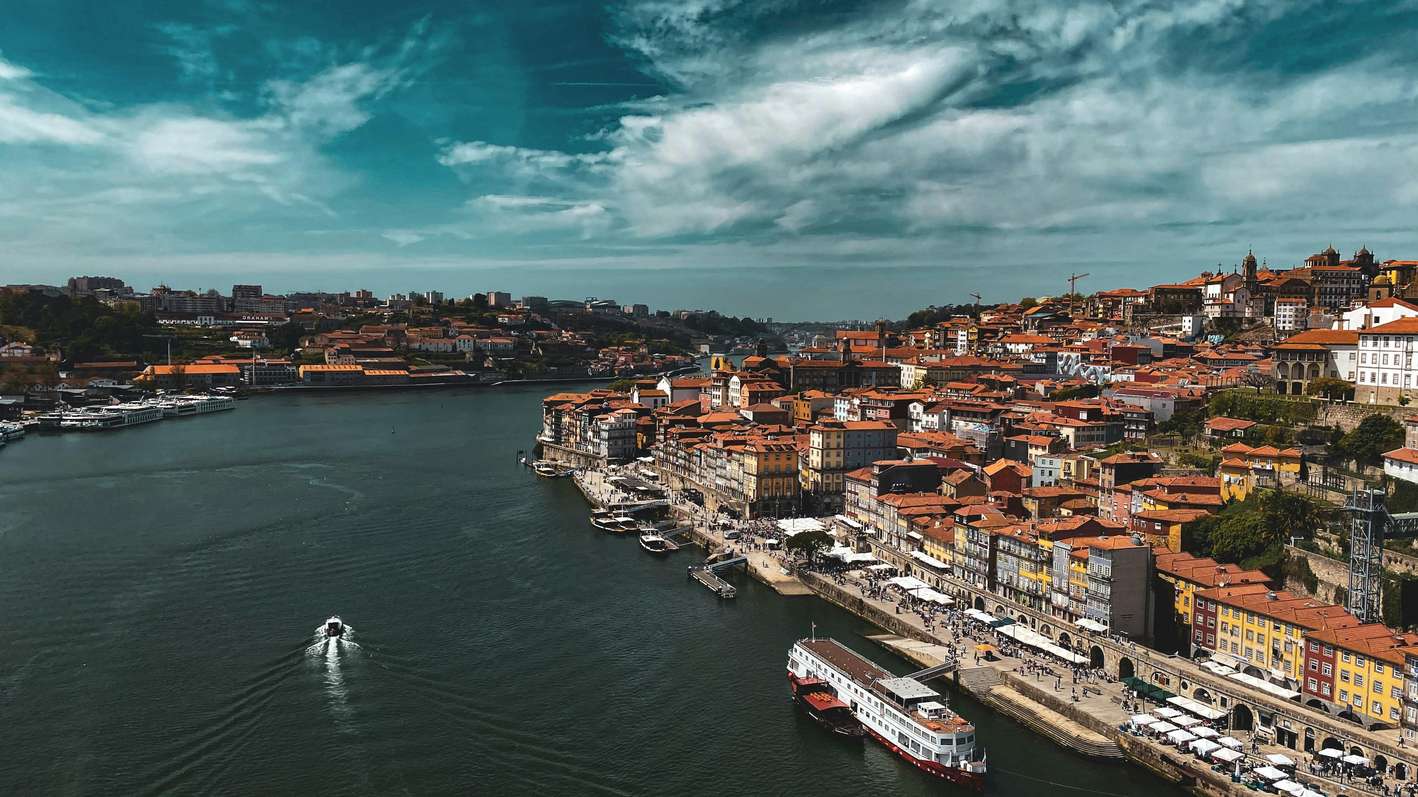
Unpack once and drift through the valley over two or three days at a slower pace.
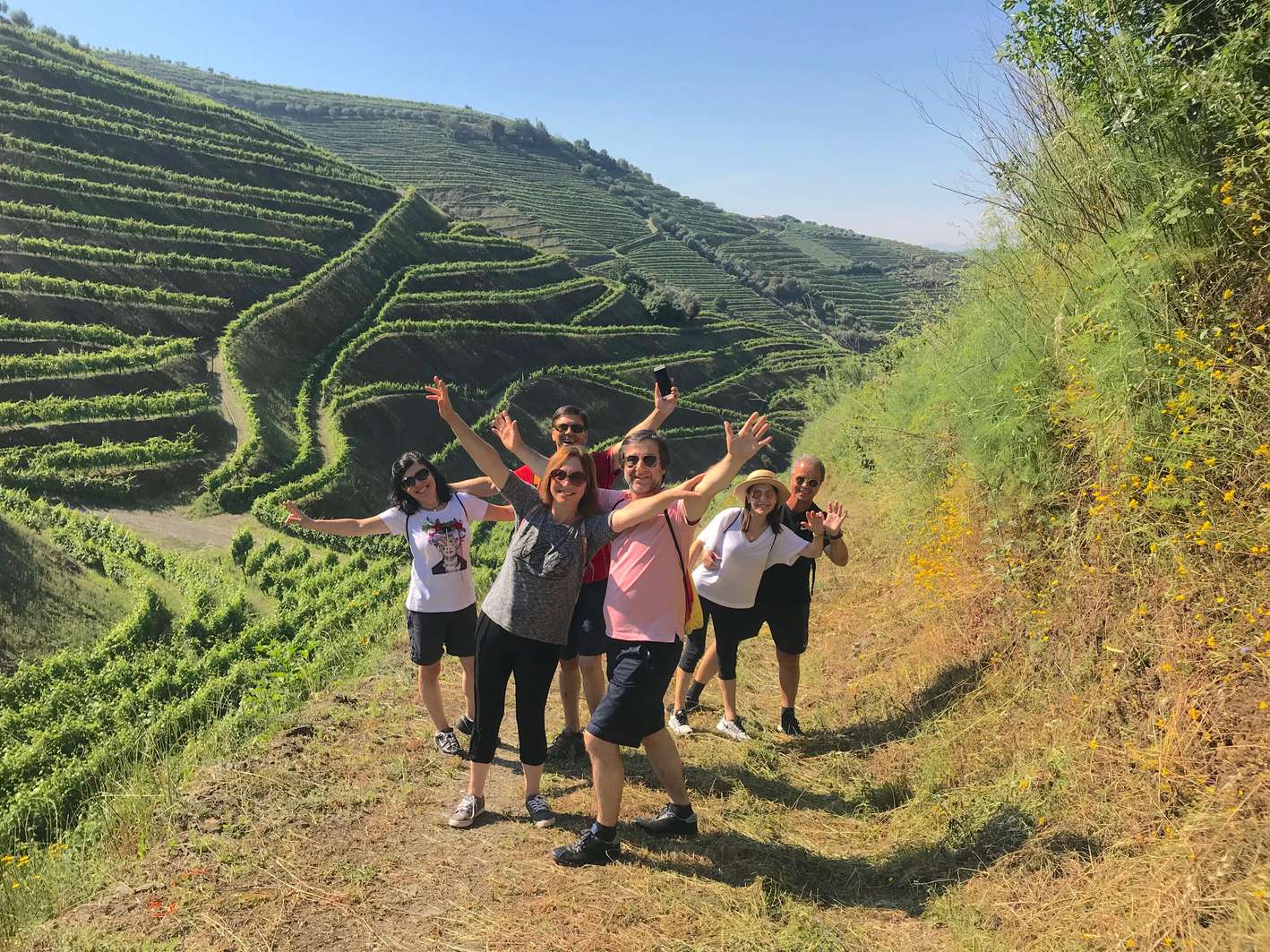
Plan a 4 to 6-day itinerary that mixes wineries, trails and time on the river.
See what sailing from Porto looks like if you would rather start your cruise from the city.
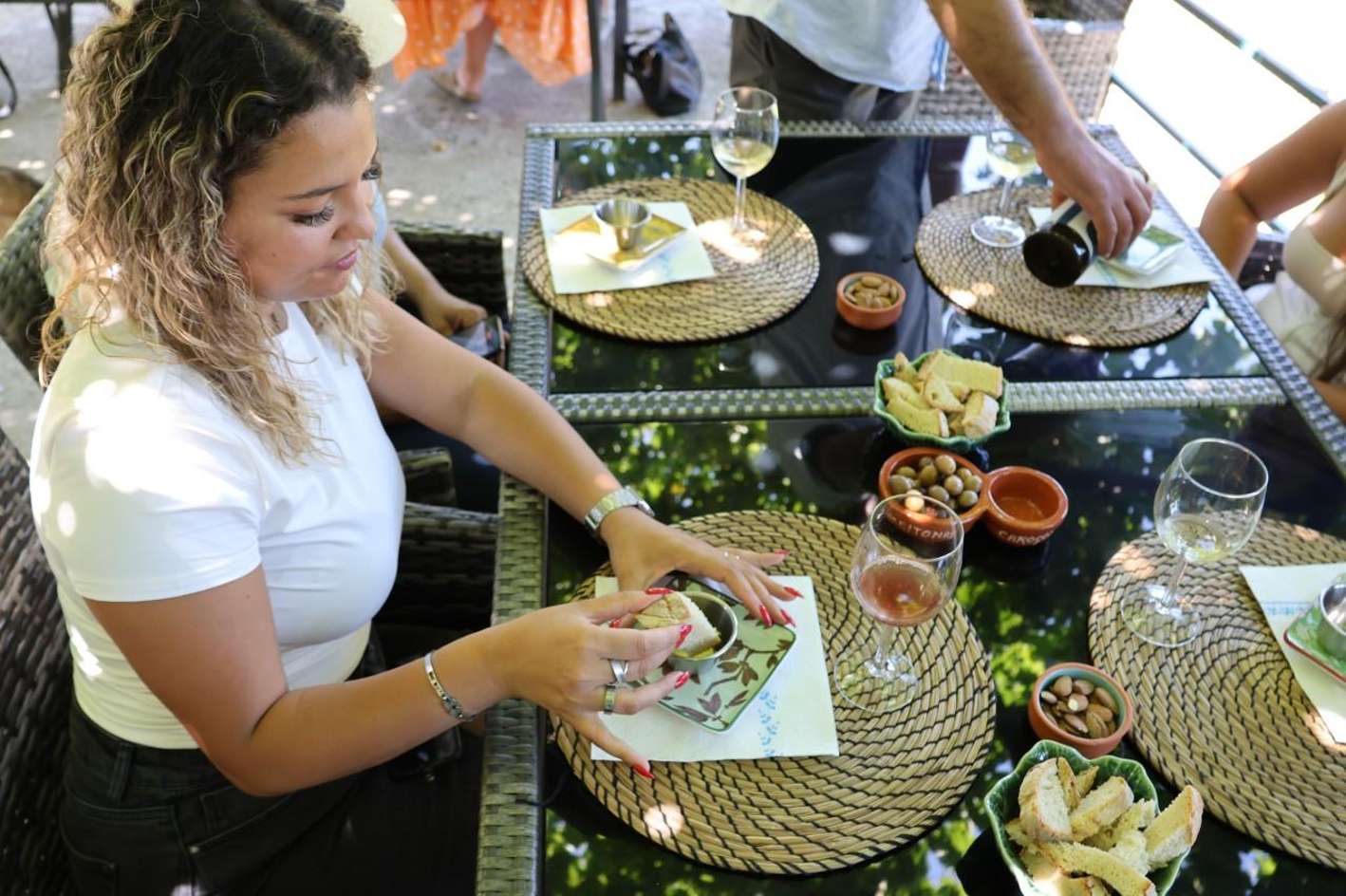
Short on time? These half-day itineraries from Porto get you back by late afternoon.
One day only? Browse every day tour and pick the one that fits your schedule.
Stay overnight in the valley with 2 and 3-night plans built around wine and views.
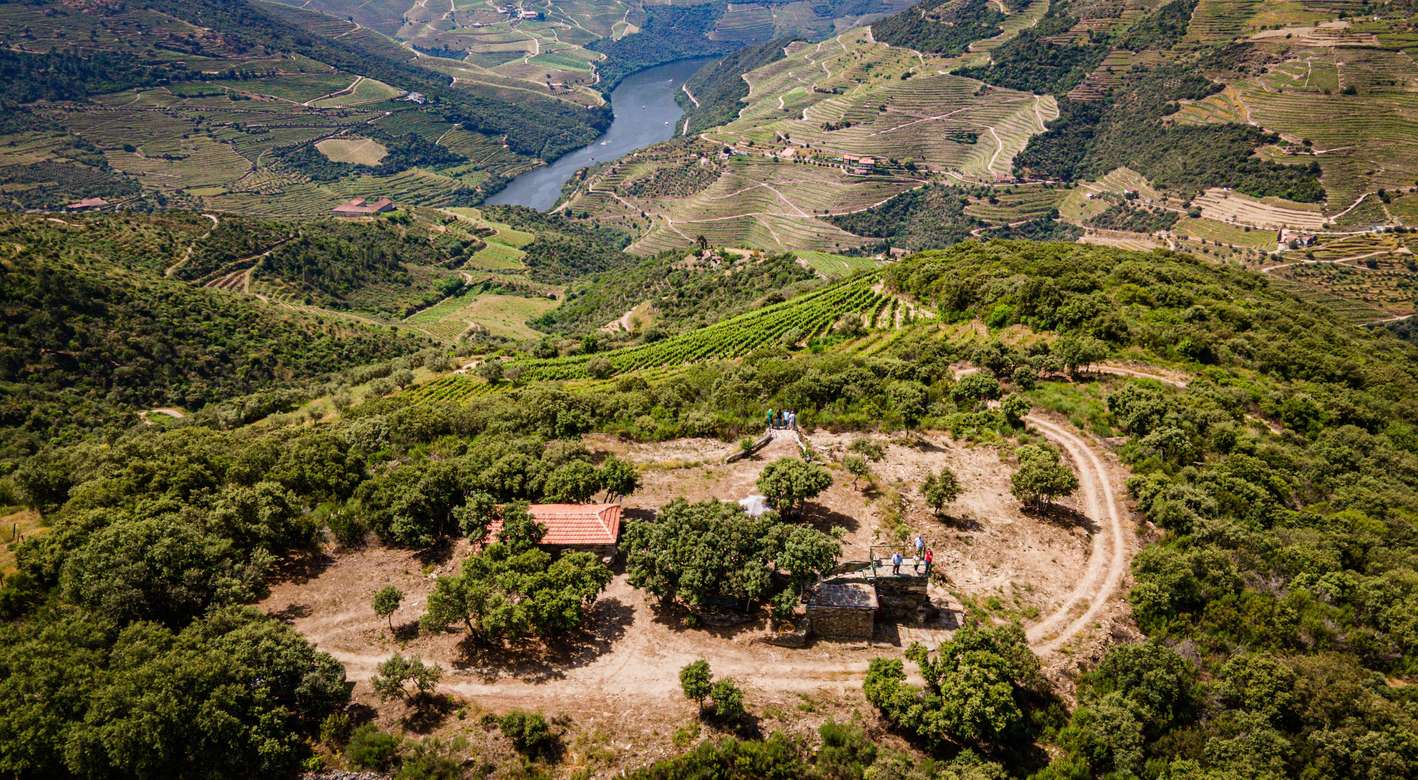
Take the terraces on foot with guided hikes and trail routes through the vineyards.
Upgrade the day with premium estates, private tastings and yacht charters.
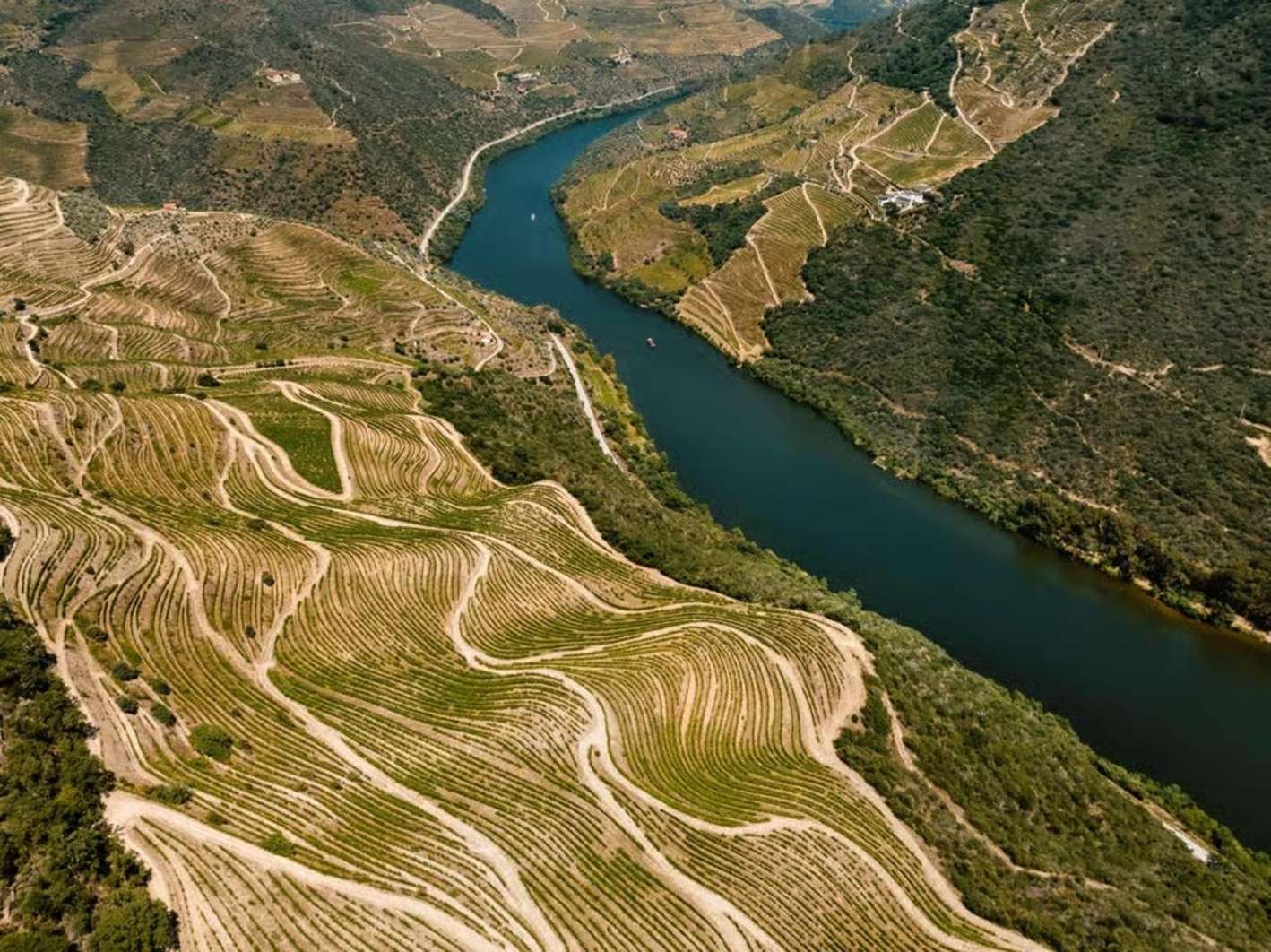
Bring the kids: family-friendly tours that keep children happy between winery stops.
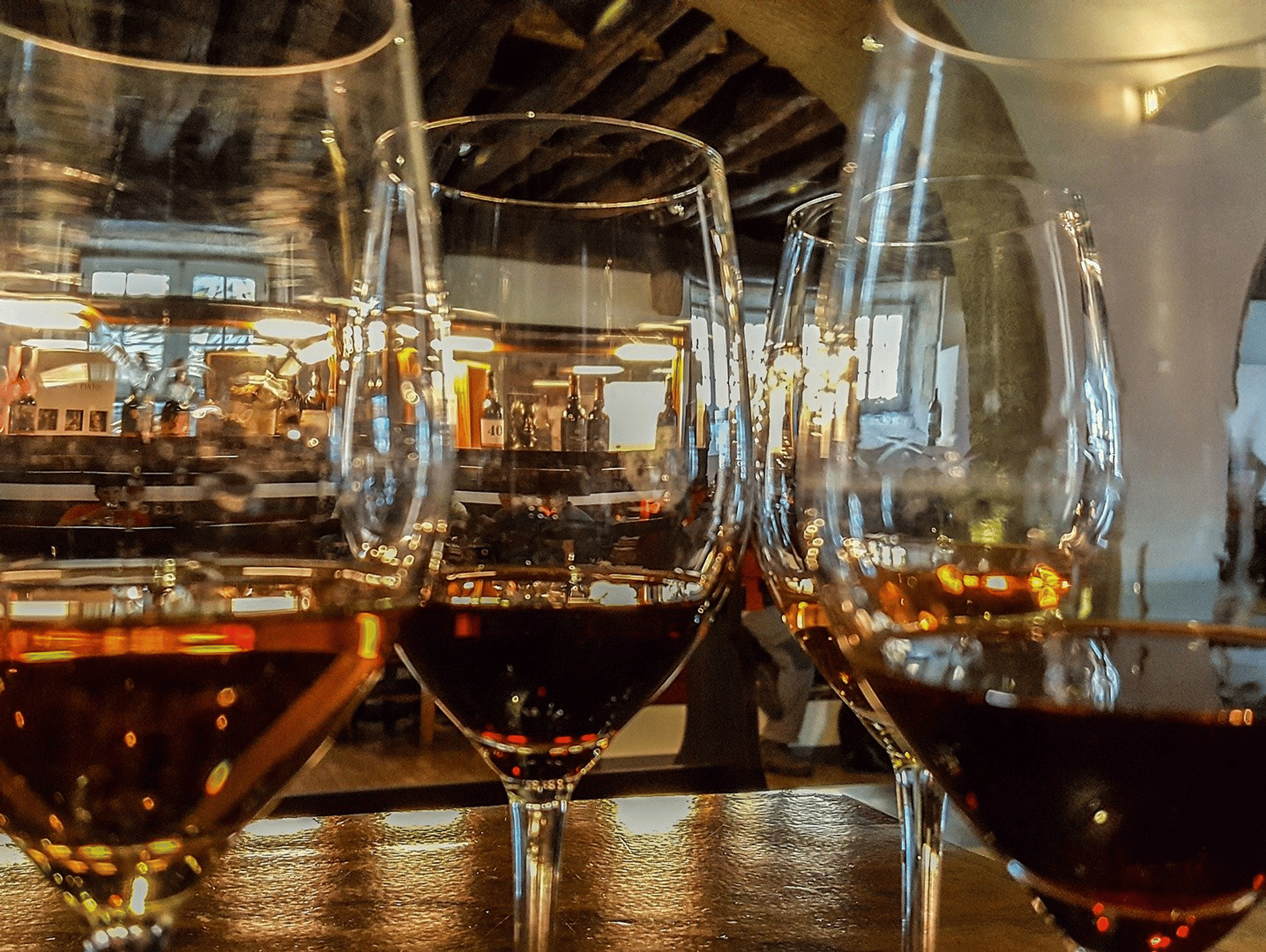
Board at the Pinhão quay for a 50-minute cruise, a winery visit with tastings, and a guide, then cancel up to 24 hours ahead for a full refund.